What Is Teeth Whitening and Why Is It So Popular?
Teeth whitening, also known as bleaching, is a chemical process applied to remove discolorations that occur in the enamel and dentin structure of the teeth. Today, with the influence of social media and increasing aesthetic concerns, the desire to have “pearly white” teeth has made this treatment one of the most requested dental procedures. People no longer just want healthy teeth; they also want a bright and eye-catching smile that radiates confidence.
How Are Teeth Whitening Prices Determined?
Several factors influence the pricing of teeth whitening. The quality of the whitening agent used, whether the procedure is performed in a clinical setting (in-office) or at home, and the dentist’s expertise are direct determinants. Additionally, the intensity of staining on the patient’s teeth and the number of sessions required to reach the desired shade of whiteness are factors that can increase or decrease the total cost.
What Are Home-Type Teeth Whitening Methods?
Home-type teeth whitening is usually performed using custom-made trays prepared from measurements taken by the dentist. Whitening gels in concentrations recommended by the dentist are placed into these trays and applied to the teeth for specific periods. While there are also over-the-counter methods like whitening strips or pens, home-type applications under professional supervision are much safer and more effective.
How Is In-Office Teeth Whitening Applied?
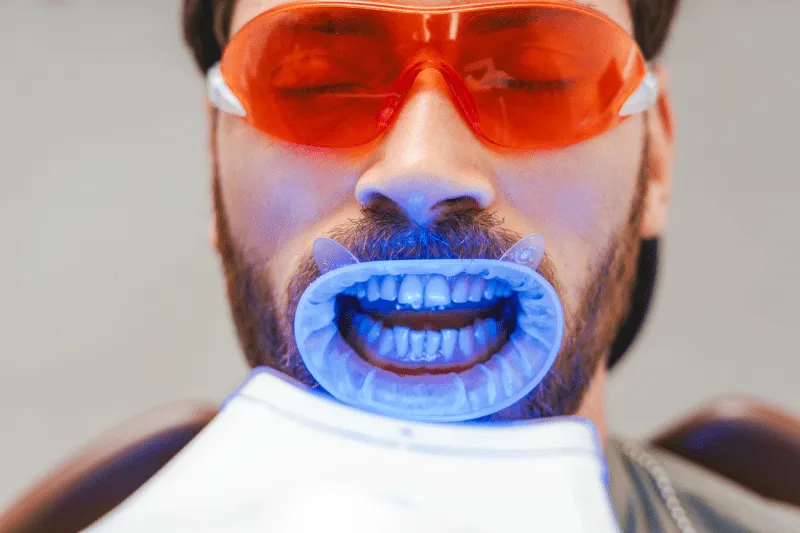
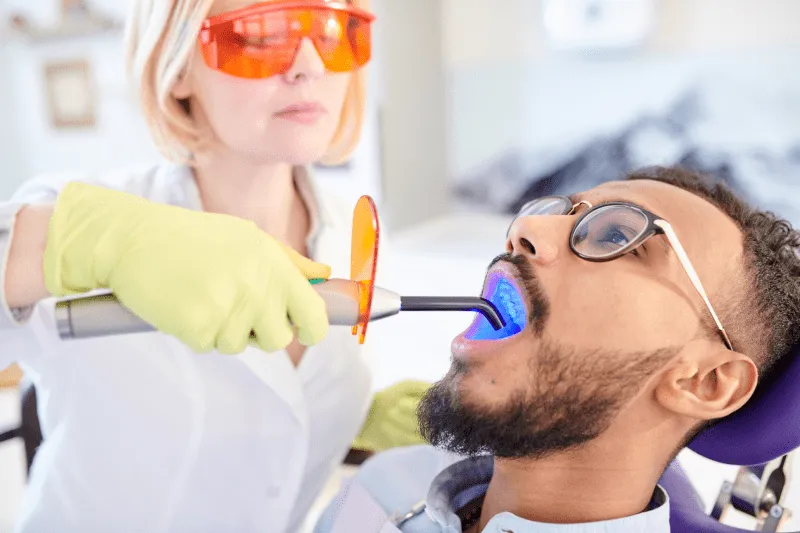
In-office teeth whitening is a procedure completed in a dental clinic under a dentist’s supervision, usually taking about one hour. High-concentration whitening gels are applied to the teeth, and these gels are typically activated by a special light source or laser. Because it provides rapid results and keeps the gums isolated with special protectors, it ensures a safe and highly effective whitening experience.
Is Home Whitening or In-Office Treatment More Economical?
In terms of cost, home-type whitening kits generally have lower initial price points than in-office applications. However, since in-office whitening offers much faster and more noticeable results in a single session, many patients find it more advantageous in terms of the time-to-performance ratio. Which method is more profitable in the long run depends on the patient’s lifestyle and dental care habits.
Is the Teeth Whitening Procedure Permanent?
Unfortunately, teeth whitening is not a lifelong permanent procedure. Your dietary habits, smoking, and the importance you give to oral hygiene determine the duration of the whiteness. Generally, results after a professional whitening can be maintained between 6 months and 2 years. To prevent color relapse, it is recommended to perform periodic “touch-up” sessions or support the result with home kits.
Do Whitening Gels Damage Tooth Enamel?
Whitening gels used in the correct concentration and under the supervision of a specialist dentist do not cause permanent damage to tooth enamel. These gels penetrate the pores in the enamel layer and break down the stains. However, products with very high acid content used unconsciously or uncertified kits can lead to erosion of the tooth enamel and severe tooth sensitivity.
What Are the Advantages of Laser Teeth Whitening?
Laser teeth whitening is the most advanced version of in-office application. The laser light activates the molecules within the whitening gel more quickly, providing deeper cleaning in a shorter amount of time. This method is particularly effective for removing stubborn stains and increases patient comfort by minimizing the time spent in the dental chair.
Do Home-Type Kits Really Work?
Home-type kits with custom trays provided by a dentist produce very effective results. However, standard-sized kits sold in stores may cause the gel to leak into the gums or fail to distribute evenly across all areas of the tooth because they do not adapt to every tooth structure. Therefore, if home whitening is to be done, a specialist’s opinion must be sought, and trays prepared by taking measurements should be preferred.
How Does Sensitivity After Teeth Whitening Pass?
It is normal to experience temporary sensitivity to hot and cold in the teeth after the procedure. This situation usually resolves on its own within 24–48 hours. To alleviate sensitivity, sensitivity-relieving toothpastes or gels containing potassium nitrate recommended by your dentist can be used. Additionally, avoiding extremely hot or cold foods immediately after the procedure will increase your comfort.
In Which Cases Can Teeth Whitening Not Be Performed?
Teeth whitening is not recommended for individuals with widespread decay, gum recession, or exposed tooth roots. Additionally, since the developmental process of teeth continues in individuals under 18, the procedure should be postponed. For pregnant and breastfeeding women, it is a safer approach to perform the procedure after this period, as there is insufficient scientific data on the effects.
What Is the Difference Between Professional Cleaning and Whitening?
Professional teeth cleaning (scaling and polishing) is the mechanical removal of tartar and superficial stains (coffee, tea, cigarette stains) from the teeth; it does not change the tooth’s actual color. Teeth whitening, on the other hand, is a chemical process that penetrates the tooth structure to lighten the actual color by several shades. Often, for the best aesthetic result, professional cleaning should be done first, followed by whitening.
Is It Safe to Whiten Teeth Using Natural Methods?
Attempting to whiten teeth with substances like baking soda, lemon, or turmeric can cause irreversible damage to the tooth enamel. The abrasive effect of these substances thins the enamel, causing the yellower dentin layer underneath to show through and making the teeth susceptible to sensitivity. Teeth whitening should always be performed with scientifically tested products and under medical supervision.
Why Do Country Differences Occur in Teeth Whitening Prices?
Economic conditions, health tourism incentives, and labor costs between countries create large differences in teeth whitening prices. For example, countries like Turkey have become one of the most preferred destinations globally for teeth whitening due to both high-tech clinics and more affordable price policies. It is possible to access high-quality service with more accessible budgets.
How Does Treatment Duration Affect the Result?
Treatment duration varies depending on the initial color of the tooth and the method used. While rapid applications provide instant satisfaction, a more controlled and spread-out treatment process can be safer for protecting the health of the tooth enamel. One session is usually sufficient in in-office whitening, but for very dark teeth, the dentist may plan to reach the target tone by spreading the process over several sessions without damaging the enamel.
Why Is the Speed of In-Office Treatment Preferred?
Time is the biggest constraint for modern people. In-office teeth whitening is frequently preferred by busy individuals because it can lighten the tooth color by 2 to 8 shades in just 45–60 minutes. Instead of the weeks-long waiting process in home-type applications, the motivation of having white teeth as soon as you leave the clinic is the biggest advantage of this method.
What Should Be Considered in Home-Type Application?
When performing home whitening, care should be taken not to let the gel overflow onto the gums. If the gel touches the gum, it can cause irritation and white spots. Additionally, acidic beverages, extremely hot/cold foods, and foods containing coloring agents should be avoided during the application period. Adhering to the usage time determined by the physician is critical for both dental health and the success of the result.
How Are Coffee and Cigarette Stains Cleaned?
Habits such as coffee, tea, and smoking create a stubborn layer on the teeth. For such external discolorations, professional cleaning (like airflow) is usually performed first, followed by the whitening process. Whitening agents break down the pigments that these substances have trapped inside the tooth structure, allowing the tooth to return to its old brightness.
Is Professional Cleaning Necessary Before Teeth Whitening?
Absolutely yes. If there is tartar (calculus) or plaque on the teeth, the whitening gel cannot make full contact with the tooth surface. bu also results in the whitening remaining regional and a wavy color appearance. To achieve a successful and homogeneous whiteness, professional teeth cleaning should be performed at least one day before the whitening process.
Can Porcelain Veneers Be Whitened?
Teeth whitening gels are only effective on natural tooth structure. Porcelain laminates, zirconium veneers, crowns, or composite fillings cannot be whitened with these gels. If you have such restorations in your teeth, your natural teeth will lighten after the whitening process, which may make your veneers look darker. In this case, it may be necessary to renew the veneers to match the new tooth color.
Can Teeth Whitening Be Done During Pregnancy?
Hormonal changes during pregnancy can make the gums more sensitive. Furthermore, although the possibility of swallowing whitening gels is low, there is not enough clinical research on their effects on the fetus. For reasons of ethics and safety, dentists recommend that such aesthetic procedures be performed after the pregnancy and breastfeeding process is over. All non-urgent aesthetic procedures should be postponed during this time.
How Long Are Teeth Whitening Results Maintained?
The lifespan of whitening results is entirely in your hands. Brushing regularly, using dental floss, and adhering to professional dental cleaning appointments will extend the duration of the whiteness. While the relapse is faster in individuals who do not follow “white diet” rules and smoke heavily, results can be preserved for years in those who pay attention to oral care.
What Is the “White Diet” and How Is It Applied?
The first 48 hours (and preferably the first week) after the teeth whitening procedure is the period when the pores in the tooth enamel are most open. During this process, avoiding highly colored foods such as dishes with tomato paste, red wine, coffee, tea, soy sauce, curry, and cherry juice is called the “white diet.” Consuming colorless foods like milk, cheese, white chicken meat, and pasta (without sauce) guarantees the success of the result.
Is Carbamide Peroxide or Hydrogen Peroxide Better?
Both substances are used in teeth whitening, but their working mechanisms are different. Hydrogen peroxide activates faster and is generally preferred for in-office treatments. Carbamide peroxide, on the other hand, releases more slowly, which makes it ideal for home-type trays. Your dentist will decide which substance is more suitable for you based on your tooth sensitivity level.
Why Is Gum Protection Important?
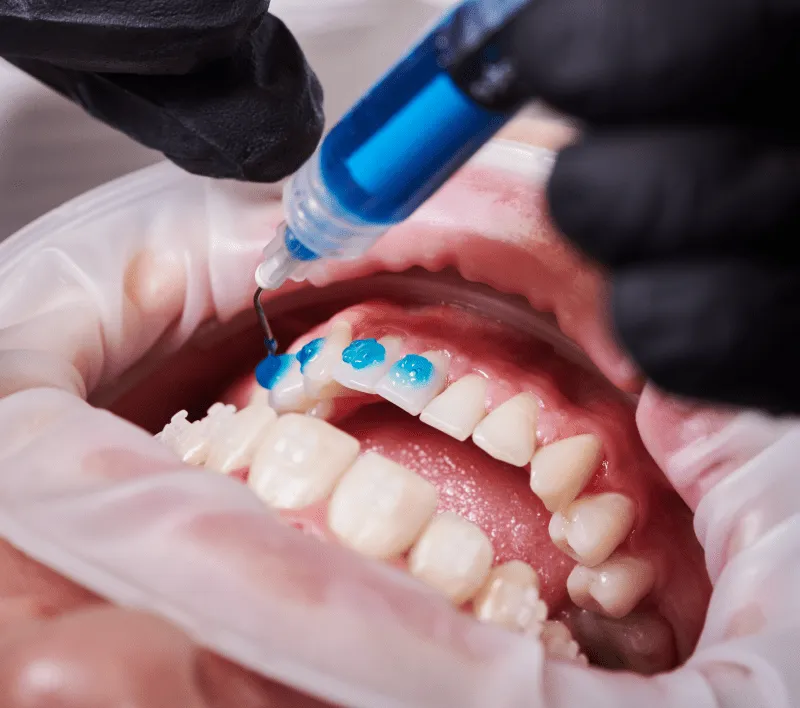
Whitening gels have high oxidant properties and can lead to burns or irritation if they come into contact with gum tissue. In in-office applications, the dentist completely isolates the gums using a special light-cured material called a “gingival barrier.” This protection is vital for the procedure to be comfortable and to prevent oral sores from forming afterward.
How Is Home-Type Whitening Performed Under Dentist Supervision?
Home-type whitening under a dentist’s supervision begins with precise measurements taken from the patient. These transparent trays prepared in the laboratory fit the teeth millimetrically. The dentist provides the gel in a concentration suitable for the patient’s tooth structure and determines the frequency of application. This controlled process offers a much more professional and healthy result than market products the patient would apply on their own.
What Are the Risks of Cheap Whitening Products?
Controlled-sold very cheap whitening pens or powders over the internet usually have high acid content or very harsh abrasives. These products can permanently scratch the tooth enamel, cause gum recession, and even damage the tooth nerves, necessitating root canal treatment. To avoid risking your health, you should only prefer approved clinical products.
Does the Natural Color of Teeth Affect Whitening Success?
Everyone’s tooth structure and genetic color tone are different. Yellowish teeth generally respond very well to the whitening process, while it is harder to lighten teeth with a grayish or bluish tone. Additionally, external whitening alone may not be sufficient for deep staining due to antibiotic use (tetracycline); in such cases, internal bleaching or veneer methods should be considered.
Is Teeth Whitening Safe at a Young Age?
The most ideal age for teeth whitening is 18 and over, when the eruption of teeth is complete and the pulp chamber (the space where the tooth nerve is) has shrunk. During adolescence, the nerves of the teeth are wider, and gels can cause severe pain. If there are aesthetic concerns at an early age, it should be aimed to provide a brighter appearance with professional cleaning and oral hygiene education instead of whitening.
What Should Be Considered When Choosing a Clinic?
A good clinic should be patient-health oriented, not just price oriented. You should ask whether the brands the clinic you choose uses are of world standards (FDA or CE approved). Additionally, the dentist’s performance of a comprehensive examination before the procedure and the correction of existing cavities and gum problems before whitening are the most important signs of the quality and safety of the treatment.
Why Should Cure Holiday Be Preferred?
Cure Holiday is a leading organization in oral and dental health tourism, providing services at world standards and centering on patient satisfaction. With our modern technology-equipped partner clinics and expert dentists, we offer not just a treatment but also a comfortable experience. At Cure Holiday, we use the highest quality whitening materials to provide you with your dream smile in the safest way.
What Are the Advantages of Receiving Treatment with Cure Holiday?
Getting teeth whitening with Cure Holiday means reaching both budget-friendly prices and top-segment health services. We are with you at every step of the process with our advantages such as personalized treatment planning, VIP transfer services, accommodation support, and uninterrupted post-treatment communication. With our latest laser technologies and sensitivity-protected gels, we work to ensure minimum sensitivity and maximum whiteness.
What Should Be Done to Receive Treatment with Cure Holiday?
Getting in touch with us is quite easy. You can get a free pre-consultation by filling out the form on our website, writing via our WhatsApp line, or calling us directly. When you send photos of your current teeth, our expert team will determine the most suitable whitening method and cost for you and get back to you in a short time.
How Does Cure Holiday Manage the Processes?
Our process is built entirely on transparency. From your first contact, a dedicated patient coordinator is assigned to you. When your treatment plan is approved, your appointments are organized, and your transportation and accommodation details are planned. When you come to the clinic, your whitening procedure is performed with the most modern methods, and afterward, your oral care set and maintenance instructions are delivered to you to support the permanence of the process.
How Can You Achieve Your Dream Smile with Cure Holiday?
Your smile is your first communication with the world. At Cure Holiday, we want this communication to take place in the brightest and most sincere way. With our professional touches, you can get rid of the stains that have accumulated on your teeth over the years and have a look that will make you happy every time you look in the mirror. You too can join our thousands of happy patients and contact Cure Holiday today to make a new start with a shining smile!
Free Consultation
Fill out the form below to get your free medical travel plan and price quote.
Sources and how to verify this yourself
- Howe M-S, Keys W, Richards D. Long-term (10-year) dental implant survival: a systematic review and sensitivity meta-analysis. Journal of Dentistry, 2019 — pooled 10-year implant survival 96.4% (95% CI 95.2–97.5%); conservative sensitivity estimate 93.2%. source
- Ministry of Health, Regulation on International Health Tourism and Tourist Health, Official Gazette 26 April 2025, No. 32882 — authorisation requirement for facilities and intermediaries, TÜSKA accreditation, compulsory complication insurance (deadline 31 December 2025 for insurance, 31 December 2026 for accreditation). source
- Ministry of Health, Regulation on Promotion and Information Activities in Health Services, Official Gazette 12 November 2025, No. 33075 — treatment promises and guarantees are prohibited; price and campaign announcements are permitted only within international health tourism. source