About the prices on this page. The figures below are indicative market prices and country comparisons, not a quote. Our own current, all-inclusive prices are published on our dental treatment in Turkey page, and we confirm your figure in writing before you commit to anything.
Pre-Operative Consultation & Planning
The pre-operative consultation is arguably the most crucial stage of your breast augmentation journey in Turkey. It’s not simply a formality; it’s a comprehensive evaluation designed to ensure your safety, address your desires, and formulate a personalized surgical plan. This initial meeting, often conducted virtually before your trip and then confirmed in person upon arrival, involves a detailed discussion of your medical history, lifestyle, and aesthetic goals.
Your surgeon will meticulously review your health records, including any pre-existing conditions, allergies, medications (including over-the-counter drugs and supplements), and previous surgeries. Honesty is paramount during this phase. Withholding information, even seemingly insignificant details, can compromise your safety and the outcome of the procedure. Be prepared to discuss your family history of breast cancer or other relevant conditions.
A physical examination will follow, focusing on your breast tissue, skin elasticity, and overall health. The surgeon will assess your breast anatomy, including the size, shape, and position of your nipples, to determine the most appropriate implant size, shape, and placement technique. This examination will also help identify any potential anatomical challenges that might influence the surgical approach.
Discussing your desired outcome is equally important. Bring pictures of breast shapes you admire, but understand that achieving an exact replica is often unrealistic. Your surgeon will use these images as a starting point to understand your aesthetic preferences and then tailor a plan that complements your body type and proportions. Realistic expectations are key to satisfaction.
Crucially, the consultation will cover implant options. We’ll discuss the differences between saline and silicone implants, their respective advantages and disadvantages, and which type best aligns with your goals. We’ll also explore various implant profiles (low, moderate, high) and projection levels to achieve the desired fullness and shape.
This is the time to ask *all* your questions – no matter how trivial they may seem. Concerns about pain management, recovery time, potential risks, and long-term implant care should be addressed thoroughly. A reputable clinic will dedicate ample time to answer your queries and alleviate any anxieties.
A significant driver for patients choosing breast augmentation in Turkey is the substantial cost savings. While comparable procedures in countries like Germany or France can easily exceed €8,000 – €12,000, the same high-quality surgery in Turkey, including accommodation and aftercare, often costs between €2,500 – €4,500. Patients typically save 60-70% without sacrificing quality or safety. However, remember that the lowest price shouldn’t be the sole determining factor.
Pre-operative planning extends beyond the consultation itself. You’ll receive detailed instructions regarding pre-operative medications to avoid (such as aspirin and certain herbal supplements), dietary restrictions, and smoking cessation requirements. These guidelines are designed to minimize the risk of complications and promote optimal healing.
Pre-operative imaging, such as mammography or ultrasound (depending on your age and medical history), may be required to rule out any underlying conditions. The clinic will coordinate these tests and review the results before proceeding with the surgery.
Finally, informed consent is a vital component of the process. You will receive a comprehensive document outlining the procedure, potential risks, benefits, and alternatives. Read this document carefully and ensure you fully understand all the information before signing. This demonstrates your informed decision-making and protects both you and the surgeon. Choosing to have your procedure in Turkey doesn’t mean compromising on care; it means accessing world-class expertise at a fraction of the European price, all while benefiting from dedicated patient support throughout your journey.
> 📉 Cost Comparison: A simple procedure that costs €5,000 in Germany might cost only €1,500 in Turkey with CureHoliday. Why pay more for the same quality?
Is Breast Augmentation Right For You? (Problem & Solution)
Many women consider breast augmentation to address concerns about breast size, shape, or symmetry. These concerns can stem from a variety of factors – genetic predisposition, weight fluctuations, pregnancy, or simply a desire to achieve a more balanced and proportionate figure. It’s crucial to understand that breast augmentation isn’t about conforming to an ideal, but about restoring confidence and achieving a personal aesthetic goal.
The “problem” isn’t necessarily a medical condition, but rather a psychological or emotional discomfort stemming from perceived physical inadequacies. This discomfort can manifest as low self-esteem, body image issues, and limitations in clothing choices. It’s important to acknowledge these feelings and explore whether breast augmentation is a suitable solution. A thorough self-assessment, coupled with a detailed consultation with a qualified surgeon, is the first step.
However, it’s vital to have realistic expectations. Breast augmentation can significantly enhance your appearance, but it won’t solve all of life’s problems. A healthy lifestyle, positive self-image, and strong emotional foundation are equally important.
For women in Europe, particularly in countries like Germany and France, the cost of breast augmentation can be a significant barrier. Prices often range from €8,000 to €15,000, encompassing surgeon’s fees, hospital charges, anesthesia, and post-operative care. This financial burden often prevents many from pursuing a procedure they genuinely desire.
Turkey presents a compelling alternative. Highly skilled and experienced surgeons, state-of-the-art facilities, and significantly lower operating costs combine to offer a comparable – and often superior – level of care at a fraction of the price. Patients traveling to Turkey routinely save 60-70% on the total cost compared to procedures performed in Western Europe. This isn’t about compromising on quality; it’s about leveraging a different economic landscape and a thriving medical tourism sector.
The “solution” offered by breast augmentation is multifaceted. It can restore volume lost due to aging or weight loss, create a more proportionate silhouette, and improve self-confidence. For those with asymmetrical breasts, augmentation can achieve a more balanced and harmonious appearance. The psychological benefits are often profound, leading to increased self-esteem and a more positive body image.
However, it’s not a decision to be taken lightly. Potential risks and complications, though rare with experienced surgeons, include capsular contracture (hardening of the tissue around the implant), infection, changes in nipple sensation, and implant rupture. Choosing a board-certified plastic surgeon with extensive experience in breast augmentation is paramount.
In Turkey, medical facilities are often JCI (Joint Commission International) accredited, adhering to rigorous international standards of quality and patient safety. Surgeons are typically members of respected professional organizations, and many have trained internationally, bringing a wealth of knowledge and expertise. This level of expertise, combined with the cost savings, makes Turkey a particularly attractive destination.
Before committing to surgery, a comprehensive pre-operative assessment is essential. This includes a detailed medical history, physical examination, and discussion of your goals and expectations. The surgeon will evaluate your breast tissue, body proportions, and overall health to determine if you are a suitable candidate.
Consider also the recovery period. While Turkey offers cost savings, it also offers dedicated post-operative care packages, often including accommodation and follow-up appointments, ensuring a smooth and comfortable recovery process. The convenience and support offered are crucial for optimal healing and satisfaction.
> ✨ All-Inclusive Comfort: With CureHoliday, you never walk alone. Our 24/7 patient support ensures you are safe, comfortable, and well-cared for throughout your stay in Turkey.
Understanding Breast Augmentation: A Detailed Overview
Breast augmentation, medically known as mammoplasty, is a surgical procedure designed to increase breast size, restore volume lost after weight loss or pregnancy, or create a more proportionate figure. It’s one of the most commonly performed cosmetic surgeries globally, and Turkey has emerged as a leading destination for individuals seeking high-quality breast augmentation at significantly reduced costs.
The fundamental principle involves the placement of breast implants – or, less commonly, fat transfer – to achieve the desired aesthetic outcome. While fat transfer offers a natural approach, it’s generally suitable for smaller augmentations. The vast majority of breast augmentation procedures utilize implants made from either silicone gel or saline. Understanding the nuances of each is crucial.
Silicone gel implants are filled with a cohesive silicone gel, providing a natural look and feel that closely mimics breast tissue. They tend to hold their shape well and are considered more durable. Saline implants, conversely, are filled with sterile saltwater. They are often a more affordable option and, if they leak, the saline is safely absorbed by the body. However, they may feel less natural than silicone, and rippling can sometimes be visible, particularly in thinner patients.
The appeal of undergoing breast augmentation in Turkey isn’t simply about price, though the cost savings are substantial. Patients from countries like Germany and France often face prices exceeding €8,000 – €12,000 for a comparable procedure. In Turkey, the same procedure, including hospital stay, pre-operative tests, and post-operative care, can be achieved for around €3,000 – €5,000 – a saving of up to 70%. This isn’t due to compromised quality; it’s a result of lower operating costs, government subsidies for medical tourism, and competitive pricing among highly skilled surgeons.
However, affordability shouldn’t be the sole deciding factor. Turkey boasts a significant number of board-certified plastic surgeons specializing in breast augmentation, many with international training and accreditation. These surgeons adhere to rigorous safety standards and utilize state-of-the-art facilities, often exceeding those found in some European clinics.
The size and shape of the implant are determined through a detailed consultation, considering the patient’s anatomy, desired outcome, and existing breast tissue. Implants come in various profiles (low, moderate, high) and widths, influencing the projection and fullness of the breasts. Round implants create fullness, while teardrop-shaped (anatomical) implants mimic the natural slope of the breast.
Surgical technique plays a vital role in the success of the procedure. Incision placement options include the inframammary fold (under the breast), the areola (around the nipple), and the transaxillary approach (through the armpit). Each technique has its advantages and disadvantages regarding scarring and visibility. Similarly, implant placement – over or under the pectoral muscle – influences the aesthetic result and post-operative recovery. Submuscular placement generally provides a more natural look and better support, particularly for patients with less natural breast tissue, but may involve more post-operative discomfort.
Post-operative care is crucial for optimal healing. This includes wearing a supportive bra, avoiding strenuous activity, and attending follow-up appointments to monitor the healing process. While complications are rare, potential risks include infection, capsular contracture (scar tissue tightening around the implant), implant rupture, and changes in nipple sensation. Choosing a qualified and experienced surgeon significantly minimizes these risks.
It’s essential to remember that breast augmentation is a significant surgical procedure. A thorough understanding of the options, risks, and benefits is paramount. Patients travelling to Turkey should research surgeons meticulously, verify their credentials, and ensure they are comfortable with the proposed treatment plan. The combination of highly skilled surgeons, modern facilities, and substantial cost savings makes Turkey an increasingly popular and reliable destination for achieving the desired breast augmentation results – results comparable to, and often exceeding, those available in Western Europe at a fraction of the price.
> 🏥 CureHoliday Advantage: We don’t just book your treatment; we manage your entire journey. From VIP airport transfers to 5-star hotel accommodation, everything is included in your package.
Types of Breast Implants Available
The foundation of a successful breast augmentation lies in selecting the right implant. Several types are available, each with unique characteristics suited to different patient anatomies and desired outcomes. Understanding these options is crucial during your consultation in Turkey, where you’ll benefit from expert guidance and significantly lower costs compared to clinics in Europe – often saving up to 70% while receiving comparable, or even superior, care. In countries like Germany or France, the same implants can come with a substantially higher price tag.
Saline Implants: These implants consist of a silicone shell filled with sterile saline (saltwater). They’ve been used for decades and are considered a safe option. A key advantage is that if a rupture occurs, the saline is naturally absorbed by the body, making the deflation less noticeable, although still requiring removal or replacement. Saline implants typically feel less natural than silicone, and may exhibit rippling, particularly in patients with less natural breast tissue. While still available, their popularity has decreased with advancements in silicone technology. Costs remain relatively lower than silicone, but the overall savings in Turkey still make silicone a more attractive value proposition.
Silicone Gel Implants: These are currently the most popular type of breast implant globally. They are filled with a cohesive silicone gel, designed to mimic the look and feel of natural breast tissue. Silicone implants offer a more natural aesthetic and are less likely to exhibit rippling. Modern silicone gel implants are highly cohesive, meaning the gel stays put and minimizes the risk of significant shape change even if a rupture occurs – although, like all implants, they *must* be removed if ruptured.
Shaped (Teardrop) Implants: Also known as anatomical or form-stable implants, these implants are designed to create a more natural, teardrop shape, particularly appealing to patients seeking a subtle augmentation. They are typically filled with a highly cohesive silicone gel to maintain their shape. Shaped implants require precise surgical placement and are often preferred for patients with limited upper breast tissue. The higher level of surgical skill required is readily available in Turkey, and again, at a fraction of the cost compared to similar expertise in Western Europe.
Round Implants: These implants maintain a consistent fullness throughout the entire implant. They offer varying degrees of projection, allowing surgeons to achieve different looks, from a more subtle enhancement to a fuller, more dramatic result. Round implants are versatile and can be used in a variety of augmentation procedures. They are often more forgiving in terms of placement, making them a good option for certain anatomies.
Textured vs. Smooth Implants: Both silicone and saline implants come in textured and smooth surface options. Textured implants were historically believed to reduce the risk of capsular contracture (scar tissue tightening around the implant), but concerns regarding a rare association with BIA-ALCL (Breast Implant-Associated Anaplastic Large Cell Lymphoma) have led to a decline in their use. Most surgeons now favor smooth implants, and the latest generation of smooth implants have demonstrated excellent results with minimal capsular contracture risk. In Turkey, surgeons prioritize patient safety and will thoroughly discuss the risks and benefits of each option, offering smooth implants as the standard choice unless a compelling medical reason dictates otherwise.
Implant Profile: Beyond the fill material and shape, implant profile is a critical consideration. Profile refers to the amount of projection the implant provides. Low-profile implants create a more natural, subtle look, while high-profile implants offer more fullness and projection. Your surgeon in Turkey will carefully assess your anatomy and desired aesthetic to recommend the appropriate profile.
Implant Size: This is a complex calculation, influenced by your existing breast tissue, body proportions, and personal preferences. 3D imaging technology is often used in Turkey to allow patients to visualize potential outcomes and collaborate with their surgeon on the ideal size. The significant cost savings in Turkey allow for investment in these advanced technologies, ensuring a truly personalized approach.
Brand Considerations: Several reputable implant manufacturers exist, including Mentor, Allergan (Natrelle), and Motiva. Each brand offers a range of implant types and sizes. Your surgeon in Turkey will likely have experience with multiple brands and can advise you on the best option based on your individual needs and the latest research.
> 🏥 CureHoliday Advantage: We don’t just book your treatment; we manage your entire journey. From VIP airport transfers to 5-star hotel accommodation, everything is included in your package.
Choosing the Right Implant Size and Shape
Determining the ideal implant size and shape is arguably the most crucial aspect of a successful breast augmentation. It’s a highly personalized decision, and a thorough consultation with your surgeon in Turkey is paramount. This isn’t simply about choosing a cup size; it’s about achieving a harmonious balance with your existing anatomy, body frame, and desired aesthetic outcome.
Many patients travelling from countries like Germany and France are surprised at the level of dedicated consultation time offered in Turkey. In Europe, rushed appointments are common due to high demand and cost pressures. Here, surgeons prioritize understanding your vision and tailoring the procedure accordingly.
Implant size is measured in cubic centimeters (cc), but this number alone isn’t definitive. It’s more helpful to discuss desired aesthetic goals – do you want a subtle enhancement, a moderate increase, or a more dramatic result? Your surgeon will assess your existing breast tissue, chest width, rib cage, and overall body proportions to recommend a starting point. 3D imaging technology is frequently used in Turkey to allow you to *visualize* potential outcomes with different implant sizes, a service that often comes at an extra cost in Western European clinics.
Consider that implant size isn’t solely about volume. Projection also plays a significant role. Higher profile implants create more forward projection, resulting in a fuller, rounder appearance, while lower profile implants provide a more natural, subtle augmentation.
Shape is the next critical consideration. There are two primary implant shapes: round and anatomical (teardrop).
Round implants offer fullness in the upper pole of the breast and are a good choice for patients with minimal existing breast tissue or those desiring a rounder aesthetic. They’re also more likely to rotate less, potentially reducing the need for future revision surgery.
Anatomical, or teardrop, implants are designed to mimic the natural slope of the breast. They have more volume in the lower pole and are often preferred by patients seeking a more natural-looking result, particularly if they already have good breast tissue. However, they have a higher risk of rotation, and their placement requires precise surgical technique.
The material of the implant is also a key factor. Silicone gel implants are the most common, offering a soft, natural feel. Saline implants are filled with sterile saltwater and are detectable if a rupture occurs (though often asymptomatic). Newer generation “gummy bear” silicone implants hold their shape well, even if a rupture occurs, offering increased longevity.
Patients choosing to have breast augmentation in Turkey consistently benefit from access to a wider range of implant manufacturers and styles, often at significantly lower costs than those found in Europe. A set of implants that would cost €6,000-€8,000 in Germany or France can often be obtained for €1,500-€2,500 in Turkey – representing a saving of up to 70% *without* compromising on quality or safety.
Don’t be afraid to discuss your concerns openly with your surgeon. Bring photos of breast shapes you admire, but remember that achieving an exact replica isn’t always possible or desirable. A skilled surgeon will guide you toward an outcome that complements your unique anatomy and delivers a natural, beautiful result.
It’s also important to understand how implant size and shape interact with implant placement (over or under the muscle – discussed elsewhere in this guide). Under-the-muscle placement generally requires a slightly larger implant to achieve the desired fullness, while over-the-muscle placement can result in a softer, more natural feel.
Finally, remember that breast augmentation is a surgical procedure, and while Turkey offers exceptional value, prioritize a qualified, experienced surgeon with a strong track record of successful outcomes. The savings are substantial, but the quality of care should *never* be sacrificed.
> 🇹🇷 Why Turkey? You don’t have to compromise on quality to save money. Istanbul hosts some of the world’s best clinics with JCI accreditation, offering prices 3-4 times lower than Europe.
The Breast Augmentation Procedure: A Step-by-Step Guide
The breast augmentation procedure itself, while consistently refined, follows a general sequence of steps. Understanding this process can alleviate anxiety and prepare you for a smoother experience, particularly when choosing a destination like Turkey where medical tourism offers significant advantages. Remember, even with cost savings of up to 70% compared to procedures in countries like Germany or France, the standard of care in reputable Turkish clinics is exceptionally high.
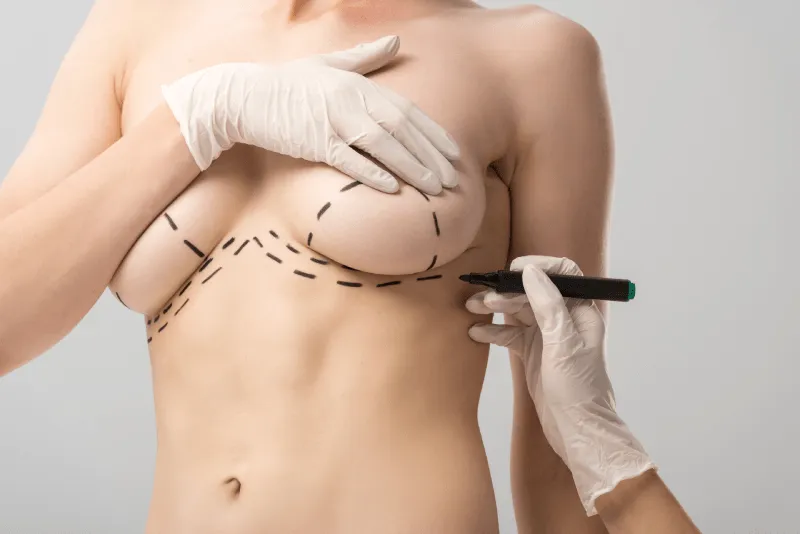
Initially, the marking of incision sites is performed with you in a standing position. This ensures accurate placement and symmetry, accounting for natural breast shape and gravity. The surgeon will meticulously map out the planned incisions – whether areolar, inframammary, or transaxillary – based on your anatomy and the agreed-upon surgical plan. This is a crucial step, and experienced surgeons in Turkey prioritize precision, understanding that subtle adjustments here significantly impact the final aesthetic outcome.
Next, anaesthesia is administered. The choice – local with sedation, or general anaesthesia – is determined during your pre-operative consultation, considering your medical history and preferences. Turkish clinics offer comprehensive anaesthetic evaluations to ensure patient safety, a level of care often exceeding that found even in Western European facilities, despite the vastly lower overall cost.
Once you are comfortably anaesthetised, the surgeon creates the chosen incision(s). The technique employed is tailored to minimize scarring and optimize implant placement. Following incision, a pocket is carefully dissected, either over or under the pectoral muscle, again determined during the planning phase. The decision regarding implant placement profoundly affects the appearance and feel of the augmented breasts. Submuscular placement generally offers better support and a more natural look, while over-the-muscle placement provides quicker recovery and a softer feel. Skilled surgeons in Turkey expertly manage both techniques.
With the pocket created, the breast implant is carefully inserted. Sterile saline is used to assess the pocket size and ensure proper implant positioning. This step requires meticulous attention to detail to prevent complications and achieve symmetry. The surgeon will frequently manipulate and adjust the implant to achieve the desired aesthetic result.
Following implant placement, thorough irrigation with sterile saline is performed to remove any debris or residual fluids. This is critical for minimising the risk of infection. Haemostasis – controlling bleeding – is then achieved through careful cauterisation.
The next stage involves closing the incisions. Surgeons employ layered closure techniques, using absorbable sutures to minimise visible scarring. The type of suture and closure technique varies based on the incision location and skin tension. Turkish surgeons are renowned for their meticulous wound closure skills, leading to aesthetically pleasing and discreet scars.
Finally, a sterile dressing is applied, and a surgical bra is fitted. This provides support, minimises swelling, and aids in proper healing. You will be closely monitored in the recovery room until you are stable and comfortable. Post-operative pain management is also initiated.
It’s important to understand that while the procedure itself is relatively standardised, the surgeon’s skill and experience are paramount. Choosing a qualified and board-certified plastic surgeon in Turkey, with a proven track record, is vital. The savings you achieve – often allowing you to combine your surgery with a relaxing holiday – should not compromise the quality of care. In fact, many clinics in Turkey offer all-inclusive packages that cover surgery, accommodation, and post-operative care, providing a seamless and stress-free experience. Consider that the same high-quality surgery in France or Germany could easily cost €8,000 – €12,000 or more, whereas in Turkey, you could expect to pay between €2,500 – €5,000, representing a substantial financial benefit without sacrificing safety or results.
> 📉 Cost Comparison: A simple procedure that costs €5,000 in Germany might cost only €1,500 in Turkey with CureHoliday. Why pay more for the same quality?
Pre-Operative Consultation & Planning
The pre-operative consultation and planning phase is arguably the most critical stage of your breast augmentation journey in Turkey. It’s far more than simply discussing your desired cup size; it’s a comprehensive assessment of your anatomy, health, and expectations to ensure a safe, successful, and satisfying outcome. This process differs significantly from what you might experience in countries like Germany or France, where consultations are often rushed due to time constraints and higher overheads. In Turkey, clinics prioritize thoroughness, often dedicating several hours to this initial meeting.
The first step is a detailed medical history review. Your surgeon will inquire about pre-existing medical conditions, allergies, medications (including over-the-counter drugs and supplements), previous surgeries, and family history of breast cancer or other relevant conditions. Complete honesty is paramount, as certain conditions may affect your suitability for surgery or necessitate specific precautions. Be prepared to discuss your lifestyle, including smoking and alcohol consumption, as these factors can influence healing.
Next comes the physical examination. This involves a thorough assessment of your breast tissue, skin elasticity, nipple position, and overall body proportions. The surgeon will evaluate your breast asymmetry (if any), chest wall shape, and the quality of your existing breast tissue. Measurements are taken to establish a baseline and aid in determining the appropriate implant size and shape. This meticulous approach is often more extensive than what is standard practice in Western European countries, where cost pressures can limit consultation time.
Discussing your aesthetic goals is crucial. Bring photos of the breast size and shape you desire, but understand these are just starting points. The surgeon will use 3D imaging technology to simulate potential outcomes, allowing you to visualize how different implant sizes and profiles will look on your body. This is a valuable tool, particularly when comparing the experience to clinics in countries like France, where such advanced visualization techniques aren’t always readily available.
Implant selection is a collaborative process. Your surgeon will explain the different types of implants – saline, silicone gel, and occasionally, newer alternatives – outlining the pros and cons of each. They will discuss the various profiles (low, moderate, high) and shapes (round, teardrop/anatomical) and how these choices will impact the final result. Understanding the cohesive gel technology within silicone implants is important, as it affects the “natural feel” and potential for rippling.
Crucially, the consultation should cover incision techniques and implant placement. The surgeon will explain the advantages and disadvantages of areola, inframammary, and transaxillary incisions, and whether over-the-muscle or under-the-muscle placement is recommended for *your* anatomy. This is where a skilled surgeon’s experience shines; they will tailor the approach to maximize aesthetic results and minimize complications.
Pre-operative tests, including blood work, ECG, and potentially mammography or ultrasound (depending on your age and medical history), will be ordered. These tests are essential to ensure you are fit for surgery and to identify any potential risks.
Finally, a detailed discussion of costs will take place. It’s here where the significant financial benefits of choosing Turkey become apparent. Patients travelling from Europe – particularly Germany, France, and the UK – routinely save 60-70% on the total cost of breast augmentation, *without* compromising on quality or safety. In fact, many Turkish clinics boast state-of-the-art facilities and internationally trained surgeons, often exceeding the standards found in some European clinics where high operational costs necessitate compromises. The package price typically includes surgeon’s fees, hospital stay, anesthesia, implant cost, pre-operative tests, and post-operative care – all transparently outlined.
Don’t hesitate to ask questions. A reputable clinic will encourage you to voice any concerns you have, no matter how small. This is your body, and your satisfaction is the ultimate goal. A well-executed pre-operative consultation in Turkey isn’t just about preparing for surgery; it’s about building a trusting relationship with your surgical team and ensuring a transformative, positive experience.
> ✨ All-Inclusive Comfort: With CureHoliday, you never walk alone. Our 24/7 patient support ensures you are safe, comfortable, and well-cared for throughout your stay in Turkey.
Anaesthesia Options Explained
Anaesthesia plays a crucial role in ensuring a comfortable and safe breast augmentation experience. Understanding your options is paramount, and in Turkey, patients benefit from modern facilities and highly qualified anaesthesiologists – all at a fraction of the cost compared to Western European countries like Germany or France. Patients regularly save up to 70% on the overall procedure without compromising on quality or safety.
There are primarily three types of anaesthesia used for breast augmentation: local anaesthesia with sedation, monitored anaesthesia care (MAC), and general anaesthesia. The best choice depends on individual patient factors, the surgeon’s preference, and the complexity of the procedure.
Local anaesthesia involves numbing the surgical area with a local anaesthetic injected directly into the breast and around the incision sites. This eliminates pain during the surgery, but the patient remains awake. To enhance comfort, it’s almost always combined with intravenous sedation. This creates a relaxed, drowsy state, minimizing anxiety and discomfort. While suitable for some patients, it may not be ideal for those with significant anxiety or those desiring complete unawareness during the procedure. The cost-effectiveness of Turkish clinics allows for the provision of comfortable sedation even with local anaesthetic procedures, something often reduced in countries where cost pressures are higher.
Monitored Anaesthesia Care (MAC) represents a middle ground. It involves administering anaesthetic drugs intravenously, monitored continuously by an anaesthesiologist. MAC allows the patient to be relaxed and comfortable, potentially even lightly sleeping, while still maintaining spontaneous breathing and responsiveness. The level of sedation can be adjusted throughout the surgery to ensure optimal comfort. This is a popular choice for breast augmentation in Turkey, as it offers a good balance between comfort, safety, and recovery time. Compared to general anaesthesia, MAC often results in a quicker recovery with less post-operative nausea. The advanced monitoring equipment available in Turkish facilities, combined with skilled anaesthesiologists, ensures patient safety throughout the procedure – all while remaining significantly more affordable than equivalent care in, for example, France.
General anaesthesia involves inducing a complete loss of consciousness. The patient is intubated and breathes with the assistance of a ventilator throughout the surgery. This ensures complete pain relief and muscle relaxation, allowing the surgeon to operate without any patient movement or discomfort. While offering the highest level of comfort, general anaesthesia carries slightly higher risks than local or MAC, including those associated with intubation and ventilator support. However, experienced anaesthesiologists in Turkey meticulously assess each patient’s health history to minimize these risks.
Pre-operative assessment is critical, regardless of the chosen anaesthetic method. A thorough medical evaluation, including a review of your medical history, current medications, and any allergies, will be conducted. The anaesthesiologist will discuss the risks and benefits of each option, answer your questions, and tailor the anaesthetic plan to your individual needs.
It’s important to note that the quality of anaesthetic care in Turkey is exceptionally high. Clinics often employ board-certified anaesthesiologists trained in the latest techniques and equipped with state-of-the-art monitoring devices. This commitment to safety and quality, coupled with significantly lower operating costs, makes Turkey a leading destination for medical tourism, particularly for procedures like breast augmentation. Patients who would face lengthy waiting lists or exorbitant prices in countries like Germany find Turkey offers a timely and affordable solution without sacrificing the standard of care.
Post-operatively, pain management is an integral part of the recovery process. Your surgeon will prescribe appropriate pain medication to keep you comfortable during the initial healing phase. Following the anaesthesiologist’s instructions regarding diet and activity levels is also vital for a smooth and uneventful recovery.
> ✨ All-Inclusive Comfort: With CureHoliday, you never walk alone. Our 24/7 patient support ensures you are safe, comfortable, and well-cared for throughout your stay in Turkey.
Incision Techniques: Areola, Inframammary, Transaxillary
The surgical incision is a critical aspect of breast augmentation, influencing both the aesthetic outcome and the post-operative recovery process. Surgeons in Turkey, renowned for their expertise and commitment to patient satisfaction, offer three primary incision techniques: the areola incision, the inframammary incision, and the transaxillary approach. Each technique possesses unique advantages and disadvantages, and the optimal choice depends on individual anatomy, implant type, desired outcome, and the surgeon’s recommendation.
The areola incision, also known as the periareolar incision, is frequently favored for its cosmetic subtlety. The incision is strategically placed along the natural pigmentation line where the areola meets the breast tissue. This placement often results in minimal visible scarring, particularly as the scar fades over time. This technique is well-suited for patients with smaller breast size increases and those desiring a natural-looking result. However, it can be more technically challenging for the surgeon, potentially leading to a slightly higher risk of areola distortion or changes in nipple sensation, although experienced surgeons in Turkey minimize these risks through meticulous technique.
The inframammary incision is arguably the most commonly employed technique globally, and remains popular amongst surgeons in Turkey. This involves a small incision made in the natural crease beneath the breast – the inframammary fold. It offers excellent access for implant placement, making it suitable for a wider range of breast sizes and implant types, including larger volumes and textured implants. While the resulting scar is typically visible (though it fades over time and is often concealed by a bra), it is generally considered to be easily camouflaged and naturally blends with the breast contour. Patients considering this approach often benefit from the surgeon’s skill in minimizing scar width and ensuring symmetrical placement.
Compared to the high costs of breast augmentation in Europe – where procedures in countries like Germany and France can easily exceed €8,000 – patients travelling to Turkey for the same procedure with the inframammary technique can save upwards of 70%, receiving comparable, or even superior, care from highly qualified surgeons. This significant cost difference doesn’t compromise quality; rather, it reflects lower operational costs and a favorable exchange rate.
The transaxillary approach represents a less common, yet increasingly refined, technique. This involves an incision made in the armpit – the axilla – through which the implant is inserted. The key benefit is that it leaves no visible scar on the breast itself. However, it requires specialized surgical expertise and is typically limited to the use of saline implants, as silicone implants are more difficult to manipulate through this confined space. It’s also important to note that the transaxillary approach can sometimes result in a slightly higher risk of capsular contracture (hardening of the tissue around the implant) compared to other techniques, though modern surgical protocols in Turkey are designed to mitigate this.
Choosing between these incision techniques is a collaborative process between the patient and the surgeon. During the pre-operative consultation, the surgeon will thoroughly assess the patient’s anatomy, discuss their aesthetic goals, and explain the pros and cons of each option. They will also consider the type of implant being used (saline or silicone, round or teardrop-shaped) and the desired implant placement (over or under the muscle).
It’s crucial to understand that the skill and experience of the surgeon are paramount, regardless of the chosen incision technique. Turkey has rapidly become a global hub for medical tourism, attracting patients seeking high-quality breast augmentation at significantly lower prices than in Western Europe. The savings – often exceeding 70% compared to costs in France or Germany – are substantial, while the standard of surgical care remains exceptionally high. Patients benefit from access to board-certified plastic surgeons, state-of-the-art facilities, and a commitment to patient safety and satisfaction.
> 💡 Price Fact: While this treatment can cost thousands of Euros in Germany, France, or the Netherlands, CureHoliday offers the same high-quality procedure in Turkey for 70% less.
Implant Placement: Over vs. Under the Muscle
The placement of breast implants during augmentation is a crucial decision impacting the aesthetic result, feel of the breasts, and post-operative recovery. Two primary techniques exist: over the muscle (supraperiosteal) and under the muscle (submuscular or subpectoral). Understanding the nuances of each is vital for patients considering breast augmentation in Turkey, where skilled surgeons offer both options at a fraction of the cost compared to clinics in Europe – often a saving of up to 70% without compromising on quality or safety. In countries like Germany or France, these procedures can be prohibitively expensive, whereas Turkey offers world-class care with significant financial benefits.
Over-the-muscle placement involves positioning the implant directly behind the existing breast tissue and mammary gland, resting on top of the pectoralis major muscle. This technique is generally favoured for patients with sufficient natural breast tissue, as it provides adequate coverage for the implant. It’s often preferred for those seeking a more natural-looking result and a softer feel. Recovery tends to be faster and less painful with over-the-muscle placement, as less muscle manipulation is involved. Patients undergoing this procedure in Turkey can often return to light activities within a week or two.
However, over-the-muscle placement may not be suitable for all patients. Individuals with very little natural breast tissue may experience rippling or visible implant edges, especially with saline implants. The implant’s position is also more susceptible to external pressure, potentially leading to displacement over time. While surgeons in Turkey are adept at minimizing these risks through careful implant selection and precise surgical technique, it remains a consideration.
Under-the-muscle placement, conversely, involves positioning the implant beneath the pectoralis major muscle. This creates a more substantial layer of tissue coverage, minimizing the risk of rippling and providing a more natural-looking projection, particularly for patients with limited breast tissue. This technique also offers better long-term support and can minimize the visible effects of gravity over time.
For patients who are physically active or have thinner skin, under-the-muscle placement can be particularly beneficial. It’s a standard approach in Turkey for achieving a more stable and long-lasting result. However, recovery from under-the-muscle augmentation is typically longer and more painful than over-the-muscle placement, as the muscle needs time to heal around the implant. Expect a more extended period of discomfort and restricted activity.
The choice between these two techniques isn’t solely based on tissue availability. Patient anatomy, desired aesthetic outcome, and lifestyle factors all play a role. During the pre-operative consultation in Turkey, your surgeon will thoroughly assess your individual needs and discuss the pros and cons of each approach. They will utilize 3D imaging and sizers to help you visualize the potential results with both placement options.
It’s crucial to understand that the skill of the surgeon is paramount, regardless of the chosen technique. Surgeons in Turkey specializing in breast augmentation undergo rigorous training and possess extensive experience in both over-the-muscle and under-the-muscle placement. They leverage cutting-edge technology and adhere to international safety standards. This expertise, combined with significantly lower operating costs, makes Turkey a premier destination for high-quality, affordable breast augmentation.
Consider the financial implications. A similar procedure in Germany or France can easily exceed €8,000 – €12,000, while in Turkey, including travel and accommodation, the total cost often falls between €3,000 – €5,000. This substantial saving allows you to prioritize experienced surgeons and comprehensive care without exceeding your budget.
Ultimately, the optimal implant placement technique is one that is tailored to *your* unique anatomy and goals, delivered by a qualified and experienced surgeon – a combination readily available and affordable in Turkey.
> 🏥 CureHoliday Advantage: We don’t just book your treatment; we manage your entire journey. From VIP airport transfers to 5-star hotel accommodation, everything is included in your package.
Closing the Incisions & Post-Operative Care
The final stage of the breast augmentation procedure involves meticulous closure of the incisions. The surgeon will employ a multi-layered technique, carefully aligning skin and tissue to minimize scarring. Dissolvable sutures are typically used, eliminating the need for a separate stitch removal appointment – a convenience appreciated by many patients, especially those travelling from abroad. However, some surgeons may use non-dissolvable sutures, particularly for deeper layers, which would necessitate removal approximately 7-10 days post-operatively.
The precision of this closure is crucial, not only for aesthetic results but also for reducing the risk of complications like infection or wound dehiscence. Your surgeon will likely apply surgical tape and a sterile dressing to protect the incisions and promote healing. A surgical bra or compression garment is then fitted. This provides support, minimizes swelling, and helps the breasts settle into their new shape.
Post-operative care begins immediately after waking from anesthesia. You’ll be monitored in a recovery room until stable, and then transferred to your hotel. While many patients choose to stay in Turkey for a week to ten days for comprehensive aftercare, the duration is a personal decision. The significant cost savings – patients often save up to 70% compared to procedures in countries like Germany or France – allows for a more extended, comfortable recovery period without financial strain. In Europe, the same procedure can easily exceed €8,000-€12,000, whereas in Turkey, a comparable level of care, including accommodation and some follow-up appointments, can be achieved for €3,000-€5,000.
The first few days post-surgery are focused on pain management and wound care. Pain medication will be prescribed, and it’s vital to follow the dosage instructions carefully. Expect some discomfort, bruising, and swelling, which are all normal parts of the healing process. Cool compresses can help reduce swelling and alleviate discomfort.
Wound care instructions are specific to your incision type and the surgeon’s preference. Generally, you’ll be advised to keep the incisions clean and dry. Avoid harsh soaps or scrubbing. Your surgeon will demonstrate the proper cleaning technique and provide detailed instructions. It’s important to monitor the incision sites for any signs of infection, such as increased redness, warmth, pus, or fever. Contact your surgeon immediately if you notice any of these symptoms.
Activity restrictions are essential during the initial recovery period. Strenuous activity, heavy lifting, and vigorous exercise should be avoided for at least 6-8 weeks. This allows the implants to settle and the tissues to heal properly. Even seemingly minor activities, like reaching for high shelves, can strain the muscles and affect the outcome.
Follow-up appointments are crucial to monitor your healing progress. Your surgeon will assess the incisions, check for complications, and provide guidance on your recovery. These appointments are typically scheduled at 1 week, 1 month, 3 months, 6 months, and 1 year post-surgery. The comprehensive aftercare packages offered in Turkey often include these follow-up visits, providing peace of mind and continuity of care – something that may be lacking if travelling long distances for a cheaper procedure elsewhere.
Scar management is an ongoing process. While incisions will fade over time, certain techniques, like silicone gel sheeting or topical scar creams, can help minimize their appearance. Discuss these options with your surgeon.
It’s also crucial to be aware of potential long-term considerations. Breast implants are not lifetime devices and may require replacement or revision surgery in the future. Regular self-exams and routine mammograms are essential for monitoring breast health. Choosing a highly qualified and experienced surgeon, such as those readily available in Turkey, significantly reduces the risk of complications and ensures a positive, long-lasting outcome. The combination of skilled surgeons, modern facilities, and affordable pricing makes Turkey a leading destination for breast augmentation, offering a superior experience compared to the often exorbitant costs associated with procedures in Western Europe.
> ✨ All-Inclusive Comfort: With CureHoliday, you never walk alone. Our 24/7 patient support ensures you are safe, comfortable, and well-cared for throughout your stay in Turkey.
The Benefits of Breast Augmentation
Breast augmentation, or mammaplasty, offers a multitude of benefits extending beyond purely aesthetic improvements. While enhancing breast size and shape is a primary motivator, the positive impacts can significantly boost self-esteem, body image, and overall quality of life. Understanding these benefits is crucial when considering the procedure, particularly when evaluating options like seeking treatment in Turkey.
One of the most immediate benefits is improved body proportions. Many women experience dissatisfaction with the symmetry or balance of their figure, especially after weight loss, pregnancy, or simply due to natural variations. Breast augmentation can restore a more harmonious silhouette, leading to greater confidence in clothing and appearance. This isn’t about conforming to an ideal; it’s about achieving *personal* aesthetic goals.
Beyond the visual, breast augmentation can have a profound psychological impact. Women who have always felt self-conscious about underdeveloped breasts, or those experiencing changes after life events, often report a significant increase in self-esteem and a reduction in anxiety. Feeling comfortable and confident in one’s own skin is a powerful benefit, influencing social interactions, relationships, and career opportunities.
The procedure addresses issues related to volume loss. This can be particularly impactful for women who have experienced breast changes following pregnancy and breastfeeding. While breastfeeding is a beautiful and natural process, it can often lead to a decrease in breast volume and a loss of youthful fullness. Augmentation can restore lost volume, helping women feel more like themselves again.
However, accessing these benefits can be financially prohibitive in many Western European countries. In Germany, France, and similar nations, the cost of breast augmentation, including surgeon’s fees, anesthesia, hospital stays, and post-operative care, can easily exceed €8,000 – €12,000.
This is where Turkey presents a compelling alternative. Highly qualified and experienced surgeons in Turkey offer the same high standards of care, utilizing advanced techniques and FDA-approved implants, at a fraction of the cost. Patients consistently save 60-70% on their overall expenses – a substantial difference. This isn’t about compromising quality; it’s about leveraging a favorable exchange rate and lower operational costs.
The savings allow patients to not only afford the procedure but also to comfortably cover travel and accommodation expenses, turning the experience into a relaxing recovery period in a beautiful destination.
Furthermore, Turkish clinics often offer all-inclusive packages, streamlining the process and providing peace of mind. These packages typically include pre-operative evaluations, the surgery itself, anesthesia, hospital stay, post-operative garments, and even follow-up appointments.
It’s important to note that breast augmentation isn’t limited to simply increasing size. It can also correct asymmetry, addressing noticeable differences between the breasts. This can be achieved through careful implant selection and placement, resulting in a more balanced and natural-looking outcome.
For women who have experienced tubular breast deformity – where the breasts are narrow and conical – augmentation can create a fuller, more rounded shape. Combined with a lift, if necessary, this can dramatically improve the overall aesthetic result.
Finally, the long-term benefits should not be overlooked. While implants aren’t lifetime devices and may require replacement after 10-15 years, the initial improvement in self-confidence and body image can last a lifetime. Choosing a reputable clinic, whether in Europe or Turkey, with experienced surgeons is paramount to ensuring a successful and satisfying outcome. The affordability of Turkish clinics, coupled with their commitment to quality, makes it an increasingly popular and viable option for women seeking to enhance their lives through breast augmentation.
> 💡 Price Fact: While this treatment can cost thousands of Euros in Germany, France, or the Netherlands, CureHoliday offers the same high-quality procedure in Turkey for 70% less
Free Consultation
Fill out the form below to get your free medical travel plan and price quote.