What Is A Shave-Free Hair Transplant And How Is It Performed?
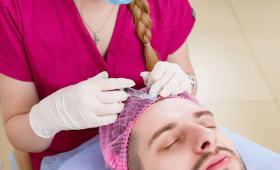
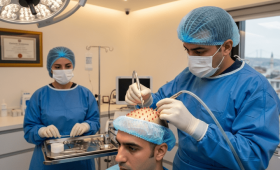
A shave-free hair transplant is a sophisticated surgical technique where hair follicles are extracted and implanted without the need to shave the entire scalp. In this procedure, the surgeon identifies a small, discrete “window” in the donor area, typically at the back of the head, or performs extraction between existing long hairs. These follicles are then meticulously placed into the thinning areas. Because the surrounding hair remains long, it naturally covers the treated spots immediately after the surgery. This method requires specialized equipment and a high degree of surgical precision to navigate around existing hair without causing damage.
Who Are The Best Candidates For A Shave-Free Hair Transplant?
The ideal candidates for this technique are individuals experiencing localized thinning, those looking to lower a receding hairline, or women who cannot commit to a full-head shave. It is particularly effective for patients who require a moderate number of grafts—usually up to 3,000—and who prioritize absolute discretion. If your profession requires you to be in the public eye or if you simply prefer to keep your aesthetic choices private, this method is designed for you. A thorough consultation with a specialist is necessary to determine if your donor hair density and hair type are suitable for this more intricate extraction process.
How Does Not Shaving The Hair Affect The Operation Process?
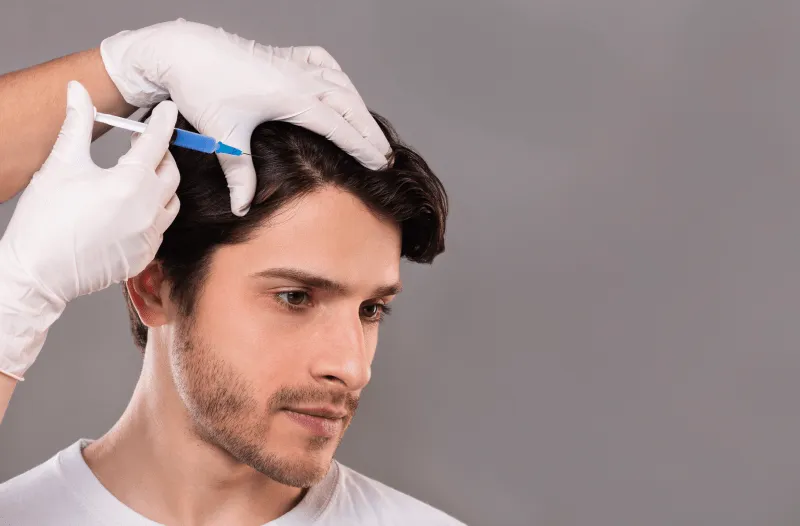
Foregoing the shave significantly increases the complexity for the surgical team. Working with long hair requires the surgeon to be much more deliberate and slow, as they must carefully separate the strands to reach the scalp for both extraction and implantation. This often results in a longer operative time compared to traditional methods. However, for the patient, the experience is significantly more comfortable post-operatively. Instead of facing a completely bald appearance, you leave the clinic looking very similar to how you arrived, with the new grafts hidden beneath your existing hair.
Which Techniques Are Used In Shave-Free Hair Transplantation?
The primary techniques utilized in shave-free procedures are DHI (Direct Hair Implantation) and Unshaven FUE (Follicular Unit Extraction). In the DHI method, a specialized tool called the “Choi Pen” allows for simultaneous channel opening and graft placement, which is ideal for working between long hairs. Unshaven FUE involve harvesting follicles from a small, hidden strip in the donor area which is then covered by the hair above it. Both techniques focus on minimizing tissue trauma and ensuring that the newly implanted hair grows in the most natural direction and density possible.
Why Is The DHI Method More Popular For Shave-Free Procedures?
DHI has gained immense popularity for shave-free transplants because of its “all-in-one” approach. Traditional FUE requires the surgeon to first open channels and then place the grafts, which can be difficult when long hair is in the way. The Choi Pen used in DHI protects the grafts from environmental factors and allows the surgeon to see the exact angle and direction of existing hairs more clearly. This leads to higher graft survival rates and a much more seamless integration with your natural hair. Furthermore, DHI typically involves less bleeding and a faster healing time for the scalp.
What Are The Advantages Of This Method For Long-Haired Individuals?
For those with long hair, the biggest advantage is the immediate concealment of the procedure. The donor area, where the roots are harvested, is effectively masked by the hair falling from above. Likewise, the recipient area—where the thinning was present—is shielded by the existing length of the hair. This eliminates the “awkward phase” associated with hair transplants where the hair is patchy or extremely short. It also allows patients to avoid the psychological distress of losing their established look, making the transition to fuller hair feel like a natural, gradual thickening rather than a sudden change.
What Is The Recovery Process Like After A Shave-Free Hair Transplant?
The recovery period is remarkably fast due to the minimally invasive nature of DHI and Unshaven FUE. Within the first 24 to 48 hours, tiny crusts begin to form at the extraction and implantation sites. Because your hair is not shaved, these crusts are almost entirely invisible to the naked eye. Most patients report that any redness or minor swelling subsides within 3 to 5 days. By the tenth day, the crusts typically fall off during washing, leaving the scalp looking healthy. Throughout this period, you can go about your daily activities with very few people noticing you’ve had surgery.
Is Pain Or Discomfort Felt During The Procedure?
Patient comfort is a top priority in modern hair restoration. Shave-Free Hair Transplants are performed under local anesthesia, ensuring that the scalp is completely numb before any work begins. Many advanced clinics also offer “painless anesthesia” delivery systems or mild sedation for those who are nervous about needles. Once the anesthesia takes effect, the patient feels no pain at all and can spend the duration of the procedure watching movies, listening to music, or even napping. Post-operative discomfort is usually very mild and easily managed with standard over-the-counter pain relief.
How Is The Original Donor Area Concealed In Shave-Free Transplantation?
The concealment of the donor area is achieved through strategic harvesting. The surgeon usually selects a horizontal strip at the back of the head, between the ears, where the hair is thickest. Only the hair within this specific narrow strip is shortened to allow for extraction. As soon as the procedure is finished, the longer hair from the upper part of the scalp is combed down over this area. Unless you explicitly lift your hair and look closely, the donor site remains completely hidden from view, allowing you to maintain your usual hairstyle from day one.
How Is Shave-Free Hair Transplantation Applied To Women?
Female hair transplantation is almost exclusively performed using shave-free techniques, as shaving a woman’s head is rarely an acceptable option. The process focuses on hair thinning at the part-line or temples. Using the DHI technique, surgeons can “densify” these areas by placing new follicles between the existing ones. Since women typically have longer hair, the camouflage effect is even more pronounced. This approach provides a permanent solution to female pattern baldness while respecting the patient’s aesthetic needs and preserving their femininity throughout the healing process.
How Many Grafts Can Be Transplanted In A Single Shave-Free Session?
The number of grafts in a shave-free session is generally limited by the time-intensive nature of the technique. Typically, a skilled team can transplant between 1,500 and 3,000 grafts in one day. If a patient requires more extensive coverage (e.g., 4,000+ grafts), the procedure might be split over two consecutive days or planned in two separate stages a few months apart. This ensures that the quality of each graft remains high and that the surgeon does not experience fatigue, which is crucial for the delicate work of navigating through unshaven hair.
What Is The Success Rate Of Shave-Free Hair Transplantation?
When performed by an experienced clinical team using DHI or FUE, the success rate is exceptionally high—often exceeding 95%. Success in hair transplantation is measured by the percentage of transplanted follicles that successfully “take” and grow permanent hair. The shave-free method does not inherently reduce this rate; in fact, the use of DHI can sometimes improve survival because the grafts spend less time outside the body. The key to success lies in the surgeon’s ability to handle the follicles gently and place them at the correct depth and angle to ensure proper blood supply.
How Long Does It Take To Return To Social Life?
One of the most compelling reasons to choose a shave-free transplant is the near-instant return to social life. Most patients are comfortable returning to work or meeting friends within 48 hours of the procedure. While traditional transplants often require 2 weeks of “hiding” due to the shaved head and visible scabbing, the shave-free patient can use their existing hair as a natural veil. Aside from a few days of avoiding heavy exercise or direct sunlight, your social schedule can remain virtually unchanged, making this the perfect “weekend” procedure for busy professionals.
How Is The First Wash Done After A Shave-Free Hair Transplant?
The first wash is a critical step and is usually performed at the clinic 48 hours after the operation. A specialized foam or lotion is applied to the recipient area to soften the crusts, followed by a very gentle rinse with lukewarm water. Because the hair is long, extra care must be taken to ensure that the strands do not pull on the newly implanted grafts. The clinical staff will demonstrate the “patting” motion used for drying and provide you with a pH-balanced shampoo to use at home. Proper washing prevents infection and ensures the grafts remain securely in place.
How Does The Shock Loss Process Work In Shave-Free Transplantation?
“Shock loss” is a normal physiological response where the newly transplanted hair shafts fall out a few weeks after the procedure. This happens because the follicles enter a temporary resting phase due to the trauma of relocation. In a shave-free transplant, this phase is much less noticeable because your original, non-transplanted hair remains at its full length. While the new tiny hairs may shed, you won’t look “thinner” than you did before the surgery. After about 3 to 4 months, the follicles “wake up” and begin producing permanent, healthy hair that will continue to grow for a lifetime.
When Will The New Hair Grow Back Completely?
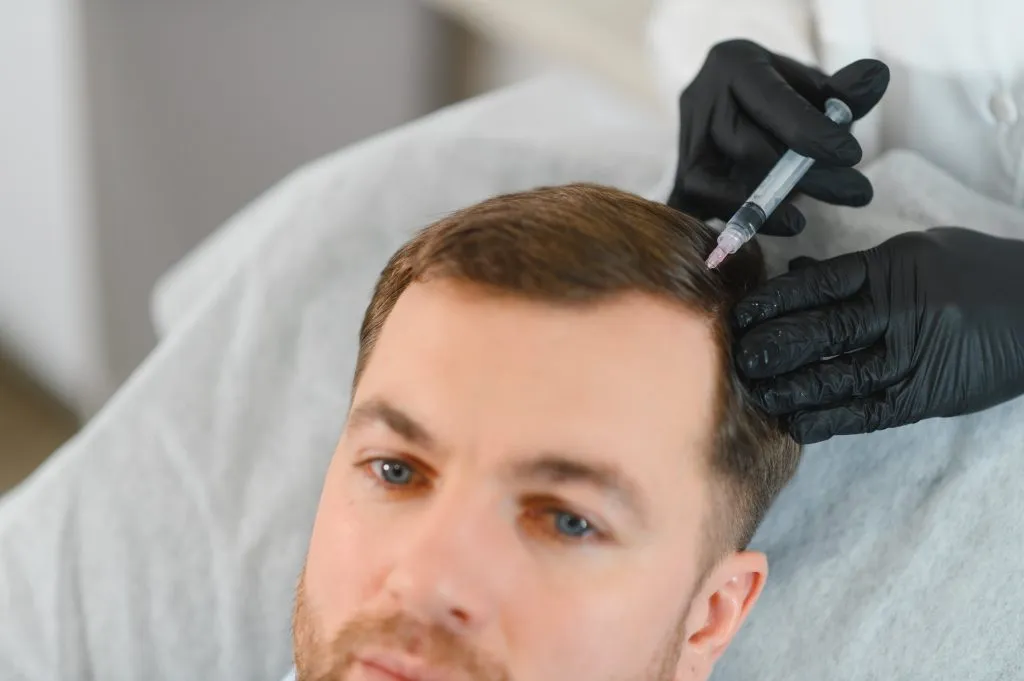
Hair growth is a gradual process that requires patience. After the shock loss phase ends at month three, you will begin to see fine, new hairs emerging from the scalp. By month six, about 50-60% of the final result is usually visible, and the hair begins to gain significant thickness and length. The full, final result of a shave-free hair transplant is typically achieved between 12 and 18 months. The beauty of the shave-free approach is that you can watch your hair get thicker month by month without ever having to go through a period of being bald.
Is There A Risk Of Damaging Existing Hair Follicles?
The risk of “over-harvesting” or damaging neighboring follicles (known as transection) is a valid concern that can be mitigated by choosing an expert surgeon. In a shave-free transplant, the surgeon must be able to visualize the angle of the hair roots beneath the skin without the aid of a shave. This requires immense skill and the use of high-magnification loupes. When performed correctly, there is no damage to your existing hair; in fact, the increased blood flow to the scalp during the healing process can sometimes even revitalize surrounding weak hairs, leading to a generally healthier scalp environment.
How Many Hours Does A Shave-Free Hair Transplant Operation Take?
Expect a shave-free operation to last between 6 and 9 hours. The extra time is dedicated to the careful management of long hair during both the extraction and implantation phases. Every graft must be handled with extreme care to avoid tangling or displacement. To make the time pass comfortably, clinics provide luxury amenities, including entertainment systems and gourmet meals during breaks. While it is a long day, the benefit of walking out with your hair intact and no visible signs of surgery makes the duration a worthwhile trade-off for most patients.
What Should Hair Care Be Like Before The Operation?
Preparation starts about a week before your appointment. You should avoid blood-thinning medications (like aspirin), herbal teas, and smoking, as these can affect blood flow and healing. For a shave-free procedure, it is actually recommended that you do not cut your hair for several weeks leading up to the surgery; having longer hair provides better camouflage for the donor site. On the morning of the procedure, wash your hair with a simple shampoo and avoid any styling products like gels, waxes, or sprays. Arriving with a clean scalp is essential for maintaining a sterile surgical environment.
Why Do Shave-Free Hair Transplant Prices Vary?
The cost of a shave-free hair transplant is typically higher than a standard FUE procedure. This reflects the increased time required for the surgery, the specialized expertise of the medical team, and the use of advanced tools like DHI pens. Prices can also vary based on the number of grafts needed and the reputation of the clinic. When comparing costs, it’s important to look at the “all-inclusive” value—often these procedures include post-op medications, PRP therapy, and VIP transfers. Investing in a high-quality shave-free procedure often saves money in the long run by avoiding the need for corrective surgeries.
How Is The Natural Direction Of The Transplanted Hair Determined?
The “art” of hair transplantation lies in mimicking nature. In a shave-free procedure, the surgeon has the advantage of seeing exactly how your natural hair grows. They use the existing hair as a 3D blueprint to determine the precise angle (usually 10 to 45 degrees) and direction of the new grafts. This is especially vital at the hairline and crown, where hair grows in specific patterns or “swirls.” By aligning the new follicles with your original growth pattern, the result becomes indistinguishable from your natural hair once it reaches full length.
When Can You Start Exercising After The Operation?
While you may feel fine, your body needs time to anchor the new grafts. For the first 7 days, you should avoid any activity that increases your heart rate or causes sweating. After the first week, light walks are encouraged. By the second week, you can resume moderate activities like jogging or yoga. However, heavy weightlifting and high-intensity interval training (HIIT) should be avoided for at least one month. It is also crucial to avoid contact sports for 3 months, as any direct blow to the head could permanently damage the newly transplanted follicles.
Does Sunlight Harm The Newly Transplanted Hair?
Direct sunlight can be harmful to the sensitive, healing skin of the scalp and the delicate new grafts. For the first two weeks, you should avoid prolonged sun exposure. If you must be outside, stay in the shade or wear a very loose-fitting hat that does not touch the recipient area. Sunburn on the scalp can cause inflammation and scarring, which may hinder the growth of the new hair. After the first month, the scalp is usually resilient enough for normal sun exposure, but it’s always a good idea to protect your investment with a hat during peak sun hours.
How Do Smoking And Alcohol Consumption Affect The Results?
Smoking and alcohol are the enemies of good surgical outcomes. Nicotine constricts blood vessels, reducing the amount of oxygen and nutrients that reach the scalp. This can lead to poor graft survival and slow wound healing. Alcohol thins the blood, which increases the risk of bleeding during the procedure and can lead to more significant swelling afterward. For the best possible results, patients are strongly advised to stop smoking at least two weeks before and after the surgery, and to avoid alcohol for at least 10 days post-operatively.
How Should The Sleeping Position Be Adjusted?
For the first 10 days, you should sleep on your back with your head elevated at a 45-degree angle. This is best achieved by using two or three pillows or a recliner chair. Elevating the head helps reduce post-operative swelling (edema) and prevents the recipient area from accidentally rubbing against the pillow. Since your hair is not shaved, the long strands provide a slight cushion, but you must still be careful. Avoid sleeping on your stomach or side, as this can put pressure on the grafts and potentially dislodge them before they have fully taken root.
How Long Should Patients From Abroad Stay?
International patients traveling for a shave-free hair transplant should plan for a 3 to 4-day stay. Day 1 is for your arrival and initial consultation. Day 2 is the procedure day. Day 3 is for rest and a quick check-up. Day 4 involves the final clinical wash and a detailed briefing on how to care for your hair at home before heading to the airport. Turkey, and specifically Cure Holiday centers, have perfected this timeline to ensure that you are medically cleared and comfortable before your flight back home, often including VIP transport to make the journey seamless.
What Are The Risks Of Complications In Shave-Free Procedures?
In a professional clinical setting, complications are extremely rare. Possible minor issues include temporary swelling, itching, or mild redness, all of which are part of the natural healing process and disappear within days. The risk of infection is minimized through the use of sterile equipment and post-operative antibiotics. The most significant “risk” is simply an unsatisfactory aesthetic result if the surgeon is not an expert in the shave-free technique. Choosing a clinic with a proven track record, like Cure Holiday, ensures that these risks are managed and that your safety and satisfaction are the top priorities.
Can PRP Treatment Be Combined With Shave-Free Hair Transplantation?
Combining PRP (Platelet-Rich Plasma) therapy with a shave-free transplant is highly recommended. During the procedure, a small amount of your own blood is drawn, processed to concentrate the platelets, and then injected into the scalp. These platelets are rich in growth factors that stimulate tissue repair and strengthen hair follicles. PRP can significantly speed up the healing of the scalp, reduce redness, and give the newly transplanted grafts a “boost” to start growing more robustly. It also helps to maintain and thicken your existing non-transplanted hair.
Why Is Frontal Hairline Design So Critical?
The hairline is the frame of your face. A poorly designed hairline—one that is too straight or too low—is the most common sign of a “fake” hair transplant. In shave-free procedures, the surgeon works with you to design a hairline that matches your age, facial structure, and the natural density of your hair. We aim for a “macro-irregularity” that mimics the subtle imperfections of a natural hairline. Because we don’t shave your hair, we can see exactly where your original hairline was and restore it to its former glory with perfect symmetry and naturalness.
From Which Day Can You Start Wearing A Hat?
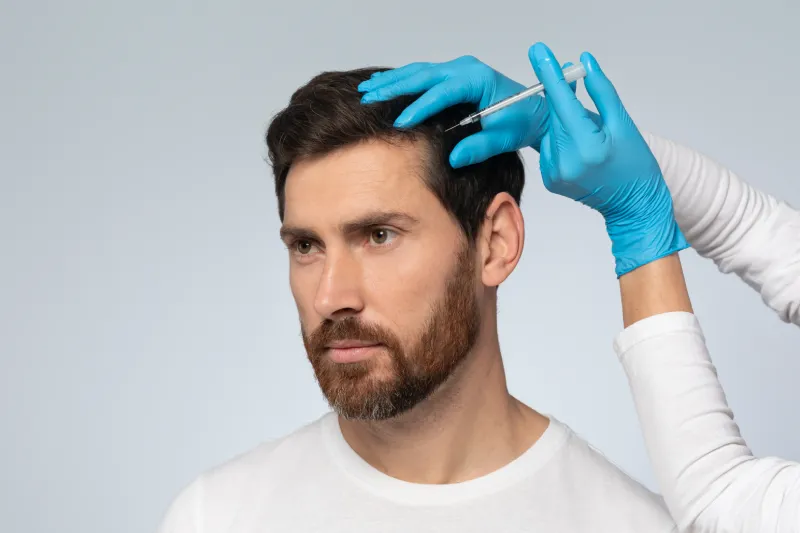
You can usually wear a hat starting from the 10th day after the procedure, once the initial healing of the grafts is complete and the crusts have been washed away. However, the type of hat matters. You should choose a loose-fitting bucket hat or a wide-brimmed hat that does not apply pressure to the recipient area. Avoid tight baseball caps or wool beanies for at least the first month. Wearing a hat is a great way to protect the scalp from the sun and to keep the procedure even more private while the hair is in its early growth phases.
Is Shave-Free Hair Transplantation A Permanent Solution?
Yes, the results of a shave-free hair transplant are permanent. The hair follicles harvested from the back of the head (the donor area) are genetically programmed to be resistant to the hormone DHT, which is responsible for male pattern baldness. Once these follicles are successfully moved to the thinning areas, they retain this genetic resistance for the rest of your life. While your natural, non-transplanted hair may continue to thin over the decades, the transplanted hair will continue to grow, providing a lifetime of confidence and a youthful appearance.
How Does The Hair Transplant Process Begin With Cure Holiday?
Your journey to a fuller head of hair with Cure Holiday starts with a simple, free online consultation. You can send photos of your hair from different angles to our medical consultants, who will then coordinate with our surgeons to provide a detailed analysis. We will determine if you are a candidate for the shave-free technique and provide an estimate of the number of grafts required. From there, we handle everything: booking your luxury accommodation, arranging VIP transfers from the airport, and scheduling your surgery in our state-of-the-art facilities. We make the entire process stress-free and transparent from the very first click.
Why Is Cure Holiday A Leader In Shave-Free Hair Transplantation?
Cure Holiday has earned its reputation as a leader by focusing on the intersection of medical mastery and patient experience. Our surgeons are pioneers in the DHI and Unshaven FUE techniques, having performed thousands of successful shave-free procedures for patients from all over the world. We don’t believe in “one size fits all” hair transplants; instead, we customize every procedure to the individual’s unique hair type and aesthetic goals. By using the latest technology and maintaining a commitment to ethical, patient-centered care, Cure Holiday has become a trusted name for those seeking the highest quality in hair restoration.
What Are The Unique Advantages Of Choosing Cure Holiday?
When you choose Cure Holiday, you are choosing a comprehensive “health tourism” experience that prioritizes your comfort. Our unique advantages include access to world-renowned surgeons, 5-star hotel accommodations, and a dedicated 24/7 personal assistant who speaks your language. We also offer an industry-leading follow-up program, where we monitor your hair growth progress for up to 12 months after the procedure. Our “all-inclusive” packages mean there are no hidden costs; you get the best medical care, the best technology (including Sapphire FUE and DHI), and the best service at a fraction of the cost you would find in the US or UK.
How Can You Achieve Your Dream Hair With Cure Holiday?
Achieving your dream look is just a conversation away. By choosing Cure Holiday for your shave-free hair transplant, you are investing in a version of yourself that is more confident, vibrant, and youthful. Our team is dedicated to making sure you feel supported every step of the way—from the moment you land in Turkey to the day you see your full results in the mirror. Don’t let hair loss hold you back any longer. Contact Cure Holiday today, and let us show you how easy and life-changing a professional, discreet hair transplant can be. Your transformation starts here.
Conclusion: Shave-free hair transplantation represents the pinnacle of modern aesthetic technology, offering a solution that is as discreet as it is effective. By allowing you to maintain your current look while preparing for a thicker, fuller future, this method removes the final barrier to hair restoration. Whether you are a professional needing to stay active or someone who simply values their privacy, the shave-free approach ensures that your hair transplant is your own secret. With the right technique, an expert team, and a personalized plan, you can regain your former look and your confidence without ever having to pick up a razor.
Free Consultation
Fill out the form below to get your free medical travel plan and price quote.