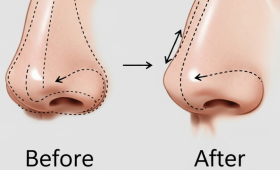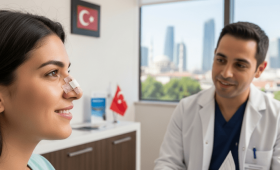
Embarking on a cosmetic surgery journey is a significant decision that affects not only your physical appearance but also your self-confidence and overall well-being. The most critical step in this process is choosing the right surgeon—one who understands your vision, prioritizes your safety above all else, and possesses the skills to meet your expectations. While there are many options available in the market, every doctor’s area of expertise and level of experience is not the same. In this guide, you will find the most important questions to ask during a consultation with a cosmetic surgeon and the scientific and ethical reasons behind these questions. Asking the right questions not only protects you from potential complications but also maximizes your chances of achieving the results you dream of.
What is the Surgeon’s Area of Specialization?
When choosing a cosmetic surgeon, the first question you should ask is what field the surgeon specialized in after their basic medical education. Aesthetic operations require a deep mastery of the finest details of body anatomy. You need to clarify whether your surgeon has a formal specialization in plastic, reconstructive, and aesthetic surgery. In an era where doctors from other branches can also perform aesthetic procedures, working with a specialist focused solely on this field will directly increase your surgical success rate. Branch specialization is the most basic proof that the doctor has in-depth knowledge of the tissue structure, vascular pathways, and healing processes in that specific area.
Are There Board Certifications in the Relevant Field?
Board certification means that a surgeon has proven their professional competence according to international or national standards. You should ask your surgeon if they hold certifications issued by specialized medical boards or associations. These certificates demonstrate that the doctor is regularly audited, acts in accordance with medical ethics, and follows up-to-date surgical techniques. An uncertified practice, even if legal, may raise questions regarding safety standards. Therefore, you should not hesitate to request these documents and even verify their validity on the official websites of the relevant institutions.

How Many Years of Experience in the Desired Operation?
Experience is the most valuable asset in surgery. Rather than the surgeon’s total years in the profession, you should ask how many years they have been working on the specific operation you want (for example, rhinoplasty or breast augmentation). A surgeon may be very senior in general plastic surgery but may not have practiced enough in the modern technique you desire. A doctor who has managed similar cases over many years is better prepared for unexpected situations that may develop during surgery. Experience represents the time required to develop an aesthetic eye as well as manual dexterity.
How Many Times Has This Specific Surgery Been Performed?
Numbers do not lie. Asking your surgeon, “How many times have you done this surgery to date?” allows you to measure their level of mastery in that procedure. The difference in muscle memory and technical mastery between a procedure performed once a month and one performed several times a week is quite large. Especially when it comes to complex revision surgeries or delicate face-lift operations, it is reassuring that the surgeon has a high number of cases. A surgeon who has seen a large number of cases can much better analyze which method will give the best result in different body types.
Is it Possible to Review Before and After Photos?
A surgeon’s past work is the best indicator of their future performance. You should ask your surgeon to show you “before and after” photos of patients with similar body structures or similar problems to yours. When examining these photos, you should focus on whether the lighting is honest, the naturalness of the patients’ results, and the surgeon’s general aesthetic understanding. The photos will reveal not only the surgeon’s technical success but also how compatible they are with your aesthetic taste. If a surgeon avoids sharing their portfolio, this should be considered a warning sign.
In Which Medical Center or Hospital Will the Surgery Be Performed?
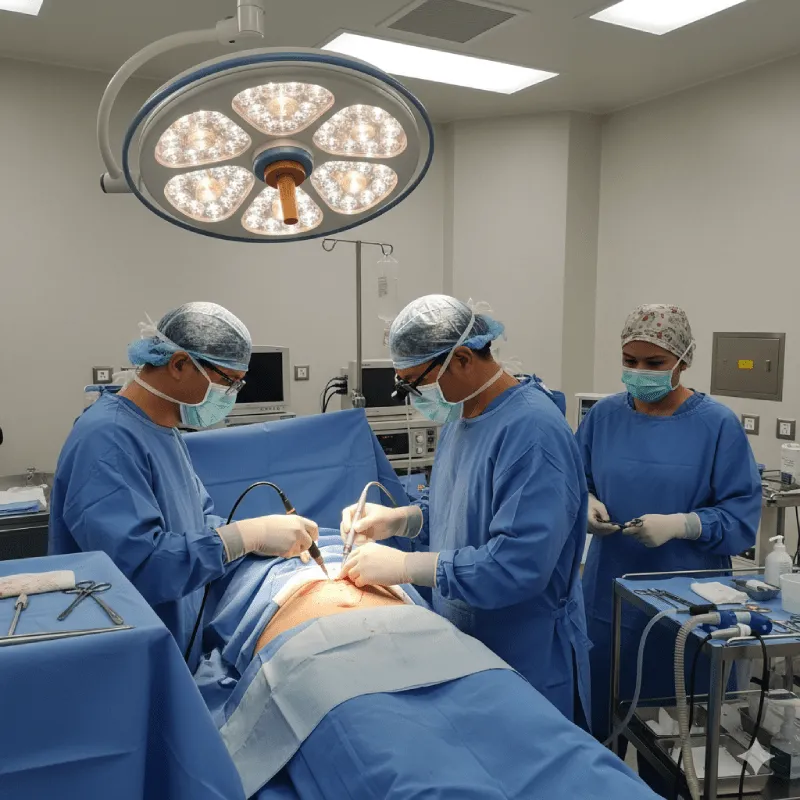
Safety should always come before the aesthetic result. The question of where the surgery will be performed is of vital importance in terms of sterilization standards and emergency intervention capacity. It should be clarified whether a treatment room in the surgeon’s own office or a fully equipped hospital will be preferred. A hospital environment is the safest option against all kinds of risks with its modern anesthesia devices, intensive care units, and expert staff. Major surgeries performed in a small office environment can cause loss of time due to transfer processes in case of complications.
Does the Facility Where the Operation Takes Place Have Accreditation?
It is not enough that it is performed in a hospital; you should also query whether that facility complies with international health standards. Accreditations such as JCI (Joint Commission International) certify that a health facility is at world standards in hygiene, patient safety, and quality management. In accredited facilities, infection risks are minimized and all processes are under strict supervision. By asking your surgeon about the quality certificates the facility has, you can understand how safe the surgical environment is for you with concrete data.
Who Will Assist During the Surgery?
A surgical operation is a team effort. Who is next to the surgeon directly affects the quality of the surgery. The experience of assistant surgeons, nurses, and technicians optimizes the operation time and safety. You should find out if your surgeon has a fixed team or if they work with different personnel in every surgery. A harmonious and experienced team allows the surgeon to focus on their job and reduces the margin of error. The fact that team members are also trained and certified in relevant fields maximizes the quality of patient care.
Who Will Administer Anesthesia and What is Their Competence?
Most of the risks in cosmetic surgery are related to anesthesia management rather than the surgery itself. For this reason, you must ask whether the person administering the anesthesia is a specialist anesthesiologist or an anesthesia technician. A specialist anesthesia doctor monitors your vital functions throughout the surgery and intervenes professionally in instantaneous changes. Getting information about the background and experience of the anesthesia specialist will make you feel much safer on the operating table. Safe anesthesia is also the key to a comfortable awakening process.
Which Surgical Technique is Most Suitable for You?
Every patient is unique, and a standard technique does not always yield the best result. You should ask your surgeon, “Which technique do you recommend for my situation and why?” The surgeon should explain the advantages and disadvantages of the method offered to you. For example, in a nose surgery, whether an open technique or a closed technique will be used affects your healing process and the possibility of scarring. A good surgeon should detail why they chose that method with scientific reasons and by referring to your anatomical features.
What Will the Post-Operative Scarring Situation Be Like?
Theoretically, there is a possibility of scarring wherever there is surgical intervention, but modern techniques focus on hiding these scars. You should ask your surgeon where the incisions will be made and the role of stitching techniques in scar management. It is important to know the surgeon’s ability to hide scars within natural folds or whether they have a plan to minimize scars with additional treatments such as lasers. The scarring process is also related to your genetic structure; therefore, asking how the surgeon obtained results in similar cases in the past puts your expectations on a realistic ground.
How Long Will the Expected Healing Process Take?
The healing process is the most basic information you need to know to plan your social and professional life. You should ask your surgeon how many days you will stay in the hospital after the surgery, when you can get up, and when you can return to your normal life. In addition, details such as when the bruises and swellings will completely disappear are also important. Although the healing process varies from person to person, the average timeline the surgeon will give you helps you prepare psychologically for the process. You should be cautious against surgeons who promise rapid recovery and remember that biological processes require time.
When Can You Return to Work and Exercise?
Post-operative physical restrictions are critical for the speed and quality of recovery. You need to ask your surgeon when you can return to your desk job and, more importantly, when you can start heavy sports. Forceful movements performed in the early period can cause the stitches to open or increase edema. The surgeon offering you a specific activity calendar reduces the risk of post-operative complications. The answer to this question is an element that directly determines your quality of life during the recovery period.
What are the Possible Risks and Complications of the Operation?
No surgical procedure is completely risk-free. An honest surgeon not only tells you about their successes but also details the potential risks and complications you may encounter. You should openly discuss the possibility of situations such as infection, bleeding, anesthesia reactions, or aesthetic dissatisfaction with your surgeon. Knowing the risks in advance allows you to learn strategies for dealing with them. Asking about the surgeon’s complication rates and how they handle these situations is the greatest proof of their professionalism.
What is the Surgeon’s Intervention Plan if a Complication Develops?
How the surgeon reacts when a problem arises is the most basic pillar of your trust relationship. The question “How will the process work if I experience a complication?” measures the surgeon’s crisis management skills. You should find out if you can reach the surgeon or their team 24/7 in case of an emergency after surgery. In addition, you should clarify issues such as the cost of additional surgeries or how hospital expenses will be covered in case of complications. A prepared surgeon should have a pre-determined protocol for every negative scenario.
What Preparations Do You Need to Make Before Surgery?
A successful surgery starts days, even weeks, before the surgery. You should ask your surgeon what you should pay attention to regarding issues such as diet, vitamin use, smoking, and alcohol consumption. Especially smoking can seriously impair the healing process as it affects blood circulation. The surgeon providing you with a detailed preparation list shows the steps they have taken to guarantee the success of the surgery. This preparation phase is an opportunity to best prepare your body for surgical stress.
Are the Medical Materials and Implants Used Approved?
If an implant (for example, a breast prosthesis) or filling material is to be placed in your body, you should ask about the brand and approval status of these products. FDA (U.S. Food and Drug Administration) or CE approved products are materials that have been tested to be biocompatible and safe. The use of cheap or unrecorded materials can lead to tissue rejection or health problems in the long run. Requesting the certificate and warranty document of the product to be used from your surgeon guarantees the reliability of the foreign substances that will enter your body.
How Are Post-Operative Follow-Up Appointments Planned?
The process does not end when the surgery is over; what is truly important is the long-term follow-up process. You should ask your surgeon how many times and at what intervals you should come for a check-up after the operation. Periodic checks such as the first week, the first month, the sixth month, and the first year are essential to ensure that the recovery is progressing correctly. The surgeon’s willingness to follow their patients in the long term shows that they stand behind their work and are interested in the final result. You should find out the scope of the follow-up appointments and whether the surgeon themselves or an assistant will perform the checks.
What is Included in the Total Cost?
Pricing in aesthetic surgery can be complex. You should ask one by one what the offer given to you covers (surgeon’s fee, hospital expenses, anesthesia, medications, corsets or special clothing, follow-up appointments). Hidden costs can be annoying later. It is also useful to talk about how the cost will be shared in case of a possible need for revision. Remember that the lowest price is not always the best option; you need to establish a good balance between price and quality, safety, and experience.
How Will Post-Operative Pain Management Be Provided?
Fear of pain causes many patients to hesitate about surgery. You should ask your surgeon how they will control pain after the surgery. In modern medicine, the comfort of patients has been greatly increased thanks to multimodal pain management techniques. You should get information about which medications will be used, the side effects of these medications, and how long the pain will usually last. The surgeon’s sensitivity to pain management is an indication of a patient-oriented approach.
How Much Do Your Expectations and the Surgeon’s Opinion Overlap?
The harmony between the image you dream of and what the surgeon can technically do is the basis of satisfaction. You should ask your surgeon, “Can my expectations really be met with this operation?” An honest surgeon will warn you if your expectations are unrealistic. You must make sure that the surgeon understands your aesthetic vision and blends it with their own aesthetic understanding. In a process where there is a lack of communication, even a technically successful surgery can make you unhappy.
What are the Surgeon’s Patient Satisfaction Rate and Feedbacks?
The experiences of other patients reflect not only the surgeon’s medical success but also their patient relationships. You should examine the surgeon’s reviews on independent platforms and, if possible, ask if you can communicate with their former patients. Of course, every surgeon may sometimes have dissatisfied patients, but the general trend should be positive and how the surgeon approaches negative comments professionally is important. Patient references are social proofs that reinforce the trust you will feel in the surgeon.
Are Modern Surgical Technologies Used in the Operation?
Medicine is advancing every day, and new technologies are making surgery safer and results more precise. You should ask your surgeon if they use lasers, ultrasonic devices (such as piezo), 3D simulation systems, or minimal invasive tools in the operation. For example, while the use of ultrasonic devices in rhinoplasty reduces tissue trauma, 3D simulations allow you to foresee the post-operative image. A surgeon who closely follows technology tends to offer their patients the most up-to-date and least traumatic methods.
What is the Approach and Policy Towards Revision Surgeries?
Even perfect surgeons may sometimes need small touch-ups. You should ask your surgeon what their revision policies are if you are not satisfied with the result or if a medical necessity arises. Details such as whether an additional surgical fee is charged for the revision surgery or how hospital expenses are covered should be clarified. The fact that the surgeon can say “I stand behind my work” and support you in possible revisions is part of a professional ethical stance.
How is the Communication and Feeling of Trust Between You and the Surgeon?
Beyond all technical questions, you should also trust your instincts. You need to ask yourself, “Do I feel comfortable around this surgeon?” A surgeon who patiently answers your questions, does not rush you, and explains every detail builds trust. Aesthetic surgery is a process that requires privacy and trust. If you feel a disconnection in communication or if your questions are being brushed aside, that surgeon may not be the right person for you, no matter how famous they are.
Is Psychological Support Offered Before and After Surgery?
Aesthetic operations are not only a physical but also a psychological change process. You should ask if the surgeon or the clinic will give you emotional support in this process and whether they provide information on issues such as “post-operative depression” or the adaptation process. Especially in operations involving major changes, it may take time for the patient to get used to their new look. A professional team sees the mental health of its patient as part of the operational success.
How Should You Organize Your Travel Plan According to the Surgery?
If you are going to another city or country for surgery, you should talk to your surgeon about the travel logistics. Questions such as “How many days after the surgery can I get on a plane?” or “How long is it safe for me to stay in the city?” are vital. Early flights can increase the risk of blood clots (DVT). Finding out if the surgeon has a special protocol for traveling patients and their suggestions regarding local accommodation options will make your process easier.
How Can I Reach You in Case of Emergencies After Surgery?
The first 48 hours after surgery are the most critical period. You must ask whether there is an emergency line where you can reach the surgeon or directly. When you have a problem, you want to talk to a health professional who knows your situation, not a call center. This accessibility ensures that complications are prevented before they grow. The surgeon’s promise of accessibility is an indication of the importance they attach to patient safety.
What is the Impact of Your Lifestyle on the Results?
The permanence of surgical results largely depends on your lifestyle. You should ask your surgeon how long the results obtained can be maintained and what you need to do to extend this period. Factors such as weight control, skin care, and sun protection determine the life of aesthetic success. The surgeon telling you not only about the surgery but also about the life after proves that they evaluate your health with a holistic approach.
Why Should I Choose You Instead of Another Surgeon?
This question is an opportunity for the surgeon to reveal their own difference and philosophy. In the answer given by the surgeon, honesty, ethical values, and the way they approach the patient are hidden. A surgeon who explains their strong points (technical skill, natural results, patient care, etc.) to you without badmouthing other colleagues is self-confident and professional. This answer is perfect data for you to weigh your compatibility with the surgeon one last time.
Why is Choosing the Right Surgeon Vital for Your Safety?
Choosing the wrong surgeon carries not only a risk of aesthetic disappointment but also a risk of permanent health problems. Aesthetic surgery is one of the most sensitive areas of medical science and can leave damage that is difficult to reverse in incompetent hands. All the questions in this guide are actually designed to keep you away from these risks. Finding the most correct surgeon for your safety means a peaceful recovery process and a result that will make you happy when you look in the mirror. At this point, professional organizations can facilitate the process by doing these researches on your behalf.

How is the Treatment Process Planned with Cure Holiday?
Cure Holiday is a platform designed to be your most reliable guide on your aesthetic journey. When planning your treatment process, Cure Holiday brings you together with the best surgeons who are experts in their fields, board-certified, and have proven their success. All logistical details, hospital appointments, and accommodation organizations are meticulously managed by Cure Holiday’s professional team. All you need to do is share your expectations with our expert consultants and enjoy the treatment plan specially prepared for you. Cure Holiday transforms this seemingly complex process into a transparent, safe, and comfortable experience for you.
Why Should You Trust Cure Holiday’s Network of Experts?
As Cure Holiday, we subject all the doctors and health facilities we work with to a very strict audit process. We get the answers to all those difficult questions mentioned above on your behalf in advance. We personally verify the experience periods, case success rates, and hospital accreditations of our surgeons. The Cure Holiday expert network consists of names that stand out not only for their technical skills but also for the value they give to patient satisfaction. When you work with us, the uncertainties in surgeon selection disappear and you only find the opportunity to focus on your health.
What Privileges Does Cure Holiday Offer You?
With Cure Holiday, you buy not just a surgery, but a holistic service package. Patient consultants specially assigned to you are with you every moment, from airport transfers to accommodation, from pre-operative interviews to post-operative follow-up. Thanks to our 24/7 accessibility principle, you get instant professional answers to every question that comes to your mind. In addition, we make your safety double-layered with special insurance options and complication management protocols we offer for international patients. Cure Holiday offers a world of privilege that combines luxury and comfort with medical excellence.
How Do You Achieve the Appearance of Your Dreams with Cure Holiday?
The road to the change of your dreams begins with passing through a safe door. Cure Holiday mobilizes all its resources to turn your aesthetic goals into reality with its personalized approach. We ensure that you experience your process of rediscovering yourself with the taste of a holiday, with our surgeons who use the latest possibilities of modern technology and our hospital environments where comfort is at the forefront. Behind that happy face you will see when you look in the mirror lies the expertise and meticulous planning of Cure Holiday. By contacting us today, you can take the first step of your safe and successful aesthetic journey.
Free Consultation
Fill out the form below to get your free medical travel plan and price quote.