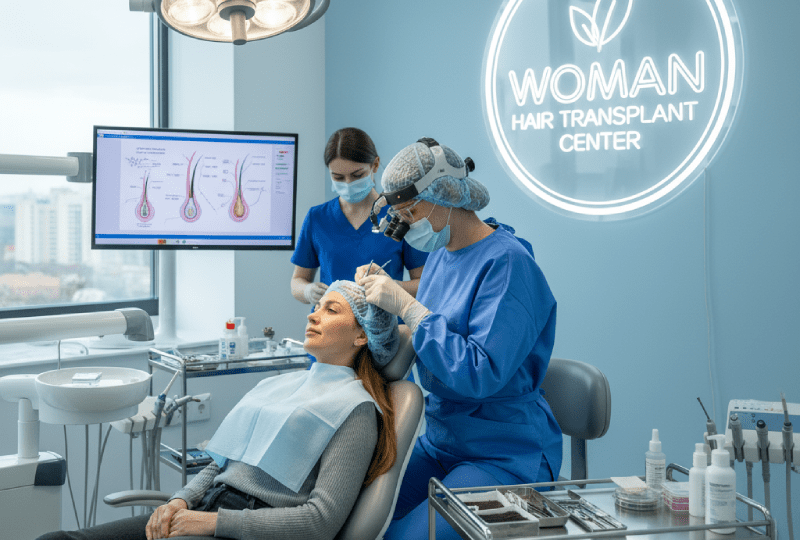
A hair transplantation operation is not a procedure that ends only in the clinical environment; in fact, the real process begins the moment you get up from the operation chair. Especially the first 10 days, called the “golden process,” is the most sensitive period where the grafts integrate with the skin, capillary connections are established, and the risk of complications is highest. A small mistake made during this period can lead to disappointment after months of waiting. In this guide, you will find all the details that will optimize your healing process and ensure you get maximum efficiency.
Why Are the First 10 Days After Hair Transplantation So Critical?
The first 10 days after hair transplantation is the most sensitive phase where the transplanted hair follicles try to fuse biologically with the tissue. During this period, the grafts are not yet firmly attached to their places, and any physical contact, incorrect washing, or sudden movement can cause the follicles to dislodge. Additionally, the scabbing of the micro-channels in the scalp and protection against the risk of infection also occur during this timeframe. The secret of a successful hair transplant lies in strictly following the expert instructions for the first 10 days. Patients who manage this process correctly achieve a much more comfortable recovery and more natural results.
What Should the Sleeping Position Be on the First Night?
The first night after the operation is usually the most challenging for patients, but the sleeping position is of vital importance. To prevent the hair follicles from rubbing against the pillow and to keep the facial edema at a minimum level, it is strictly recommended to sleep on your back at an angle of approximately 45 degrees. Using a neck pillow helps prevent your head from turning to the right or left, thus protecting the transplantation area. Lying face down is strictly forbidden as it will cause edema to descend to your face and put the grafts under pressure. The more upright you rest on the first night, the less swelling you will wake up with the next day.
What Can Be Done to Prevent Edema and Swelling?
The fluids injected into the scalp during hair transplantation can descend to the face due to the effect of gravity, causing swelling around the forehead and eyes. To prevent this, you should take care not to lean your head forward for the first 3-4 days and keep your head upright even when dealing with a phone or book. Consuming plenty of water accelerates the removal of anesthetic substances and fluids from the body. Restricting salt consumption also helps to disperse the edema faster by reducing fluid retention. Applying a cold compress to the forehead area (without touching the transplantation area) as recommended by your doctor is also an effective way to keep the swelling under control.
When and How Should the First Washing Process Be Performed?
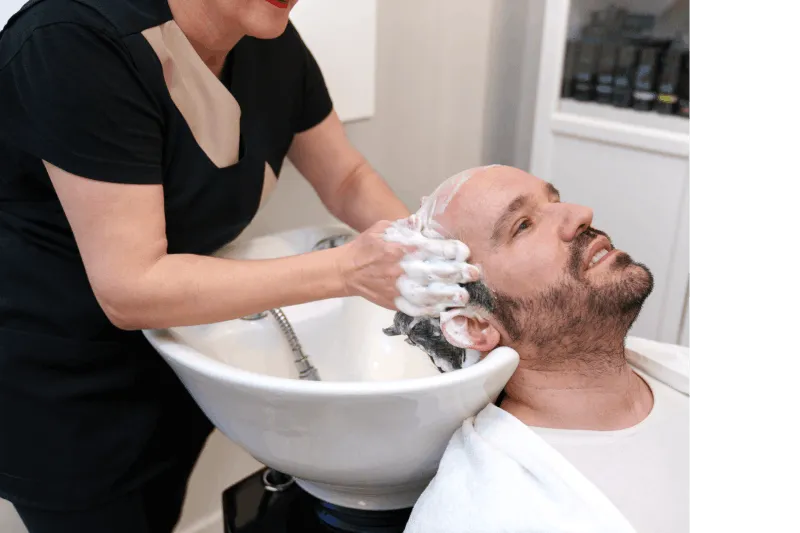
The first washing is usually performed 48-72 hours after the operation by an expert team at the clinic. Doing the first wash on your own can damage the grafts. The aim of the first wash is to soften the formed blood clots and allow the skin to breathe. The special lotion used is kept on the transplantation area to ensure the scabs soften, and then it is gently rinsed with lukewarm and non-pressurized water. During this process, nails should never be used, and no rubbing movements should be made. A correct first wash speeds up the healing process while eliminating the risk of infection.
How Does the Itching in the Donor Area Pass?
The donor area, the nape part where the hair follicles are taken from, can create a serious itching sensation during the healing process. This situation is a sign that the tissue is being repaired, but scratching the area can cause irritation and infection. To relieve the itching, you can use moisturizing sprays or solutions containing sea water recommended by your doctor. Applying a cold buffer to the area will also temporarily soothe the itching by calming the nerve endings. If the itching reaches an unbearable level, antihistamine medications prescribed by your doctor will allow you to get through this process more comfortably.
Why Is Touching the Transplantation Area Dangerous?
Newly transplanted hair follicles are just like a newly planted sapling that has not yet become accustomed to its soil (the skin). Touching the transplantation area with bare hands for the first 10 days can unintentionally dislodge the grafts or allow bacteria from the nails to seep into the open wound channels. Scratching, rubbing, or harsh contact causes the follicles to die and the hair transplantation result to fail. Being patient is very important at this stage; you should keep your hands away from your head as much as possible and only touch it during the washing procedure and in the manner described.
How Do Smoking and Alcohol Affect the Healing Process?
Smoking lowers the oxygen level in the blood, preventing the nutrition of the tissues and seriously reducing the attachment rate of the hair follicles. Alcohol, on the other hand, thins the blood, increasing the risk of bleeding and weakening the body’s ability to remove edema. Additionally, alcohol can tire your liver by interacting with the antibiotics and painkillers given after the operation. Staying away from these habits for the first 10 days ensures the clean and oxygenated blood flow that the grafts need. Making this sacrifice to increase the healing rate and extend the life of the transplanted hair will be your greatest investment in the long run.
How Does the Grafts’ Attachment Process Work?
The attachment of grafts after hair transplantation is a micro-level biological engineering process. For the first 3 days, the grafts feed on fluids from the surrounding tissues; from the 4th day onwards, new capillaries begin to reach the transplanted follicles. By the 10th day, the grafts are now considered to have established a secure bond with the skin. The mild redness experienced during this process is proof that the blood flow is concentrated in that area. For the grafts to attach healthily, it is essential that your metabolism is strong and your scalp is kept clean. This miraculous attachment process will determine the hair density for the rest of your life.
When Does the Scabbing Process Start and How Is It Managed?
Immediately after the operation, small blood clots form on the opened channels, and these begin to dry within 2-3 days and turn into scabs. These scabs actually act as natural bandages, protecting the wound from external factors. However, it is desired that these scabs are completely shed by the 10th day. These scabs gradually soften and shed with gentle washings performed regularly every day. Trying to pull off the scabs with nails can also remove the grafts along with them. With a patient and regular washing routine, you are expected to have a clean scalp at the end of the 10th day.
Does Shock Loss Start Within the First 10 Days?
The process known as “shock loss” usually starts 2 to 4 weeks after the operation, so you do not expect your hair to fall out within the first 10 days. However, very mild shedding may be seen in some patients due to stress or tissue trauma. The hair strands that come to your hand within the first 10 days should not scare you; the most important thing is that the follicles remain under the skin. Shock loss is a normal and healthy phase of hair transplantation; stronger and permanent hair will grow in place of the shed strands. Being psychologically prepared for this process will help you manage your anxiety.
What Should Be Done to Protect from Sunlight?
The scalp becomes extremely sensitive after the operation, and the UV rays of the sun can damage this tissue that has not yet healed, leading to permanent staining or tissue damage. You should not stay under direct sunlight for long periods for the first 10 days. If you need to go outside, you should use a wide and hard-structured hat that does not put pressure on your head. Since it is too early for the transplantation area to use sunscreen, physical protection is the safest method. Choosing shaded areas and not going out during the hours when the sun is most vertical will directly increase your recovery quality.
Why Are Heavy Exercise and Sports Forbidden?
Exercising raises blood pressure (hypertension), which can cause the newly transplanted hair follicles to dislodge or cause micro-bleedings to occur. Additionally, intense sweating creates a humid environment on the scalp, preparing the ground for bacterial growth and infection risk. Only short and slow-paced walks are allowed for the first 10 days. Weightlifting, fitness, cardio, or sports requiring contact (football, basketball, etc.) must be strictly avoided. You should choose to rest during this period so that your body can spend all its energy on repairing the hair follicles instead of exercise.
What Are the Medications That Should Be Used in the First Days?
Your doctor will usually prescribe antibiotics to prevent infection, edema removers to reduce swelling, and painkillers if needed. Adhering to the hours of these medications is critical for the comfort and safety of the healing process. You should not start aspirin or other blood-thinning medications on your own, as this may increase the risk of bleeding. In addition, you should use the vitamins or serums given to support hair health after the operation in the specified doses. Medication use is your most important auxiliary force that supports the success of the surgical procedure at a chemical level.
Is Numbness in the Scalp Normal?
Since thousands of micro-channels are opened during hair transplantation, the nerve endings in the scalp may undergo temporary trauma. This situation can create a feeling of numbness, tingling, or total lack of sensation on your head. Especially in the first 10 days, this sensation is quite normal and usually resolves spontaneously within a few weeks or months. You should be careful not to accidentally bump the areas with numbness, as you may not realize you are causing damage because you do not feel pain. With the nerves becoming active again, a needle-pricking sensation can sometimes be experienced, which is a part of the healing process.
When Should Bandages Be Removed?
The bandages applied to protect the donor area from external factors and to absorb leakages after the operation are usually removed at the clinic the next day or the second day after the operation. With the removal of the bandage, the donor area comes into contact with air for the first time and the drying process begins. The transplantation area is usually not bandaged because the ventilation of this area is necessary for the health of the grafts. You should not try to remove the bandage yourself by forcing it, as the bandage may be stuck to the skin due to dried blood clots. This process, to be performed in expert hands, is the first moment your skin begins to breathe.
How Does the Diet Feed the Hair Follicles?
The greatest resource that the newly transplanted hair needs is the vitamins and minerals coming through the blood. Eating protein-weighted food for the first 10 days accelerates tissue repair. Foods rich in vitamins B, C, and E, as well as zinc and iron (eggs, fish, leafy green vegetables, nuts), ensure that the hair follicles attach more strongly. Avoiding processed foods, excessive sugar, and very salty foods makes it easier to remove edema. Remember that the nutrients you provide from the inside determine the quality of your hair as much as the lotions you apply to the scalp from the outside.
Does Sweating Negatively Affect Hair Transplantation Results?
Sweat can irritate the hair follicles due to its salt and acidity content and can disrupt the hygiene of the transplantation channels. Especially in the first 10 days, the humid environment formed on the scalp along with sweating triggers the risk of fungus and infection. For this reason, you should stay away from excessively hot environments, steamy baths, and jobs that require effort. If you experience unintentional sweating, you can take your sweat by making a gentle buffer with the help of a clean paper towel without rubbing the transplantation area. Staying in cool and airy environments is ideal for your scalp to stay healthy.
How Many Days Should You Wait Before Wearing a Hat?
Patients are generally recommended not to wear a hat for the first 3-4 days. However, if it must be worn to protect from external factors, specially designed, wide hats with a high crown that do not touch the transplantation area must be preferred. Tight beanies, caps, or woolen hats should definitely not be used for the first 10 days as they will cause the grafts to dislodge or cause sweating. After the scab shedding occurs on the 10th day, a hat can be used more comfortably, but it is still best to avoid accessories that will create friction for a while longer.
How Should Water Pressure Be Adjusted While Showering?
During the first 10 days, the pressure and temperature of the water while washing your hair are of critical importance. Very hot water irritates the skin, while very cold water can cause the vessels to constrict. The most correct is lukewarm water. You should not hold the water directly to your head in a pressurized way from a showerhead; instead, you should pour the water over your hand or by reducing the pressure of the showerhead to the lowest with the help of a bowl. The pressure created by the water can be strong enough to cause the grafts to dislodge. A gentle flow ensures that your scalp is cleaned without being damaged.
How Should Shampoos and Lotions Be Selected?
After hair transplantation, the pH balance of the scalp is disrupted and the skin becomes sensitive. For this reason, you should use the medical shampoos recommended by your doctor instead of the chemical-containing shampoos sold in markets. These shampoos are usually paraben-free, have a soothing effect, and help the scabs to soften. Additionally, the lotions used reduce tension and itching by moisturizing the skin. Going outside of these products or using products based on friend recommendations can put your hair transplantation result at risk. Medical products are formulated in accordance with the healing physiology of your scalp.
After Which Day Are the Sea, Pool, and Sauna Safe?
Chlorine in pool water and salt in the sea are quite harmful to open wound channels and can lead to serious infections. Excessively hot and humid environments such as saunas and Turkish baths can sabotage the attachment process of the grafts and cause the follicles to die. These activities are strictly forbidden for the first 10 days. It is generally recommended to wait at least 1 month to enter the sea and the pool. The complete healing of your scalp and the closing of the pores are essential for the safety of such activities. Waiting for this period patiently guarantees the health of your hair.
What Are the Supportive Treatments That Increase Healing Speed?
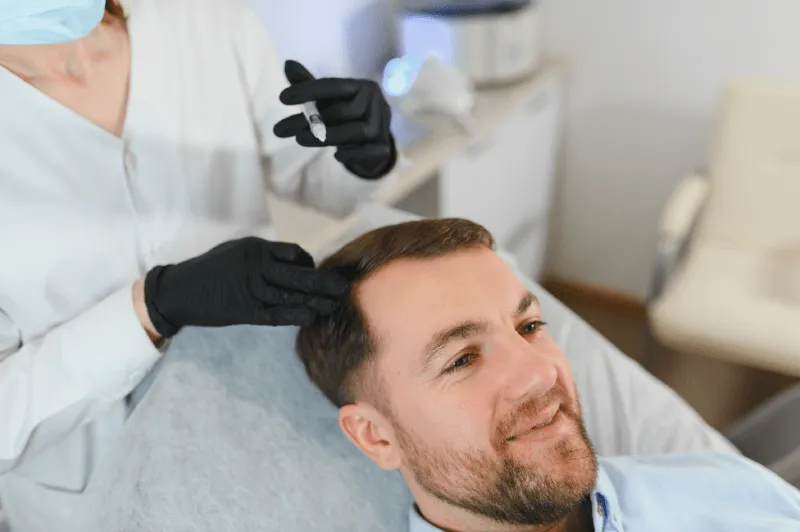
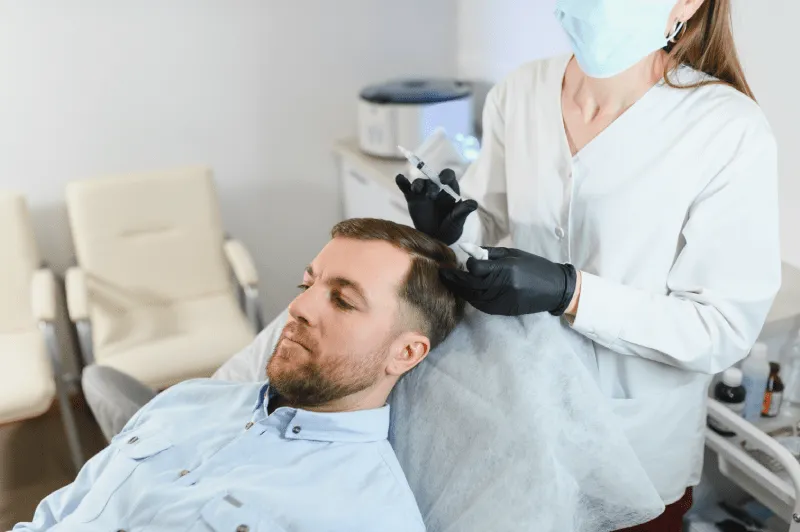
Additional treatments such as PRP (Platelet Rich Plasma) or Mesotherapy can be preferred to increase the healing rate after hair transplantation. These treatments maximize cell repair and hair follicle nutrition by returning the growth factors in your own blood to the scalp. In some clinics, these applications are performed during the first wash or immediately after the operation. In addition, laser therapies or special vitamin sets that your doctor will recommend are factors that speed up the healing process. These supportive methods are important elements that carry the success of the operation from “good” to “excellent.”
What Should Be Done in Case of Bleeding or Leaking?
It is normal to see very small leakages in the donor area or the transplantation area during the first 24 hours after the operation. However, if you experience active and unstoppable bleeding, you should apply pressure to the area with a clean gauze bandage without panicking (great care should be taken when applying pressure to the transplantation area). If the bleeding continues, you should definitely contact the team that performed the transplantation. Usually, such situations occur as a result of a sudden movement or an increase in blood pressure. Staying calm and getting medical support is always the safest way.
How Is Donor Area Care Provided?
The donor area is the area that carries the burden of the operation and needs to heal quickly. Regularly applying antibiotic creams or moisturizing lotions to this area reduces tissue tension and speeds up wound healing. Keeping the donor area clean minimizes the risk of infection. Small pimples or redness may occur in this area during the recovery, and these are usually temporary. If there is an excessive temperature increase, purulent discharge, or severe pain in the area, this may be a sign of infection and you should consult your doctor immediately.
Why Is It Important to Be Psychologically Patient?
Hair transplantation is not only a physical process but also a psychological one. The redness, scabs, and swelling you see when you look in the mirror for the first time in 10 days should not demoralize you. You should know that this image is temporary and everything is going as planned. The healing process proceeds at a different speed in each individual, so you should focus on your own process instead of comparing yourself with others. Staying positive and minimizing the stress factor will support your body’s immune system and affect healing positively. Good results take time; therefore, patience is your greatest helper.
What Are the Milestones in the First 10-Day Calendar?
The first 3 days after the operation is the “critical attachment” period. Between the 4th and 7th days is the “healing and scabbing” phase; at this stage, the edemas begin to subside. Between the 8th and 10th days is the “scab shedding” final. At the end of the 10th day, with the shedding of the scabs, the person can largely return to their social life. Every day in this calendar has its own importance and no stage should be skipped. Using this calendar as a guide allows you to know which stage of the process you are in, reducing your anxiety and strengthening your sense of control.
Does Having Sexual Intercourse Damage Grafts?
It is recommended to avoid sexual intercourse for the first 1-3 days after hair transplantation. The main reason for this is that physical activity increases blood pressure and heart rate, which can lead to the displacement of grafts or the risk of bleeding. In addition, bumping or rubbing the head anywhere during the activity can cause serious damage. After the 3rd day, permission can be given provided that one is more careful, but usually, waiting for the 10-day healing process is the safest approach. You should not forget that your body needs rest and you should take care to spend this process calmly.
How Should We Protect Ourselves from Dusty and Dirty Environments?
Open wound channels are quite vulnerable to external factors such as dust and dirt. Construction sites, excessively dusty environments, or places with chemical vapor multiply the risk of infection. It is best to rest at home for the first 10 days if possible. If you have to go out and the environment is dirty, you should use the appropriate hats we mentioned earlier to protect your hair. In addition, you should make sure that the pillowcases and sheets in your home are clean and change them every day. Hygiene is one of the most fundamental keys to success in this process.
Do Vitamin Supplements Accelerate the Process?
Multivitamin supplements such as Biotin, Keratin, and others, which are critical for hair health, can support healing and the quality of new hair growth after the operation. Especially Biotin helps the hair strands thicken and the scalp to be repaired faster. However, you must consult your doctor before starting these supplements, because some vitamins can thin the blood or interact with other medications you are using. Vitamins used at the right time and in the right dose are powerful allies that make your hair transplantation results more satisfying.
How Is an Unexpected Complication Recognized?
When the healing process proceeds normally, pain and swelling decrease as the days pass. However, if you feel increasing pain after the fourth day, a fever exceeding 38 degrees, a foul-smelling and yellowish discharge, or excessive redness spreading rapidly in the transplantation area, this may be a sign of infection. In addition, systemic symptoms such as shortness of breath or chest pain should be taken seriously. In such cases, you should call your clinic or apply to the nearest health institution without losing any time. Early intervention ensures that any complication is resolved without causing permanent damage.
Why Is It Essential to Stay in Contact with the Hair Transplant Specialist?
Hair transplantation is a journey, and your guide on this journey is the specialist who performed the operation. Especially in the first 10 days, you should ask your team about any unusual situation you experience or even the smallest question on your mind. Most clinics ask their patients to send photos every day for the first 10 days. This close follow-up ensures that potential problems are noticed before they grow and the process is optimized. Your specialist’s experience is much more valuable than general information on the internet; therefore, you should never break away from professional directions and you should not neglect your controls.
How Does Cure Holiday Facilitate the Hair Transplantation Process?
The hair transplantation process is not just a medical operation, but also an organization that needs to be planned correctly. Cure Holiday turns this complex process into a completely stress-free experience with the end-to-end service it offers to its patients. Cooperating with the most modern techniques and the most experienced surgeons, Cure Holiday is with you at every stage of the operation. Every detail is meticulously planned from the first consultation to the post-operative follow-up. When you choose to get treatment with Cure Holiday, you will not only have your new hair but also world-class comfort and trust.
What Advantages Are Offered During the Recovery Period with Cure Holiday?
The healing process is the most sensitive phase of hair transplantation, and Cure Holiday offers special solutions for you to manage this period in the best way. With personalized recovery packages, professional care products, and 24/7 medical consultancy service, you will never feel alone. Experts within Cure Holiday follow your first 10 days day by day to ensure everything is on track. In an environment where everything from accommodation to transfers is thought of for you, you only need to rest and enjoy your new appearance.
Why Do Thousands of People Choose Cure Holiday for Hair Transplantation?
Success is not a coincidence, and Cure Holiday is in a leading position in the field of hair transplantation with the reference of thousands of happy patients. Its transparent price policy, high graft success rates, and patient-oriented approach have made Cure Holiday the most preferred brand in the international arena. Every patient’s hair structure and needs are different; therefore, Cure Holiday offers a plan specific to you with a boutique service approach. In this center where the most advanced technologies (FUE, DHI, Sapphire FUE) come to life in expert hands, natural and dense hair results cease to be a dream.
How to Achieve Your Dream Hair with the Assurance of Cure Holiday?
Taking the first step for change is always the hardest, but with Cure Holiday, this process is very easy and exciting. With our free hair analysis and consultancy service, we clearly determine the most suitable technique and expected results for you. Managing the golden process of the first 10 days after the operation and all the subsequent development stages under the guidance of a professional team guarantees the success of the hair transplantation. Do not wait any longer to reach the lush and natural hair of your dreams; join the Cure Holiday family and enjoy the change with confidence.
Free Consultation
Fill out the form below to get your free medical travel plan and price quote.