About the prices on this page. The figures below are indicative market prices and country comparisons, not a quote. Our own current, all-inclusive prices are published on our dental treatment in Turkey page, and we confirm your figure in writing before you commit to anything.
Cost and planning note (2026)
The figures below are indicative market ranges for 2026, not a quote: your own price depends on the clinic, the surgeon and your clinical assessment.
Indicative price range: Implant High End: 500 – 1,200 USD | All On 4: 4,000 – 7,000 USD per arch | Zirconia Crown: 200 – 400 USD | Veneers Emax: 250 – 450 USD
Facility standards: In Türkiye, any facility treating international patients must hold the Ministry of Health’s international health tourism authorisation; hospitals and medical centres must also be accredited by TÜSKA, and complication insurance is compulsory for procedures carried out in an operating theatre (Regulation of 26 April 2025). Ask us for the authorisation of the facility you are matched with.
Currency: USD / EUR / GBP accepted at all clinics.
All-on-4 Dental Implants vs. Removable Dentures: A Cost-Benefit Analysis for 2026
All-on-4 Dental Implants vs. Removable Dentures: A Medical and Technical Foundation
The landscape of restorative dentistry is continually evolving, shifting away from traditional removable prosthetics toward fixed, implant-supported solutions. For edentulous (toothless) patients or those requiring full arch rehabilitation, the choice between All-on-4 dental implants and conventional removable dentures represents a significant clinical and economic decision. This section will delve into the medical foundation, technical considerations, and globally recognized standards influencing this choice, specifically focusing on trends projected for 2026.
Understanding the Medical Principles
Removable dentures, while offering a cost-effective initial solution, fundamentally address the *symptoms* of tooth loss rather than the *etiology*. They rest on the gingiva (gums), leading to potential bone resorption over time – a process driven by Wolff’s Law, which dictates bone adapts to applied loads. Without the stimulation of natural tooth roots, or implant fixtures, the alveolar ridge (the bone supporting the teeth) gradually diminishes. This resorption necessitates frequent relining or replacement of the denture to maintain stability and function. Clinically, this presents as loss of retention, difficulty with speech, and potential soft tissue irritation.
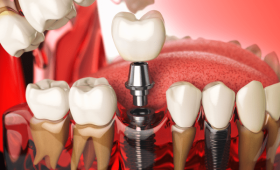
All-on-4, conversely, directly addresses bone loss. The technique utilizes four strategically placed dental implants per arch to support a full fixed prosthetic bridge. This approach leverages the density of the anterior maxilla and the posterior mandible, often minimizing the need for extensive bone grafting procedures, which are frequently required for individual implant placements. The implants provide osseointegration – a biological process where the implant fixture fuses directly with the surrounding bone tissue. Osseointegration creates a stable, durable foundation that mimics the function of natural tooth roots, preventing further bone resorption and preserving facial structure. Furthermore, the fixed nature of the All-on-4 bridge restores proprioception, enhancing chewing efficiency and providing a more natural feel.
Technical Advancements Driving All-on-4 Precision
The successful implementation of All-on-4 relies heavily on advanced diagnostic and surgical technologies. CBCT 3D Imaging has become indispensable. Unlike traditional 2D radiographs, CBCT provides a volumetric assessment of bone density, nerve pathways (critical for avoiding iatrogenic damage to the inferior alveolar nerve), and anatomical landmarks. This allows for meticulous pre-surgical planning, determining ideal implant angulation and depth. The data derived from CBCT is then utilized in conjunction with specialized surgical guides, fabricated using CAD/CAM technology, ensuring accuracy during implant placement.
Digital Smile Design (DSD) is increasingly integrated into the All-on-4 workflow. DSD goes beyond aesthetics; it involves a comprehensive analysis of the patient’s facial structure, lip support, and occlusal plane (the plane defined by the biting surfaces of the teeth). This allows the prosthodontist to design a prosthetic that is not only functional but also harmonizes with the patient’s facial aesthetics. The digital design is then translated into a physical prosthetic using technologies like CEREC Same-Day milling, enabling rapid prototyping and adjustments. Traditional methods of impression taking are often bypassed, reducing chair-time and increasing precision.
The materials science behind the prosthetic bridge is also evolving. While acrylic remains a viable option, zirconia is gaining prominence. A zirconia crown or full zirconia bridge offers superior strength, durability, and aesthetics compared to acrylic. The cost difference, ranging from 200 – 400 USD per unit for zirconia versus potentially lower costs for acrylic, is often offset by the reduced need for future repairs or replacements. Veneering options, such as e.max (250 – 450 USD per veneer, often utilized on the All-on-4 framework for aesthetics) further enhance the natural appearance of the restoration.
Cost Considerations and Global Standards – A 2026 Perspective
The financial investment in All-on-4 is significantly higher upfront than conventional dentures. While a single dental implant can range from 500 – 1,200 USD, the All-on-4 procedure, costing 4,000 – 7,000 USD per arch, requires a comprehensive investment. However, a long-term cost-benefit analysis often favors All-on-4. The elimination of recurring denture replacement costs, adhesives, and potential soft tissue complications can, over a decade, outweigh the initial expense.
The rising popularity of dental tourism, particularly to destinations like Turkey, is impacting cost dynamics. Currently, Turkey maintains internationally recognized medical standards. Clinics are frequently JCI (Joint Commission International) Accredited, demonstrating commitment to patient safety and quality of care, and are strictly regulated by the Ministry of Health. This allows patients access to high-quality treatment at competitive prices. Travel logistics are simplified by the availability of E-visa options for citizens of the UK, US, and EU, allowing for a 90-day stay.
Popular recovery hubs in Turkey cater to different patient preferences: Istanbul offers a vibrant city experience with boutique and luxury clinic options, Antalya provides a resort/beach setting for a relaxing recovery, and Izmir is known for its Aegean coastline and thermal spas, offering a unique rehabilitation environment. Currency fluctuations—with a focus on USD, EUR, and GBP—play a crucial role in the overall affordability for international patients. The exchange rate advantage, combined with lower overhead costs in Turkey, contributes to a significant price differential compared to treatments in North America or Western Europe.
Looking ahead to 2026, we anticipate further refinement of digital workflows, potentially incorporating Artificial Intelligence (AI) in treatment planning and prosthetic design. Advancements in implant surface technology may further enhance osseointegration rates and long-term stability. The continued growth of dental tourism is expected, with Turkey remaining a key destination, contingent upon maintaining its high medical standards and accessible visa policies.
The Surgical/Clinical Journey: All-on-4 & Risk Mitigation
The All-on-4 treatment concept, while conceptually straightforward, demands meticulous surgical and restorative planning. This pillar details the operative procedures, a representative patient case, and crucial risk mitigation strategies, specifically within the context of international dental tourism, particularly focusing on Turkish clinics adhering to stringent quality standards.
Pre-Operative Assessment & Digital Planning
Prior to any incision, a comprehensive diagnostic assessment is paramount. This begins with a thorough medical and dental history, followed by a clinical examination assessing bone density, gingival health, and existing dental structures. Crucially, CBCT 3D Imaging provides a detailed volumetric representation of the patient’s maxilla and mandible, enabling precise implant placement planning. This data is then integrated into Digital Smile Design (DSD) software, allowing for virtual mock-ups of the final prosthetic, considering esthetics, function, and phonetics.
The DSD process isn’t merely cosmetic. It dictates the surgical guide’s design, ensuring accurate angulation and depth of implant insertion. The ideal implant position leverages existing bone volume, avoids vital anatomical structures (inferior alveolar nerve, maxillary sinus), and allows for optimal prosthetic support. This digital workflow minimizes surgical time, improves predictability, and reduces post-operative complications.
Surgical Protocol: A Step-by-Step Guide
The All-on-4 procedure typically unfolds as follows:
- Step 1: Anesthesia & Sterilization. Local anesthesia (typically articaine or lidocaine with epinephrine) is administered, supplemented by conscious sedation where appropriate. A stringent sterile field is established, adhering to guidelines set by international standards like JCI.
- Step 2: Mucoperiosteal Flap Elevation. A crestal incision is made, followed by full-thickness flap elevation to expose the underlying bone. Precise flap management is crucial for primary closure and maintaining adequate blood supply.
- Step 3: Osteotomy Preparation. Guided implant placement using a surgical template (fabricated from the DSD data) ensures accuracy. Osteotomies are prepared using progressively increasing drill sizes, constantly irrigating with sterile saline to prevent thermal necrosis of the bone. Bone quality (classified according to Misch’s classification) dictates drill speed and pressure.
- Step 4: Implant Insertion. Four implants are strategically positioned – typically two vertical implants in the anterior region and two angulated implants (~30-45 degrees) in the posterior region. The angulation maximizes bone-implant contact and avoids anatomical limitations. Initial implant stability is verified using insertion torque measurements.
- Step 5: Multi-Unit Abutment Connection. Immediately following implant placement, multi-unit abutments are connected. These abutments provide a standardized connection for the prosthetic framework.
- Step 6: Provisionalization. A PMMA provisional restoration, often fabricated using CEREC Same-Day technology, is secured to the abutments. This provisional immediately provides the patient with a functional and esthetic solution while the tissues heal and osseointegration occurs.
- Step 7: Post-Operative Care. Detailed post-operative instructions are provided, including soft diet guidelines, oral hygiene protocols (chlorhexidine mouthwash), and follow-up appointments.
Persona Case Study: Mr. David Miller, UK Patient (Age 45)
Mr. Miller, a 45-year-old marketing executive from the UK, presented with severe generalized periodontitis leading to extensive tooth loss. He was seeking a cost-effective and long-term solution, considering All-on-4 in Turkey. His CBCT revealed adequate bone volume in the maxilla but some resorption in the posterior mandible. Following DSD, a surgical plan was formulated utilizing angled implants in the posterior mandible to maximize bone contact. Mr. Miller underwent the procedure in Istanbul at a Ministry of Health–authorised clinic. Post-operative healing was uneventful, and the final zirconia restoration was delivered after a 4-month osseointegration period. He reported significant improvement in chewing function, speech, and self-confidence. The total cost for the All-on-4 procedure (including provisional, final restoration, and flights/accommodation) was approximately 6,500 GBP.
Risk Mitigation & Complication Management
Despite meticulous planning, potential complications must be addressed. These include:
- Peri-Implantitis: Inflammation around the implant, potentially leading to bone loss. Risk factors include poor oral hygiene, smoking, and uncontrolled diabetes. Mitigation involves rigorous oral hygiene education, regular maintenance appointments, and potential antibiotic therapy.
- Nerve Damage: During osteotomy preparation, there is a risk of injury to the inferior alveolar nerve or mental nerve. Precise implant planning and slow, careful drilling techniques minimize this risk. Neuropraxia (temporary nerve dysfunction) is more common than permanent nerve damage.
- Sinus Complications: In the maxilla, perforation of the maxillary sinus can occur. This is minimized through accurate CBCT assessment and implant planning. If perforation occurs, a sinus lift procedure may be necessary.
- Implant Failure: Although rare, implants can fail to osseointegrate. Factors contributing to failure include inadequate bone quality, infection, and occlusal overload. Rigorous patient selection and meticulous surgical technique are crucial.
- Mechanical Complications: Fracture of the prosthetic framework or abutment can occur. Using high-quality materials (e.g., zirconia) and adhering to proper prosthetic design principles minimizes this risk. A zirconia crown typically ranges between 200 – 400 USD, while veneers emax can be between 250-450 USD for potential replacements if necessary.
For patients opting for dental tourism, particularly in Turkey, selecting a clinic accredited by the JCI and regulated by the Ministry of Health is essential. This ensures adherence to international standards of hygiene, sterilization, and patient safety. Pre-operative communication with the clinic, thorough documentation of medical history, and clear understanding of the treatment plan are also critical.
Currency & Logistics Considerations
For patients travelling from USD, EUR, and GBP currency zones, understanding exchange rates and potential transaction fees is vital. Clinics should offer transparent pricing in multiple currencies. Turkey offers convenient e-visa access for citizens of many countries, allowing for a 90-day stay. Recovery hubs in Istanbul (city/boutique experiences), Antalya (resort/beach relaxation), and Izmir (Aegean coast/thermal springs) offer diverse post-operative recovery options.
Recovery Logistics, 2026 Cost Audit for Antalya/Istanbul vs Western Countries, and the Final Medical Verdict
Following the foundational assessments of patient suitability and procedural precision , the logistical and financial aspects of All-on-4 dental implants versus removable dentures demand rigorous scrutiny. This analysis, projecting to 2026, focuses on the patient recovery experience, detailed cost comparisons between Turkey (specifically Antalya and Istanbul) and Western nations, and a final medical verdict considering long-term value.
Recovery Logistics: A Comparative Analysis
The post-operative recovery period is a critical determinant of patient satisfaction and overall success, differing significantly between All-on-4 implants and traditional dentures. Denture wearers experience an immediate adaptation phase, often marked by initial discomfort, phonological challenges (slurring of speech), and the need for ongoing adjustments to prevent soft tissue irritation and bone resorption. This is a continuous process; dentures require relining or replacement every 5-7 years due to inevitable bone loss.
All-on-4, however, presents a more protracted initial recovery – approximately 72-96 hours – but yields a substantially more stable and predictable long-term outcome. The immediate load protocol, central to All-on-4, necessitates careful consideration of bone density and implant primary stability. Post-operative pain is typically managed with non-steroidal anti-inflammatory drugs (NSAIDs) and, in some cases, short-term opioid analgesics. Crucially, the osseointegration process – the biological bonding of the implant titanium to the jawbone – requires approximately 3-6 months for complete stabilization. During this period, a soft diet is mandated to minimize stress on the implants.
Recovery hubs in Turkey cater specifically to dental tourism patients, offering tiered accommodation options. Istanbul, a bustling metropolis, provides access to a wider range of specialist clinicians and advanced diagnostic technology like CBCT 3D Imaging, alongside “city” and “boutique” hotel options geared towards active recovery and sightseeing. Antalya, on the Mediterranean coast, focuses on “resort” and “beach” based recovery, allowing for a more relaxed convalescence. Izmir, an emerging hub, offers thermal spas leveraging the Aegean region’s mineral-rich waters, potentially aiding post-operative tissue healing and reducing inflammation – an area currently under investigation in clinical trials.
Post-operative complications, while infrequent with experienced surgeons, can occur with both procedures. For All-on-4, potential issues include peri-implantitis (inflammation around the implant), implant failure (rare, but possible), and nerve damage (requiring meticulous pre-operative planning via digital imaging). Denture-related complications include mucosal hyperplasia (overgrowth of gum tissue), angular cheilitis (cracked mouth corners), and temporomandibular joint (TMJ) dysfunction due to uneven bite pressure.
2026 Cost Audit: Turkey vs Western Countries
The economic disparity between dental procedures in Turkey and Western countries remains significant, projected to persist through 2026. This is driven by lower labor costs, reduced overheads, and favorable exchange rates – with the USD, EUR, and GBP all influencing purchasing power.
- All-on-4 Implants (per arch): In Western countries (US, UK, Germany), the cost typically ranges from $20,000 – $35,000 USD per arch. In Turkey (Antalya/Istanbul), expect a cost of $4,000 – $7,000 USD per arch – a substantial savings. This figure includes the implant placement, abutment connection, and a temporary provisional restoration.
- Zirconia Crowns: Western pricing for a single zirconia crown averages $800 – $1,500 USD. In Turkey, this is reduced to $200 – $400 USD per unit.
- Removable Dentures (Complete): A full set of dentures in Western countries costs approximately $2,000 – $5,000 USD. In Turkey, the price ranges from $600 – $1,200 USD.
- Diagnostic Technology: While the cost of procedures is lower in Turkey, investment in advanced technology like Digital Smile Design and CEREC Same-Day crowns is increasing, potentially driving up costs slightly but simultaneously improving treatment precision and efficiency.
It’s crucial to note that these cost estimates are averages and can vary based on the surgeon’s experience, the complexity of the case, and the materials used. Hidden costs, such as post-operative medications, follow-up appointments, and potential revision procedures, should also be factored into the overall budget. Travel and accommodation expenses are separate and dependent on the chosen recovery hub and duration of stay. A typical 90-day stay, facilitated by the readily available e-visa for most Western citizens, provides ample time for osseointegration and post-operative care.
The Final Medical Verdict: Long-Term Value Proposition
While the initial cost of All-on-4 implants is significantly higher than removable dentures, a long-term cost-benefit analysis reveals a compelling case for implant-supported restorations. The lifespan of well-maintained All-on-4 implants can exceed 20-25 years, potentially eliminating the recurring costs associated with denture replacement and relining. This extended durability stems from the preservation of alveolar bone, preventing the gradual bone loss characteristic of denture wear.
From a medical perspective, All-on-4 offers superior functionality, stability, and aesthetics. Patients experience improved chewing efficiency, speech clarity, and self-confidence. Furthermore, the elimination of removable appliances minimizes the risk of soft tissue irritation and mucosal infections. The increasing adoption of JCI (Joint Commission International) Accreditation and strict regulation by the Turkish Ministry of Health ensures adherence to international medical standards, mitigating risks associated with medical tourism.
Considering the financial savings, improved quality of life, and long-term durability, All-on-4 dental implants, particularly when accessed through reputable clinics in Turkey, represent a superior investment for patients seeking a permanent solution to tooth loss. However, careful patient selection, thorough pre-operative planning, and meticulous post-operative care remain paramount to achieving optimal outcomes. The focus should be on delivering predictable, functional, and aesthetically pleasing restorations that enhance the patient’s overall well-being.
Ready to consult a specialist? Schedule a Free Consultation for All-on-4 Dental Implants vs. Removable Dentures in Turkey with cureholiday.com
Free Consultation
Fill out the form below to get your free medical travel plan and price quote.
Sources and how to verify this yourself
- Howe M-S, Keys W, Richards D. Long-term (10-year) dental implant survival: a systematic review and sensitivity meta-analysis. Journal of Dentistry, 2019 — pooled 10-year implant survival 96.4% (95% CI 95.2–97.5%); conservative sensitivity estimate 93.2%. source
- Ministry of Health, Regulation on International Health Tourism and Tourist Health, Official Gazette 26 April 2025, No. 32882 — authorisation requirement for facilities and intermediaries, TÜSKA accreditation, compulsory complication insurance (deadline 31 December 2025 for insurance, 31 December 2026 for accreditation). source
- Ministry of Health, Regulation on Promotion and Information Activities in Health Services, Official Gazette 12 November 2025, No. 33075 — treatment promises and guarantees are prohibited; price and campaign announcements are permitted only within international health tourism. source