Cost and planning note (Mommy Makeover 2026)
The figures below are indicative market ranges, not a quote: your own price is confirmed after a clinical assessment.
Indicative price range: Standard Package: 4,500 – 7,500 USD | Advanced Combination: 8,000 – 12,000 USD | Tummy Tuck: 3,000 – 5,000 USD | Breast Lift: 2,500 – 4,500 USD | Liposuction Per Area: 500 – 1,500 USD | Bbl Fat Transfer: 3,500 – 5,500 USD
Facility standards: In Türkiye, any facility treating international patients must hold the Ministry of Health’s international health tourism authorisation; hospitals and medical centres must also be accredited by TÜSKA, and complication insurance is compulsory for procedures carried out in an operating theatre (Regulation of 26 April 2025).
Recovery Focus: Post-pregnancy body restoration & safety first.
Currency: GBP, EUR, USD accepted.
Avoiding the “Botched” Headline: How to Vet your Surgeon like a Pro
The Anatomical Foundation: Beyond Surface-Level Aesthetics
To avoid the “botched” headline, a patient must first understand that post-pregnancy restoration is not merely a matter of removing excess skin; it is a complex reconstruction of the abdominal and mammary architecture. The most common mistake in vetting a surgeon is focusing solely on the external incision line while ignoring the structural integrity of the underlying musculature. True restoration requires addressing Diastasis Recti, a condition where the rectus abdominis muscles separate during pregnancy, compromising the core’s stability.
A high-caliber surgeon does not simply perform a skin excision; they execute a Diastasis Recti repair, which involves the intricate internal corset suturing of the abdominal fascia. This procedure re-approximates the separated muscle bellies, creating a biological “corset” that restores the midsection’s tension and prevents the protrusion of visceral tissue. When evaluating a surgeon, ask specifically about their technique for fascial closure. If the focus is only on the skin, the structural foundation is at risk, potentially leading to the “shelf” effect often seen in suboptimal abdominal procedures.
“The hallmark of a master reconstructive surgeon is the ability to treat the subcutaneous layers with as much precision as the dermal surface. Aesthetic success is impossible without structural restoration.”
Deciphering Abdominal Reconstruction: From Mini to 360
The terminology used in abdominal surgery is often misunderstood by patients, leading to mismatched expectations. Depending on the degree of skin laxity and muscle separation, surgeons offer several modalities. Understanding these is critical to your vetting process:
- Mini Abdominoplasty: Targeted at patients with localized laxity in the lower abdomen, involving a smaller incision and less invasive tissue removal.
- Extended (360) Tummy Tuck: The gold standard for total circumference restoration, addressing the abdomen and the lateral flanks for a seamless, wrap-around effect.
ability to Full Abdominoplasty: Designed for extensive skin and tissue excess, involving a larger incision that may extend toward the flanks.
The financial landscape for these procedures reflects the complexity of the surgical work involved. While a localized tummy tuck can range from 3,000 – 5,000 USD, more comprehensive reconstructions require a broader scope. For those seeking a holistic transformation, a standard package typically falls between 4,500 – 7,500 USD. However, when combining abdominal tightening with significant fat contouring, an advanced combination procedure may range from 8,000 – 12,000 USD.
Mastopexy and Augmentation: Ensuring Implant Integrity
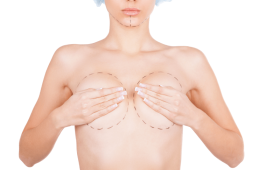
Breast restoration—comprising both Breast Lift (Mastopexy) and augmentation—is arguably the most delicate aspect of the Mommy Makeover. The technical challenge lies in repositioning the nipple-areola complex (NAC) to a more youthful, higher position while maintaining blood supply and nipple sensation. When vetting your surgeon, the quality of the biomaterials used is a non-negotiable safety benchmark.
You must ensure that the surgeon utilizes JCI-approved implants. The industry standard for high-end medical tourism includes brands such as Mentor, Motiva, or Polytech. These implants are engineered with advanced cohesive gels to minimize the risk of rupture and capsular contracture. A breast lift procedure, which corrects ptosis (sagging), generally ranges from 2,500 – 4,500 USD, and when paired with augmentation, the complexity of the surgical plane increases.
High-Definition Contouring: The Role of Vaser Technology
Modern post-pregnancy restoration has moved beyond simple suction. To achieve the “sculpted” look without the trauma of traditional liposuction, elite surgeons utilize Vaser Liposuction. This ultrasound-assisted technology uses low-frequency vibrations to emulsify adipose (fat) tissue specifically, allowing for high-definition contouring with minimal bruising and much smoother skin retraction.
This technology is particularly effective when paired with a BBL (Brazilian Butt Lift) fat transfer, where the harvested fat is processed and injected into the gluteal region to restore lost volume. The cost of liposuction per area typically ranges from 500 – 1,500 USD, while a BBL fat transfer is valued between 3,500 – 5,500 USD. The goal of an expert surgeon is to utilize this transferred tissue to create a harmonious transition between the newly tightened abdomen and the posterior silhouette.
The Turkey Advantage: A Global Hub for Surgical Excellence
The rise of Turkey as the global epicenter for Mommy Makeovers is not a result of lower costs alone, but rather the convergence of advanced medical technology and a specialized surgical ecosystem. The Turkish medical infrastructure is uniquely designed to support the high-intensity recovery required for major reconstructive surgery. This is characterized by a seamless logistical flow that reduces patient stress—a vital component of post-operative healing.
When planning your journey, the efficiency of the following logistics serves as a proxy for the quality of care you can expect:
- Streamlined Arrival: Most international patients arrive via Istanbul (IST) or Antalya (AYT), with VIP private transfers provided directly from the airport to the clinic or hotel, ensuring minimal physical exertion post-flight.
- Convalescence Standards: Recovery is not spent in a standard hotel, but in 5-star recovery suites with companion stay included, allowing for a sterile, comfortable, and supervised environment.
- Pre-Operative Precision: The vetting process begins long before you fly. Free online video assessments with board-certified plastic surgeons allow patients to discuss anatomical concerns, review surgical plans, and verify surgeon credentials remotely.
The recovery timeline is a critical component of your surgical roadmap. While the initial recovery period in Turkey is approximately 7-10 days—focused on wound care and monitoring—the biological healing of the tissues takes longer. Patients should prepare for a 6-week period before a full return to strenuous exercise. This period of rest is essential to allow the internal sutures of the Diastasia Recti repair and the new implant positioning to stabilize, ensuring the longevity of your results.
The Science of Vetting: Moving Beyond Aesthetic Promises
The “botched” headline is a nightmare fueled by two preventable errors: selecting a surgeon based on price alone and failing to understand the technical complexity of the procedure. To avoid this, a patient must transition from a consumer mindset to a clinical one. Vetting a surgeon requires more than viewing “before and after” photos; it requires an audit of their surgical standards, their adherence to JCI (Joint Commission International) safety protocols, and their proficiency in advanced reconstructive techniques.
When evaluating a surgical candidate for a transformation, the focus should not merely be on the skin incision, but on the structural integrity of the repair. For instance, a high-quality abdominoplasty is not just about removing excess skin; it involves the meticulous Diastasis Recti repair, which utilizes internal corset suturing of the abdominal fascia to restore the core’s natural tension. If a surgeon cannot explain their technique for fascial closure, they are likely performing a superficial procedure rather than a true reconstruction.
“True surgical excellence is found in the layers you cannot see. While the surface results are the headline, the internal structural repair—the suturing of the musculature and the management of dead space—is what prevents long-term complications and ensures a lasting silhouette.”
Case Study: Restoring Structural Integrity Post-Partum
To understand the depth of a professional surgical journey, consider the case of Siobhan, a 34-year-old mother of three from Ireland. Following three pregnancies, Siobhan presented with significant abdominal laxity (skin redundancy), separation of the rectus abdominis muscles, and upper breast ptosis (sagging). Her goal was not a “quick fix” but a comprehensive anatomical restoration.
Siobhan’s journey began with free online video assessments with board-certified plastic surgeons via Cure Holiday specialists. This allowed her to present her medical history and discuss the nuances of her advanced combination surgery. Her surgical plan was a multi-layered approach, integrating three distinct disciplines:
- Full Abdominoplasty: Addressing the skin redundancy and performing the essential Diastasis Recti repair to tighten the abdominal wall.
- Mastopexy (Breast Lift): Reshaping the breast tissue and correcting ptosis to restore a youthful projection.
- High-Definition Liposuction: Utilizing Vaser Liposuction to sculpt the flanks and waistline.
The complexity of Siobhan’s case required a surgeon proficient in Vaser technology, which uses ultrasound energy to emulsify adipose tissue, allowing for precise contouring with minimal bruising and trauma to the surrounding vasculature. By combining these procedures, the surgeon could achieve a cohesive, holistic transformation that a single-area procedure could not provide.
The Technical Blueprint: Understanding the Procedure
A professional patient understands that the quality of the outcome is inextricably linked to the medical grade of the materials used. When reviewing your surgical plan, ensure that the implants specified are JCI approved. Specifically, look for the use of premium brands such as Mentor, Motiva, or Polytech. These implants are engineered with high-tech membranes to minimize capsular contracture and ensure a natural feel.
Furthermore, the “type” of surgery offered must match your anatomical needs. For abdominal procedures, you must distinguish between:
- Mini Tummy Tuck: Focused only on the lower abdomen; suitable for minimal skin laxity.
- Full Tummy Tuck: Involves a larger incision and more extensive muscle repair.
- Extended (360) Tummy Tuck: A circumferential approach that addresses the abdomen, flanks, and lower back.
The recovery architecture is just as critical as the surgery itself. A professional surgical journey is structured into two distinct phases: the clinical phase and the convalescent phase. The clinical phase typically involves 7-10 days in Turkey, where the patient is monitored closely in 5-star recovery suites. These suites are designed to provide a sterile, luxury environment, often with companion stay included to assist with post-operative mobilization. Following the departure from Turkey, the convalescent phase requires a 6 weeks period before a full return to strenuous exercise is permitted, allowing the internal sutures and fascia to stabilize.
Logistical Excellence and Patient Security
The logistics of international surgery must be seamless to mitigate patient stress. A premium surgical experience is characterized by VIP private transfers from major hubs like Istanbul (IST) or Antalya (AYT) directly to the clinic or recovery suite. This eliminates the cognitive load on the patient, allowing them to focus entirely on their post-operative healing.
By auditing the technical specifications—from the ultrasound-assisted liposuction methods to the specific brands of implants and the quality of the post-operative accommodation—patients can navigate the complexities of cosmetic surgery with the confidence of a professional. The goal is to move beyond the “headline” and ensure that the physiological foundation of your transformation is built on medical excellence.
Transparent Investment Structure
Understanding the financial landscape is essential for realistic surgical planning. While costs can vary based on the complexity of the anatomical repair, the following ranges represent the industry standards for high-quality, JCI-compliant procedures:
- Standard Package (Basic Contour): 4,500 – 7,500 USD
- Advanced Combination Surgery: 8,000 – 12,000 USD
- Abdominoplasty (Tummy Tuck): 3,000 – 5,000 USD
- Mastopexy (Breast Lift): 2,500 – 4,500 USD
- Liposuction (Per Targeted Area): 500 – 1,500 USD
- BBL (Fat Transfer/Brazilian Butt Lift): 3,500 – 5,500 USD
Avoiding the “Botched” Headline: How to Vet your Surgeon like a Pro
The efficacy of a surgical outcome is inextricably linked to the precision of the perioperative environment. When patients discuss “vetting” a surgeon, the conversation often erroneously narrows to the surgeon’s hands alone. However, true professional-grade vetting requires an audit of the entire recovery ecosystem. A technically flawless abdominoplasty can be undermined by inadequate post-operative lymphatic drainage, poor-quality wound care, or logistical failures during the flight home. To avoid the “botoch” headlines, one must evaluate the intersection of surgical technique, medical technology, and the logistical framework of the Turkish recovery model.
Technical Precision: Evaluating Surgical Methodology
A sophisticated patient does not simply ask if a surgeon “does” a procedure; they inquire about the specific anatomical and technological protocols employed. To vet a surgeon effectively, you must move beyond surface-level aesthetics and investigate the intraoperative technicalities.
For instance, when considering an abdominoplasty, the distinction between a simple skin excision and a functional reconstruction is vital. You should confirm if the surgical plan includes Diastasis Recti repair, which involves the intricate internal corset suturing of the abdominal fascia to restore the integrity of the core musculature. Without this, the aesthetic result lacks the structural foundation required for long-term stability. Furthermore, you must differentiate between Tummy tuck options, specifically identifying whether the surgeon performs a Full, Mini, or Extended (360) procedure, as the latter is essential for patients requiring circumferential abdominal contouring.
In the realm of body contouring, the technology used for fat removal dictates the quality of the final silhouette and the severity of the trauma to the tissue. Inquire whether the clinic utilizes Vaser Liposuction. This ultrasonic-assisted technology is specifically engineered for high-definition contouring with minimal bruising, as it uses low-frequency vibrations to emulsify fat cells without the thermal damage associated with traditional cannula methods.
Similarly, when vetting breast augmentation, the hardware is as critical as the surgeon’s skill. Ensure the clinic utilizes only JCI-approved implants, specifically from reputable manufacturers such as Mentor, Motiva, or Polytech. The presence of these specific brands is a hallmark of a clinic adhering to international safety standards.
The Post-Operative Ecosystem: Logistics of Luxury Recovery
The “Turkey experience” is often marketed through luxury, but for the professional patient, luxury must be secondary to clinical logistics. The vetting process must include an audit of the recovery environment. The transition from the operating theatre to the recovery suite is a critical phase where the risk of complications, such as hematomas or seromas, must be managed through vigilant observation.
High-tier medical tourism in Turkey is structured around a seamless, VIP-driven logistics chain:
- Arrival and Transit: The journey begins at major international hubs, specifically Istanbul (IST) or Antalya (AYT). Professional vetting requires ensuring that VIP private transfers from airport to clinic are part of the standard protocol to minimize physical exertion immediately following surgery.
- The Recovery Environment: The standard of care should involve 5-star recovery suites with companion stay included. This is not merely for comfort; the presence of a companion is a vital safety component for post-operative monitoring and assistance with mobility during the first 48–72 hours.
- Consultation Integrity: A reputable surgical pathway should always initiate with free online video assessments with board-certified plastic surgeons. This allows for a preliminary clinical review of your anatomy and medical history before any travel is booked.
ary
“The difference between a successful aesthetic transformation and a medical complication often lies in the first 72 hours of post-operative care. If the logistics of your recovery do not prioritize stability and monitoring, the surgical excellence is effectively neutralized.”
Navigating the Return: Flight Timelines and Physical Reintegration
One of the most frequent logistical errors in medical tourism is the failure to plan for the physiological demands of long-haul travel. The period of “flight-home” is a high-risk window for Deep Vein Thrombosis (DVT) if the timeline is compressed.
A professional recovery plan must account for a minimum of 7-10 days in Turkey to allow for the initial inflammatory phase to subside and for the surgeon to perform a primary post-operative assessment. However, patients must understand that the biological timeline for tissue remodeling is far longer. While you may be cleared to fly within the first week, you should prepare for a period of restricted movement, with a window of 6 weeks for full exercise return.
Furthermore, planning for childcare and domestic logistics is essential. Because the post-operative period requires a reduction in physical strain, the “companion stay” mentioned in the logistics section is not just for a guest—it is for a caregiver. Patients must arrange for domestic support at home to ensure that the heavy lifting or strenuous household tasks that could compromise surgical tension (particularly after a 360 tummy tuck) are avoided.
The 2026 Financial Landscape: A Comparative Cost Analysis
The economic incentive for traveling to Turkey remains a primary driver for patients, but the 2026 budget must be viewed through the lens of “all-inclusive” clinical care versus the fragmented costs of the UK or USA. When vetting, compare the Turkish “package” pricing—which typically includes the surgeon, anesthesia, 5-star accommodation, and transfers—against the high-margin, high-out-of-pocket costs in Western healthcare.
The following breakdown represents the projected 2026 cost structures for premium surgical packages in Turkey:
- Standard Package (Comprehensive): 4,500 – 7,500 USD
- Advanced Combination (e.g., Lipo + BBL): 8,000 – 12,000 USD
- Abdominoplasty (Tummy Tuck): 3,000 – 5,000 USD
- Mastopexy (Breast Lift): 2,500 – 4,500 USD
- Liposuction (Per Targeted Area): 500 – 1,500 USD
- BBL (Fat Transfer): 3,500 – 5,500 USD
When evaluating these figures, ensure you are comparing “apples to apples.” A lower quote in the UK or USA often excludes the high-end recovery amenities, specialized Vaser technology, and the VIP logistics that constitute the Turkish premium model. By auditing both the technical specifications and the logistical framework, you move from being a “medical tourist” to a highly informed patient, significantly reducing the risk of an underwhelming or “botched” result.
Considering a Mommy Makeover in Turkey? Get a Free Quote for your Avoiding the “Botched” Headline Transformation with cureholiday.com
Free Consultation
Fill out the form below to get your free medical travel plan and price quote.
Sources and how to verify this yourself
- Ministry of Health, Regulation on International Health Tourism and Tourist Health, Official Gazette 26 April 2025, No. 32882 — authorisation requirement for facilities and intermediaries, TÜSKA accreditation, compulsory complication insurance (deadline 31 December 2025 for insurance, 31 December 2026 for accreditation). source
- Ministry of Health, Regulation on Promotion and Information Activities in Health Services, Official Gazette 12 November 2025, No. 33075 — treatment promises and guarantees are prohibited; price and campaign announcements are permitted only within international health tourism. source