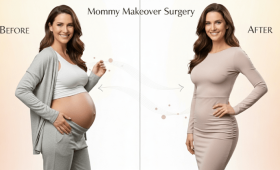
Cost and planning note (Mommy Makeover 2026)
The figures below are indicative market ranges, not a quote: your own price is confirmed after a clinical assessment.
Indicative price range: Standard Package: 4,500 – 7,500 USD | Advanced Combination: 8,000 – 12,000 USD | Tummy Tuck: 3,000 – 5,000 USD | Breast Lift: 2,500 – 4,500 USD | Liposuction Per Area: 500 – 1,500 USD | Bbl Fat Transfer: 3,500 – 5,500 USD
Facility standards: In Türkiye, any facility treating international patients must hold the Ministry of Health’s international health tourism authorisation; hospitals and medical centres must also be accredited by TÜSKA, and complication insurance is compulsory for procedures carried out in an operating theatre (Regulation of 26 April 2025).
Recovery Focus: Post-pregnancy body restoration & safety first.
Currency: GBP, EUR, USD accepted.
Correcting Post-Nursing Nipple Sensitivity Issues in Turkey
The Anatomical Architecture of Post-Pregnancy Restoration
The physiological metamorphosis following pregnancy and lactation involves profound changes to the integumentary and musculoskeletal systems. Beyond the visible changes in skin laxity, the structural integrity of the abdominal wall and the mammary tissue often undergoes significant remodeling. For many women, the resolution of breastfeeding marks a transition point where the desire to address permanent anatomical shifts—such as skin redundancy, ptosis, and muscular separation—becomes a priority. Achieving a successful restoration requires more than mere surface-level aesthetic adjustments; it demands a foundational reconstruction of the body’s core and contour.
At the heart of post-pregnancy restoration is the management of the abdominal envelope. During pregnancy, the expansion of the uterus exerts immense pressure on the rectus abdominis muscles, often leading to a condition known as Diastasis Recti. This is not merely a cosmetic concern regarding a “pooch” but a functional separation of the abdominal muscles. Advanced restorative procedures in Turkey focus on the internal stabilization of this area, ensuring that the abdominal wall regains its tension and structural strength.
Reconstructing the Core: Diastasis Recti and Abdominal Contouring
The cornerstone of a successful “Mommy Makeover” is the correction of the abdominal midline. Diastasis Recti repair involves internal corset suturing of the abdominal fascia. During this procedure, the surgeon meticulously sutures the separated edges of the rectus abdominis, essentially creating a biological corset that tightens the midsection from the inside out. This technique provides the necessary tension to support the abdominal wall and reduce the circumference of the waist.
Depending on the degree of skin laxity and the extent of muscle separation, surgeons offer three primary abdominal-reconstruction modalities:
- Mini Abdominoplasty: Targeted at patients with localized skin laxity in the lower abdomen, involving a smaller incision and minimal disruption to the surrounding tissue.
- Full Abdominoplasty: A comprehensive approach for patients experiencing significant skin redundancy and muscle separation, extending the incision toward the flanks to ensure a seamless contour.
- Extended (360) Tummy Tuck: The gold standard for total body reconfiguration, addressing the abdomen, flanks, and lower back to create a continuous, circumferential tightening.
术
To complement the structural repair of the fascia, advanced liposuction techniques are often integrated to refine the flanks and hips. Vaser Liposuction is used for high-definition contouring with minimal bruising. Unlike traditional methods, Vaser technology uses ultrasound energy to emulsify fat cells specifically, preserving the surrounding connective tissue and nerves, which results in a more sculpted, “high-def” appearance and a significantly smoother recovery period.
Mammary Reconstruction: Addressing Ptosis and Volume Loss
The period of nursing often results in significant changes to the mammary glands, frequently characterized by glandular atrophy and tissue ptosis (sagging). While the user may be focused on the sensitivity or texture of the nipple-areola complex, the broader restorative goal is often the restoration of the breast’s projection and volume. This is achieved through Mastopexy (breast lift) and, when necessary, augmentation.
A successful breast lift focuses on repositioning the nipple-areola complex (NAC) to a more youthful, anatomical height while removing excess dermal tissue. To restore the lost volume that occurs after the cessation of lactation, surgeons utilize high-grade, JCI-approved implants, such as Mentor, Motiva, or Polytech. These implants are engineered with advanced shell textures and cohesive gel properties to mimic the natural feel of breast tissue while minimizing the risk of capsular contracture.
“The true objective of mammary reconstruction is the restoration of the inframammary fold and the projection of the nipple-areola complex, ensuring that the aesthetic outcome is both symmetrical and anatomically natural.”
The Synergy of Fat Transfer and BBL
For patients seeking a more organic transition between the reconstructed abdomen and the hips, the Brazilian Butt Lift (BBL) remains a transformative component of the restoration foundation. This procedure leverages the fat harvested during Vaser Liposuction. Through BBL fat transfer, the processed adipose tissue is injected into the gluteal region to enhance projection and curvature, effectively creating the “hourglass” silhouette that is often lost during the postpartum period.
Safety Benchmarks and the Turkish Global Hub
Turkey has emerged as the global epicenter for advanced Mommy Makeovers due to a unique convergence of surgical expertise, technological integration, and rigorous safety protocols. The Turkish medical landscape is defined by a commitment to international standards, specifically those set by the Joint Commission International (JCI). This ensures that the surgical theaters, anesthesia protocols, and post-operative care units meet the highest global benchmarks for patient safety.
The prevalence of Turkey as a hub is driven by the ability to perform complex, multi-stage surgeries—combining abdominoplasty, mastopexy, and liposuction—within a single anesthetic event. This multidisciplinary approach reduces the number of required surgeries and optimizes the physiological healing process.
Clinical Logistics and the Recovery Protocol
The logistics of undergoing restorative surgery in Turkey are designed to minimize patient stress and prioritize clinical outcomes. The process begins long before arrival, through free online video assessments with board-certified plastic surgeons, allowing for precise preoperative planning and personalized surgical design.
Upon arrival, the patient experience is managed via a highly coordinated medical tourism framework:
- Arrival: Seamless transit via Istanbul (IST) or Antalya (AYT) airports.
- Transportation: VIP private transfers from airport to clinic ensure privacy and comfort.
- Accommodation: Recovery is centered in 5-star recovery suites with companion stay included, providing a sterile yet luxurious environment for postoperative healing.
Post-operative management is critical. Patients should anticipate a recovery of 7-10 days in Turkey to ensure initial wound healing and stabilization before departure. However, for the structural integrity of the internal suturing and the fat graft integration, a 6-week period is required before a full return to strenuous exercise.
Financial Transparency and Investment in Restoration
Understanding the investment required for these complex procedures is essential for long-term planning. Turkey offers high-tier surgical excellence at a fraction of the cost found in Western Europe or North America. The following figures represent the standard investment for these restorative foundations:
| Procedure / Package | Estimated Cost (USD) |
|---|---|
| Standard Restoration Package | 4,500 – 7,500 USD |
| Advanced Combination Package | 8,000 – 12,000 USD |
| Abdominoplasty (Tummy Tuck) | 3,000 – 5,000 USD |
| Mastopexy (Breast Lift) | 2,500 – 4,500 USD |
| Liposuction (Per Area) | 500 – 1,500 USD |
| BBL Fat Transfer | 3,500 – 5,500 USD |
…
…
- …
…
…
The Surgical Architecture of Post-Nursing Reconstruction
Correcting the aesthetic and structural aftermath of breastfeeding—specifically addressing nipple inversion, areolar expansion, and loss of parenchymal volume—rarely exists in isolation. For many patients, the physiological changes following multiple pregnancies involve a simultaneous degradation of the abdominal wall and the mammary tissue. The surgical transformation in Turkey focuses on a synergistic approach, where a Mastopexy (breast lift) or Augmentation is often integrated with abdominal contouring to restore the patient’s pre-pregnancy silhouette.
The procedure involves the precise repositioning of the Nipple-Areola Complex (NAC). When nursing has caused the nipple to lose projection or become hypersensitive due to tissue stretching, surgeons utilize advanced techniques to tighten the overlying skin and stabilize the underlying glandular tissue. In more complex cases, the use of high-quality, JCI-approved implants—such as Motiva, Mentor, or Polytech—provides the necessary structural foundation to ensure the nipple maintains a healthy, forward projection.
Case Study: Restoring Confidence for a 34-Year-Old Irish Mother of Three
To understand the profound impact of a combined surgical itinerary, consider the journey of “Aoife,” a 34-year-old mother of three from Ireland. Following her third child, Aoife presented with significant ptosis (sagging), nipple inversion, and a pronounced “pooch” caused by significant muscle separation. Her primary concern was the loss of sensation and the aesthetic irregularity of her breasts, but she also struggled with the physical heaviness of her abdomen.
Aoife opted for an advanced_combination surgical plan. This was not merely a breast lift; it was a total torso reconstruction. Her procedure included a Mastopexy to correct the nipple position, a Full Tummy Tuck to address skin laxity, and a Diastasis Recti repair to close the abdominal gap. By addressing these interconnected anatomical issues in a single surgical event, Aoife achieved a cohesive transformation that a single-site surgery could not have provided.
“The decision to undergo a combination surgery was driven by the desire for a singular, transformative recovery. Instead of multiple procedures and separate healing periods, the integrated approach allowed for a total anatomical reset.”
The Technical Step-by-Step: From Incision to Contour
The surgical process is a meticulous sequence of anatomical reconstructions. While every patient’s itinerary is bespoke, the following technical stages represent the standard for advanced combination transformations:
- Stage 1: Mammary Reconstruction: The surgeon performs a Mastopexy to excise excess skin and reposition the NAC. If volume is lacking, implants are placed via a submuscular or dual-plane technique. The precision of the suturing is critical to maintaining nerve integrity and minimizing post-operative numbness.
- Stage 2: Abdominal Wall Repair (Diastasis Recti): In cases of postpartum muscle separation, the surgeon performs a Diastasis Recti repair, which involves internal corset suturing of the abdominal fascia. This creates a biological “corset” that tightens the midsection from the inside out.
- Stage 3: Advanced Contouring (Vaser Lipo): To refine the flanks and waistline, Vaser Liposuction is used for high-definition contouring with minimal bruising. This ultrasonic technology emulsifies fat cells with extreme precision, allowing the surgeon to sculpt the abdomen without the trauma of traditional liposuction.
- Stage 4: Skin Closure and Tension Management: Depending on the patient’s needs, the surgeon may implement a Full, Mini, or Extended (360) Tummy Tuck, ensuring that the skin tension is distributed evenly to prevent hypertrophic scarring.
JCI Safety Standards and Clinical Excellence
When undergoing complex, multi-site surgeries, the safety of the surgical environment is paramount. The clinics utilized by Cure Holiday specialists adhere to the highest international benchmarks, specifically the Joint Commission International (JCI) standards. This ensures that every aspect of the patient journey—from the sterilization of surgical instruments to the anesthetic protocols—is monitored under rigorous global quality frameworks.
The use of premium, biocompatible materials is non-negotiable. Whether the procedure requires liposuction_per_area or the placement of highly sophisticated implants, the materials used are selected for their long-term stability and low rejection rates. Furthermore, the surgical team’s proficiency in managing complex, multi-stage procedures ensures that the physiological stress of a combination surgery is mitigated through optimized intraoperative care.
The Patient Logistics and Investment Breakdown
The transformation journey in Turkey is designed as a seamless transition from medical care to luxury convalescence. The logistics are engineered to remove the stress of travel, allowing the patient to focus entirely on the 7-10 days in Turkey required for the initial acute recovery phase. After this period, patients are advised that 6 weeks for full exercise return is necessary to ensure the integrity of the internal suturing and fat grafting.
The travel experience includes VIP private transfers from airport to clinic, arriving at Istanbul (IST) or Antalya (AYT). Post-operatively, patients reside in 5-star recovery suites with companion stay included, providing a sterile yet comfortable environment for healing. Before any surgical intervention, patients can undergo free online video assessments with board-certified plastic surgeons to tailor their specific surgical plan.
Understanding the financial investment is crucial for surgical planning. The following are the estimated costs for the procedures discussed:
- standard_package: 4,500 – 7,500 USD
- advanced_combination: 8,000 – 12,000 USD
- tummy_tuck: 3,000 – 5,000 USD
- breast_lift: 2,500 – 4,500 USD
- liposuction_per_area: 500 – 1,500 USD
- bbl_fat_transfer: 3,500 – 5,500 USD
Neurological Restoration and the Nipple-Areola Complex
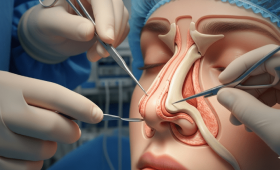
Post-nursing nipple sensitivity—often manifesting as hyperesthesia (excessive sensitivity) or dysesthesia (unpleasant, abnormal sensations)—is a complex neurological phenomenon. The physiological demands of lactation can lead to significant changes in the nipple-areola complex (NAC), including skin stretching, loss of elasticity, and altered nerve signaling within the intercostal nerve branches. For many patients, addressing these sensations requires more than aesthetic adjustment; it necessitates surgical techniques that prioritize the preservation of the vasculo-nervous bundle.
When pursuing corrective procedures in Turkey, such as a mastopexy (breast lift), the surgical focus is on repositioning the NAC while maintaining the integrity of the sensory nerves. Depending on the degree of tissue ptosis (sagging), surgeons may utilize Motiva, Mentor, or Polytech implants (all JCI approved) to restore volume. The objective is to alleviate the mechanical tension on the nipple tissue, which is often the primary driver of post-nursing discomfort. By reducing the tension on the underlying subcutaneous structures, the neurological hyper-reactivity of the nipple can be significantly moderated during the healing phase.
Integrated Body Contouring: Beyond the Breast
Many patients seeking to correct post-pregnancy changes find that nipple sensitivity is part of a broader anatomical shift. To achieve a cohesive aesthetic and physiological result, surgeons often recommend integrated procedures. For instance, addressing abdominal laxity via a tummy tuck can complement breast reconstruction by restoring the overall structural tension of the torso.
Technical options for abdominal reconstruction include:
- Full, Mini, or Extended (360) Tummy Tucks: Tailored to the extent of skin laxity and muscle separation.
- Diastasis Recti Repair: A critical component for postpartum recovery, involving the internal corset suturing of the abdominal fascia to close the gap between the rectus abdominis muscles.
- Vaser Liposuction: Utilized for high-definition contouring of the flanks and waist, this ultrasonic technology allows for precise fat removal with minimal bruising and accelerated recovery.
le BBL (Brazilian Butt Lift) Fat Transfer: Utilizing harvested adipose tissue to enhance gluteal projection.
“The success of reconstructive surgery for post-nursing changes lies in the delicate balance between tension-free wound closure and the preservation of microvascular and neural pathways.”
2026 Financial Projections: Turkey vs. UK/USA
As we look toward 2026, the cost disparity between Turkey and Western healthcare systems remains a significant driver for medical tourism. While the quality of care—utilising advanced technologies like Vaser Lipo and JCI-approved implants—is equivalent to London or New York, the operational efficiencies in Turkey allow for much more competitive pricing. Patients can plan their 2026 surgical budgets using the following estimated breakdowns:
- Standard Package (Corrective Mastopexy/Nipple focus): 4,500 – 7,500 USD
- Advanced Combination (Breast, Tummy, and Lipo): 8,000 – 12,000 USD
- Tummy Tuck (Abdominoplasty): 3,000 – 5,000 USD
- Breast Lift (Mastopexy): 2,500 – 4,500 USD
- Liposuction (Per targeted area): 500 – 1,500 USD
- BBL (Fat Transfer): 3,500 – 5,500 USD
These figures represent the total cost of the surgical intervention and the associated premium logistics, providing a transparent baseline for long-term medical planning.
Recovery Logistics and Post-Operative Care
The recovery phase for nipple and breast reconstruction requires a meticulously managed environment to prevent sudden physical strain, which could compromise the internal sutures or the placement of implants. The recovery timeline is generally structured into two distinct phases: the local intensive phase and the global reintegration phase.
The Turkish Stay: 7-10 Days
It is highly recommended that patients remain in Turkey for 7-10 days post-surgery. This period allows Cure Holiday specialists and your surgical team to monitor for any signs of hematoma, seroma, or unexpected nerve inflammation. During this window, your logistics are managed via:
- VIP Private Transfers: Seamless transport from Istanbul (IST) or Antalya (AYT) directly to your clinic and recovery suite.
- 5-Star Recovery Suites: Accommodation in premium suites where a companion stay is included, allowing a partner or caregiver to assist with the initial post-operative mobilization.
- Pre-Surgical Precision: Before your flight, patients can undergo free online video assessments with board-certified plastic surgeons to finalize the surgical plan and anatomical objectives.
Long-Term Integration: 6 Weeks
While the physical wounds may appear healed upon your return home, the internal remodeling of the fascia and the stabilization of the nipple-areola complex take longer. Patients must adhere to a strict protocol regarding physical exertion, with 6 weeks for a full return to exercise. During this period, avoiding heavy lifting and high-impact movements is non-negotiable to ensure the success of the internal corset suturing and the permanence of the contoured results.
Managing Childcare and Travel Logistics
For many mothers, the primary barrier to corrective surgery is not the cost, but the logistical challenge of managing childcare during the recovery window. When planning your 2026 itinerary, it is vital to coordinate the “fly-home” timeline with your domestic support systems. Because the first 7-10 days involve significant fatigue and restricted mobility, the recovery suite in Turkey serves as a controlled, low-stress environment. We recommend arranging childcare in your home country for at least the first two weeks following your return, allowing the initial inflammatory phase of the surgery to subside without the physical demands of parenting.
Considering a Mommy Makeover in Turkey? Get a Free Quote for your Correcting Post-Nursing Nipple Sensitivity Issues in Turkey Transformation with cureholiday.com
Free Consultation
Fill out the form below to get your free medical travel plan and price quote.
Sources and how to verify this yourself
- Ministry of Health, Regulation on International Health Tourism and Tourist Health, Official Gazette 26 April 2025, No. 32882 — authorisation requirement for facilities and intermediaries, TÜSKA accreditation, compulsory complication insurance (deadline 31 December 2025 for insurance, 31 December 2026 for accreditation). source
- Ministry of Health, Regulation on Promotion and Information Activities in Health Services, Official Gazette 12 November 2025, No. 33075 — treatment promises and guarantees are prohibited; price and campaign announcements are permitted only within international health tourism. source