Cost and planning note (Mommy Makeover 2026)
The figures below are indicative market ranges, not a quote: your own price is confirmed after a clinical assessment.
Indicative price range: Standard Package: 4,500 – 7,500 USD | Advanced Combination: 8,000 – 12,000 USD | Tummy Tuck: 3,000 – 5,000 USD | Breast Lift: 2,500 – 4,500 USD | Liposuction Per Area: 500 – 1,500 USD | Bbl Fat Transfer: 3,500 – 5,500 USD
Facility standards: In Türkiye, any facility treating international patients must hold the Ministry of Health’s international health tourism authorisation; hospitals and medical centres must also be accredited by TÜSKA, and complication insurance is compulsory for procedures carried out in an operating theatre (Regulation of 26 April 2025).
Recovery Focus: Post-pregnancy body restoration & safety first.
Currency: GBP, EUR, USD accepted.
Budgeting for the “Pre-Op” Phase: Consultations, Scans, and Lab Tests
The Diagnostic Foundation: Financial and Medical Planning for Pre-Operative Success
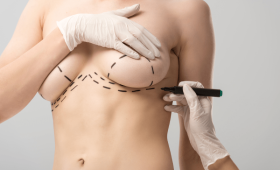
The architectural integrity of a successful Mommy Makeover is not determined solely in the operating theater, but rather during the meticulous “pre-op” phase. For patients seeking post-pregnancy restoration—specifically addressing the abdominal laxity of Diastasis Recti or the ptosis of the breast tissue—the budgetary focus often narrows prematurely to the surgical fee. However, true surgical excellence requires an upfront investment in diagnostic precision. Budgeting for the pre-operative phase involves accounting for comprehensive hematological profiles, metabolic panels, and advanced imaging to ensure the patient is a viable candidate for complex reconstructive procedures.
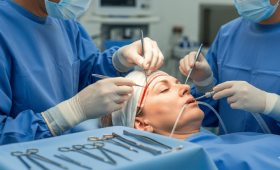
The pre-operative period serves as the critical window for identifying contraindications. In Turkey, the global hub for high-end aesthetic reconstruction, the approach to pre-op budgeting is integrated into the initial consultation process. This period is designed to transition a patient from a state of aesthetic desire to medical readiness, ensuring that the physiological foundations are robust enough to support the demands of anesthesia and the healing process of tissue reconfiguration.
Digital Consultations: The Zero-Cost Entry Point
The first stage of the pre-operative budget is perhaps the most accessible. Modern medical tourism has revolutionized the initial assessment through free online video assessments with board-pre-certified plastic surgeons. This digital screening allows patients to present photographic evidence of their post-pregnancy changes—such as skin redundancy or abdominal distension—allowing surgeons to provide a preliminary surgical plan without the need for immediate international travel.
During these virtual sessions, Cure Holiday specialists assist in coordinating the preliminary discussions. These assessments are crucial for determining which surgical modalities are required. For instance, a surgeon can evaluate whether a patient requires a Full, Mini, or Extended (360) Tummy Tuck, or if the abdominal wall requires the specific intervention of Diastasis Recti repair. By establishing these parameters virtually, patients can begin budgeting with a realistic understanding of the surgical scope before incurring travel costs.
The Cost of Surgical Reconfiguration: A Detailed Breakdown
Once the diagnostic phase confirms medical readiness, the budgetary focus shifts to the specific components of the Mommy Makeover. The financial planning for these procedures can be categorized into standard reconstructive packages and more complex, multi-area contouring.
- Standard Post-Pregnancy Package: Typically ranging from 4,500 – 7,500 USD, these packages focus on the core elements of restoration, often combining a primary procedure with essential supportive care.
- Advanced Combination Suite: For patients requiring significant volume redistribution and skin excision, the budget may range between 8,000 – 12,000 USD. This often includes a synergy of abdominal tightening and breast augmentation or lifting.
- Abdominal Reconstruction (Tummy Tuck): The investment for an abdominoplasty, depending on the extent of the excision, ranges from 3,000 – 5,000 USD.
- Mastopexy (Breast Lift): To address postpartum ptosis, the cost ranges from 2,500 – 4,500 USD.
- Adipose Transfer (BBL): If the plan includes fat grafting to restore hip or gluteal volume, the BBL fat transfer is budgeted between 3,500 – 5,500 USD.
- Targeted Liposuction: For peripheral contouring, liposuction per area is estimated at 500 – 1,500 USD.
“Precision in the pre-operative phase is the most effective way to mitigate intraoperative complications. Budgeting for thorough lab work and imaging is not an auxiliary cost; it is a fundamental component of surgical safety.”
Technical Specifications and Safety Benchmarks
Budgeting for the pre-op phase must also account for the high-specification technology utilized in Turkish surgical centers. The cost of these advanced modalities is reflected in the premium nature of the surgical packages. A critical component of the abdominal budget is the Diastasis Recti repair, which is not merely a cosmetic skin tightening but a functional reconstruction. This procedure involves the internal corset suturing of the abdominal fascia to close the separation of the rectus abdominis muscles, restoring core stability.
Furthermore, patients should budget for the use of state-of-the-art energy-based devices. For those seeking high-definition results, Vaser Liposuction is used for high-definition contouring with minimal bruising, allowing for smoother transitions between the abdomen and flanks. When planning for breast augmentation as part of the restoration, the budget accounts for the use of premium, JCI-approved implants such as Mentor, Motiva, or Polytech, ensuring long-term biocompatibility and structural integrity.
Logistical Integration: The Turkey Advantage
A significant portion of the pre-op and post-op budget is dedicated to the logistical seamlessness that defines the Turkish medical experience. The “Pre-Op” phase extends into the arrival phase, where the transition from clinical planning to physical recovery is managed with extreme precision. The logistical framework is built around minimizing patient stress, which is vital for post-surgical healing.
The logistical budget should encompass the following:
- Arrival Hubs: Most patients arrive via Istanbul (IST) or Antalya (AYT), the two primary international gateways for medical travelers.
- VIP Transit: To ensure the patient is not fatigued prior to surgery, VIP private transfers from airport to clinic are standard, providing a controlled, sterile, and comfortable environment for the transition to the medical facility.
- Recovery Accommodation: Post-operative care is facilitated in 5-star recovery suites with companion stay included. This allows for a controlled convalescence where the patient can focus on the 7-10 days in Turkey required for initial healing.
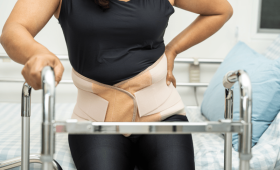
While the initial surgical intervention is the primary focus, the patient must also prepare for the physiological timeline of recovery. While the period in Turkey is relatively short, the budgetary planning should account for a longer period of lifestyle adjustment, as a 6 weeks for full exercise return is the standard medical benchmark for ensuring the integrity of the new fascial sutures and implant placement.
By viewing the pre-operative phase not as a series of disparate costs, but as a unified investment in diagnostic safety, high-specification technology, and logistical excellence, patients can approach their post-pregnancy restoration with both financial clarity and medical confidence.
The Pre-Operative Blueprint: Clinical Readiness and Financial Planning
The success of a complex surgical transformation is not determined solely within the operating theatre; it is established during the pre-operative phase. For patients considering high-level aesthetic reconstruction, such as a combination “Mommy Makeover,” the pre-op period serves two critical functions: clinical optimization and financial architecture. This phase involves a meticulous transition from the initial digital inquiry to the rigorous laboratory verification required to meet JCI (Joint Commission International) safety standards.
Effective budgeting for this phase requires understanding that surgical costs are categorized by the complexity of the anatomical reconstruction. While the initial consultation phase is designed to be accessible, the subsequent clinical pathway involves specialized diagnostic screenings to ensure the patient’s physiological readiness for anesthesia and multi-site tissue manipulation.
The Virtual Diagnostic: Assessing Surgical Feasibility
The journey begins with free online video assessments. This is a critical component of the modern patient journey, allowing board-certified plastic surgeons to perform a remote clinical evaluation of the patient’s candidacy. During these sessions, the surgeon evaluates skin elasticity, the degree of tissue laxity, and the presence of structural defects such as abdominal wall weakness.
For patients seeking body contouring, these assessments are used to determine the necessity of specific technologies. For example, if a patient presents with significant subcutaneous adipose tissue, the surgeon may plan for Vaser Liposuction. This specialized technique utilizes ultrasonic energy to emulsify fat cells, facilitating high-definition contouring with minimal bruising and much higher precision than traditional mechanical aspiration. The pre-op assessment also determines whether a patient requires a Full, Mini, or Extended (3levl 360) Tummy Tuck, depending on the extent of skin redundancy and muscular separation.
Financial Architecture: Navigating the Cost of Transformation
Transparency in medical budgeting is paramount to preventing “financial shock” during the recovery period. Costs in Turkey for high-end, JCI-accredited surgical care are highly modular, allowing patients to scale their procedures based on their specific anatomical needs. When budgeting, patients should distinguish between a standard aesthetic refinement and an advanced reconstructive combination.
Below is the standardized pricing structure for common surgical components:
- Standard Package (Comprehensive Aesthetic Refinement): 4,500 – 7,500 USD
- Advanced Combination Surgery (Multi-area Reconstruction): 8,000 – 12,000 USD
- Abdominoplasty (Tummy Tuck): 3,000 – 5,000 USD
- Mastopexy (Breast Lift): 2,500 – 4,500 USD
- Liposuction (Per individual treatment area): 500 – 1,500 USD
- BBL (Autologous Fat Transfer to Gluteal Region): 3,500 – 5,500 USD
It is vital to note that the Advanced Combination budget typically covers the synergistic effect of multiple procedures performed under a single anesthetic session, which optimizes the recovery timeline and reduces the total cost of intraoperative logistics compared to multiple separate surgeries.
Clinical Mandates: Laboratory Diagnostics and JCI Safety Protocols
Once the financial and surgical plan is agreed upon, the focus shifts to biological readiness. Adhering to JCI safety standards means that no surgery proceeds without a comprehensive metabolic and hematological profile. This includes, but is not limited to, complete blood counts (CBC), coagulation profiles (PT/PTT), and glucose monitoring to ensure the patient can withstand the physiological stress of surgery.
In complex abdominal reconstructions, the pre-op imaging and physical examination focus heavily on Diastasis Recti repair. This procedure involves the internal corset suturing of the abdominal fascia to close the separation of the rectus abdominis muscles. The surgeon must verify the integrity of the underlying musculature during the pre-op phase to plan the tension required for the suturing.
Furthermore, for patients opting for augmentation, the selection of medical-grade implants is finalized during the pre-op phase. To maintain international safety benchmarks, only JCI-approved implants are utilized, specifically Mentor, Motiva, or Polytech. These brands are selected based on their cohesive gel properties and shell integrity, ensuring long-term biocompatibility and minimized capsular contracture risks.
“The precision of a surgical outcome is a direct reflection of the thoroughness of the pre-operative diagnostic phase. We do not merely plan for the incision; we plan for the biological integration of the reconstruction.”
Case Study: Siobhan’s Journey to Restorative Surgery
To understand how these variables converge, consider the case of Siobhan, a 34-year-old Irish mother of three. Siobhan’s primary concern was postpartum physical changes, specifically abdominal distension and loss of upper breast volume. Her clinical needs required an Advanced Combination approach.
During her free online video assessment, the surgeon identified significant Diastasis Recti, necessitating an Extended (360) Tummy Tuck to address the abdominal fascia. To complement the abdominal contouring, Siobhan opted for Vaser Liposuction on the flanks to create a seamless transition into a BBL (Fat Transfer), and a Breast Lift to restore upper pole fullness.
Siobhan’s budget was structured around the 8,000 – 12,000 USD advanced tier. Her pre-op period involved a rigorous period of medical clearance, including bloodwork to ensure her hemoglobin levels were optimal for the fat transfer process. By planning this combination surgery in a single window, Siobhan was able to manage both the clinical complexity and the logistical transition from Ireland to Turkey efficiently.
The Arrival Protocol: Transitioning from Assessment to Recovery
The final stage of the pre-op phase is the logistical coordination. For patients arriving via Istanbul (IST) or Antalya (AYT), the transition from the airport to the clinical environment is managed via VIP private transfers. This minimizes patient stress and reduces the risk of post-operative fatigue.
The recovery infrastructure is designed to mirror the premium nature of the surgical care. Patients are accommodated in 5-star recovery suites, which are engineered for post-surgical monitoring. These suites often feature companion stay inclusions, allowing a partner or family member to assist with the patient’s needs during the acute 7-10 days in Turkey. While the patient can begin light movement almost immediately, the clinical protocol mandates a 6-week period before a full return to strenuous exercise, a timeline that must be integrated into the patient’s pre-operative travel and work planning.
The Clinical Foundation: Precision Planning in the Pre-Operative Phase
Successful aesthetic transformation is not merely a result of surgical execution; it is the product of rigorous pre-operative clinical benchmarking. Before a patient ever arrives at Istanbul (IST) or Antalya (AYT), a sophisticated diagnostic roadmap must be established. This “Pre-Op” phase is the period where medical necessity meets aesthetic ambition, involving a meticulous evaluation of anatomical structures, hematological stability, and structural integrity.
Budgeting for this phase requires an understanding that the financial investment covers more than just the surgeon’s time. It encompasses the diagnostic imaging, the biochemical screening, and the digital consultations that ensure the subsequent recovery—the 7-10 days in Turkey—is both safe and optimized for the 6 weeks required for a full return to exercise.
Digital Consultations and Virtual Anatomical Assessment
In the modern era of medical tourism, the initial phase of the budget begins with remote clinical engagement. Cure Holiday specialists facilitate free online video assessments with board-certified plastic surgeons. This is far from a simple aesthetic discussion; it is a high-level clinical screening designed to determine surgical candidacy.
During these digital sessions, surgeons perform a visual analysis of skin elasticity, subcutaneous fat distribution, and muscular tension. For patients considering abdominal contouring, the surgeon will assess the degree of Diastasis Recti. Understanding whether the patient requires a Full, Mini, or Extended (360) Tummy Tuck is a critical budgetary component, as the complexity of the internal corset suturing of the abdominal fascia directly impacts the surgical duration and resource allocation.
Diagnostic Benchmarking: Laboratory and Radiologic Requirements
Once the virtual consultation confirms candidacy, the budget must account for the “Pre-Op” diagnostic panel. This is the most critical element of risk mitigation. A comprehensive laboratory profile is non-negotiable to ensure hemodynamic stability during anesthesia. Essential screenings include:
- Hematological Profile: Complete Blood Count (CBC) to assess hemoglobin levels and platelet counts, ensuring no underlying anemia or clotting disorders.
- Coagulation Profile: Prothrombin time (PT) and International Normalized Ratio (INR) to mitigate the risk of intraoperative hemorrhage.
- Metabolic Panel: Evaluation of glucose levels (HbA1c) and renal function (Creatinine/BUN) to ensure the body can handle the physiological stress of lipo-sculpting or tissue rearrangement.
- Radiological Imaging: In advanced body contouring, high-resolution scans are used to map fat depots. This is particularly vital when planning Vaser Liposuction, as the technology is used for high-definition contouring with minimal bruising by targeting specific ultrasonic frequencies within the adipose tissue.
“The precision of the surgical outcome is fundamentally limited by the accuracy of the pre-operative diagnostic data. Without rigorous blood chemistry and structural imaging, the surgeon cannot guarantee the integrity of the final contour.”
The Financial Framework: Comprehensive Cost Breakdown
Budgeting for aesthetic surgery in Turkey involves distinguishing between the procedural costs and the comprehensive care packages. For patients migrating from the UK or USA, the cost-benefit analysis is driven by the ability to access premium technology—such as JCI-approved Mentor, Motiva, or Polytech breast implants—at a fraction of Western prices.
When planning your 2026 medical itinerary, the following cost structures should be utilized for accurate financial forecasting:
- Standard Surgical Packages: 4,500 – 7,500 USD (Typically covering single-area procedures with basic post-op monitoring).
- Advanced Combination Packages: 8,000 – 12,000 USD (Designed for multi-area contouring, such as simultaneous Liposuction and BBL).
- Abdominal Contouring (Tummy Tuck): 3,000 – 5,000 USD (Includes the complexity of fascia repair).
- Mastopexy (Breast Lift): 2,500 – 4,500 USD (Focusing on nipple repositioning and tissue elevation).
- Liposuction (Per Individual Area): 500 – 1,500 USD (Variable based on the density of the adipose tissue).
- BBL (Brazilian Butt Lift) Fat Transfer: 3,500 – 5,500 USD (Includes the specialized processing of harvested fat).
Integrating Pre-Op Planning with Post-Op Logistics
The budget allocated for the “Pre-Op” phase directly informs the logistical requirements of the “Post-Op” phase. A well-planned pre-operative period allows for the seamless transition into the 5-star recovery suites. Because the surgical plan (whether it be a Mini Tummy Tuck or an Extended 360 approach) is finalized during the diagnostic stage, the recovery logistics can be customized to the patient’s specific mobility needs.
For instance, patients undergoing extensive Diastasis Recti repair will require a more sedentary recovery environment. This necessitates the booking of 5-star recovery suites with companion stay included, ensuring that the VIP private transfers from airport to clinic and subsequent hotel stays are managed with the utmost care. The logistics are not merely about transport; they are about creating a controlled environment that supports the 7-10 days of essential healing in Turkey.
By meticulously budgeting for the pre-operative scans, labs, and consultations, patients ensure that the structural groundwork is laid for a seamless transition from the operating theatre to the luxury of their recovery suite, ultimately paving the way for a successful 6-week reintegration into their active lifestyles.
Considering a Mommy Makeover in Turkey? Get a Free Quote for your Budgeting for the “Pre-Op” Phase Transformation with cureholiday.com
Free Consultation
Fill out the form below to get your free medical travel plan and price quote.
Sources and how to verify this yourself
- Ministry of Health, Regulation on International Health Tourism and Tourist Health, Official Gazette 26 April 2025, No. 32882 — authorisation requirement for facilities and intermediaries, TÜSKA accreditation, compulsory complication insurance (deadline 31 December 2025 for insurance, 31 December 2026 for accreditation). source
- Ministry of Health, Regulation on Promotion and Information Activities in Health Services, Official Gazette 12 November 2025, No. 33075 — treatment promises and guarantees are prohibited; price and campaign announcements are permitted only within international health tourism. source