Cost and planning note (Mommy Makeover 2026)
The figures below are indicative market ranges, not a quote: your own price is confirmed after a clinical assessment.
Indicative price range: Standard Package: 4,500 – 7,500 USD | Advanced Combination: 8,000 – 12,000 USD | Tummy Tuck: 3,000 – 5,000 USD | Breast Lift: 2,500 – 4,500 USD | Liposuction Per Area: 500 – 1,500 USD | Bbl Fat Transfer: 3,500 – 5,500 USD
Facility standards: In Türkiye, any facility treating international patients must hold the Ministry of Health’s international health tourism authorisation; hospitals and medical centres must also be accredited by TÜSKA, and complication insurance is compulsory for procedures carried out in an operating theatre (Regulation of 26 April 2025).
Recovery Focus: Post-pregnancy body restoration & safety first.
Currency: GBP, EUR, USD accepted.
Correcting “Mummy Shoulders”: Integrating Minor Orthopedics into the Trip
The Biomechanics of Post-Pregnancy Structural Shifts
The phenomenon colloquially referred to as “Mummy Shoulders” is rarely a localized issue of the scapula; rather, it is a systemic postural compensation resulting from significant changes in the body’s center of gravity. Following pregnancy, the combination of diastasis recti (the separation of the rectus abdominis muscles) and mammary ptosis (breast sagging) creates a forward-weighted anterior chain. This structural imbalance forces the thoracic spine into kyphosis, leading to the rounded, fatigued shoulder posture often seen in postpartum patients.
True restoration, therefore, requires more than superficial skin tightening. It necessitates a foundational reconstruction of the abdominal wall and the thoracic silhouette. Integrating minor orthopedic considerations into a “Mommy Makeover” involves addressing the structural integrity of the core to allow the spine to return to a neutral, upright position. By repairing the abdominal fascia and repositioning the mammary tissue, we essentially re-center the body’s mass, alleviating the mechanical stress on the upper trapezius and cervical spine.
Abdominal Reconstruction: Beyond Surface Aesthetics
The cornerstone of post-pregnancy restoration is the correction of the abdominal wall. While many patients focus on the removal of excess skin, the clinical priority is the management of the linea alba. A primary complication of multiple pregnancies is Diastasis Recti repair, a procedure that goes far deeper than a standard cosmetic incision. This surgical intervention involves internal corset suturing of the abdominal fascia, effectively pulling the separated muscle bellies back to the midline to create a stable, functional abdominal wall. This “internal corset” provides the necessary tension to support the visceral organs and prevent the protrusion of the midsection.
Depending on the extent of skin laxity and muscle separation, surgeons offer several specialized approaches:
- Mini-Abdominoplasty: Targeted at patients with localized skin laxity in the lower quadrant, preserving the integrity of the upper abdominal musculature.
- Full Abdominoplasty: A comprehensive approach involving the removal of excess skin and significant muscle tightening across the entire abdominal plane.
- Extended (360) Tummy Tuck: An advanced technique that extends the incision and tensioning around the flanks, addressing lateral skin laxity and providing a seamless transition into the hips and waist.
The cost of these procedures varies based on the complexity of the reconstruction. A tummy_tuck alone typically ranges from 3,000 – 5,000 USD, while more complex, comprehensive abdominal reshaping is integral to the broader package pricing.
Mastopexy and Augmentation: Restoring the Upper Torso
The upper quadrant of the “Mommy Makeover” focuses on reversing mammary ptosis. The goal of a breast_lift (mastopexy) is to reposition the nipple-areola complex to a superior anatomical position while removing redundant glandular or cutaneous tissue. For patients experiencing significant volume loss, this is frequently paired with augmentation to restore the projection and fullness of the breast.
Safety and biocompatibility are the paramount concerns in breast reconstruction. In Turkey, the gold standard involves the use of JCI-approved implants, specifically Mentor, Motiva, or Polytech. These implants are engineered with advanced cohesive gel technology to mimic the natural feel of adipose tissue while maintaining structural stability. The choice between a submuscular or subglandular placement depends on the patient’s existing tissue density and the degree of ptosis present.
High-Definition Contouring and Adipose Transfer
To complement the structural repairs of the abdomen and breasts, advanced lipoplasty is often integrated to refine the waistline and flanks. The use of Vaser Liposuction has revolutionized this aspect of the procedure. Unlike traditional suction-assisted lipectomy, Vaser technology utilizes low-frequency ultrasound to selectively emulsify fat cells without damaging surrounding nerves, blood vessels, or skin tissue. This precision allows for high-definition contouring with minimal bruising, preserving the delicate anatomical edges of the musculature.
In many advanced cases, the harvested fat is not discarded but utilized for BBL_fat_transfer (Brazilian Butt Lift). This process involves injecting processed, autologous fat into the gluteal region to enhance projection and shape. The pricing for these contouring elements is as follows:
- Liposuction per area: 500 – 1,500 USD
- BBL_fat_transfer: 3,500 – 5,500 USD
The Turkey Advantage: Economic Efficiency and Clinical Excellence
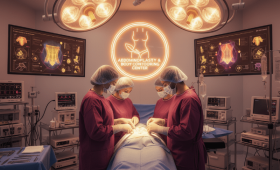
Turkey has emerged as the global epicenter for the “Mommy Makeover” due to a unique convergence of high-tier surgical expertise and significant cost advantages. The ability to combine multiple complex procedures—such as a tummy tuck, breast lift, and liposuction—into a single anesthetic event significantly reduces the cumulative risks of surgery and the overall financial burden.
“The economic advantage of Turkey does not stem from a reduction in quality, but from an optimized medical infrastructure that allows for the high-volume execution of complex aesthetic reconstructions at a fraction of Western costs.”
For patients planning their journey, the financial landscape is highly transparent:
- Standard Package (Foundational Restoration): 4,500 – 7,500 USD
- Advanced Combination (Comprehensive Reconstruction): 8,000 – 12,000 USD
Logistics, Safety, and the Recovery Timeline
A successful surgical outcome is heavily dependent on the post-operative environment. The medical tourism infrastructure in Turkey is designed to support the delicate recovery phase of major reconstructive surgery. This includes VIP private transfers from the airport—typically Istanbul (IST) or Antalya (AYT)—directly to specialized care settings. Patients are accommodated in 5-star recovery suites with companion stay included, ensuring that the post-surgical period is managed in a sterile, high-comfort environment that minimizes the risk of infection or physical strain.
Patient preparation begins well before arrival. Cure Holiday specialists facilitate free online video assessments with board-certified plastic surgeons, allowing for precise preoperative planning and the establishment of surgical benchmarks.
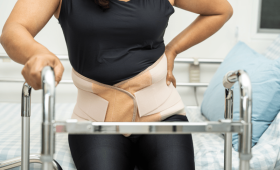
While the physical recovery requires discipline, the timeline is predictable. The initial recovery period in Turkey lasts approximately 7-10 days, during which the patient is monitored for lymphatic drainage and wound healing. However, patients must adhere to a strict physiological protocol for the following months; a 6 weeks for full exercise return is mandatory to ensure the integrity of the internal sutures and the stability of the newly implanted or transferred tissue.
The Structural Mechanics of Post-Pregnancy Transformation
The term “mummy shoulders”—characterized by a rounded, forward-slumping posture—is rarely a purely aesthetic concern. It is often the external manifestation of profound internal structural changes. For many women, the physiological toll of multiple pregnancies results in more than just skin laxity; it involves the widening of the linea alba, known clinically as Diastasis Recti. When the abdominal wall loses its integrity, the center of gravity shifts, forcing the upper thoracic spine into kyphosis and the shoulders into a permanent state of protraction.
Correcting this requires a sophisticated integration of minor orthopedic repair and advanced aesthetic contouring. Modern surgical techniques in Turkey have evolved beyond simple skin removal. The focus has shifted toward a comprehensive “reconstruction” approach. This involves Diastasis Recti repair, which involves internal corset suturing of the abdominal fascia. By tightening the underlying musculature, surgeons essentially rebuild the body’s natural “corset,” providing the structural foundation necessary to support the weight of the chest and alleviate the postural strain on the shoulders and upper back.
Case Study: Reclaiming Symmetry—A Journey from Dublin to Istanbul
“After my third child, I felt like my body was no longer my own. The physical heaviness in my midsection was pulling my entire posture forward. I didn’t just want to look better; I wanted to feel structurally sound again.”
Siobhán, a 34-year-old Irish mother of three, exemplifies the modern patient seeking a multi-dimensional transformation. Her journey began not in a clinic, but through free online video assessments with board-certified plastic surgeons. During these remote consultations, surgeons were able to evaluate her abdominal separation and skin elasticity via high-definition imaging, allowing for a precise preoperative plan.
Siobhán’s procedure was an advanced combination surgery, designed to address both the aesthetic and the structural. The surgical itinerary included a Full Tummy Tuck (Abdominoplasty) paired with a Breast Lift (Mastopexy) and targeted Vaser Liposuction. The Vaser technology was critical for Siobhans’s needs, as it is used for high-definition contouring with minimal bruising, allowing for the sculpting of the flanks without the trauma associated with traditional cannula methods. By addressing the abdominal fascia and the breast volume simultaneously, the surgical team was able to reset her physical midline, effectively correcting the “slumping” effect caused by her previous abdominal weakness.
The Technical Precision of Combination Surgeries
The efficacy of a “trip-based” surgery relies on the surgeon’s ability to execute multiple anatomical corrections in a single session. This requires meticulous planning of incisions and anesthesia duration. Patients often choose between different levels of abdominal reconstruction based on their specific degree of laxity:
- Mini Tummy Tuck: Focused on the lower abdomen, ideal for patients with localized skin laxity.
- Full Tummy Tuck: Addresses the entire abdominal region, including the area around the navel.
- Extended (360) Tummy Tuck: A comprehensive approach that includes the flanks, often paired with liposuction to create a seamless wrap-around effect.
To ensure the longevity of the aesthetic result, the choice of medical-grade materials is non-negotiable. For those undergoing breast augmentation as part of their transformation, only JCI-approved implants are utilized, specifically from premium manufacturers such as Mentor, Motiva, or Polytech. These implants are engineered to mimic the natural feel of adipose tissue while maintaining structural integrity under the repaired pectoral muscles.
Logistics, Safety, and the Recovery Protocol
The transition from surgery to recovery is managed through a highly choreographed logistical framework. Upon arrival at Istanbul (IST) or Antalya (AYT), patients are met by VIP private transfers that transport them directly to their accommodation. The recovery period is spent in 5-star recovery suites with companion stay included, ensuring that the patient has the necessary support for post-operative mobility.
Safety is anchored by the rigorous standards of the Joint Commission International (JCI). Every aspect of the surgical journey, from the sterilization of the Vaser equipment to the post-operative monitoring of the fascia sutures, adheres to these global benchmarks. The recovery timeline is structured to balance healing with travel constraints:
- Initial Recovery: 7-10 days in Turkey for wound monitoring, suture removal, and initial swelling management.
- Physical Rehabilitation: A period of restricted movement, avoiding heavy lifting to protect the internal corset sutures.
- Full Return to Activity: A 6 weeks for full exercise return, allowing the internal abdominal fascia to fully integrate with the new tension.
Investment in Transformation: Cost Transparency
Achieving a structural and aesthetic overhaul requires a clear understanding of the financial commitment. By consolidating multiple procedures into a single surgical trip, patients significantly reduce the cumulative costs of international travel, accommodation, and anesthesia fees.
| Procedure Type | Estimated Investment |
|---|---|
| Standard Package (Single Procedure) | 4,500 – 7,500 USD |
| Advanced Combination Surgery | 8,000 – 12,000 USD |
| Tummy Tuck (Individual) | 3,000 – 5,000 USD |
| Breast Lift (Individual) | 2,500 – 4,500 USD |
| Liposuction (Per Area) | 500 – 1,500 USD |
| BBL / Fat Transfer | 3,500 – 5,500 USD |
The Clinical Intersection: Reconstructing the Post-Pregnancy Silhouette
Addressing “mummy shoulders” and the associated postural shifts following pregnancy requires a sophisticated intersection of soft tissue contouring and minor orthopedic-style reconstruction. While the term is often used colloquially to describe upper body tension and deltoid/trapezius laxity, the clinical reality involves the correction of fascial tension and skin redundancy. When patients integrate these procedures into a single surgical itinerary, the complexity of the recovery necessitates a highly orchestrated logistical plan.
A primary component of this reconstruction is the management of the abdominal wall. Advanced patients often require Diastasis Recti repair, a procedure that involves the intricate internal corset suturing of the abdominal fascia. This is not merely an aesthetic refinement but a structural restoration designed to provide core stability. When paired with Vaser Liposuction—which utilizes ultrasonic technology for high-definition contouring with minimal bruising—the surgical goal is to achieve a streamlined, anatomical silhouette that addresses both subcutaneous fat and muscular separation.
For those seeking comprehensive body remodeling, the surgical scope can range from Full, Mini, or Extended (360) tummy tuck options to advanced fat grafting. The integration of BBL fat transfer (typically ranging from 3,500 USD to 5,500 USD) with upper body contouring requires a recovery environment that supports metabolic healing and prevents graft loss. Furthermore, the use of high-specification implants—specifically Mentor, Motiva, or Polytech (JCI approved)—ensures that the structural integrity of the breast reconstruction is matched by long-term biocompatibility.
“The success of complex multi-area contouring is not determined solely in the operating theatre, but by the precision of the post-operative physiological management and the stability of the recovery environment.”
The Logistics of Recovery: Post-Op Villa Management and Childcare
The transition from the surgical suite to a recovery environment is the most critical phase of the medical itinerary. For patients undergoing “combination” procedures, the standard protocol involves a 7-10 day period in Turkey. This window is designed to monitor for immediate post-operative complications, such as seromas or hematomas, while allowing the initial inflammatory phase of healing to subside.
To facilitate this, the premium recovery model utilizes 5-star recovery suites with companion stay included. This is a vital consideration for mothers traveling with family. The logistics of “The Trip” involve managing the delicate balance between medical seclusion and family cohesion. High-end recovery villas in regions such as Antalya or Istanbul allow the patient to remain in a sterile, tranquil environment while ensuring that childcare logistics are managed via VIP private transfers and dedicated concierge services. This prevents the physical strain that would otherwise be caused by navigating complex travel hubs or managing young children during the acute healing phase.
The arrival and departure architecture is designed for zero-friction movement. Upon landing at Istanbul (IST) or Antalya (AYT), patients are met by medical transport teams to ensure that the physiological stress of travel does not compromise the surgical site. This seamless transition is essential when the patient is recovering from procedures involving significant lymphatic disruption, such as large-scale liposuction or 360-degree abdominoplasty.
The Fly-Home Protocol: Managing Physiological Transitions
One of the most significant concerns for patients returning to the UK or USA is the “fly-home” timeline. The biological imperative following extensive body contouring is to avoid prolonged periods of stasis, which can increase the risk of Deep Vein Thrombosis (DVT). While the initial 7-10 days in Turkey are spent in a controlled, high-care setting, the return flight must be timed to coincide with the stabilization of the vascular system.
Patients must adhere to a strict physiological timeline:
- Days 1-7: Acute recovery in a specialized suite; focus on lymphatic drainage and wound monitoring.
- Day 7-10: Evaluation for flight readiness; implementation of medical-grade compression garments.
- Weeks 2-6: Transition to home environment; restriction of heavy lifting and impact activities.
- 6 Weeks Post-Op: The threshold for full exercise return and the resumption of high-intensity physical activity.
During the transit period, the use of medical-grade compression is non-negotiable. This ensures that the structural work—specifically the internal corset suturing and the newly placed Motiva or Mentor implants—remains compressed against the subcutaneous tissue, minimizing the risk of fluid accumulation (seroma) during the pressure changes associated with long-haul flights.
2026 Financial Projection: The Comparative Value Analysis
When planning a medical itinerary for 2026, the disparity between Turkish medical tourism and domestic healthcare in the UK or USA remains profound. The “All-Inclusive” model in Turkey provides a level of surgical density that is financially unattainable in Western private practice. Below is a breakdown of the projected 2026 costs for the core components of a body reconstruction trip.
Primary Surgical Components:
- Standard Package (Single Area/Basic Contour): 4,500 USD – 7,500 USD
- Advanced Combination (Multi-Area/Complex Reconstruction): 8,000 USD – 12,000 USD
- Tummy Tuck (Full/Extended/360): 3,000 USD – 5,000 USD
- Breast Lift (Mastopexy): 2,500 USD – 4,500 USD
- Liposuction (Per target area): 500 USD – 1,500 USD
- BBL Fat Transfer (Gluteal Augmentation): 3,500 USD – 5,500 USD
In the UK or USA, a single Tummy Tuck combined with Liposuction and Breast Implants can easily exceed 30,000 USD when factoring in surgeon fees, anesthesia, hospital stays, and post-operative care. The Turkish model allows for the Advanced Combination package—which includes the higher-cost Diastasis Recti repair and Vaser HD contouring—to be completed for a fraction of the cost, while simultaneously including the 5-star recovery suite and VIP transfers within the localized budget. This enables patients to allocate funds toward the highest tier of surgical technology and recovery luxury, rather than merely covering the baseline cost of the procedure itself.
For patients seeking to finalize their 2026 medical itinerary, Cure Holiday specialists recommend utilizing the free online video assessments with board-certified surgeons to begin the clinical mapping of their transformation. This early intervention allows for the precise calculation of surgical complexity and the seamless integration of all logistical requirements.
Considering a Mommy Makeover in Turkey? Get a Free Quote for your Correcting “Mummy Shoulders” Transformation with cureholiday.com
Free Consultation
Fill out the form below to get your free medical travel plan and price quote.
Sources and how to verify this yourself
- Ministry of Health, Regulation on International Health Tourism and Tourist Health, Official Gazette 26 April 2025, No. 32882 — authorisation requirement for facilities and intermediaries, TÜSKA accreditation, compulsory complication insurance (deadline 31 December 2025 for insurance, 31 December 2026 for accreditation). source
- Ministry of Health, Regulation on Promotion and Information Activities in Health Services, Official Gazette 12 November 2025, No. 33075 — treatment promises and guarantees are prohibited; price and campaign announcements are permitted only within international health tourism. source