Can Breast Implants Really Be Removed?
Yes, breast implants can always be removed with a surgical intervention. This process is called “explant surgery” in medical literature. Many women turn to this procedure due to aging, lifestyle changes, or health concerns. Modern plastic surgery techniques make it possible to safely separate implants from tissues and restore the breast to an aesthetic form. The important thing is that this process should be planned and implemented by an expert plastic surgeon in a way that protects tissue integrity.
In Which Situations Is Explant Surgery Performed?
Explant surgery can be performed in line with both medical necessities and aesthetic preferences. Mechanical problems such as ruptures in the prosthesis, hardening of the tissue around the prosthesis (capsular contracture), or displacement of the implant are the most common medical reasons. In addition, patients who suspect “Breast Implant Illness” (BII) also prefer this procedure. From an aesthetic point of view, explant surgery is an ideal solution for women who are tired of the large breast appearance or want a more natural aging process.
What Are The Symptoms Of Breast Implant Illness?
Breast Implant Illness (BII), although not scientifically defined as a complete disease, covers the set of symptoms reported by thousands of women. The most common symptoms include chronic fatigue, cognitive fog (brain fog), joint and muscle pain, hair loss, unexplained skin rashes, and immune system problems. These symptoms can appear months or years after the prosthesis is fitted. The vast majority of patients report that these symptoms diminish rapidly or disappear completely after the implants and capsule tissue are removed.
Should Capsule Tissue Be Completely Cleaned?
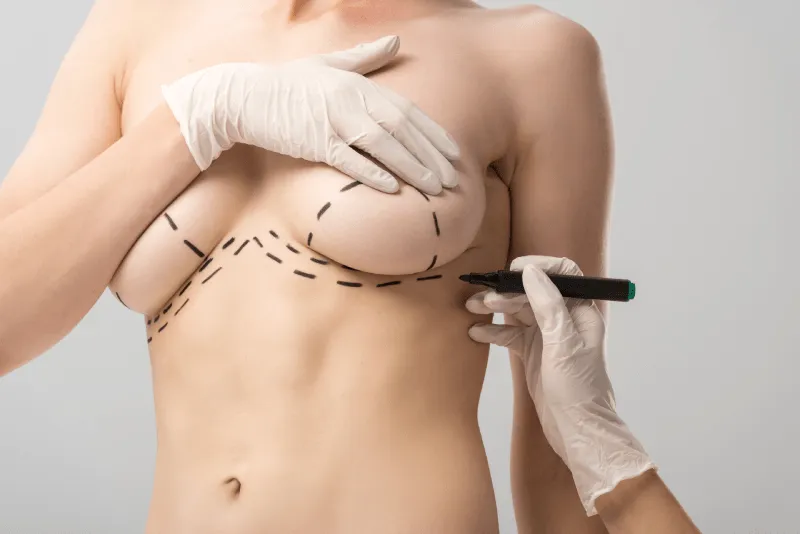
When removing a breast prosthesis, it is a matter discussed among surgeons, but generally recommended, that the “capsule” membrane tissue formed by the body against the foreign substance should also be removed. Especially in patients experiencing health problems (BII), complete cleaning of the capsule tissue is of critical importance. The capsule may contain inflammatory cells or silicone residues. If the capsule is left in place, it may lead to problems such as fluid accumulation (seroma) or calcification in the future. For this reason, surgeons aim to maximize tissue health by choosing the “total capsulectomy” method.
What Are The Advantages Of The En-Bloc Technique?
The en-bloc technique is the process of removing the breast prosthesis and the surrounding capsule tissue as a whole, without opening it at all. The biggest advantage of this method is that if there is a leak or rupture inside the prosthesis, it prevents the content from contaminating the surrounding tissues by 100%. It also cuts off the contact of biofilm (bacterial layer) or inflammatory substances that may have accumulated inside the capsule with the body. This technique is surgically more difficult and requires experience, but it is accepted as the gold standard, especially for patients with a risk of silicone leakage or systemic symptoms.
What Is The Pre-Operative Preparation Process Like?
The pre-operative preparation process begins with a physical examination and a detailed medical history evaluation. It is essential to have an ultrasound or breast MRI to evaluate the patient’s breast tissue and the status of the prosthesis. In addition, blood tests and, if necessary, an ECG are taken for suitability for anesthesia. Patients who smoke are asked to quit this habit at least 4 weeks before surgery in order not to risk wound healing. The surgeon decides whether additional procedures such as breast lift or fat transfer are needed by listening to the patient’s expectations.
Which Techniques Are Used During Surgery?
The techniques used in explant surgery vary according to the patient’s current tissue status and the placement of the prosthesis (under the muscle or over the muscle). Usually, the prosthesis is reached by entering through the old surgery scar. If the capsule is to be removed, the surgeon carefully separates the capsule from the surrounding tissues using tissue scissors and laser cautery. In some cases, after the prosthesis is removed, internal tissue shifting (flap) techniques can be applied to close the gap at the bottom of the breast. At the end of the surgery, drains are usually placed in order to ensure that the tissues stick to each other and to prevent fluid accumulation.
Can It Be Combined With Breast Lift?
After the breast prosthesis is removed, it is inevitable that sagging and excess skin will occur in the breast tissue, especially in women who have carried large prostheses for a long time. In order to eliminate this aesthetic problem, explant surgery is frequently combined with breast lift (mastopexy). In this way, excess skin is removed, the nipple is moved higher, and the breast tissue is reshaped. As a result, the patient attains a breast form that is without prosthesis but more upright, fit, and youthful-looking. This combination seriously increases the rate of the patient being satisfied with the body image after the operation.
Can Volume Be Gained With Fat Injection?
The most natural way to compensate for the volume loss occurring after the prosthesis is removed is fat injection (lipofilling). Excess fat taken from areas such as the patient’s abdomen, hips, or thighs is injected into the breast tissue after being passed through special processes. This method allows for both getting rid of fat in one part of the body and giving a natural fullness to the breasts. Since fat injection does not contain a foreign substance like a prosthesis, tissue compatibility is perfect. However, since some of the injected fat can be absorbed by the body over time, a second session may sometimes be required.
What Should Be Considered During The Recovery Process?
The recovery process after the operation requires strict compliance with the surgeon’s instructions. In the first few days, it is critical not to raise the arms above the shoulder level, not to carry heavy loads, and not to force the stitch locations. Adequate rest, plenty of fluid consumption, and healthy nutrition accelerate the body’s repair process. In addition, dressings should not be neglected so that the stitches do not get infected, and the shower-taking protocol recommended by the surgeon should be followed. During the recovery process, the patient is expected to be patient and respect the time required for the tissues to soften.
How Is Post-Operative Pain Management Provided?
The pain felt after explant surgery is generally described as a “pressure feeling” or “soreness” and is easily controlled with modern pain management techniques. Long-acting local anesthetics applied during the operation allow the patient to spend the first 24 hours comfortably. After discharge, painkillers and anti-inflammatory drugs prescribed by the surgeon should be used regularly. Ice compresses (without directly touching the tissue) are effective in reducing edema and the feeling of discomfort. Most patients feel only a slight ache starting from the 3rd day of the surgery.
What Is The Function And Removal Time Of Drains?
Drains are thin, vacuumed tubes that discharge blood and serous fluid that may accumulate in the surgery area out of the body. Fluid accumulation (seroma) in the gap remaining after the prosthesis is removed both delays healing and increases the risk of infection. Drains minimize this risk. They are usually removed painlessly within 24 to 72 hours after the surgery, when the amount of incoming fluid drops below a certain level. Although the presence of drains restricts the patient a little, they are seen as a vital tool by surgeons for a healing without complications.
Why Is The Use Of Corsets And Bras Important?
During the post-operative period, it is requested to use a surgical support bra or medical corset for about 4-6 weeks. These special bras apply a slight pressure to the breast tissue, helping the edema to disperse and ensuring that the tissues stick firmly to their new place. It also prevents the stretching of the stitch lines by restricting breast movement and ensures that the patient feels more secure during daily movements. The surgeon’s approval should be waited for the transition to normal underwired bras; because underwires can cause scarring by applying pressure to the healing sensitive tissues.
Is Nipple Sensation Permanently Lost?
During the breast prosthesis removal process, nerve endings may be temporarily affected, which may lead to tingling, hypersensitivity, or numbness in the nipple. This situation is temporary in more than 95% of cases and improves within 3 to 6 months as the nerves heal. The risk of permanent sensation loss is quite low; however, if a comprehensive breast lift is performed along with the surgery, this risk may increase slightly. Experienced surgeons take maximum care to protect sensory nerves by meticulously following tissue planes.
How Do Surgical Scars Look Over Time?
Every surgical incision definitely leaves a scar, but the aim in plastic surgery is to ensure that these scars become indistinct over time. In explant surgery, usually the old prosthesis incision is used, so no new scar occurs. If a breast lift is added, the placement of the scars can be around the nipple or in the fold under the breast. These scars, which appear red or pink in the first months, approach the skin color and thin at the end of the first year. Silicone-based scar gels, massages, and sun protection are the most important factors that improve the aesthetic appearance of the scars.
How Does Smoking And Alcohol Use Affect Healing?
Smoking and alcohol are habits that directly sabotage surgical success. Nicotine in cigarettes reduces the amount of oxygen going to the surgery area by constricting the blood vessels; this invites serious complications such as tissue death (necrosis) and opening of stitches. Alcohol, on the other hand, increases the risk of bleeding during and after surgery by thinning the blood, and also weakens the immune system. It is of vital importance for patients to quit these substances at least one month before the operation and to stay away until healing is complete, in order to reach the result they dream of.
Is Breastfeeding Function Damaged By The Operation?
Removing the breast prosthesis is a process that does not require direct intervention in the milk glands and milk ducts. If the prosthesis is placed under the muscle and only removal is performed, breastfeeding ability usually does not suffer any damage. However, if a very comprehensive breast lift surgery is also being performed, there may be a very low risk regarding the milk ducts. Nevertheless, data worldwide shows that the vast majority of women who have an explant can breastfeed their babies healthily. Patients who have concerns about this are recommended to talk to their surgeons in detail.
What Are The Risks In Case Of Prosthesis Rupture?
The rupture of the prosthesis can cause the content to leak into the surrounding tissues. If this is a saline (salt water) prosthesis, the fluid is safely absorbed by the body but the breast deflates suddenly. However, in silicone prostheses, rupture can lead to the transport of silicone to the lymph nodes, the formation of hard lumps (silicone granulomas), and chronic inflammation. Removal of a ruptured prosthesis as soon as possible is necessary to prevent these foreign substances from penetrating deeper into the body. In such cases, cleaning with the “en-bloc” technique is the safest way.
How Is Silent Rupture Diagnosed?
Silent rupture is a situation where the outer shell of the silicone prosthesis ruptures, but the content is trapped inside the capsule created by the body and the patient does not feel any symptoms. This situation may not be understood by physical examination. The most definitive diagnosis method is Breast MRI. Ultrasonography is also a helpful tool, but its accuracy rate is not as high as MRI. The FDA and other health organizations recommend that women with silicone prostheses have imaging tests at regular intervals (every 2-3 years starting from the 5th year) for early detection of this insidious situation.
What Should Be Known About The Risk Of Lymphoma?
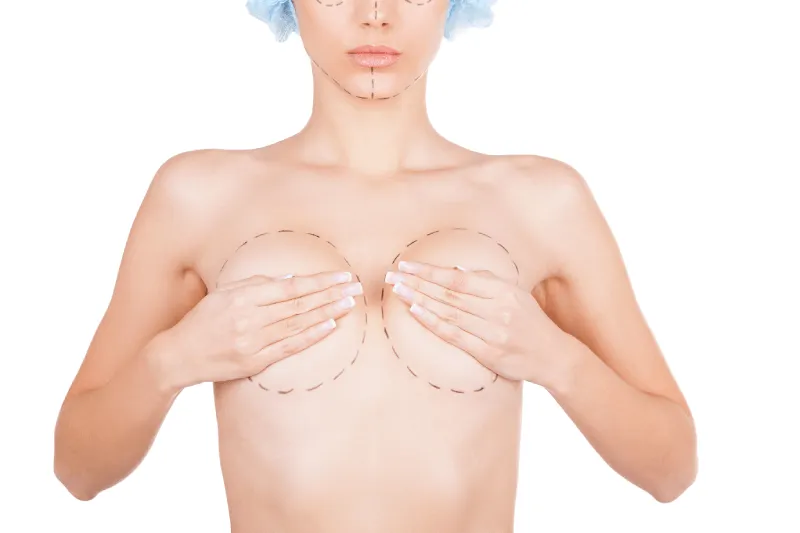
In recent years, a rare type of lymphoma associated with breast prosthesis called “BIA-ALCL” has been defined. This is not a breast cancer, but a cancer of the immune system cells developing in the capsule around the prosthesis. It has been found to be more common especially in textured surface implants. If sudden one-sided swelling, fluid accumulation, or a mass is noticed in the breast, an examination should be performed without wasting time. When caught at an early stage, the disease can be treated with nearly 100% success by completely removing the prosthesis and the capsule.
How To Prepare For The Process Psychologically?
The decision to remove breast implants can be a serious emotional process for women. Giving up a body image that one has been used to for years can initially lead to self-confidence questioning. The most important thing in this process is to develop a “health and naturalness” oriented mindset. Realistic information you will receive from your surgeon before the surgery and simulations of how the breast tissue will look after the operation reduce anxiety. When you feel ready, you will realize that this process is not only a physical change but also a step towards liberation.
How Does Aging And Gravity Affect The Breast?
Every body changes over time; gravity, aging, and hormonal changes cause sagging (ptosis) of the breast tissue. While there is a large prosthesis inside, this sagging process can be more prominent and far from aesthetic. Breast implant removal surgery carries the aging process to a more natural ground by freeing the breast from this extra weight. A breast without a prosthesis can recover more easily against the effects of time and its surgical shaping gives more permanent results. Managing the deformations brought by aging is much more possible with the combination of explant and breast lift.
When Is It Done After Pregnancy And Breastfeeding?
The pregnancy and breastfeeding process is the period when the breast tissue changes volume the most and is under hormonal effects. During this period, the breasts grow and the milk ducts expand. The right time for explant surgery is at least 6 months after breastfeeding is completely over and the breasts have passed into the “resting” phase. This waiting period allows the tissues to return to normal and allows the surgeon to make a healthier planning. An intervention to be performed when the hormone balance is established will yield much more permanent and aesthetic results.
What Should Be The Sports And Exercise Routine After Surgery?
Returning to sports immediately after the surgery can cause the stitches to open or internal bleeding. In the first two weeks, only walking at a slow pace inside the house should be done. From the 3rd week, walking at a light pace is allowed. At least 6 to 8 weeks should be waited for weight training that will force the arm and chest muscles, swimming, or high-tempo cardio activities. It is important to listen to the voice of your body and to stop the activity in case of any pain. High-support sports bras must be used during sports.
Does Nutrition and Fluid Consumption Speed Up Healing?
Absolutely yes. The healing process requires high amounts of energy and building blocks. A diet rich in protein is essential for the repair of tissues and collagen synthesis. Fruits and vegetables rich in Vitamin C (immunity and wound healing), zinc, and Vitamin A should be consumed. Drinking at least 2-3 liters of water a day helps the anesthesia to be expelled from the body and speeds up the reduction of edema. Restricting salt consumption, on the other hand, will prevent fluid accumulation in the tissues and increase the healing comfort.
What Are The Sleep Position And Rest Recommendations?
In the first 4 weeks after the surgery, it is recommended to sleep on your back and with the head area slightly elevated. This position reduces the pressure on the breast and helps the edema to drain downwards from the head area. Sleeping on the side or stomach should be avoided as it may cause the healing tissues to shift or the stitches to stretch. Using supportive pillows during sleep makes it easier for you to maintain the position. Adequate and quality sleep is one of the most basic stones of healing, as it increases the body’s cell renewal rate.
What Are The Factors Affecting Surgery Prices?
The cost of explant surgery varies according to the scope of the operation. There will be a price difference between only removing the prosthesis and doing total capsulectomy and breast lift together. In addition, the technological equipment of the hospital where the surgery will be performed, the experience of the anesthesia team, and the expertise level of the plastic surgeon determine the cost. Turkey can offer health services at world standards at much more affordable prices compared to Europe and America due to the low operational costs. The package prices offered to patients usually cover transfer, accommodation, and surgery expenses.
Why Is Turkey A Leader In Health Tourism?
Turkey is a global health center that hosts hundreds of thousands of foreign patients every year. Among the main reasons for this are the density of JCI-certified hospitals, the use of modern medical devices, and the extraordinary experience of surgeons due to a very high number of cases. Turkish plastic surgeons are world-renowned, especially in the field of breast aesthetics and revision surgery. In addition, Turkey’s geographical location, rich cultural heritage, and understanding of hospitality ensure that patients spend their treatment processes in the comfort of a holiday.
How To Choose The Right Plastic Surgeon?
The experience of the surgeon is the most critical factor for a successful explant operation. You should definitely ask how many times your surgeon has performed this special surgery before and how proficient they are in the “en-bloc” technique. Examining the “before-after” photos of patients they have operated on before gives you an idea about the surgeon’s aesthetic understanding. In addition, the surgeon’s communication language, their responses to your concerns, and their attitude about the post-operative follow-up process should create trust. Choosing an expert through a corporate health platform helps you minimize risks.
Is Explant The Definitive Solution In Capsular Contracture Treatment?
Capsular contracture is the body’s way of rejecting the prosthesis and leads to many problems from pain to deformity. Just changing the prosthesis brings along the risk of the capsule re-forming (recurrence). However, completely removing the prosthesis with explant surgery and cleaning the capsule is a definitive method that solves this problem fundamentally. If the patient does not want to wear a prosthesis again, the body will stop reacting to this foreign substance and the tissues will return to their healthy, soft form over time. This situation provides an improvement that instantly increases the quality of life.
Are Allergic Reactions A Reason For Removing The Prosthesis?
Rarely, some women’s bodies may show an allergic reaction to the silicone in the outer shell of the prosthesis or its content. This situation manifests itself with chronic skin rashes, constant itching, or persistent redness in the breast area. If allergy tests or clinical observations confirm this situation, the only solution is to remove the prostheses. Since allergy is the body’s defense mechanism, it is the healthiest way to eliminate the allergen (the prosthesis) instead of suppressing it with medication. Patients observe that these skin problems pass quickly after the explant.
Why Are Ultrasound And MRI Tests Important?
Imaging methods allow the surgeon to map out the pre-operative plan. Ultrasound is a fast and effective method to check fluid accumulations inside the capsule and the general integrity of the prosthesis. Breast MRI, on the other hand, is the most advanced tool that shows silicone leaks (silent rupture) and the relationship of the capsule with deep tissues (such as muscle fascia) down to the finest detail. Lying on the surgery table without these tests is like “walking in the dark” for the surgeon. Accurate diagnosis shortens surgery time and reduces the risk of complications.
How Is Post-Operative Massage and Skin Care Done?
After the wound healing is completed and the stitches are completely closed (usually starting from the 4th week), your surgeon may recommend special breast massages. These massages help the tissues to soften and the edema to be discharged via the lymphatic route. In addition, circular massages applied on the stitch scars improve the blood circulation in that area, ensuring better healing of the scar. Using moisturizing lotions or Vitamin E oils as skin care supports the stretched skin to regain its elasticity. You should definitely consult your doctor for massage frequency and technique.
What Is The Healing and Removal Process of Stitches Like?
In modern plastic surgery operations, “dissolvable stitches” are generally used. These stitches do not need to be removed; they are absorbed by the body over time. However, in some cases, the surgeon may prefer stitches that need to be removed at points where the skin is tighter. These stitches are usually removed painlessly 10 to 14 days after the surgery. It is normal for the stitch line to be slightly hard and bumpy initially; as the tissues heal, this hardness will leave its place to a soft skin texture. The use of wound tapes and strips may continue for a while according to the surgeon’s preference.
When Are The Final Results Fully Seen?
Immediately after the surgery, the breasts may appear swollen, bruised, and slightly flat due to the emptying of the prostheses. This image should not mislead you. Most of the edema disperses within the first month. It takes an average of 6 months to 1 year for the tissues to reach their true softness, for the stitch scars to fade, and for the new form of the breast to settle. If a fat injection has been performed, the retention process of the injected fat also becomes clear around the 3rd month. Being patient and not neglecting doctor’s check-ups is the basic rule for the final result to be happy.
How Is The Treatment Process Planned With Cure Holiday?
Cure Holiday is a professional health tourism brand that guides you on your breast prosthesis removal journey. The process begins with you contacting us and sharing your photos and receiving a free preliminary evaluation from our expert consultants. We make appointments for you with the most experienced plastic surgeons in Turkey, make all hospital organizations, and prepare your personalized treatment plan. We take care of every detail from your airport transfers to your comfortable 5-star hotel accommodation.
If you want to make your breast health your priority, liberate yourself by getting rid of foreign substances in your body, and find healing in the unique atmosphere of Turkey, you are in the right place. As Cure Holiday, we are with you from before the surgery until the day you fully recover. We offer you a world-class service with our specialist physicians, fully equipped modern hospitals, and friendly team. To make a new and natural start in your life, contact us now; get renewed safely with Cure Holiday and experience the peace of mind of entrusting yourself to expert hands!
Free Consultation
Fill out the form below to get your free medical travel plan and price quote.
Sources and how to verify this yourself
- Howe M-S, Keys W, Richards D. Long-term (10-year) dental implant survival: a systematic review and sensitivity meta-analysis. Journal of Dentistry, 2019 — pooled 10-year implant survival 96.4% (95% CI 95.2–97.5%); conservative sensitivity estimate 93.2%. source
- Ministry of Health, Regulation on International Health Tourism and Tourist Health, Official Gazette 26 April 2025, No. 32882 — authorisation requirement for facilities and intermediaries, TÜSKA accreditation, compulsory complication insurance (deadline 31 December 2025 for insurance, 31 December 2026 for accreditation). source
- Ministry of Health, Regulation on Promotion and Information Activities in Health Services, Official Gazette 12 November 2025, No. 33075 — treatment promises and guarantees are prohibited; price and campaign announcements are permitted only within international health tourism. source