Cost and planning note (Kuşadası 2026 Data)
The figures below are indicative market ranges, not a quote: your own price is confirmed after a clinical assessment.
Indicative price range: Hollywood Smile Full: 3,000 – 5,000 USD | Zirconia Crown Per: 180 – 300 USD | E Max Veneer Per: 250 – 400 USD | Dental Implant Per: 400 – 800 USD (Top Brands) | All On 4 System: 4,000 – 7,000 USD | All On 6 System: 5,500 – 9,000 USD | Laser Whitening: 200 – 350 USD
Facility standards: In Türkiye, any facility treating international patients must hold the Ministry of Health’s international health tourism authorisation; hospitals and medical centres must also be accredited by TÜSKA, and complication insurance is compulsory for procedures carried out in an operating theatre (Regulation of 26 April 2025).
Location: Proximity to Ege Port Cruise Terminal & Ephesus.
Currency: GBP, EUR, USD accepted.
Dealing with Bone Resorption: How Turkish Clinics Restore Jaw Volume
Addressing Bone Resorption: The Foundation for Successful Implantology in Kuşadası
For international patients considering dental implants or a “Hollywood Smile” transformation in Kuşadası, Turkey, a frequently encountered challenge is pre-existing bone resorption. This process, the natural breakdown of jawbone, is often a consequence of tooth loss, periodontal (gum) disease, or even prolonged denture wear. Successful, long-lasting implantology demands a comprehensive understanding of bone resorption and the advanced techniques Turkish clinics employ to restore adequate bone volume – forming the crucial technical foundation for any aesthetic or restorative dental work.
The Physiological Basis of Bone Resorption
Following tooth extraction, the alveolar bone – the part of the jaw that supports teeth – begins to resorb. This isn’t merely aesthetic; it’s a physiological response. Bone tissue is dynamic, constantly remodelling itself based on applied stress. Teeth provide this essential stress through mastication (chewing). Without this stimulation, the bone perceives itself as “unused” and initiates osteoclastic activity, dissolving bone mineral and reducing bone density. The rate of resorption varies significantly between individuals, influenced by factors such as bone quality (D1, D2, D3, D4 classifications are often used), overall health, and the duration since tooth loss. Ignoring this process can lead to insufficient bone to securely anchor dental implants, necessitating sophisticated bone augmentation procedures.
Diagnostic Precision: 3D CBCT Imaging & Digital Planning
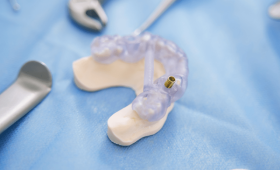
Modern Turkish dental facilities prioritize detailed pre-treatment diagnostics. The cornerstone of this is Cone Beam Computed Tomography (CBCT). This technology goes beyond traditional 2D X-rays, providing a three-dimensional reconstruction of the patient’s jawbone. CBCT allows clinicians to precisely measure bone height and width, assess bone density (Hounsfield units are used for quantification), and identify critical anatomical structures like the inferior alveolar nerve and the maxillary sinus. This data is then integrated into CAD/CAM software for meticulous implant planning. Intraoral scanners create accurate digital impressions, while the CBCT data guides the virtual placement of implants, optimizing for biomechanical stability and minimizing the risk of nerve damage. The resulting surgical guides, fabricated using 3D printing, ensure predictable and accurate implant placement during the surgical phase.
Bone Augmentation Techniques: Restoring Volume & Density
When bone resorption is significant, various bone augmentation techniques are employed. These aren’t ‘quick fixes,’ but evidence-based procedures designed to establish a solid foundation for implant success. Common approaches include:
- Alveolar Ridge Augmentation (Socket Preservation): Performed immediately after tooth extraction, this involves filling the socket with bone graft material (autogenous, allograft, or synthetic) and often a resorbable membrane. This preserves bone volume and reduces subsequent resorption.
- Sinus Lift (Maxillary Sinus Augmentation): Frequently necessary for implants in the upper posterior region, this procedure elevates the sinus membrane, creating space for bone grafting. This restores bone height and allows for adequate implant length.
- Lateral Bone Augmentation (Split Ridge Technique): Used to widen a narrow alveolar ridge, this involves carefully spreading the existing bone and packing it with bone graft material.
- Guided Bone Regeneration (GBR): This involves using resorbable membranes to create a protected space for bone graft material to integrate, promoting predictable bone regeneration. The choice of membrane (e.g., collagen, PTFE) depends on the clinical situation.
- Short Implants: In cases of limited bone height, strategically placed short implants (often <8mm) can be considered, provided there is sufficient bone density and the biomechanical forces are favourable.
The bone graft materials used are rigorously vetted for biocompatibility and osteoconductive properties. Many clinics specialize in the use of Platelet-Rich Plasma (PRP) or Platelet-Rich Fibrin (PRF) – derived from the patient’s own blood – to enhance bone regeneration and accelerate healing. These biomaterials contain growth factors that stimulate osteoblast activity.
Surface Treatments & Osseointegration Enhancement
The success of dental implants isn’t solely dependent on bone volume; the implant surface plays a critical role in osseointegration – the direct structural and functional connection between living bone and the implant surface. Turkish clinics utilizing top-tier implant brands employ implants with specially treated surfaces. These treatments, such as sandblasting with titanium particles or acid etching, increase surface area and promote bone cell adhesion. Furthermore, some implants feature bioactive coatings (e.g., hydroxyapatite) that further enhance osseointegration rates.
Treatment Costs & Logistics in Kuşadası
Kuşadası offers a compelling combination of high-quality dental care and affordability. Here’s a general overview of typical costs:
- Full Hollywood Smile: 3,000 – 5,000 USD
- Zirconia Crown (per unit): 180 – 300 USD
- E-max Veneer (per unit): 250 – 400 USD
- Dental Implant (Top Brands, per unit): 400 – 800 USD
- All-on-4 System: 4,000 – 7,000 USD
- All-on-6 System: 5,500 – 9,000 USD
- Laser Whitening: 200 – 350 USD
Accessibility is a key advantage. The nearest airport is Izmir Adnan Menderes (ADB), approximately a 45-60 minute transfer to Kuşadası. For cruise passengers, the Ege Port Kuşadası offers convenient access for consultations and even same-day procedures. Kuşadası itself boasts a wealth of attractions, including the ancient city of Ephesus (20 minutes away), Pigeon Island, Ladies Beach, and the Dilek Peninsula National Park, allowing patients to combine their dental treatment with a memorable vacation. Post-operative recovery can be enjoyed in luxurious boutique hotels, beachfront resorts, or restorative thermal spas.
Accreditation & Standards of Care
Clinics catering to international patients in Kuşadası adhere to rigorous standards. Common accreditations include JCI (Joint Commission International), TÜRKSAB Medical Tourism Certified, and strict regulation by the Turkish Ministry of Health. Clinics boast highly trained staff, including English, German, and Irish-specialized Patient Coordinators, ensuring seamless communication and a comfortable experience. The use of advanced technologies like 3D CBCT imaging, CAD/CAM digital smile design, intraoral scanners, and soft tissue lasers underscores a commitment to precision and innovation.
Patients considering dental work requiring bone augmentation should expect a more extended treatment timeline and a thorough evaluation to determine the most appropriate approach. A free online video consultation with a qualified practitioner is readily available, allowing for preliminary assessment and personalized treatment planning.
Addressing Atrophic Jaw: A Structural Journey in Kuşadası
Bone resorption, the gradual loss of bone mass, presents a significant challenge in restorative dentistry, particularly for patients considering dental implants. In Kuşadası, Turkey, clinics specializing in full-arch rehabilitation have established detailed protocols to address this often-complex issue, restoring both function and aesthetics. This pillar focuses on the procedures employed to counter bone loss, illustrated by a representative patient journey and the rigorous safety measures in place. The approach isn’t merely about implant placement; it’s about a comprehensive structural restoration of the dentoalveolar complex.
Step-by-Step Procedure: From Assessment to Restoration
The process begins with a comprehensive diagnostic phase. Beyond standard clinical examination, 3D Cone Beam Computed Tomography (CBCT) imaging – a core technological standard – is employed to meticulously evaluate the volume and density of the residual alveolar bone. This allows for precise assessment of bone height, width, and cortical plate integrity. This isn’t simply about identifying *if* there’s bone loss, but *where* and *to what degree* it has affected the supporting structures. Digital smile design, utilizing CAD/CAM technology, then allows the surgical team to virtually plan the ideal prosthetic outcome and correlate it with the available bone volume.
If significant bone resorption is present, several techniques can be employed, often in combination. These are tailored to the patient’s specific anatomy and the extent of the deficiency:
- Alveolar Ridge Augmentation: This involves grafting bone onto the existing alveolar ridge. Sources can be autogenous (from the patient’s own body, typically the chin or distal radius), allograft (from a deceased donor), or xenograft (from an animal source, often bovine). The choice depends on patient preference, bone defect size, and healing time expectations. A resorbable membrane is usually placed over the graft to create a protected space for bone regeneration.
- Sinus Lift: For deficiencies in the posterior maxilla (upper jaw), a sinus lift procedure is often necessary. This involves gently elevating the maxillary sinus membrane and filling the resulting space with bone graft material. This procedure creates vertical height for implant placement.
- Guided Bone Regeneration (GBR): GBR utilizes a combination of bone graft material and a resorbable or non-resorbable membrane to guide the regenerative process. It’s particularly effective for localized defects and can significantly improve bone density in key implant placement areas. The use of platelet-rich fibrin (PRF) or platelet-rich plasma (PRP) can further enhance osteoconductivity and accelerate healing.
- Short Implants: In carefully selected cases, where bone augmentation is contraindicated or the patient prefers to avoid it, shorter dental implants can be used. However, this requires meticulous planning and consideration of biomechanical forces.
Following a healing period (typically 3-6 months, depending on the augmentation technique used), a second CBCT scan is performed to assess the newly regenerated bone. Precise implant planning is then finalized, leveraging the intraoral scanners to create accurate digital impressions. Surgical guides, fabricated using CAD/CAM technology, are used during implant placement to ensure optimal angulation and depth, minimizing the risk of nerve damage or sinus perforation.
Prosthetic reconstruction follows implant osseointegration (typically 4-6 months). Options range from single crowns to full-arch fixed restorations. Common materials include zirconia and e.max, with costs varying accordingly. A ‘Hollywood smile’ full arch restoration can range from 3,000 – 5,000 USD, while individual zirconia crowns are priced between 180 – 300 USD per unit. For patients requiring more extensive support, All-on-4 or All-on-6 systems are viable solutions, costing between 4,000 – 7,000 USD and 5,500 – 9,000 USD respectively.
Case Study: 55-Year-Old UK Patient
A 55-year-old male from the UK presented with significant bone resorption in the posterior mandible due to years of edentulism (tooth loss). Initial CBCT imaging revealed severely atrophic bone, particularly in the premolar and molar regions. After a thorough consultation, a treatment plan involving alveolar ridge augmentation with xenograft material and GBR was proposed. The procedure was performed under local anesthesia, supplemented by conscious sedation for patient comfort. Post-operative care included meticulous oral hygiene instructions and antibiotic prophylaxis.
Six months post-augmentation, a follow-up CBCT scan confirmed sufficient bone volume for implant placement. Four dental implants (top brands) were placed using a surgical guide, followed by the fabrication and fitting of a fixed full-arch prosthesis. The patient reported significant improvement in chewing function, speech, and overall quality of life. The total cost for the complete procedure, including augmentation, implants, and prosthesis, was approximately 6,200 USD.
Safety Protocols and Quality Assurance
Clinics in Kuşadası adhere to stringent safety protocols and international quality standards. Accreditations such as JCI (Joint Commission International), TÜRSAB Medical Tourism Certification, and regulation by the Turkish Ministry of Health demonstrate a commitment to patient safety and care.
- Pre-operative Medical Evaluation: A comprehensive medical history is obtained, and patients undergo necessary blood tests and, if indicated, cardiac evaluation to assess their suitability for surgery.
- Sterilization Protocols: All surgical instruments are sterilized according to internationally recognized guidelines. Clinics utilize autoclaves and other sterilization equipment to ensure a sterile operating environment.
- Anesthesia Management: Qualified anesthesiologists are available to administer anesthesia and monitor patients during surgery.
- Post-operative Monitoring: Patients are closely monitored post-operatively for any signs of complications, such as infection, bleeding, or nerve damage.
- Soft Tissue Laser Technology: Clinics often incorporate soft tissue lasers for precise and minimally invasive procedures, reducing post-operative discomfort and accelerating healing.
Patient coordinators, proficient in English, German, and Irish, provide dedicated support throughout the entire journey, from pre-treatment consultations (including free online video consultations) to post-operative care. The logistical infrastructure is also well-developed, with convenient access via Izmir Adnan Menderes (ADB) airport (a 45-60 minute transfer) and the Ege Port Kuşadası cruise port. Patients can also enjoy the region’s attractions, such as the Ephesus Ancient City, Pigeon Island, and Dilek Peninsula National Park, while recovering, with options for accommodation ranging from luxury boutique hotels to beachfront resorts and thermal spas. Laser whitening, costing between 200 – 350 USD, is a popular adjunct treatment for completing the aesthetic transformation.
Navigating Seamless Dental Travel: Kuşadası as a Recovery & Logistics Hub
For patients undergoing procedures to address bone resorption – a common concern preceding dental implantology or full-arch restorations – the post-operative experience is paramount. While technical excellence in the operating theatre is crucial, a comprehensive recovery strategy, coupled with effortless travel logistics, dramatically enhances patient outcomes and overall satisfaction. Kuşadası, Turkey, is rapidly establishing itself as a premier destination for dental tourism, moving beyond procedure specifics to provide a holistic experience focused on patient comfort and recuperation. This pillar details the infrastructural advantages and supportive services available to patients choosing Kuşadası for their restorative dental journey.
Optimized Travel Pathways: Izmir Airport & Cruise Port Synergy
The accessibility of Kuşadası is a significant advantage. Patients arriving internationally will typically fly into Izmir Adnan Menderes (ADB) Airport, conveniently located approximately 45-60 minutes from Kuşadası. Clinics work with dedicated transfer services ensuring a smooth transition from arrival to accommodation, recognizing that minimizing travel stress immediately post-procedure is vital for promoting tissue healing. This isn’t simply a taxi service; it’s a coordinated transport system anticipating the needs of patients potentially experiencing mild discomfort or requiring specific positioning after procedures like bone grafting or implant placement.
Uniquely, Kuşadası offers integration with cruise itineraries. The Ege Port Kuşadası cruise terminal presents an innovative option for patients seeking preliminary consultations or requiring shorter, less invasive procedures. The port allows for ‘day-treatments’—initial assessments, diagnostic imaging (see Technical Standards below), or even uncomplicated extractions – fitting seamlessly into a broader holiday experience. This minimizes the need for extended stays for initial stages of treatment, providing a degree of flexibility unmatched by many other dental tourism destinations. For those continuing their cruise after treatment, post-operative monitoring can be arranged via telehealth solutions offered by many clinics.
Recovery Environments Tailored to Healing
Recovery isn’t merely about rest; it’s an active process influenced by environment and support. Kuşadası offers a spectrum of recovery options extending beyond standard hotel stays. Clinics partner with a curated selection of accommodations catering to varying needs and budgets:
- Luxury Boutique Hotels: These establishments prioritize personalized service and a tranquil atmosphere, ideal for patients seeking privacy and attentive care. Concierge services can assist with dietary requests post-surgery (soft food preparation, adherence to specific nutritional guidelines) and arrange for in-room physiotherapy if required following complex procedures.
- Beachfront Resorts: The Mediterranean climate and coastal setting are naturally restorative. Salt air is believed to promote wound healing, and gentle movement (walking along the beach, supervised aquatic therapy) can aid in circulation and reduce swelling. These resorts often feature on-site wellness centers offering massage and other therapies compatible with post-operative care.
- Thermal Spas: Kuşadası and the surrounding region are rich in thermal springs. These spas offer mineral-rich waters with purported anti-inflammatory and analgesic properties, although it’s crucial to verify compatibility with the specific procedure undergone with the treating dentist. Clinics will provide clear guidelines regarding thermal spa use during the recovery period.
It’s important to understand that post-operative swelling and discomfort are normal physiological responses to surgical intervention. These are managed through prescribed medications (analgesics, anti-inflammatories) and careful adherence to post-operative instructions. Clinics emphasize the importance of soft diet adherence, meticulous oral hygiene (using prescribed mouth rinses and gentle brushing techniques), and avoidance of strenuous activity during the initial healing phase. The use of cold compresses and elevation of the head during rest are also routinely recommended to minimize edema.
Beyond the Beach: Cultural Enrichment and Post-Operative Diversion
Prolonged inactivity can hinder recovery. Kuşadası provides ample opportunities for gentle, mindful exploration to stimulate circulation and uplift mood. The region is steeped in history and natural beauty:
- Ephesus Ancient City (20 minutes from Kuşadası): A UNESCO World Heritage site, Ephesus offers a fascinating glimpse into Roman history. Walking amidst the ancient ruins provides gentle exercise and a welcome distraction from recovery.
- Pigeon Island (Güvercinada): This picturesque island fortress offers stunning views of the Aegean Sea and a pleasant stroll.
- Ladies Beach: A shallow, sandy beach ideal for gentle relaxation and supervised swimming (following dentist approval).
- Dilek Peninsula National Park: A haven for biodiversity, offering scenic hiking trails (for patients well into their recovery phase) and breathtaking coastal views.
Clinics advise pacing activities carefully and avoiding direct sun exposure immediately post-surgery. Prioritizing rest remains paramount, but incorporating gentle exploration and cultural immersion can significantly enhance the overall recovery experience.
Technical Infrastructure and Quality Assurance
The advanced technical capabilities within Kuşadası’s dental practices are crucial, particularly for addressing complex cases of bone resorption. Key technologies employed include:
- 3D CBCT Imaging: Cone-beam computed tomography provides detailed three-dimensional visualizations of the jawbone, enabling precise assessment of bone density, volume, and anatomical landmarks. This is critical for accurate treatment planning for implant placement and bone grafting procedures.
- CAD/CAM Digital Smile Design: Computer-aided design and computer-aided manufacturing (CAD/CAM) technology allows for the creation of custom-fitted restorations (crowns, veneers, implants) with exceptional precision and aesthetics.
- Intraoral Scanners: These digital impressioning devices eliminate the need for messy traditional impressions, improving patient comfort and accuracy.
- Soft Tissue Lasers: Used for precise and minimally invasive soft tissue procedures, such as gingivectomy (gum reshaping) to prepare the surgical site for implant placement.
Furthermore, Kuşadası clinics demonstrate a commitment to international standards. Accreditations include JCI (Joint Commission International), TÜRSAB Medical Tourism Certified, and regulation by the Ministry of Health, ensuring adherence to rigorous quality control measures. Practices also boast multilingual English, German, and Irish-specialized Patient Coordinators to facilitate communication and address any logistical concerns.
Financial Transparency & Future Planning: 2026 Cost Audit
Understanding the financial aspects of dental treatment is essential. Here’s a current overview of typical costs (subject to change, a comprehensive cost audit is planned for 2026):
- Hollywood Smile (Full Mouth Restoration): 3,000 – 5,000 USD
- Zirconia Crown (Per Unit): 180 – 300 USD
- E-max Veneer (Per Unit): 250 – 400 USD
- Dental Implant (Per Unit – Top Brands): 400 – 800 USD
- All-on-4 System: 4,000 – 7,000 USD
- All-on-6 System: 5,500 – 9,000 USD
- Laser Whitening: 200 – 350 USD
These costs typically include the procedure itself, materials, and preliminary diagnostics. Accommodation, flights, and personal expenses are separate. Cure Holiday specialists can provide tailored treatment plans and detailed cost breakdowns based on individual needs.
The commitment to transparency extends to a planned comprehensive cost audit in 2026, ensuring pricing remains competitive and aligned with international standards. This audit will assess the cost of procedures, materials, and ancillary services to provide patients with accurate and up-to-date financial information.
Planning a dental visit to Kuşadası? Get a Free Quote for Dealing with Bone Resorption in Kuşadası with cureholiday.com
Free Consultation
Fill out the form below to get your free medical travel plan and price quote.
Sources and how to verify this yourself
- Howe M-S, Keys W, Richards D. Long-term (10-year) dental implant survival: a systematic review and sensitivity meta-analysis. Journal of Dentistry, 2019 — pooled 10-year implant survival 96.4% (95% CI 95.2–97.5%); conservative sensitivity estimate 93.2%. source
- Ministry of Health, Regulation on International Health Tourism and Tourist Health, Official Gazette 26 April 2025, No. 32882 — authorisation requirement for facilities and intermediaries, TÜSKA accreditation, compulsory complication insurance (deadline 31 December 2025 for insurance, 31 December 2026 for accreditation). source
- Ministry of Health, Regulation on Promotion and Information Activities in Health Services, Official Gazette 12 November 2025, No. 33075 — treatment promises and guarantees are prohibited; price and campaign announcements are permitted only within international health tourism. source