About the prices on this page. The figures below are indicative market prices and country comparisons, not a quote. Our own current, all-inclusive prices are published on our medical travel in Turkey page, and we confirm your figure in writing before you commit to anything.
Cost and planning note (2026)
The figures below are indicative market ranges for 2026, not a quote: your own price depends on the clinic, the surgeon and your clinical assessment.
Indicative price range:
Facility standards: In Türkiye, any facility treating international patients must hold the Ministry of Health’s international health tourism authorisation; hospitals and medical centres must also be accredited by TÜSKA, and complication insurance is compulsory for procedures carried out in an operating theatre (Regulation of 26 April 2025). Ask us for the authorisation of the facility you are matched with.
Currency: USD / EUR / GBP accepted at all clinics.
Hair Transplant and Sun Exposure: Protecting Your New Grafts during a Turkish Summer
Hair Transplant and Sun Exposure: Protecting Your New Grafts during a Turkish Summer
Hair transplantation in Turkey has become a globally recognized destination for medical tourism, attracting patients from across Europe, North America, and beyond. This is due not only to competitive pricing – typically ranging from 1,500 EUR to 4,000 GBP for comprehensive packages – but also to the increasingly high standards of medical facilities. Clinics consistently achieve JCI (Joint Commission International) Accreditation and operate under stringent regulation by the Turkish Ministry of Health. However, a critical, often underestimated factor affecting post-transplant success, especially during the peak tourist season and Turkish summers, is sun exposure. This pillar details the ‘what’ and ‘why’ behind the critical need for vigilant photoprotection following a Follicular Unit Transplantation (FUT) or Follicular Unit Extraction (FUE) procedure.
The Biological Imperative: Wound Healing and Solar Radiation
Following either FUT or FUE, the recipient area represents a significant wound bed. Even with meticulous surgical technique, the micro-wounds created during graft placement are susceptible to disruption. The initial phase of wound healing, spanning roughly the first 7-10 days, is characterized by inflammation – a necessary process mediated by cytokines and growth factors. However, excessive inflammation, triggered by factors like UV radiation, can impede angiogenesis (new blood vessel formation) and keratinocyte migration, both crucial for graft survival.
Ultraviolet (UV) radiation, specifically UVB (280-315 nm) and UVA (315-400 nm), is profoundly damaging. UVB primarily affects the epidermal layers, causing sunburn (erythema) and DNA damage. UVA penetrates deeper, contributing to oxidative stress and long-term collagen degradation. In the context of a recent hair transplant, even mild sun exposure can lead to:
- Increased Inflammatory Response: UV exposure exacerbates the existing inflammation, potentially leading to crusting, scabbing, and compromised graft take.
- Impaired Angiogenesis: The neovascularization vital for nourishing the newly transplanted follicles is inhibited by UV-induced endothelial dysfunction.
- Hyperpigmentation/Hypopigmentation: Post-inflammatory hyperpigmentation (PIH) or, less commonly, hypopigmentation can occur in the recipient area, creating an aesthetically undesirable outcome.
- Epithelialization Delays: UV radiation slows the rate at which the skin resurfaces, increasing the risk of infection.
- Graft Necrosis: In severe cases, significant sun exposure can lead to the death of transplanted follicles, resulting in permanent failure.
Understanding the Turkish Climate and UV Index
Turkey, particularly during the summer months (June-August), experiences high levels of solar radiation. Coastal regions like Antalya (a popular recovery hub offering resort/beach options) and Izmir (known for its Aegean climate and thermal springs) are particularly prone to intense UV exposure. The UV Index, a measure of the strength of ultraviolet radiation, can regularly exceed 8 during midday, indicating a very high risk of harm. Even on cloudy days, a significant amount of UV radiation can penetrate the atmosphere. This necessitates a proactive and multi-faceted approach to sun protection.
Photoprotection Strategies: Beyond Sunscreen
While broad-spectrum sunscreen with an SPF of 30 or higher is paramount, it’s insufficient as a standalone measure. Effective photoprotection following a hair transplant requires a comprehensive strategy:
- Physical Barriers: Wide-brimmed hats are essential for shielding the scalp from direct sunlight. Headscarves or bandanas, made of tightly woven fabric, offer additional protection.
- Sunscreen Application: Sunscreen should be applied liberally and frequently – every two hours, or more often if swimming or sweating. Choose a formulation specifically designed for sensitive skin and avoid products containing alcohol or fragrances. Crucially, ensure the sunscreen doesn’t clog the micro-wounds; non-comedogenic formulations are preferred.
- Timing of Exposure: Minimize outdoor activity during peak UV hours (10:00 AM to 4:00 PM). If outdoor exposure is unavoidable, seek shade whenever possible.
- Post-Operative Dressings: Some clinics utilize specialized post-operative dressings designed to protect the scalp from both mechanical trauma and solar radiation. These may contain UV-absorbing compounds.
- Topical Antioxidants: Applying topical antioxidants, such as Vitamin C and Vitamin E, can help mitigate the damaging effects of free radicals generated by UV exposure.
Recovery Hub Considerations: Istanbul, Antalya, Izmir
The choice of recovery location influences the level of sun exposure and therefore the required precautions.
- Istanbul (City/Boutique): The more urban environment of Istanbul offers greater opportunities for shade and indoor activities, potentially reducing sun exposure. However, UV radiation is still present and necessitates diligent protection.
- Antalya (Resort/Beach): Antalya’s coastal location and popularity as a beach destination demand the most rigorous sun protection protocols. Patients recovering in Antalya should prioritize staying indoors during peak hours and utilizing comprehensive physical barriers.
- Izmir (Aegean/Thermal): While Izmir offers a more temperate climate than Antalya, UV levels are still significant. The thermal spas and outdoor activities require careful planning to minimize sun exposure.
Long-Term Photoprotection and Hair Health
Even after the initial healing period (approximately 3-4 weeks), continued sun protection is vital for maintaining the health of the transplanted follicles. Prolonged UV exposure can damage the hair shaft, leading to dryness, brittleness, and premature graying. Regular use of sunscreen and protective headwear will help ensure the longevity and vitality of the newly restored hairline.
For patients travelling to Turkey for hair transplantation, currency exchange rates are important. Clinics generally accept USD, EUR, and GBP, allowing for flexibility in payment options. Visa requirements are also straightforward, with E-visas readily available for most UK/US/EU citizens allowing for a 90-day stay.
Hair Transplant and Sun Exposure: Protecting Your New Grafts During a Turkish Summer
A successful hair transplant in Turkey, particularly during the popular summer months, hinges not only on the surgical skill of the practitioner but also on meticulous post-operative care. While the Turkish climate offers attractive recovery hubs – from the vibrant city life of Istanbul to the relaxing resorts of Antalya and the Aegean coast of Izmir – the increased UV index presents a unique challenge to newly implanted grafts. This pillar delves into the critical interplay between hair transplant surgery and sun exposure, providing a comprehensive guide to risk mitigation and optimal healing.
The Physiological Impact of Sun Exposure on Healing Grafts
The immediate post-transplant period (first 7-10 days) is characterized by fragile neovascularization – the formation of new blood vessels crucial for graft survival. Sunlight, specifically UVB radiation, induces inflammation and oxidative stress. This can disrupt the delicate capillary regeneration necessary to nourish the transplanted follicular units. Furthermore, UV exposure triggers melanogenesis, increasing pigmentation around the recipient site. While melanin offers *some* protection to established follicles, in newly implanted grafts it can be misinterpreted as inflammation, potentially hindering the ‘critical period’ of vascular connection.
The transplanted grafts are particularly vulnerable to photo-damage due to several factors:
- Lack of Natural Protection: The transplanted follicular units haven’t yet established their own protective mechanisms within the scalp.
- Inflammation Amplification: Post-surgical inflammation is already present. UV radiation exacerbates this, prolonging the inflammatory phase and delaying healing.
- Impaired Collagen Synthesis: UV exposure degrades collagen, a vital structural protein for wound healing and scar tissue formation. This can affect graft anchoring and long-term density.
Step-by-Step Post-Op Sun Protection Protocol
Our clinics, accredited by both JCI (Joint Commission International) and regulated by the Turkish Ministry of Health, implement a stringent sun protection protocol tailored to the Turkish climate. This extends beyond simple sunscreen application:
- Days 1-3: Complete Shielding. Patients are instructed to remain indoors as much as possible. If outdoor exposure is unavoidable (e.g., transportation), a wide-brimmed hat and a surgical cap are mandatory. We provide specialized post-op caps designed to maximize coverage and minimize friction.
- Days 4-7: Broad-Spectrum Sunscreen Application. Once the initial scab formation begins, broad-spectrum sunscreen with an SPF of 50 or higher is essential. We recommend mineral-based sunscreens (zinc oxide or titanium dioxide) as they are less likely to cause irritation. Application should occur every two hours, even on cloudy days, and generously to the entire recipient area.
- Days 8-14: Gradual Exposure & Continued Protection. As scabs begin to lift (typically around day 10-14), patients can cautiously increase outdoor exposure. Sunscreen use remains critical. We advise patients to use UPF-rated clothing (e.g., hats, lightweight long-sleeved shirts) whenever possible.
- Beyond 14 Days: Long-Term Sun Awareness. Even after the initial recovery period, protecting the transplanted area from prolonged sun exposure is vital for long-term graft health and preventing premature greying.
Furthermore, we employ a post-operative laser therapy protocol (Low-Level Laser Therapy – LLLT) which, alongside promoting angiogenesis, has demonstrated photoprotective effects on dermal tissue.
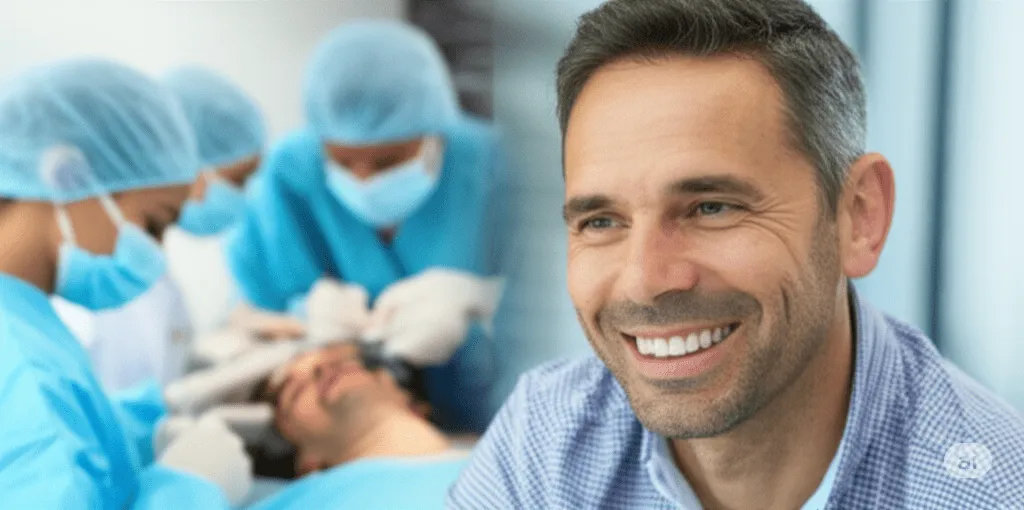
Persona Case Study: Mr. David Miller, 45, from the UK
Mr. Miller, a 45-year-old accountant from the UK, underwent a 2,800 graft Follicular Unit Extraction (FUE) procedure in Antalya in July. He chose Antalya specifically for the potential to combine recovery with a relaxing beach holiday. Prior to surgery, he was thoroughly briefed on the importance of sun protection. However, on day 5, Mr. Miller experienced mild redness and swelling around the transplanted area after spending 20 minutes in the sun with only a baseball cap and SPF 30 sunscreen.
Our on-site medical team immediately assessed the situation. It was determined to be a mild case of photo-sensitivity, not graft necrosis, but required intervention. We increased the frequency of LLLT sessions, prescribed a topical corticosteroid to reduce inflammation, and reinforced the importance of adhering to the complete sun protection protocol. Mr. Miller was advised to limit outdoor activity for an additional 3 days. Thankfully, his commitment to following our revised instructions resulted in a full recovery, with minimal impact on graft survival. This case highlights the importance of not just *applying* sunscreen, but using the correct type, frequency, and in conjunction with physical barriers.
Risk Mitigation & Complication Management
While diligent sun protection significantly minimizes risks, complications can occur:
- Graft Necrosis: Severe sunburn can lead to graft death due to compromised blood supply. This is rare with proper adherence to our protocol, but requires immediate medical attention.
- Hypertrophic Scarring: UV exposure can worsen scarring. Early intervention with silicone sheeting and topical corticosteroids can help mitigate this.
- Folliculitis: Inflammation of the hair follicle, sometimes manifesting as small pimples. Increased susceptibility due to compromised skin barrier. Topical antibiotics are typically effective.
Our clinics are equipped to handle these complications. We provide a 24/7 telemedicine service for post-operative consultation and guidance, allowing patients to address concerns remotely. Furthermore, all our packages include follow-up appointments at 3, 6, and 12 months post-surgery to monitor progress and address any long-term complications.
Financial Considerations & Package Details
Cureholiday.com offers comprehensive hair transplant packages in Turkey, starting from £2,500 GBP for 2,000 grafts. These packages include the surgical procedure, accommodation, airport transfers, and initial post-operative care. We offer transparent pricing in USD, EUR, and GBP, and can assist with visa applications (e-visa available for most UK/US/EU citizens for a stay of up to 90 days). Additional costs may apply for extended post-operative care or specialized treatments like LLLT. A detailed breakdown of costs is provided during the consultation process.
Patients opting for recovery in Antalya can enjoy the benefits of our resort partnerships, offering dedicated post-operative care and luxurious accommodations. Izmir and Istanbul provide alternative recovery hubs with varying price points and amenities. Choosing the right recovery location is crucial for optimal healing and patient comfort.
Hair Transplant and Sun Exposure: Protecting Your New Grafts during a Turkish Summer
For individuals undergoing hair transplantation in Turkey, particularly during the warm summer months, meticulous post-operative care is paramount. While the allure of a recovery period combined with a Turkish holiday – especially in Antalya or Istanbul – is strong, a failure to adequately protect newly implanted grafts from ultraviolet (UV) radiation can significantly compromise results. This article details the specific risks posed by sun exposure post-transplant, outlines proven protective strategies, and addresses logistical considerations for patients enjoying a recovery period in Turkey’s diverse climate.
The Physiological Impact of Sun Exposure on Newly Transplanted Grafts
Following a Follicular Unit Transplantation (FUT) or Follicular Unit Extraction (FUE) procedure, the transplanted grafts are exquisitely vulnerable. The process inherently causes micro-trauma to the scalp. This trauma disrupts the epidermal barrier, increasing permeability and inflammation. The newly implanted follicles haven’t yet established robust vascularization – the formation of new blood vessels – to support independent function. UV radiation exacerbates these issues through several mechanisms:
- Inflammation & Oxidative Stress: UVB radiation induces inflammatory cytokines (TNF-α, IL-1β, IL-6) at the transplant site, hindering the healing process and potentially leading to graft necrosis (tissue death). UV exposure also generates Reactive Oxygen Species (ROS), causing oxidative stress and damaging cellular structures within the graft.
- Impaired Angiogenesis: The formation of new blood vessels is crucial for graft survival. Excessive sun exposure negatively impacts angiogenesis, reducing the nutrient supply to the transplanted follicles and hindering their ‘take’ rate.
- Hyperpigmentation & Scarring: Post-inflammatory hyperpigmentation (PIH) is a common complication, particularly in individuals with Fitzpatrick skin types III-V. Sun exposure intensifies PIH around the transplanted areas, creating an undesirable aesthetic outcome. It can also worsen existing or create new hypertrophic scarring.
- Disruption of Epithelialization: The scalp’s protective epidermal layer is compromised post-surgery. UV radiation directly damages keratinocytes (skin cells) responsible for epithelialization – the process of wound closure – delaying healing and increasing the risk of infection.
Sun Protection Strategies: A Multi-Layered Approach
Effective sun protection post-hair transplant isn’t about simply applying sunscreen; it’s a comprehensive strategy encompassing physical barriers, topical protectants, and timing considerations.
- Physical Barriers: A wide-brimmed hat (minimum 7cm brim) provides crucial shade, reducing direct sun exposure to the scalp. This is non-negotiable for the first 3-6 months post-transplant, even on cloudy days. Specialized post-operative headwear, designed with breathable materials and sufficient coverage, is highly recommended.
- Topical Sunscreens: Use a broad-spectrum sunscreen with a Sun Protection Factor (SPF) of 50+. Opt for mineral-based sunscreens containing Zinc Oxide or Titanium Dioxide, as these offer superior photostability and are less likely to cause irritation to the sensitive post-operative scalp. Apply liberally – approximately 30ml for the scalp – 30 minutes before sun exposure and reapply every 2 hours, or more frequently if swimming or sweating.
- UV-Protective Shampoos & Scalp Serums: Formulations containing antioxidants (Vitamin C, Vitamin E) and UV absorbers can provide an additional layer of protection. These should be used in conjunction with sunscreen, not as a replacement.
- Timing & Activity Modification: Avoid prolonged sun exposure during peak UV hours (10:00 AM – 4:00 PM). Plan outdoor activities for early morning or late afternoon. Consider limiting strenuous exercise that causes excessive sweating, as sweat can dilute sunscreen and increase the risk of sunburn.
- Post-Operative Bandages/Dressings: For the initial 7-10 days, adhering to the clinic’s recommended post-operative bandages or dressings provides a physical barrier against environmental factors, including UV radiation.
Recovery Hub Specific Considerations
The chosen recovery location in Turkey impacts the level of sun exposure risk and requires tailored protection strategies.
- Istanbul (City/Boutique): While Istanbul experiences warm summers, the city’s architecture and presence of shade mitigate some of the UV exposure risks. However, prolonged walking tours and outdoor activities still necessitate consistent sun protection.
- Antalya (Resort/Beach): Antalya presents the highest risk due to intense sunlight and proximity to the sea (which reflects UV rays). Patients recovering in Antalya must be exceptionally diligent with sun protection, prioritizing shaded areas, hats, and frequent sunscreen application. The increased humidity can also lead to inflammation, requiring careful monitoring of the scalp.
- Izmir (Aegean/Thermal): Izmir enjoys a moderate climate with lower humidity than Antalya, offering a slightly reduced risk. However, seaside locations still require robust sun protection. The thermal spas may require consulting with the transplant surgeon regarding compatibility with the healing process.
Cost Considerations & Currency Fluctuations (2026 Audit)
The total cost of a hair transplant in Turkey, encompassing the procedure, accommodation, and post-operative care, typically ranges from 2,000 EUR – 4,500 EUR depending on the number of grafts and chosen clinic. Antalya, offering resort-style recovery, generally entails higher accommodation costs compared to Istanbul. Fluctuations in exchange rates – particularly between the Turkish Lira, USD, EUR, and GBP – can significantly affect the final cost for international patients. Our 2026 Cost Audit will provide a detailed analysis of pricing trends and exchange rate impacts across Antalya and Istanbul, compared to equivalent procedures in Western countries like the UK, US, and Germany. We anticipate average savings of 30-60% compared to Western European and North American costs.
Medical Verdict & Standards of Care
All partner clinics at cureholiday.com adhere to stringent medical standards. Clinics are either JCI (Joint Commission International) Accredited or fully regulated by the Turkish Ministry of Health, ensuring adherence to international best practices. Our stringent vetting process prioritizes clinics with demonstrated experience in post-operative care protocols, including detailed sun protection guidance. Patients are provided with a comprehensive post-operative care kit, including sunscreen and headwear, and receive detailed instructions on sun avoidance strategies. Furthermore, all clinics offer readily available remote consultation services for addressing any post-operative concerns.
Ready to consult a specialist? Schedule a Free Consultation for Hair Transplant and Sun Exposure in Turkey with cureholiday.com
Free Consultation
Fill out the form below to get your free medical travel plan and price quote.
Sources and how to verify this yourself
- Comparative study of graft survival by donor site (scalp, beard, chest) at 12 months — roughly 89% for scalp, 95% for beard and 76% for chest hair; survival also falls the longer grafts stay outside the body. source
- Ministry of Health, Regulation on International Health Tourism and Tourist Health, Official Gazette 26 April 2025, No. 32882 — authorisation requirement for facilities and intermediaries, TÜSKA accreditation, compulsory complication insurance (deadline 31 December 2025 for insurance, 31 December 2026 for accreditation). source
- Ministry of Health, Regulation on Promotion and Information Activities in Health Services, Official Gazette 12 November 2025, No. 33075 — treatment promises and guarantees are prohibited; price and campaign announcements are permitted only within international health tourism. source