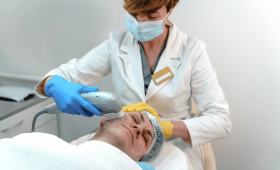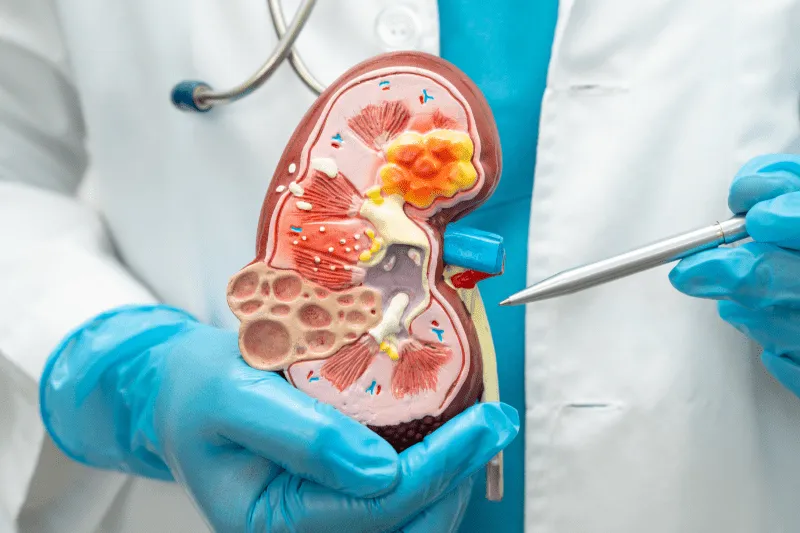
Stem cell treatments have revolutionized the world of aesthetic surgery and dermatology in recent years with the development of biotechnology. While traditional methods usually intervene in the outer layer of the skin or provide volume with temporary fillers, stem cell therapy triggers the skin’s own self-repair mechanisms at the cellular level. In this article, we will examine all the details, application stages, and curiosities of skin rejuvenation with stem cells under 35 different headings.
What Is A Stem Cell?
Stem cells are “master” cells found in our bodies that have the ability to transform into different tissue types. The most significant feature of these cells is that they can both replicate themselves and transform into specialized cells to repair damaged tissues. Stem cells used in skin rejuvenation initiate new collagen and elastin production in the lower layers of the skin, fundamentally improving tissue quality. This ability makes them unique in anti-aging treatments compared to other topical solutions.
Why Does Skin Aging Occur?
Skin aging is a complex process that occurs depending on both intrinsic factors and extrinsic factors. With genetic factors and the advancement of time, the rate of cell renewal slows down; collagen and elastin fibers begin to decrease. In addition, external factors such as sunlight, air pollution, stress, and poor nutrition damage the structure of the skin. As a result, sagging, wrinkles, spots, and a dull appearance appear on the skin, which is exactly where stem cells come into play.
What Are The Regenerative Properties Of Stem Cells?
The most basic regenerative feature of stem cells is that they secrete growth factors called “signaling molecules.” These molecules send a “renew” command to surrounding old or damaged cells. Stem cells also support the formation of new blood vessels, ensuring better nutrition and oxygenation of the skin. Thanks to this biological activity, the skin not only looks younger but also attains a biologically healthier and more durable structure. This internal repair is much more effective than external masks.
How Does Skin Rejuvenation With Stem Cells Work?
This method works on the principle of transplanting young and active stem cells taken from the patient’s own body into areas showing signs of aging. The injected cells change the microenvironment in the area where they are placed and stimulate fibroblast cells. When fibroblasts are stimulated, collagen synthesis, which forms the skeleton of the skin, increases exponentially. This process provides a natural opening of fine lines on the surface and long-term rejuvenation by tightening the skin naturally.
Which Types Of Stem Cells Are Used?
“Mesenchymal stem cells” (MSCs) are generally preferred in skin rejuvenation applications. These cells can be obtained from adult tissues, especially adipose (fat) tissue or a skin biopsy from behind the ear. In addition, fibroblast cultures grown in a laboratory environment have been evaluated in this context in recent years. Which type of cell will be used is determined by the specialist doctor after a detailed analysis according to the patient’s needs, the width of the application area, and the target.
What Is Adipose Tissue-Derived Stem Cell?
Adipose tissue, namely body fat, is one of the richest sources in terms of stem cells. Fat tissue taken with a small liposuction procedure from the abdomen, hip, or thigh area contains a very high concentration of stem cells. These cells are separated by a special method called “Stromal Vascular Fraction” (SVF). Stem cells obtained from fat tissue are accepted as the gold standard in the world of aesthetic medicine to both eliminate volume loss and improve skin quality simultaneously.
What Is The Importance Of Mesenchymal Stem Cells?
Mesenchymal stem cells are at the heart of regenerative medicine due to their ability to transform into different tissues such as connective tissue, cartilage, and fat. When used on the skin, they not only complete the missing structures but also show strong anti-inflammatory (anti-inflammatory) effects. Thanks to these features, they support the immune system of the skin and increase its resistance against environmental damage. The versatile nature of these cells is the factor that directly determines the effectiveness and success of the treatment.
How Does The Pre-Application Preparation Process Proceed?
A successful stem cell treatment begins with comprehensive preparation. In the first step, the patient’s general health status is evaluated and the degree of aging in the skin is analyzed. It is recommended to stop blood thinners, smoking, and alcohol about a week before the procedure. Increasing the patient’s water consumption can positively affect cell quality. In addition, it is of critical importance that the area to be applied is clean and does not contain any infection for the process to be completed safely.
How Are Stem Cells Collected From The Body?
The collection method of cells varies according to the source. If fat tissue is to be used, a small amount of fat is taken with the help of tiny cannulas under local anesthesia. If fibroblasts are to be obtained from behind the ear, a small piece of skin tissue with a diameter of about 3-4 mm is taken by biopsy. These procedures are quite short and the patient generally does not feel any serious pain. The samples taken are immediately processed to obtain cells of the highest purity and vitality.
How Is The Separation Process Performed In A Laboratory Environment?
Collected tissue samples are sent to special laboratories with GMP (Good Manufacturing Practices) standards. Here, the tissue is broken down and stem cells are separated from other components using high-tech devices such as centrifuges. In some methods, cells are separated and applied on the same day, while in some methods (such as fibroblast culture), cells are multiplied in special culture media for several weeks. This sensitive process is vital to preserve the vitality and therapeutic power of the cells.
How Are Purified Stem Cells Injected Into The Skin?
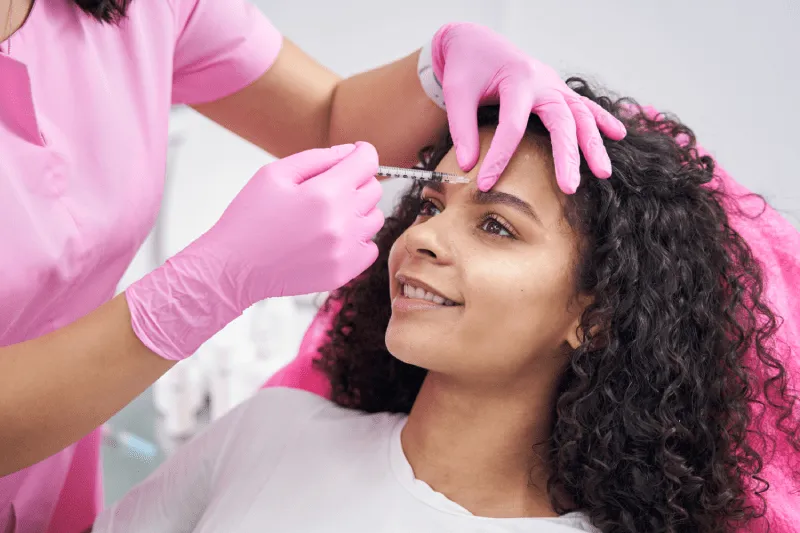
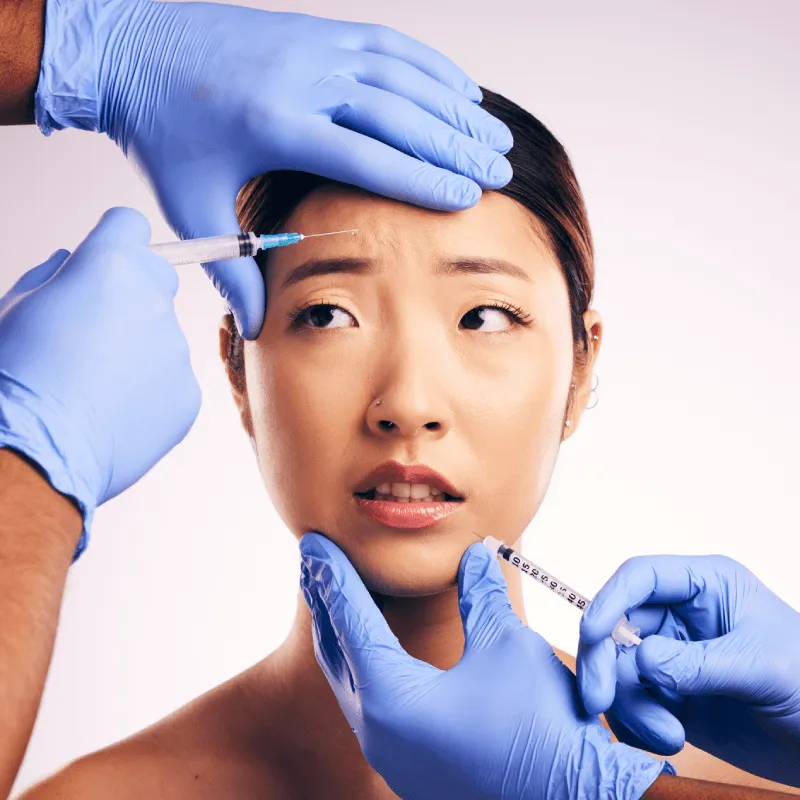
After the purified or multiplied stem cells are ready, they are transferred to the dermis layer of the skin with the help of very fine-tipped needles or cannulas. The application is generally performed in tiny doses to every point of the skin, similar to the “mesotherapy” method. More focused injections can be applied to areas with intense wrinkles or volume loss. The procedure requires extreme care because delivering the cells to the right depth and at the right density is a must for the desired result.
How Long Does Stem Cell Treatment Take To Complete?
Treatment time varies according to the selected method. The SVF method obtained from fat tissue is a “same-day” procedure that can be completed in about 2-3 hours, including fat collection, separation, and injection. In fibroblast cultures, while the biopsy takes 15 minutes, a waiting period of 3-4 weeks is required for the cells to multiply. The injection stage generally lasts around 30-45 minutes. The shortness of these processes provides an aesthetic solution compatible with the speed of modern life.
Is Anesthesia Used During The Procedure?
Anesthesia techniques are generally utilized in stem cell applications to keep patient comfort at the highest level. Local anesthesia is injected into the area during fat tissue collection; sometimes mild sedation can also be added. Before the injections to be made on the skin, topical numbing creams are applied to ensure that the needle entries are not felt. Most patients describe the procedure with a small discomfort as much as a “mosquito bite.” In this way, the procedure can be performed comfortably.
What Is The Effect Of Stem Cells On Collagen Synthesis?
Collagen is the main protein that maintains the tightness and form of the skin. As we age, our body has difficulty producing this protein. From the moment they enter the skin, stem cells stimulate existing fibroblast cells through the “paracrine” effect and encourage them to act like younger cells. As a result of this stimulation, Type 1 and Type 3 collagen production increases dramatically. The reconstructed collagen network collects the sags of the skin and provides a more vigorous appearance by removing surface irregularities.
How Are Elastin Fibers Strengthened With Stem Cells?
Elastin is the substance that provides the flexibility of the skin and its ability to return to its old form after being stretched. Sun damage and aging cause the breakdown of elastin fibers. Stem cell treatment triggers the re-synthesis and repair of these fibers. Thanks to the strengthened elastin tissue, the skin regains the “bounce” effect; that is, when you press with your finger, the rapid return of the skin to its former state depends on the quality of these fibers. The increase in flexibility is the most important line of defense.
How Is Tone Inequality In The Skin Corrected?
Stem cells have the ability to regulate the activity of melanocyte cells (pigment-producing cells). Sunspots, age spots, or color changes occurring after acne on the skin are alleviated by the tissue-regenerating effect of stem cells. Also, thanks to their ability to increase blood circulation in the skin, the skin takes on a more vivid, bright, and homogeneous color. The dull and lifeless appearance leaves its place to a healthy glow. This effect ensures that the skin not only rejuvenates but also becomes clearer.
What Is The Effect Of Stem Cells On Fine Wrinkles?
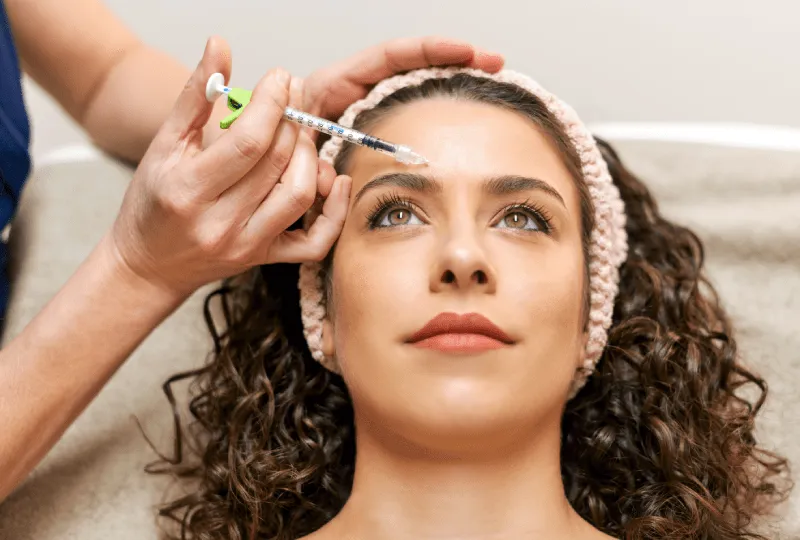
Fine lines occurring around the eyes, on the upper lip, and in the forehead area usually result from dehydration and superficial collagen loss. Stem cells fill the lines from the inside by increasing the water-holding capacity in these areas and thickening the dermis. Fine wrinkles start to become visibly faint a few months after the treatment. Since it provides a completely natural smoothing without freezing the mimics like Botox, it does not create an expression disorder. The skin surface gains a smoother texture.
Does Stem Cell Treatment Work On Deep Lines?
Deep lines are usually the result of more serious tissue loss and sagging. Stem cell treatment reduces the depth of the lines by restructuring the deep dermis layer in these areas. If the procedure is combined with fat tissue transfer (stem cell-enriched fat injection), the deep grooves are also physically filled. Stem cell injection alone does not completely eliminate deep lines, but it significantly softens them and increases the general tension of the skin, making these areas look much less noticeable.
How Are Acne And Scar Tissues Treated?
Acne scars and marks are actually areas of the skin that have healed incorrectly or where tissue deficiency remains. Stem cells encourage the replacement of scar tissue with healthy skin cells by modernizing it in these areas. It ensures that the scars rise and equalize with the skin surface by increasing the tissue production under the pitted scars (atrophic scars). This method is a biological repair process that “resets” the tissue, which can give quite effective results, especially in scars resistant to other laser treatments.
How Do Signs Of Aging Around The Eyes Decrease?
The skin around the eyes is the thinnest and most sensitive area of the body. Therefore, signs of aging start here first. Stem cell injections thicken the thin skin under the eyes, reducing the visibility of veins and thus alleviating dark circles. It also opens the lines known as “crow’s feet” and collects the bags under the eyes by increasing the tissue quality. The eye area attains a brighter, rested, and young expression. Since it is a sensitive area, the gentle effect of stem cells is a great advantage.
Can Stem Cells Be Used In The Neck And Jowl Area?
The neck and jowl area are the most vulnerable areas to gravity and are generally neglected. Stem cell treatment is an excellent option to reduce the appearance of horizontal lines in the neck (Venus rings) and to tighten the loosened skin structure. In the jowl area, it helps to form a sharper jawline by regulating the metabolism of fat cells and preventing tissue sagging. When the skin quality in the neck area increases, the face rejuvenation results look much more holistic and natural.
What Is The Role Of Stem Cells In Hand Rejuvenation Procedures?
Hands are one of the areas that give away our age the most; over time, the skin thins, and veins and bones become prominent. Stem cell treatment provides a fuller and smoother appearance to the hands by strengthening the subcutaneous fat tissue and dermis on the back of the hand. The skin structure that looks thin like “paper” thickens, and age spots fade. This procedure performed with your own cells reduces the biological age of the hands and provides long-term protection by increasing resistance.
Who Should Not Receive Stem Cell Treatment?
Although stem cell treatment is very safe, some conditions may pose an obstacle. Application is not recommended in active cancer patients or those with a history of cancer (before the treatment process ends), and in those with uncontrolled systemic immune system diseases. In addition, if there is an active infection or wound in the area to be applied, the procedure should be postponed. Pregnancy and breastfeeding periods are also processes excluded from application for ethical reasons. In any case, suitability should be clarified.
What Are The Side Effects And Risks Of The Treatment?
Since the person’s own cells (autologous) are used, the risks such as allergic reactions or the body rejecting the cell are almost non-existent. After the application, mild redness, small bruises, or a very slight edema may be seen in the injection areas; however, these usually disappear spontaneously within 24-48 hours. The risk of infection is extremely low as long as it is performed in a sterile clinic environment. Unlike traditional fillers, the risk of serious complications such as vascular occlusion or granuloma has been minimized.
What Is The Recovery Process Like After Application?
The recovery process after stem cell treatment is quite fast and effortless. Patients can generally return to their daily activities immediately after the procedure. It is recommended not to wash the skin and not to apply makeup for the first 24 hours. If fat tissue collection was performed, a slight sensitivity can be felt in that area for a few days. Avoiding heavy exercise and extremely hot environments (sauna, Turkish bath) for the first few weeks facilitates the adaptation process of the injected cells. Patience is required.
How Should Skin Care Be After Stem Cell Treatment?
Keeping the skin moist and protecting it from the sun are the two most important rules after the procedure. High protection factor (SPF 50+) sunscreens should not be neglected. Supporting creams containing growth factors or hyaluronic acid recommended by your doctor can increase the effect of the treatment. Harsh cleansers based on alcohol and aggressive peeling procedures should be avoided for the first month. Healthy eating, drinking plenty of water, and not smoking are factors that directly support the performance of stem cells.
Are The Results Permanent?
Stem cell treatment is a method that biologically turns back the aging clock of the skin. The rejuvenation effect obtained is not discarded from the body like artificial substances; that is, the new collagen and healthy structure gained by the skin are permanent. However, since gravity and the biological aging process do not stop, the skin naturally continues to age over time. Still, a person who has had stem cells will always be several years ahead of their peers. The lifespan of the results can last for many years.
How Many Sessions Of Stem Cell Treatment Should Be Performed?
The number of sessions can vary according to the method used. SVF stem cell treatment obtained from fat tissue generally provides the targeted effect in a single session. Fibroblast culture treatment obtained from behind the ear is generally applied in 3 sessions performed with intervals of 3-4 weeks. If the damage to the patient’s skin is very deep or the expectation is very high, reminder sessions can be performed after 1-2 years. The specialist physician creates a personalized session plan for the patient to get the best result.
What Are The Differences Between Stem Cells And PRP?
While PRP (Platelet Rich Plasma) uses the growth factors of platelets found in the blood, stem cell treatment directly contains live regenerative cells. PRP sends a short-term “message” to stimulate existing cells, and its effect is generally temporary. Stem cells are like cell factories that can live in the area they go to and produce continuously. In summary, while PRP is like a vitamin supplement, stem cell treatment is a much stronger and more permanent biological intervention that repairs the skin from the root.
How Does Mesotherapy Compare With Stem Cells?
Mesotherapy is the administration of vitamin, mineral, amino acid, and hyaluronic acid cocktails to the skin from the outside. These substances nourish and moisturize the skin, but their effect continues as long as those substances stay in the body. Stem cell treatment, instead of giving substances from the outside, renews the skin’s own production facilities (cells). While mesotherapy is a great maintenance method to “revitalize” the skin, stem cell treatment is a deeper treatment procedure applied to “rejuvenate” the skin and change its structure.
What Are The Advantages Of Stem Cell Treatment?
The biggest advantage is that it is completely natural and uses the person’s own biological material. It does not create a puffy or “mask face” appearance like artificial fillers; the rejuvenation process is spread over time and looks “rested and healthy” from the outside. In terms of long-term cost, it is more economical with its effect lasting for years instead of temporary procedures that need to be repeated every year. It also carries the biological health of the skin to the highest level, not just an aesthetic correction.
When Can One Return To Social Life After The Procedure?
Thanks to modern techniques, there is no need for a long rest period after stem cell treatment. Most patients can easily return to their work or social life the next day. The tiny spots at the injection sites close within a few hours. If a mild edema or bruising occurs, these can be easily concealed with appropriate concealers. This method is an ideal option for people who have a busy work pace and do not have time for long recovery processes after surgery but desire a natural rejuvenation.
What Is The Effect Of Seasons On Stem Cell Treatment?
Stem cell treatment can be safely applied in all seasons of the year. It does not create extreme sensitivity to the sun like laser treatments or deep chemical peelings. However, in applications performed in the summer months, extra care is required to protect the skin in the healing process from the UV damage of the sun. Winter and spring months are generally more frequently preferred because of the ease of skin repairing itself and avoiding the sun. The important thing is to follow the doctor’s sun protection advice.
How Are Stem Cell Treatment Prices Determined?
Pricing varies according to the scope of the treatment, the cell source to be used, and the width of the areas to be applied. Procedures requiring cell multiplication in a laboratory environment (fibroblast culture) may require a different budget due to the high technology and personnel costs used. Fat tissue collection and SVF procedure also require surgical equipment and special kit use. It is possible to get the healthiest price information after a preliminary examination to be performed by a specialist doctor and a treatment protocol prepared.
What Is The Future Of Stem Cells In Modern Aesthetics?
Stem cell technology plays a central role in the vision of a “non-aging society” of the future. Scientists are now working on genetic regulations and biosensors that will make cells even more effective, not just injecting them. In the future, it is expected that stem cells will become smart systems that not only rejuvenate the skin but also detect and repair diseases such as skin cancer in advance. The stem cell treatment you have today is actually a step taken today into the regenerative medicine world of tomorrow.
Free Consultation
Fill out the form below to get your free medical travel plan and price quote.
Sources and how to verify this yourself
- Ministry of Health, Regulation on International Health Tourism and Tourist Health, Official Gazette 26 April 2025, No. 32882 — authorisation requirement for facilities and intermediaries, TÜSKA accreditation, compulsory complication insurance (deadline 31 December 2025 for insurance, 31 December 2026 for accreditation). source
- Ministry of Health, Regulation on Promotion and Information Activities in Health Services, Official Gazette 12 November 2025, No. 33075 — treatment promises and guarantees are prohibited; price and campaign announcements are permitted only within international health tourism. source