Can PRP treatment really relieve chronic pain?
Chronic pain is one of the most challenging areas of struggle in modern medicine. PRP treatment aims to fight these pains by using the body’s own natural healing mechanisms. Unlike traditional methods, instead of just masking the pain, it takes an approach aimed at repairing the tissue damage that is the source of the pain. Scientific research shows that PRP reduces inflammation and accelerates tissue regeneration, especially in musculoskeletal system-related pains. For this reason, PRP is accepted as a promising and effective solution for many patients.
What exactly is platelet rich plasma?
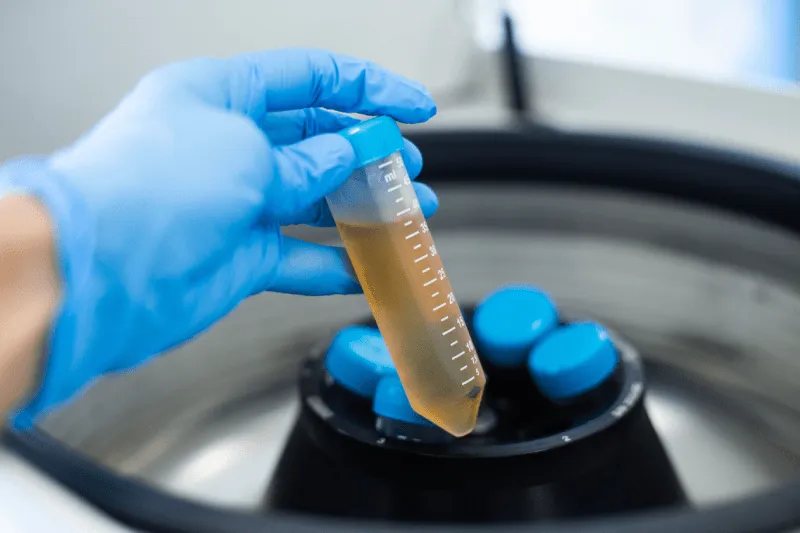
Platelet-rich plasma (PRP) is a plasma product obtained from the patient’s own blood, containing a much higher concentration of platelets than normal blood. In addition to ensuring blood clotting, platelets contain hundreds of growth factors that initiate healing processes. This rich content, separated from other components of the blood through a special centrifuge process, sends an intense “healing signal” when returned to the damaged area. Being a completely autologous method, meaning it is produced from the person’s own tissue, maximizes biological compatibility.
How does PRP increase the body’s self-healing power?
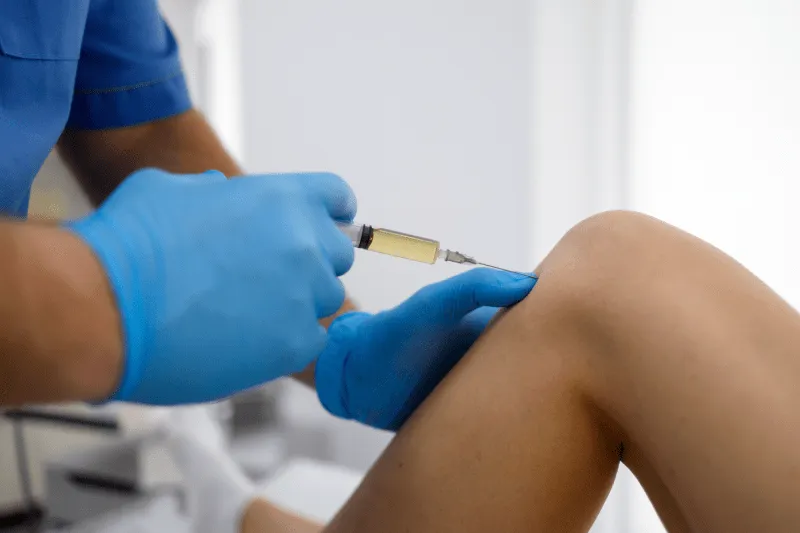
When an injury occurs in our body, platelets are the first cells to reach the area. PRP application artificially accelerates and intensifies this natural process. Growth factors within the injected plasma allow stem cells to migrate to the area, trigger collagen production, and support new blood vessel formation. These processes ensure the repair of damaged tendons, cartilages, or ligaments. Fundamentally, PRP helps to eliminate chronic damage by providing “super power” support to the healing capacity that the body has but remains insufficient.
How does chronic pain affect quality of life?
Chronic pain is not just a physical discomfort, but also a psychological and social burden. Pain lasting longer than three months can lead to sleep disturbances, chronic fatigue, depression, and anxiety disorders. This condition, which prevents the person from performing daily tasks, causes muscle weakness and joint stiffness by restricting mobility. For individuals who are isolated from social life, chronic pain can lead to the depletion of life energy. At this point, regenerative treatments like PRP aim to raise life standards again by enabling the patient to move freely.
Which types of chronic pain are suitable for PRP?
PRP treatment can be applied for a wide range of chronic pain types. Especially sports injuries, calcification (osteoarthritis), chronic tendon problems, ligament tears, and some nerve compressions are the main focus points of this treatment. It is also frequently preferred for neck and back pain, facet joint problems, and persistent heel pain. The success of the treatment depends on whether the pain originates from a mechanical or inflammatory source. After a specialist doctor’s examination, it is decided whether PRP is a suitable option depending on the origin of the pain.
Does PRP injection work for knee calcification?
Knee calcification (gonarthrosis) is a condition characterized by the wear and tear of cartilage tissue over time. PRP injections reduce pain by increasing lubrication within the joint and suppressing inflammation. It can slow down the wear process by improving the metabolism of cartilage cells (chondrocytes). Many clinical studies report that knee calcification patients treated with PRP experience longer-lasting relief compared to patients treated with hyaluronic acid or cortisone. In early-stage calcifications, PRP is an effective method that can postpone the need for surgery for years.
Can PRP be an alternative for back and neck pain?
Back and neck pains generally result from damage to facet joints, disc degeneration, or ligament laxity. When PRP is applied to these small joints or the ligaments supporting the spine, it can increase stabilization in the area. It helps to resolve muscle spasms and reduce inflammation around the disc. In back and neck pains that do not require surgery but show resistance to physical therapy, PRP treatment contributes to the patient’s return to a painless life by triggering tissue healing. This method is an important stop on the way to spinal surgery.
Should PRP be preferred for shoulder rotator cuff tears?
Rotator cuff tears in the shoulder area are a problem that seriously restricts arm movements and causes night pain. PRP is used in partial tears or to support the healing process after surgery. Growth factors that increase blood flow in the tear area ensure that the tissue heals faster and more firmly. Although surgical intervention is usually required for full-thickness tears, it has been observed that PRP applications performed during the operation increase the chance of success. In partial tears, PRP is one of the strongest options for non-surgical healing.
Is PRP a solution for tennis elbow?
Tennis elbow, also known as lateral epicondylitis, is the chronic inflammation and micro-tears of the tendons on the outer part of the elbow. Since blood circulation in this area is naturally weak, the self-healing process works very slowly. PRP is injected directly into the attachment point of the tendon, triggering blood supply and cell regeneration in the area. Unlike cortisone injections, it does not weaken the tendon; on the contrary, it strengthens it. It is supported by scientific data that it provides permanent healing in the vast majority of patients and reduces the risk of recurrence.
How is the PRP procedure applied step by step?
PRP application involves an extremely simple and safe process. In the first stage, a small amount of blood (approximately 10-20 ml) is taken from the patient’s arm. This blood is placed in a centrifuge device inside a special tube. Thanks to the high-speed rotation lasting about 10-15 minutes, the components of the blood separate according to their densities. The middle layer, where platelets are most concentrated, is carefully drawn and made ready. In the final stage, this prepared concentrated plasma is injected into the painful area by a specialist doctor under imaging guidance (usually ultrasound).
What should be considered before PRP treatment?
The days before the procedure are important to increase the success of the treatment. Especially the use of anti-inflammatory drugs (aspirin, ibuprofen, etc.) should be stopped at least 5-7 days in advance; because these drugs can prevent the functions of platelets and reduce the effect of the treatment. Consuming plenty of water increases the plasma quality of the blood. The patient does not need to be hungry on the day of the procedure, but it is recommended to have had a light meal. Additionally, it is suggested to stay away from alcohol and smoking habits during the treatment process, as they will decrease the tissue healing capacity.
How safe is it to be treated with your own blood?
One of the biggest advantages of PRP is the use of the patient’s own blood. This situation completely eliminates side effects such as allergic reactions, the body rejecting the substance, or the risk of infectious diseases. It is an extremely safe method when performed under sterile conditions and using professional kits. Since no synthetic substance or medicine is added from the outside, no biological compatibility problem occurs. The healing taken from the body’s own pharmacy is delivered to the needed area of the body again. With this feature, PRP is a perfect combination of “natural medicine” and “modern science.”
How long does the recovery process take after PRP?
Recovery after PRP treatment does not show an instantaneous effect like a medication treatment. Since the aim of the treatment is to repair the tissue, it takes time for biological processes to be completed. Generally, there may be a slight pain or feeling of fullness in the injection area for the first few days. This is a sign that the healing process has started. Significant signs of improvement usually begin after the second week, and tissue regeneration continues for up to 3-6 months. Patients observe that their pain decreases and joint movements relax over time. Being patient is the most important part of this treatment.
How many sessions of PRP treatment should be applied?
The number of sessions varies depending on the patient’s condition, the severity of the pain, and the type of targeted tissue. Generally, in chronic cases, a cure of 3 sessions performed with intervals of 2 to 4 weeks is recommended. However, while even a single session may be sufficient in some mild sports injuries, the number of sessions can be increased in advanced stage calcifications. Your doctor can update the treatment plan by evaluating the response given by the tissue after the first session. It is of critical importance that the sessions are completed in the planned order and without interruption for the effect of the treatment to be long-term.
What are the differences between PRP and cortisone injections?
Cortisone is a very powerful anti-inflammatory drug and cuts pain very quickly; however, it does not perform tissue repair, and can even weaken tendons and cartilages in the long run. PRP, on the other hand, relieves pain more slowly but strengthens and repairs the tissue. Cortisone is a “patch,” while PRP is a “construction” process. While cortisone provides temporary relief in chronic pains, PRP aims to offer a permanent solution. Since prioritizing restoration of tissue health over just cutting pain is now the standard in modern medicine, PRP is preferred more frequently.
Is PRP logical for those looking for non-surgical solutions?
Surgical intervention always carries risks and requires long rehabilitation processes. PRP is a very valuable option that closes or postpones the way to surgery in many diseases. It is ideal especially for patients who cannot receive anesthesia, have a fear of surgery, or have to return to their daily lives immediately. Being a minimally invasive method, it does not leave stitches or scars, which is a great advantage. If tissue damage is not at an irreversible point, it is an extremely logical and scientific choice to regain health with PRP in a non-surgical way.
Are there side effects and risks of PRP treatment?
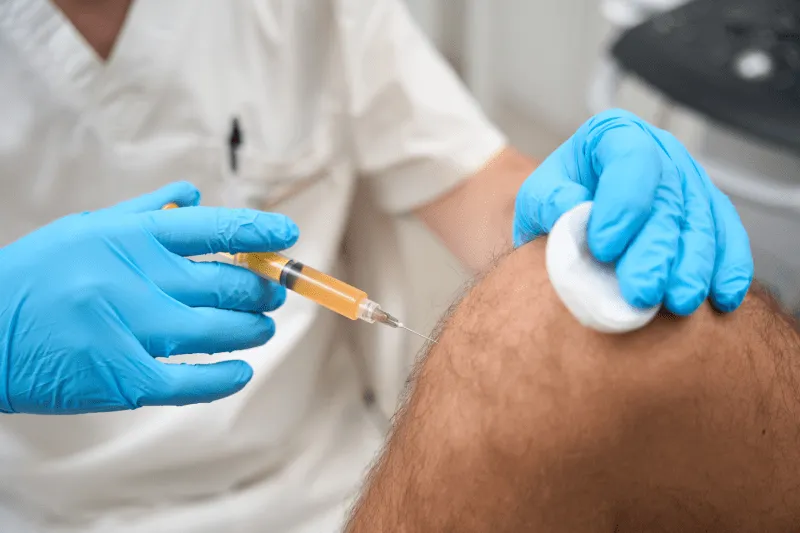
The side effect profile of PRP is quite low. The most common side effect is pain, swelling, or bruising in the injection area lasting for a few days. These symptoms indicate that the body is giving a healing reaction and they pass on their own. In very rare cases, although there is a risk of infection as in every injection procedure, this risk is almost non-existent when working sterilely. Complications such as nerve injury or vessel damage are minimized in applications performed by specialist physicians under imaging guidance. Overall, it is one of the safest medical procedures.
Who are not suitable candidates for PRP treatment?
Although PRP is very safe, it may not be suitable for some people. PRP is not recommended for those with an active infection, systemic cancer patients, and those with advanced blood clotting disorders. Additionally, it is not preferred in people whose blood platelet count (thrombocytopenia) is very low because the treatment will not be effective. Since there are not enough clinical studies in pregnant and breastfeeding women, it is usually postponed. Your doctor will evaluate the risks for you by examining your medical history and will make the most accurate decision.
How effective is PRP in heel spur pain?
Heel spurs and plantar fasciitis are annoying conditions that cause severe pain in the first step in the morning. The main cause of the pain is the chronic stretching of the ligament (plantar fascia) in the area and the formation of micro-tears. When PRP is injected into this hard area with low blood supply, it restores the flexibility and durability of the tissue by increasing collagen synthesis. When supported by physical therapy and special exercises, the success rate of PRP in heel spur patients can reach up to 80-90%. In chronic heel pain, PRP gives much more permanent results than cortisone.
Why is PRP so popular in sports injuries?
PRP is an indispensable assistant in situations where elite athletes need to return to the fields quickly. Muscle tears, ligament sprains, and Achilles tendon injuries can threaten athletes’ careers. PRP can shorten the recovery time of these injuries by 30% to 50%. By ensuring that the tissue heals not only fast but also more firmly, it also reduces the risk of re-injury. The fact that many famous athletes have announced they use this method has increased public trust and the popularity of PRP. In sports medicine, PRP is now a part of standard treatment protocols.
What is the success rate of PRP treatment?
The success rate varies according to the patient’s age, activity level, the stage of the disease, and the quality of the applied PRP. Looking at the literature in general, success rates in muscle and tendon injuries are quite high. In knee calcification, a significant reduction in pain and an increase in movement are observed in more than 80% of patients in the early stages. However, if the tissue is completely devastated (for example, 4th stage calcification), the chance of success decreases. Therefore, early diagnosis and intervention at the right time are the most important factors directly affecting the efficiency to be obtained from PRP.
Does PRP delay surgery in meniscus tears?
Meniscus tissue serves as the shock absorber of the knee and blood circulation is limited. In small and medium-scale tears, PRP can help the tissue close on its own. Although surgery is inevitable in full-thickness tears, PRP applications performed before or after surgery increase the stability of the knee and prevent cartilage loss. The biological support provided by PRP can postpone the need for total prosthesis surgery for many years by slowing down the aging of the knee joint. This is a great gain, especially for patients who want to continue their active lives.
Can PRP be applied to hip joint pain?
The hip joint is one of the deepest and most weight-bearing joints in the body. PRP can be an effective option in conditions such as hip calcification (coxarthrosis) or labrum tears. Due to the depth of the hip joint, this application must be performed accompanied by imaging methods such as ultrasound or fluoroscopy. PRP also provides fast and effective relief in bursa inflammations around the hip (trochanteric bursitis). This method, which increases mobility and relieves pain, is a modern approach in protecting hip health.
Is physical therapy needed after PRP?
PRP and physical therapy are two methods that complement each other perfectly. While PRP initiates biological repair in the tissue, physical therapy ensures that this newly formed tissue is directed correctly. Exercises strengthen the muscles, reducing the load on the joint and making the healing provided by PRP permanent. Most experts recommend starting a special rehabilitation program a few weeks after the PRP injection. This combination ensures that the patient not only gets rid of their pain but also reaches full functional capacity.
When does the effect of PRP treatment start to be felt?
Although many patients expect a miracle immediately after injection, the effect of PRP is spread over time. A slight increase in pain may be seen during the first week due to the triggering of inflammation. Generally, reduction in pain and relief start to be felt from the 2nd and 3rd weeks. The best results usually appear after the 2nd or 3rd month; because the maturation and strengthening of the collagen tissue take this long. It should not be forgotten that PRP is not a painkiller, but a healing method, and real healing requires time.
Is PRP treatment safe for elderly patients?
Calcification and chronic pain are much more common in elderly patients, and these patients usually use many medications. Since PRP does not have a systemic side effect, it does not carry a risk of drug interaction and is extremely safe for the elderly. However, as age progresses, platelet quality and growth factor density in the blood may decrease slightly. Despite this, in elderly groups where surgery is risky, PRP stands out as a great “supportive treatment” to increase life quality and manage pain. Maintaining mobility is of vital importance for the elderly.
Is pain felt during PRP injection?
The pain felt during the procedure is usually as much as a normal blood test or an injection from the hip. Depending on the area to be injected (for example, sensitive areas like the sole of the foot), local anesthesia can sometimes be applied. After the procedure, it is normal to feel a “dull” ache in that area for a few days due to the pressure created by the plasma and the healing reaction it triggers. This ache is biological evidence that the tissue is responding to the treatment. Severe pain is not expected, and patients can leave the clinic by walking immediately after the procedure.
Do fibromyalgia patients benefit from PRP treatment?
Fibromyalgia is a complex condition characterized by widespread pain and sensitive points in the body. Although PRP does not directly treat fibromyalgia, it can be used in the treatment of trigger points (knots) seen with this disease or accompanying tendon problems. When tension and micro-level damage in the muscles are eliminated, the general pain load of the patient can decrease. However, a multidisciplinary approach such as nutritional regulation, stress management, and physical therapy is essential alongside PRP in fibromyalgia treatment. In specific regional pains, PRP provides additional comfort for these patients.
Is PRP a permanent solution for chronic tendon inflammation?
Tendons are tissues with weak blood supply and tend to become chronic once damaged. In chronic conditions such as Achilles tendinitis or patellar tendinitis, PRP initiates a permanent structural change by carrying needed nutrients and cells to that area. Biopsy and imaging studies have proven that tendon fibers reach a more regular and healthy structure after PRP. In this sense, PRP does not only eliminate symptoms, but also contributes significantly to the root solution of the problem by improving the tissue architecture and prevents recurrences.
On what basis are PRP treatment costs determined?
PRP treatment prices change according to several basic factors. The quality and brand of the “PRP kit” used is the most important factor affecting the cost; because the cost of approved kits providing high concentration is higher. Additionally, how many sessions the application will be, which area it will be applied to, and whether imaging devices such as ultrasound will be used during the procedure also determine the price. Since health insurance usually considers this treatment in the “complementary” or “experimental” category, it may be out of scope; therefore, it is useful to discuss in detail with the clinic before the procedure.
When to return to sports activities after PRP?
Hurrying in sports can damage the healing tissue. Absolute rest is recommended for the first 48 hours after PRP. Heavy sports that will overly strain the injection area should be avoided for the first two weeks. Generally, light stretching and low-intensity exercises can be started after the 2nd week. Returning to full-performance sports activities can usually take between 4 and 8 weeks, depending on the severity of the injury. Not returning to sports without the approval of your doctor and physical therapist is the most critical rule to protect the success of the treatment.
Is PRP application risky for diabetic patients?
Diabetes (sugar disease) is a condition that slows down the general healing capacity of the body. However, PRP is not forbidden for diabetic patients; on the contrary, it can be beneficial for wounds that heal slowly due to diabetes and tendon problems. What is important is that the patient’s blood sugar levels are under control. Since the risk of infection may be slightly higher in diabetic individuals, extra care should be taken for sterilization rules during application. PRP can be evaluated as a safe and logical alternative since it can reduce drug use in chronic pain management of diabetic patients.
Is the quality of kits used in PRP treatment important?
Yes, the success of the treatment is directly dependent on the quality of the kit used. Some cheap or simple tubes cannot separate the blood sufficiently and cannot reach the desired concentration of platelets. A high-quality PRP kit should be able to concentrate platelets in the blood 5 to 10 times more than normal. Additionally, systems that prevent growth factors from being released or keep white blood cells (leukocytes) at the wrong ratio can reduce the effect of the treatment or even increase pain. That is why questioning where and with which technology the procedure is performed is as important for your health as the choice of physician.
How does quality of life increase with PRP in chronic pain?
Quality of life is directly related to being able to move without pain. Thanks to PRP, you can get out of bed more comfortably in the mornings, descend stairs without difficulty, or return to your hobbies. Getting rid of the damage that constant use of painkillers gives to the stomach and kidneys is also a big gain. Physical improvement brings along psychological relief; your sleep quality increases and your perspective on life changes positively. PRP, which breaks the chronic pain chain, promises to give you back not only your health but also your lost freedom of movement and joy of life.
How will PRP treatment evolve in the future?
The medical world is concentrating on “personalized biological treatments” to further develop PRP. In the future, by analyzing the patient’s blood, it will be possible to determine which growth factors they need more, and these factors can be enriched in a laboratory environment. Additionally, combinations of PRP with stem cell treatments (PRP-Stem Cell Cocktails) will become more common. Thanks to nanotechnology, growth factors can be released in the tissue for a longer period, thus reducing the number of sessions. Regenerative medicine seems likely to continue being the biggest rival of surgery in the future.
What are the most frequently asked questions about PRP treatment?
One of the questions patients are most curious about is “How long does the effect of PRP last?”; its effect can usually continue for 1 to 2 years. Another question is “Can everyone do it?”; no, it should only be performed by specialist physicians in a clinical setting. To the question “Should I apply ice after the procedure?”, the answer is usually “no, except for the first day,” because cold can stop the inflammation (i.e., healing). The answer to the question “Why are the prices so different?” is the kit quality and expertise difference mentioned above. To reach accurate information, a specialist should always be consulted.
Free Consultation
Fill out the form below to get your free medical travel plan and price quote.
Sources and how to verify this yourself
- Ministry of Health, Regulation on International Health Tourism and Tourist Health, Official Gazette 26 April 2025, No. 32882 — authorisation requirement for facilities and intermediaries, TÜSKA accreditation, compulsory complication insurance (deadline 31 December 2025 for insurance, 31 December 2026 for accreditation). source
- Ministry of Health, Regulation on Promotion and Information Activities in Health Services, Official Gazette 12 November 2025, No. 33075 — treatment promises and guarantees are prohibited; price and campaign announcements are permitted only within international health tourism. source