What Is Tooth Decay?
Tooth decay, also known as dental caries, is the destruction of the enamel—the outermost layer of the tooth—and the underlying dentin tissue by acids produced by bacteria. Bacteria in the oral cavity feed on the sugary and starchy foods we consume and produce acid as a byproduct. These acids soften the hard tissue of the tooth over time, creating holes or cavities. When not diagnosed early, decay can progress to the pulp, which is the living tissue of the tooth. This situation not only causes severe pain but can also lead to serious infections that may even result in the loss of the tooth itself. Tooth decay is a chronic process that can affect individuals of all ages, from toddlers to the elderly, but it is highly preventable with regular dental check-ups, professional cleanings, and a dedicated oral hygiene routine at home.
Why Does Tooth Decay Occur?
The formation of tooth decay occurs when multiple factors come together over a period of time. The primary cause is the sticky film of bacteria found in the mouth called dental plaque. When a person consumes sugary or carbohydrate-rich foods, these bacteria convert the sugars into energy, releasing acid in the process. These acids dissolve the minerals in the tooth enamel, a process known as demineralization. Other important factors contributing to decay include inadequate oral hygiene, such as failing to brush or floss regularly, and a low salivary flow rate, as saliva helps neutralize acids and wash away food particles. Additionally, the natural structure of the teeth, genetic predisposition, and the frequent consumption of acidic beverages can accelerate the process. As long as plaque remains on the tooth surface, the acid attack continues, eventually leading to structural damage and the formation of a cavity.
What Are the Symptoms of Tooth Decay?
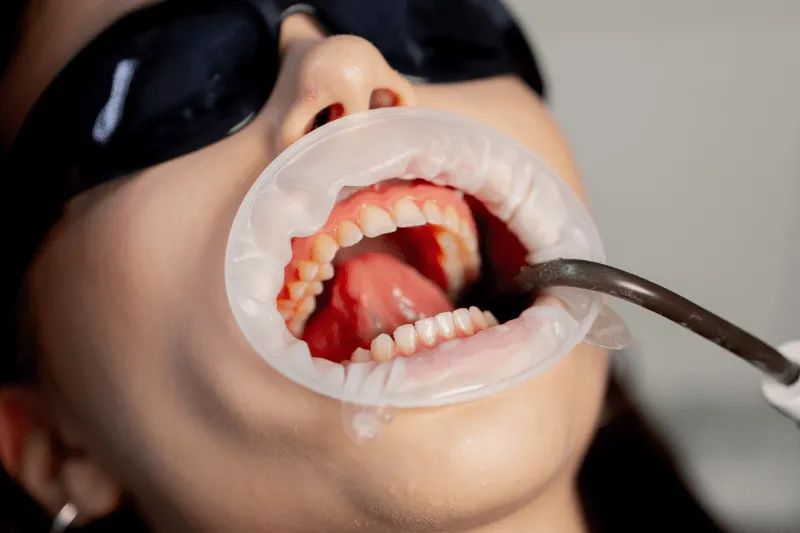
Tooth decay does not always start with noticeable pain; in fact, it often presents no symptoms at all during its earliest stages. However, as the decay progresses deeper into the tooth, specific symptoms begin to emerge. The most common sign is a sudden tooth sensitivity that develops against sugary, cold, or hot foods and beverages. Visible black, brown, or white spots on the surface of the tooth, or the sensation of a hole or a rough edge when running the tongue over the tooth, are also clear indicators of a cavity. In more advanced cases, a persistent and sharp pain may occur, accompanied by difficulty during chewing and a lingering bad taste or odor in the mouth. Swelling in the gums or the appearance of a dental abscess (a pus-filled pimple) are serious signs that the decay has reached the root canals and requires immediate professional intervention.
Which Teeth Are More Prone to Decay?
While all teeth in the mouth are susceptible to decay, certain groups of teeth are at a higher risk due to their anatomical structure. In particular, the molars and premolars (the back teeth) are highly vulnerable because of their complex surfaces filled with pits and fissures. These deep grooves easily trap food particles and bacteria, and they can be so narrow that toothbrush bristles cannot effectively reach inside to clean them. Furthermore, the third molars, commonly known as wisdom teeth, are often difficult to reach and clean properly due to their position at the very back of the mouth, making them prone to rapid decay. Individuals with crowded or misaligned teeth also face a higher risk, as the overlapping surfaces create “tight spots” where plaque accumulates. Areas where saliva flow is limited or where root surfaces have been exposed due to gum recession are also considered high-risk zones for caries.
What Happens if a Decayed Tooth Is Not Treated?
An untreated tooth decay will never heal on its own; instead, it will continuously expand and deepen over time. Damage that is initially limited to the enamel layer will begin to cause pain once it reaches the dentin. If intervention is still delayed, bacteria will eventually penetrate the pulp chamber, which houses the tooth’s nerves and blood vessels. This leads to intense, throbbing pain, facial swelling (abscess), and severe infections that can be quite dangerous. The infection can spread to the jawbone and potentially trigger systemic health issues if the bacteria enter the bloodstream. Ultimately, the structural integrity of the tooth is destroyed, and extraction becomes the only viable option. Tooth loss is not just an aesthetic problem; it is a functional crisis that leads to the shifting of neighboring teeth and the disruption of the entire chewing balance, often requiring expensive restorative work later.
Why Is Tooth Decay Seen in Children?
Tooth decay in children is often linked to poor dietary habits and inadequate early oral care. A specific condition known as “baby bottle tooth decay” occurs when a child’s teeth are frequently exposed to sugary liquids, such as milk or fruit juice, especially during sleep. Children’s tooth enamel is thinner and less mineralized than that of adults, making it significantly more vulnerable to acid attacks. Furthermore, the frequent consumption of sugary snacks and sticky candies increases the buildup of bacterial plaque. If the habit of tooth brushing is not established at an early age, primary (milk) teeth can decay very rapidly. It is crucial to remember that decay in primary teeth can directly threaten the health of the permanent teeth developing underneath, so these cavities must be treated by a pediatric dentist as soon as they are discovered to ensure long-term oral health.
Which Treatments Are Possible for Tooth Decay?
The path taken in the treatment of tooth decay depends entirely on the depth of the cavity and the extent of the damage to the tooth structure. For very early-stage decay, professional fluoride applications or protective fissure sealants may be sufficient to reverse or halt the process. If a physical cavity has formed, the most common and effective method is a dental filling. In cases where the decay has progressed to the nerves of the tooth, a root canal (endodontic treatment) becomes inevitable to save the tooth. If a large portion of the tooth is lost but the root remains healthy, porcelain or zirconium crowns are used to restore function and appearance. In very advanced or “hopeless” cases, tooth extraction followed by an implant or a bridge is planned. Your dentist will use digital X-rays and visual exams to determine the exact level of damage and recommend the most appropriate procedure.
How Does Filling Treatment Stop Decay?
Filling treatment is the process of removing the decayed tissue and restoring the tooth’s functional and aesthetic form. The dentist first removes all the softened tissue affected by the decay and thoroughly disinfects the resulting cavity. This space is then filled with modern materials that are compatible with the natural structure of the tooth. By doing this, the entry point for bacteria is sealed, effectively stopping the progression of the decay. Today’s advanced filling materials chemically bond to the tooth enamel, which actually helps to strengthen the remaining tooth structure. The filling process does not just “plug the hole”; it restores the tooth’s ability to withstand chewing forces and eliminates the sensitivity caused by exposed dentin, allowing the patient to return to normal function almost immediately.
When Is Root Canal Treatment Necessary?
Root canal treatment is required when decay reaches the pulp—the innermost part of the tooth containing the nerves and blood vessels. If you experience severe pain that starts spontaneously, keeps you awake at night, or if you feel a sharp throbbing sensation when exposed to heat, the nerves are likely inflamed or infected. Additionally, the formation of a pimple-like abscess on the gums indicates that the infection has reached the root tip. During a root canal, the infected or dead pulp tissue is removed, the canals are cleaned, shaped, and disinfected, and then they are sealed with a biocompatible material. This treatment is the final way to save a tooth that would otherwise need to be extracted. When performed correctly, a tooth that has undergone a root canal can continue to function healthily in the mouth for many years.
What Are the Tooth Crowning Methods?
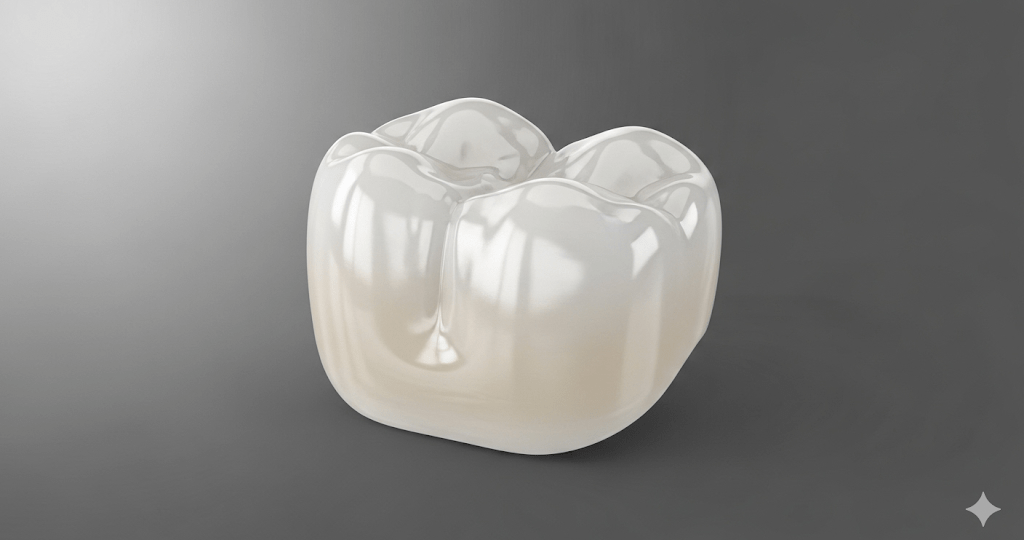
Dental crowns are preferred when the amount of tooth structure lost due to decay or fracture is too great to be restored with a simple filling. In this procedure, all surfaces of the tooth are slightly reduced in size, and a protective cap is placed over it. These crowns can be made of metal-supported porcelain, full ceramic, zirconium, or porcelain laminates. Crown treatment not only prevents the tooth from fracturing further under pressure but also provides a flawless aesthetic appearance. Especially for teeth that have undergone root canal treatment, they become more brittle over time; therefore, placing a crown over these teeth is the healthiest approach to extend their lifespan and ensure they can withstand the rigors of daily chewing without breaking.
Does Composite Filling Provide an Aesthetic Appearance?
Composite fillings, also known as “white fillings” or “tooth-colored fillings,” are indispensable in modern aesthetic dentistry. This material consists of a mixture of plastic resin and ceramic particles that can be matched exactly to the natural color of the tooth. The dentist applies the composite to the tooth in layers and cures each layer with a specialized blue light to harden it. Composite fillings are used not only to repair decay in the back teeth but also to fix chips in the front teeth or to close gaps between teeth (diastemas). After the application, the filling is polished to a natural shine, making it virtually impossible to distinguish from the surrounding tooth enamel. This allows patients to smile confidently without the dark, metallic look associated with older silver amalgam fillings.
What Are the Advantages of Zirconium Crowns?
Zirconium is one of the most preferred materials in dentistry today due to its incredible durability and superior aesthetic results. This metal-free substructure has the unique ability to transmit light just like natural tooth enamel, which prevents the teeth from looking “fake” or opaque. Zirconium crowns do not cause the purplish discoloration often seen at the gum line with traditional metal-supported crowns. Furthermore, they are highly biocompatible, making them the safest option for individuals with metal allergies. Because they are resistant to extremely high pressures, they can be used safely on both front and back teeth. Their smooth surface also minimizes the accumulation of bacterial plaque, which significantly helps in maintaining long-term gum health and preventing secondary decay.
In Which Cases Are Porcelain Crowns Preferred?
Porcelain crowns are used to restore the aesthetics and function of a tooth that has been severely compromised. Specifically, in cases of large-volume decay, teeth with previous root canal treatments, or when severe tooth discoloration is present, porcelain crowns are the go-to solution. Full porcelain systems (such as E-max) offer the highest light transmittance and are generally used for artistic smile designs, especially for the front teeth where appearance is paramount. Metal-supported porcelains might still be preferred in the posterior regions where chewing loads are exceptionally high and extra strength is required. In modern dentistry, these crowns are often produced using CAD/CAM technology, ensuring a precision fit with other teeth at the micron level and providing a long-lasting, comfortable restoration.
What Are Inlay and Onlay Fillings?
Inlay and onlay fillings offer a middle-ground solution between a standard filling and a full crown. This method is preferred when the tooth structure lost is too much for a classic filling but not quite enough to justify grinding down the whole tooth for a crown. After the dentist cleans the decay, a digital or physical impression is taken, and a custom piece is fabricated in a dental laboratory from porcelain or composite material. This piece is then bonded into the tooth using high-strength adhesives, fitting perfectly like a jigsaw puzzle piece. While inlays stay within the cusps of the tooth, onlays cover one or more of the cusps (the peaks). This method preserves the maximum amount of natural tooth structure while offering outstanding durability and a beautiful, seamless appearance.
Is Laser Dental Treatment Painless?
Laser technology is utilized in various areas of dentistry, including decay removal and gum surgery. During laser tooth decay treatment, the sound and vibration produced by traditional “drills” (high-speed handpieces) are eliminated. In many cases, the procedure can be completed without the need for local anesthesia (injections) because the laser light only affects the target area and stimulates nerve endings much less than mechanical tools. Furthermore, the laser completely kills bacteria in the treated area, significantly reducing the risk of secondary infection. Offering a much more comfortable experience for patients, laser treatment is a revolutionary solution, particularly for children and adults who suffer from dental anxiety or a fear of the traditional dental drill.
Is Tooth Extraction the Last Resort?
The primary goal of modern dentistry is always to keep the natural tooth in the mouth as long as possible. However, in some instances, tooth extraction becomes unavoidable. If decay has progressed deep into the root tip and caused a large cyst, if the tooth no longer has sufficient bone support due to advanced gum disease, or if the tooth is fractured at the neck level beyond repair, extraction is planned. Additionally, extractions are sometimes performed to create space for orthodontic treatment or to remove impacted wisdom teeth that are damaging surrounding tissues. Following a tooth extraction, it is vital to fill the resulting gap with an implant or a bridge to prevent neighboring teeth from shifting and to maintain the overall balance of the jaw and chewing function.
What Is Done Instead of a Tooth Lost Due to Decay?
When a tooth is lost, the jawbone in that area begins to resorb (shrink) over time, and the adjacent teeth tend to tilt into the empty space. To prevent this domino effect, the most modern and effective solution is dental implants. An implant is a titanium screw that mimics the root of a missing tooth and is placed directly into the jawbone. Another option is a dental bridge; in this method, the healthy teeth on either side of the gap are reduced in size to serve as supports for a bridge that spans the gap. Removable partial dentures are another alternative for patients with multiple missing teeth. However, in terms of functional, biological, and aesthetic success, the dental implant is undoubtedly the gold standard in modern dentistry.
Is Implant Treatment Permanent for Life?
Implant treatment has a success rate that allows it to stay in the mouth for a lifetime with proper planning and excellent oral hygiene. The titanium material fuses completely with the jawbone—a process called osseointegration—acting just like a real tooth root. However, the lifespan of an implant is directly dependent on the patient’s overall health and their commitment to oral care. Smoking, uncontrolled diabetes, and neglecting the hygiene around the implant can lead to a specific type of infection (peri-implantitis) that may result in the loss of the implant. With regular dental check-ups and the use of correct brushing and flossing techniques, implants provide a solution even more durable than natural teeth, significantly enhancing the patient’s long-term quality of life.
Is Tooth Sensitivity a Sign of Decay?
While not every instance of tooth sensitivity necessarily means there is a cavity, sensitivity is one of the earliest and most important warning signals of potential decay. When the enamel layer is worn down or when decay begins, the dentin tubules are exposed, allowing external stimuli like hot, cold, or acidic substances to reach the nerves directly. However, sensitivity can have other causes as well, such as gum recession, cracks caused by teeth grinding (bruxism), or erosion from acidic foods. If the sensitivity is concentrated in a single tooth and intensifies with the consumption of sugary foods, the probability of a cavity there is very high. A professional dental examination is essential to determine the exact cause and prevent further damage.
Can Gum Diseases Lead to Tooth Decay?
Gum disease and tooth decay are generally two different processes that often run parallel to each other. Gingivitis (gum inflammation) or its more advanced form, periodontitis, causes the gums to pull away from the teeth. When the gums recede, the root surface of the tooth, which is not protected by the hard enamel layer, becomes exposed. Since root tissue is much softer and more vulnerable to acids, “root decay” develops much more quickly in these areas. Additionally, bacteria accumulating in the gum pockets can erode the bone surrounding the tooth while simultaneously causing cavities at the neck of the tooth. Therefore, maintaining gum health is absolutely vital for protecting the entire tooth from decay and preventing premature tooth loss.
Why Should Turkey Be Chosen for Dental Treatment?
Turkey has become one of the most important dental health tourism centers in the world in recent years. The primary reason for this is the presence of modern clinics that provide world-class service and highly experienced dental surgeons. Clinics in Turkey utilize the latest technological devices, including digital smile design, 3D tomography, and advanced dental lasers. Furthermore, compared to Europe and the United States, treatment costs are much more affordable, allowing patients to access high-quality service under much better economic conditions. Beyond just the treatment, Turkey is a safe and comfortable health destination for international patients, offering comprehensive accommodation and transfer services that make the entire process stress-free and enjoyable.
What Is the Quality of Dental Clinics in Turkey?
Modern dental clinics in Turkey are centers with international accreditations and the highest standards of hygiene. Many clinics work with specialist dentists certified by leading training centers in Europe and the USA. There is no compromise on material quality; world-renowned implant brands and the highest quality porcelain and zirconium materials are standard. Patients can see the finished version of their smile before the treatment even begins, thanks to advanced digital scanners and 3D modeling. The high volume of cases and the depth of experience of Turkish dentists maximize success rates even in the most complex operations. This combination of hospitality and professional excellence has made Turkish dental clinics a globally recognized brand.
What Are the Advantages of Dental Treatment with Cure Holiday?
Cure Holiday is an excellent end-to-end solution partner for patients who wish to receive dental treatment in Turkey. When you plan your treatment with Cure Holiday, you are not just sitting in a dental chair; you are becoming part of a professionally managed organization. Your personalized treatment plan is prepared by expert dentists in a digital environment, and every detail about the process is communicated to you in advance. The greatest advantage offered by Cure Holiday is the combination of trust and comfort. Through collaborations with the best clinics, your treatment is guaranteed while you simply focus on your new smile. Cure Holiday is a reliable partner that guides you through every single step of your health journey.
What Do Cure Holiday Packages Cover?
The treatment packages offered by Cure Holiday are designed with an “all-inclusive” concept to meet all the needs of the patient. These packages typically include VIP airport transfers, accommodation in the city’s highest quality hotels, and seamless transportation between the clinic and the hotel. Additionally, professional translators will accompany you throughout the treatment to provide support in your own language. Post-treatment care products and necessary medications are also provided to you within the package. When you come to Turkey with Cure Holiday, you do not need to deal with any extra costs or logistical headaches. The entire organization is handled on your behalf, leaving you only to enjoy the beauty of Turkey.
Is It Possible to Have Both Health and Fun with a Dental Holiday?
The concept of a “Dental Holiday” is one of the unique opportunities Turkey offers to the world. With the organization of Cure Holiday, you can discover the historical and natural beauties of Turkey while your treatment is ongoing. For example, while enjoying the sun in Antalya or taking a Bosphorus tour in Istanbul, you can have your teeth treated through appointments scheduled a few days apart. Since treatment sessions are usually short, you can spend the rest of your time exploring as a tourist and experiencing the world-famous delights of Turkish cuisine. Thanks to Cure Holiday, the fear of the dentist transforms into a pleasant vacation. It is the perfect choice for both achieving the smile of your dreams and collecting wonderful holiday memories.
Why Should I Get Treatment in Turkey with Cure Holiday?
Tooth decay is something that should not be neglected, yet it can be solved quickly in the right hands. With early diagnosis and modern treatment methods, you can protect your natural teeth or regain missing teeth in their most natural form. Turkey, with its high technology and expert staff, is the most ideal destination for you on this journey. Cure Holiday offers you not just a treatment, but a life-changing transformation opportunity. If you want to have a painless, aesthetic, and healthy smile under very economical conditions, you can take the first step towards your new life by contacting Cure Holiday. A healthy smile is the most beautiful gift you can give yourself, and Cure Holiday is here to ensure that gift lasts a lifetime.
Free Consultation
Fill out the form below to get your free medical travel plan and price quote.
Sources and how to verify this yourself
- Howe M-S, Keys W, Richards D. Long-term (10-year) dental implant survival: a systematic review and sensitivity meta-analysis. Journal of Dentistry, 2019 — pooled 10-year implant survival 96.4% (95% CI 95.2–97.5%); conservative sensitivity estimate 93.2%. source
- Ministry of Health, Regulation on International Health Tourism and Tourist Health, Official Gazette 26 April 2025, No. 32882 — authorisation requirement for facilities and intermediaries, TÜSKA accreditation, compulsory complication insurance (deadline 31 December 2025 for insurance, 31 December 2026 for accreditation). source
- Ministry of Health, Regulation on Promotion and Information Activities in Health Services, Official Gazette 12 November 2025, No. 33075 — treatment promises and guarantees are prohibited; price and campaign announcements are permitted only within international health tourism. source