What is Osteoporosis and How Does It Change Bone Structure?
Osteoporosis, commonly known as bone loss, is a systemic skeletal disease characterized by a decrease in bone density. This condition leads to the deterioration of the bone’s micro-architecture, making the bones more fragile and sensitive. Under normal circumstances, bone tissue is a dynamic structure that is constantly being broken down and rebuilt; however, in osteoporosis, the rate of resorption exceeds the rate of formation. This imbalance leads to the weakening of the spongy bone tissue in the body, directly affecting all skeletal systems, including dental health.
What Are the Symptoms and Diagnostic Methods of Osteoporosis?
Osteoporosis is often described as a “silent disease” because it does not show significant pain or symptoms in its early stages. Many patients only become aware of the condition when they experience a bone fracture or a sudden decrease in height. From a dentistry perspective, reductions in the density of the jawbone in panoramic X-rays can sometimes be the first sign. For a definitive diagnosis, a test called “Bone Densitometry” (DEXA) is performed. This test measures bone mineral density, and the patient’s level of osteoporosis is determined, shaping the treatment plan according to this data.
Why Does Osteoporosis Occur and What Are the Risk Factors?
Genetic predisposition, aging, and hormonal changes play a primary role in the development of osteoporosis. Particularly in women, the drop in estrogen levels during the postmenopausal period is one of the biggest factors accelerating bone loss. In addition, inadequate intake of calcium and Vitamin D, a sedentary lifestyle, smoking, and alcohol consumption also increase the risks. Furthermore, some chronic diseases and long-term use of cortisone can cause bones to weaken. Knowing these factors is of great importance both for preventive treatment and before surgical interventions such as implants.
How Does Bone Density Affect Dental Health?
There is a direct correlation between general bone density in the body and jawbone density. Osteoporosis can lead to the weakening of the alveolar bone that supports the teeth, increasing the risk of tooth loss. When the bone structure weakens, the gums and surrounding support tissues are also negatively affected. Especially in patients using dentures or planning implants, the capacity of the bone to carry these prostheses decreases. A strong jawbone is necessary for a healthy mouth structure; as bone loss progresses, loosening and loss of teeth may become inevitable.
What Are the Side Effects of Medications Used in Osteoporosis Treatment?
Osteoporosis patients generally use bisphosphonate group drugs or other biological agents that support bone formation. While these drugs are very successful in stopping bone loss, they carry some risks in terms of oral surgery. Especially bisphosphonates taken intravenously or used orally for a long time can increase the risk of “osteonecrosis of the jaw” (bone death). This means that the bone cannot heal after a surgical procedure. For this reason, all medications used by the patient should be meticulously examined before implant treatment, and consultation with a medical doctor should be made if necessary.
Why is it Difficult to Perform Dental Implants in Those with Osteoporosis?
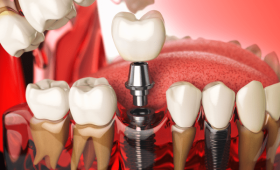
The success of dental implants depends on the process called “osseointegration,” which is the complete fusion of the implant with the bone. In osteoporosis patients, since the bone quality is low and porous, it becomes quite difficult to ensure the initial stability of the implant. Implants placed without a solid foundation may loosen or dislodge under chewing forces. In addition, the low regeneration capacity of bone cells prolongs the healing period, increasing the risk of infection and the probability of failure. These difficulties require a much more precise planning of the operation.
How Does Jawbone Loss Affect Implant Success?
A bone volume of sufficient height and width is essential for implant treatment. When melting occurs in the jawbone due to osteoporosis, the area where the implant will be embedded narrows. This situation creates both aesthetic problems and mechanical weakness. When bone volume is insufficient, there is a risk of the implant being exposed or damaging nerve canals. The “primary stability” (initial grip) required for a successful implant is much easier to achieve in a voluminous and dense bone tissue, whereas in a resorbed bone, the opposite is true.
Is There a Risk of Implant Loss in Osteoporotic Patients?
Yes, scientific studies show that osteoporosis can slightly reduce implant success, but it is not a complete barrier. The risk of implant loss generally increases when combined with inadequate oral care, smoking, and uncontrolled medication use. Low bone density may prevent the implant from fully fusing into the bone. Early-period losses are usually caused by stability problems during surgery, while late-period losses are caused by the bone’s inability to handle the load on the implant. However, with today’s technology, these risks can be minimized.
How Does Bone Quality Make Implant Retention Difficult?
Bone quality is generally divided into four classes (D1 to D4). In osteoporosis patients, D3 or D4 type, i.e., very soft and porous bone structure, is generally seen. Such bones cannot tightly grip the implant, which has a screw-like structure. It is somewhat like the difference between attaching a screw to a solid wall versus a spongy surface. This situation can cause micro-movements of the implant during the healing process, disrupting bone formation and leading to the loss of the implant. Therefore, special surgical techniques are mandatory.
Does Bisphosphonate Use Completely Prevent Implant Treatment?
While bisphosphonate use was once seen as a definite obstacle for implants, the situation has changed today thanks to modern protocols. The type of drug, duration of use, and dosage are decisive. The risk is quite low in short-term oral treatments. However, surgical intervention in those receiving high-dose intravenous medication can lead to serious complications. Physicians can usually continue treatment with a strategy of pausing, called a “drug holiday,” or with minimally invasive techniques. The important thing is for the surgeon to manage this process very well.
What is Bone Powder (Grafting) Application and How Does It Work?
Bone powder application or bone grafting is a surgical procedure performed to increase insufficient bone volume. In this process, bone fragments taken from the patient’s own body (autograft) or synthetic/animal-derived biomaterials are used. These materials are placed in the area with bone loss, acting as a “scaffold” for the body to attract its own bone cells there and produce new bone. Over time, the graft material is absorbed by the body and replaced by living and healthy bone tissue. This method offers a vital solution for osteoporotic patients.
Can Osteoporotic Patients Have Implants Thanks to Bone Powder?
Absolutely yes. Even in osteoporotic patients, a suitable ground for an implant can be prepared using bone graft techniques. The application of bone powder increases the density and volume of the weakened jawbone, providing the support the implant needs. In this way, many patients who were once told “implants cannot be performed” can safely achieve their new teeth today. Although the grafting process slightly extends the surgical process, the permanence and success of the result obtained are definitely worth this extra effort.
Why is Sinus Lifting Important in Bone Resorption?
When teeth are lost in the upper jaw posterior region, sinus cavities may sag downwards, and bone resorption can turn this area into a very thin layer. With the procedure called “Sinus Lifting,” the sinus floor is raised and bone powder is placed underneath. Since bone loss in this region is faster in osteoporosis patients, sinus lifting becomes inevitable for implant success. Thanks to this procedure, sufficient bone depth is created in the upper jaw, making it possible to place implants safely.
How Long Does the Bone Powder Application Take to Heal?
The healing process of bone powder application varies from person to person and according to the amount of graft used. It usually takes between 4 to 9 months for the bone powder to turn into actual bone tissue and mature. During this period, the body uses the graft material as a guide to carry blood vessels and bone cells to the region. In osteoporotic patients, this process may proceed a bit more slowly due to the systemic condition. It is necessary to wait patiently for this period to ensure the bone reaches sufficient hardness before the implant is placed.
Is the Bone Grafting Process Painful?
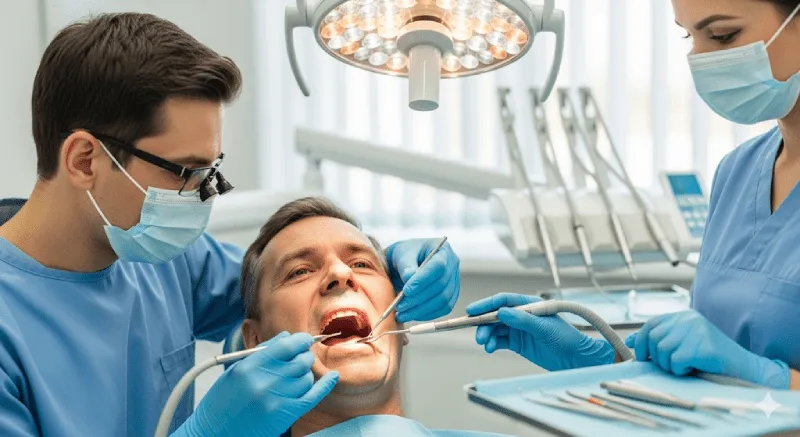
Thanks to modern anesthesia methods, the patient does not feel any pain or ache during the bone grafting process. Usually performed under local anesthesia, this procedure can be as comfortable as a standard filling or root canal treatment. It is normal to see slight swelling and sensitivity after the procedure, but painkillers and antibiotics prescribed by the physician will relieve this process significantly. Thanks to advanced surgical techniques, surgical trauma is minimized, allowing the patient to return to their daily life quickly.
What are the Preparations to be Made Before Implant Treatment?
A successful implant process begins with comprehensive preparation. The first step is to treat all cavities and gum problems in the mouth; because the success of the implant is compromised in an infected mouth. General health status checks and blood tests may also be requested for osteoporosis patients. In addition, a 3D tomography (CBCT) is taken to map the structure and thickness of the bone and the pathways of the nerves with millimeter precision. This preparation phase eliminates surprises that may be encountered during the operation.
How is Dental Implant Surgery Performed?
Dental implant surgery is generally a procedure completed in a single session. First, the area is numbed with local anesthesia. Then, a small socket is opened in the jawbone and the titanium implant is placed into this socket. If bone powder is needed, grafting is also performed at this stage and the gum is closed with stitches. The procedure time can vary between 30 minutes and several hours depending on the number of implants. After the surgery, the patient can go home the same day and start the healing process by following the surgeon’s instructions.
What is the Bone Fusion Process (Osseointegration)?
Osseointegration is the cornerstone of implant success. Titanium-produced implants are not perceived as foreign substances by the body, and bone cells begin to cling tightly to the surface of the implant. In this process, the implant and the bone become almost a single piece. In osteoporosis patients, this fusion process should be managed a bit more sensitively. Loading the implant before fusion is complete can cause the loss of the implant. Generally, waiting 2-3 months for the lower jaw and 3-6 months for the upper jaw is ideal.
What Should Be Considered During the Healing Period After Implant?
The first 48 hours after surgery are very critical. Applying cold compresses to the area reduces swelling. Hot foods and drinks should be avoided, and soft foods should be consumed. Smoking must be strictly avoided as it slows down wound healing and increases the risk of infection. Utmost attention should be paid to oral hygiene, but the surgical area should be treated gently in the first few days. To support healing in osteoporotic individuals, calcium and Vitamin D supplements can also be used upon physician recommendation.
When Are Implant-Supported Prostheses Attached?
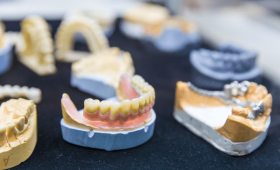
After the implants are fully integrated with the bone, the second stage, prosthesis construction, begins. The physician takes measurements after checking with special devices (RFA) that measure the stability of the implant. Prostheses are produced from materials such as zirconium or porcelain, suitable for the patient’s natural tooth color and structure. This stage is usually completed within a week to ten days. As a result, the patient achieves new teeth that are both aesthetically perfect and fully perform the chewing function.
Are There Special Implant Types for Osteoporosis Patients?
As technology advances, implants specifically designed for weak bone tissues have been developed. These implants generally have a more aggressive thread structure and cling more tightly to the bone. In addition, surface properties (such as hydrophilic surfaces) have been modified to ensure that bone cells cling faster. “Active surface” implants can shorten the osseointegration period and increase the success rate in osteoporotic patients. Your surgeon will minimize the risks by choosing the most suitable implant model for your bone quality.
What is the Combined Effect of Smoking and Osteoporosis on the Implant?
Both smoking and osteoporosis are factors that negatively affect bone quality and blood supply. The combination of the two creates one of the biggest risk factors for implant treatment. Smoking causes the vessels in the mouth to constrict, restricting the nutrients and oxygen going to the surgical area. This situation can bring the healing capacity of already weak osteoporotic bone almost to a standstill. Quitting smoking before starting treatment will exponentially increase the life and success of the implant.
Is Implant Treatment Safe in Elderly Patients?
Age alone is not an obstacle for implant treatment. What matters is whether the patient’s chronic diseases are under control. Many patients over 80 years old are successfully having implants despite osteoporosis. Modern medicine is capable of managing conditions such as bone resorption in elderly patients. Implants also contribute to the improvement of the general health status of elderly individuals by increasing their nutritional quality. In the old age period when removable dentures cause sores or fall out, implants bring quality of life back to its peak.
How Long is the Lifespan of Dental Implants?
A professionally placed and well-maintained dental implant can be used for a lifetime. However, in osteoporosis patients, regular checks gain more importance because the condition of the bone may change over time. The most important factor determining the lifespan of the implant is the patient’s oral hygiene. As long as “peri-implantitis” (inflammation of the gums around the implant) is prevented, titanium roots continue to remain a part of the body. As long as osteoporosis treatment is not neglected, a decrease in the lifespan of implants is not expected.
Why is Gum Health Important After Implant Treatment?
The biggest enemy of implants is gum infections. Just like natural teeth, tartar and plaque can accumulate around the implant. If these deposits are not treated, the infection can spread to the bone tissue and lead to the resorption of the bone supporting the implant. Since osteoporotic patients are already prone to bone loss, this condition can progress faster. Therefore, the use of an interdental brush and an oral irrigator in addition to tooth brushing is a critical necessity for the long-term success of implants.
How Does Digital Dentistry Increase Implant Success?
Today, thanks to digital scanners and 3D printers, implant operations are performed with “guided surgery.” The location of the implants is determined in a computer environment with millimeter precision on the patient’s tomography and a surgical guide is prepared. This method allows for pinpointing the densest areas of the bone in osteoporosis patients. This technology, which almost eliminates the margin of error, offers faster healing with smaller incisions and increases post-operative comfort.
Alternative Treatment Methods: Removable Dentures or Implants?
In the past, only removable dentures were recommended for those with bone loss. However, removable dentures can put pressure on the jawbone, accelerating bone resorption even further. Because the bone is seen as unnecessary by the body and is resorbed when the pressure (stimulation) of the tooth or implant on it is removed. Implants, on the other hand, slow down resorption by keeping the bone functional. For osteoporotic patients, implants that give a fixed and solid chewing feeling fundamentally solve the problems of hitting, falling out, and inability to chew caused by removable dentures.
How are Implant Prices and Cost-Benefit Analysis?
Implant treatment may seem like a costly investment initially, but it is the most economical solution in the long run. Considering the frequent replacement of removable dentures, maintenance products, and the discomfort they create, implants offer a lifelong value. Especially in osteoporosis patients, although additional procedures such as bone powder increase the cost somewhat, the psychological and physical benefits of a solid smile and being able to eat healthily are priceless. You make the investment in your own health and self-confidence.
Why is Turkey a World Brand in Dental Treatment?
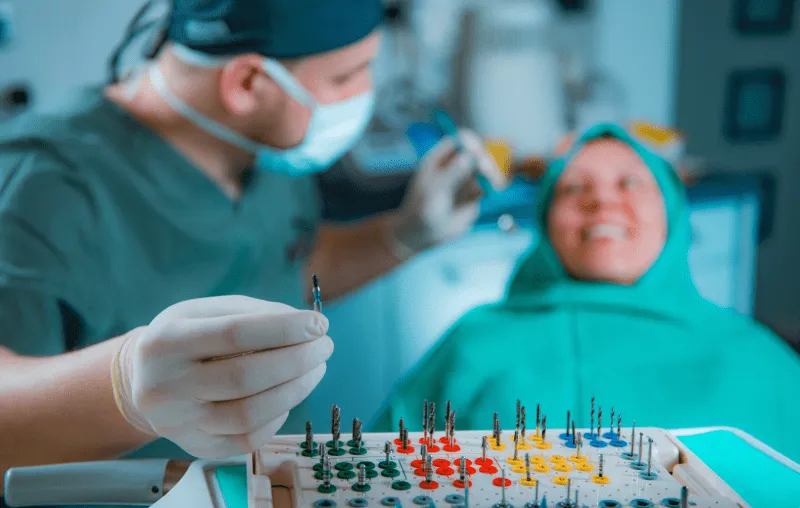
Turkey has become one of the most important centers in the world in the field of oral and dental health in recent years. Among the main reasons for this are highly educated dentists, clinics with the latest technology, and international standards of service quality. Especially the fact that the same quality service is offered at much more affordable costs compared to Europe and America makes Turkey attractive. In modern hospitals, patients are enabled to achieve the smile of their dreams using world-renowned implant brands.
How is the Health Tourism and Implant Experience in Turkey?
Patients coming to Turkey within the scope of health tourism not only get treated but also have the opportunity to discover the historical and cultural beauties of the country. Many clinics offer packages that organize everything from airport transfers to accommodation, from translation services to city tours. This professional approach makes patients from abroad feel at home. A process that could be stressful, such as dental treatment, turns into a pleasant experience by combining with the comfort of a holiday in Turkey.
What are the Advantages of Receiving Dental Treatment with Cure Holiday?
Cure Holiday acts as an excellent bridge for patients who want to receive treatment in Turkey. Our company brings together the most experienced oral surgeons and clinics with the most modern equipment for you. In cases requiring expertise such as osteoporosis, we ensure you match with professionals who will best manage your case. Our team, which is with you from the beginning to the end of your treatment process, guarantees the implementation of medical standards at the highest level while leaving you to just enjoy your new smile.
Why Should You Choose Cure Holiday in Osteoporosis Treatment?
Implant treatment in osteoporotic patients is a process that accepts no errors and requires special care. As Cure Holiday, we are aware of this situation and work only with physicians specialized in bone grafting and complex implant cases. With personalized treatment plans, the highest quality materials, and a guaranteed service understanding, bone loss ceases to be an obstacle. Don’t leave your health to chance; you can achieve the safest and most aesthetic results by working with us.
How is a Personalized Treatment Plan Prepared with Cure Holiday?
Each patient’s bone structure and health history are unique. When you reach us, your X-rays and doctor’s reports, if any, are meticulously examined by our experts. A special roadmap is created for you in line with your osteoporosis level, the medications you use, and your expectations. How many implants will be needed, how much bone powder will be used, and the calendar of the whole process are shared clearly. In this way, you know what you will encounter before coming to Turkey and don’t deal with surprise costs.
How are Accommodation and Transfer Services While Receiving Treatment in Turkey?
As Cure Holiday, we care as much about your comfort as your medical treatment. From the moment you land at the airport, your transfers are carried out with private vehicles. During the treatment, you are provided with accommodation in high-standard hotels close to the clinic where you can rest. Your transportation and appointment coordination in the city are managed by our professional teams. While you focus only on your health, we organize all logistical details on your behalf.
How Does the Post-Treatment Follow-up and Support Process Work?
Our communication does not end when your treatment is completed and you return to your country. Cure Holiday continues to follow your healing process after treatment remotely. If you have any questions or if a situation arises that you want to consult about, you can easily reach our experts. We are always by your side for your annual checks or potential additional needs. Success for us is not just the placement of the implant, but your being able to use that implant with pleasure and health for years.
What are the Success Stories and Reviews for Osteoporosis Patients?
To date, hundreds of our patients with osteoporosis have achieved their health in Turkey through Cure Holiday. Many of them were patients who had been turned away in their own countries with the word “insufficient bone.” With correct bone grafting techniques and our choice of expert surgeons, we shared in the joy of these patients achieving fixed teeth. The positive feedback and thank-you videos from our happy patients are the biggest proof of how well we do our job. You too can be the hero of one of these success stories.
It is Very Easy to Contact Cure Holiday!
Taking the first step to achieve the smile of your dreams is very simple. You can fill out the form on our website, message us via our WhatsApp line, or call us directly. Our consultants, serving in Turkish, English, and many other languages, are waiting to answer all your questions. It is sufficient to send us your X-ray for a free preliminary evaluation. Cure Holiday is always with you for a healthy future and strong teeth!
What are the Frequently Asked Questions About Dental Implants and Osteoporosis?
Our patients usually have questions in their minds like “Will my implant fall out?” or “Does bone powder work?” We answer these questions transparently. Scientific data show that the success rate in osteoporosis patients is 95% and above. What matters is the right technique and a patient healing process. Bone powder turns into a part of the body, creating a very solid foundation. You can learn all these details and more during the meeting you will have with our consultants.
What Kind of Experience Does the Holiday and Treatment Combination in Turkey Offer?
You can turn the time you set aside for your dental treatment into an unforgettable holiday. You can get lost in the historical texture of Istanbul, rest in the deep blue sea of Antalya, or taste the unique flavors of Aegean cuisine. We offer you special sightseeing suggestions to evaluate the free time between your treatment appointments. This unique experience, where you will both achieve your new teeth and rest your soul, will turn into a wonderful memory that you will remember for a lifetime.
Is Osteoporosis an Obstacle for Dental Implants?
In summary, having been diagnosed with bone resorption no longer means you will be toothless. Thanks to modern medicine, bone grafting methods, and advanced surgical techniques, individuals with osteoporosis can also safely have dental implants. What matters is to set out with an expert team and apply the right treatment plan. As Cure Holiday, we bring you together with Turkey’s best physicians, ensuring you complete this process in the most comfortable and successful way. Do not postpone your smile, trust us!
Get Your Appointment Now and Change Your Life!
Waiting longer can cause bone loss to progress and the treatment process to become more difficult. Make a decision today and make the best investment for your health. As the Cure Holiday team, we look forward to preparing the most suitable treatment package for you and welcoming you to Turkey. We are just a phone call away. The days when you will smile with healthy, solid, and aesthetic teeth are very close!
Free Consultation
Fill out the form below to get your free medical travel plan and price quote.
Sources and how to verify this yourself
- Howe M-S, Keys W, Richards D. Long-term (10-year) dental implant survival: a systematic review and sensitivity meta-analysis. Journal of Dentistry, 2019 — pooled 10-year implant survival 96.4% (95% CI 95.2–97.5%); conservative sensitivity estimate 93.2%. source
- Ministry of Health, Regulation on International Health Tourism and Tourist Health, Official Gazette 26 April 2025, No. 32882 — authorisation requirement for facilities and intermediaries, TÜSKA accreditation, compulsory complication insurance (deadline 31 December 2025 for insurance, 31 December 2026 for accreditation). source
- Ministry of Health, Regulation on Promotion and Information Activities in Health Services, Official Gazette 12 November 2025, No. 33075 — treatment promises and guarantees are prohibited; price and campaign announcements are permitted only within international health tourism. source