What is Breast Lift Surgery (Mastopexy)?
Breast lift surgery, medically termed mastopexy, aims to reshape, restore, and elevate breast tissue that has sagged or loosened over time due to various factors, creating a youthful, firm, and more aesthetic appearance. During this procedure, excess skin is removed, and the nipple (areola) and the breast tip are repositioned to their appropriate anatomical location, higher up on the chest. This technique grants the breast a rounder and fuller upper pole contour. The operation can be performed using different techniques, depending on the patient’s existing tissue quality and their desired final outcome. The procedure is typically planned according to the degree of breast sagging (ptosis), and the most suitable method for the patient is determined by the surgeon after a detailed physical examination. This is one of the most critical steps towards achieving a successful result.
Why Does the Need for a Breast Lift Arise?
The need for a breast lift usually arises from a combination of multiple factors. The most common reasons include the inevitable effect of gravity coupled with a decrease in skin elasticity over the years. Pregnancy and breastfeeding processes can lead to significant changes in breast volume and shape, accelerating the sagging. In individuals who have experienced significant weight loss, the reduction in fat tissue within the breast and the loss of skin elasticity result in empty, saggy breast skin. Factors such as smoking and genetic predisposition can also negatively affect the skin structure, increasing the need for a lift. These conditions cause the breast not only to sag but also to lose its fullness in the upper part.

Do Non-Surgical Methods for Breast Lifting Actually Work?
Non-surgical breast lifting methods, although frequently advertised, are insufficient in providing a permanent and satisfactory lift for significantly sagging breasts (Grade II or III ptosis). Radiofrequency, laser treatments, or certain filler applications can only be considered supportive for very mild degrees of sagging or to slightly improve skin quality. These methods generally lack the capacity to physically elevate the breast tissue and remove excess skin. Surgical lifting (mastopexy) remains the gold standard for reversing sagging and providing the breast with a permanent, re-contoured shape. Therefore, it is crucial for patients with significant sagging problems to focus on surgical solutions with realistic expectations.
Is Only a Lift Necessary, or is it Needed with Implants?
This decision should be made collaboratively with the surgeon based on the patient’s existing breast volume, skin elasticity, and the desired final result. If the patient has sufficient breast volume and their only request is the removal of sagging, then a lift alone (classic mastopexy) will be adequate. However, if the breast tissue is deflated, has lost volume due to weight loss or aging, and the patient desires a fuller, more cleavage-enhanced look, then a lift combined with implants (augmentation mastopexy) may be the most effective solution. Implants restore the lost internal fullness, adding volume and projection to the upper pole of the breast.
What Are the Main Advantages of Implant-Free Breast Lift?
Implant-free breast lifting is performed by preserving the breast’s natural tissue and merely reshaping the existing tissue. The biggest advantage of this method is that the breast maintains a completely natural feel and appearance. Since no foreign material is placed in the body, long-term concerns regarding implant replacement or implant-related complications are eliminated. The post-operative breast, being composed only of its own tissue, reacts more predictably to aging and weight changes. Furthermore, this approach, which does not require the use of implants, allows for easier evaluation of breast tissue, especially in radiological imaging.
What Additional Benefits Does a Lift with Implants Offer?
Breast lift with implants (augmentation mastopexy) not only provides the firmness resulting from the lift but also restores the lost volume and fullness in the upper part of the breast. This is ideal for patients whose breasts have become deflated and lost internal volume following pregnancy or weight loss. Implants provide the desired projection and cleavage fullness, resulting in a more aesthetic, symmetrical, and defined contour. The combination of correcting the sag and increasing the volume ensures that clothes fit the patient better and significantly improves overall body image. Additionally, surgeons have the flexibility to adjust the position of the nipple and the inframammary fold more precisely with this method.
How is the Relationship Between Implant Size Selection and Lifting Established?
Implant size selection is directly related to the need for a lift and is determined by a combination of the surgeon’s artistic skill and scientific calculations. If the degree of sagging is high, using a very large implant can increase the risk of future re-sagging by placing extra load on the breast tissue. Therefore, for a successful long-term outcome, a medium-sized implant suitable for the individual’s anatomy is generally preferred. The surgeon meticulously plans how much of the existing tissue to preserve, how much to remove, and how the implant’s volume will contribute to this reshaping. The goal is not just to add volume but also to balance the overall proportions of the breast.
Which Implant Placement Plane (Submuscular or Subglandular) is Preferred in Which Case?
The plane in which the implant is placed is an important technical decision that affects the success and outcome of breast lift surgery. Submuscular (subpectoral) placement provides a more natural transition, especially in patients with very thin or scant breast tissue, preventing the implant edges from becoming noticeable. Furthermore, implants placed in this plane can slightly reduce the pressure on the breast tissue in the long term. Subglandular or subfascial placement is preferred in patients with adequate breast tissue thickness and generally results in a shorter post-operative recovery time. The surgeon selects the most appropriate plane by considering the patient’s existing tissue quality, skin thickness, and lifestyle.
What Are the Classic Mastopexy Techniques? What Scars Do They Leave?
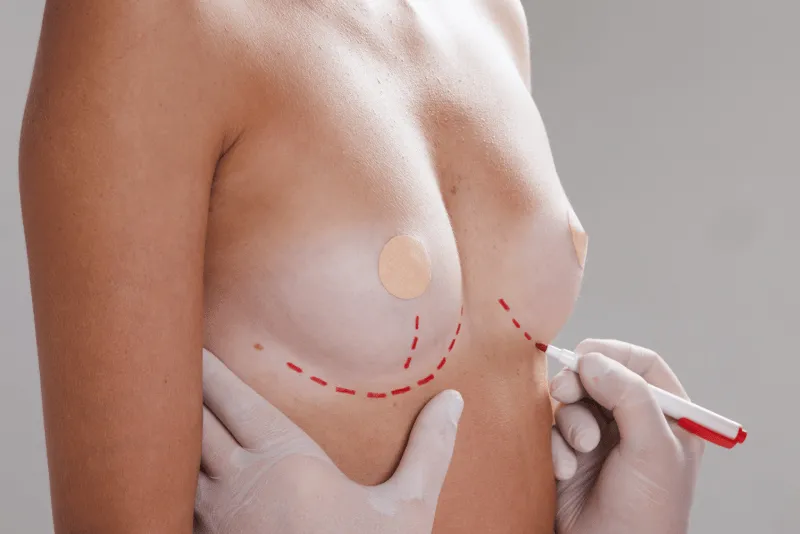
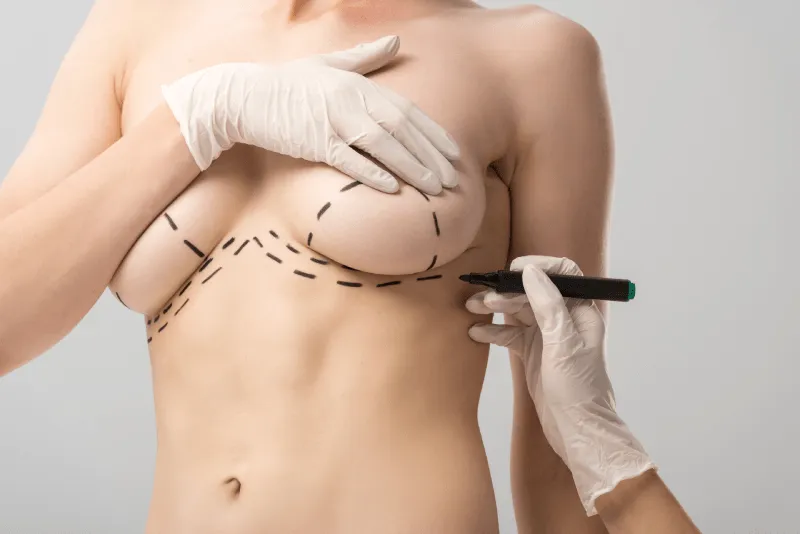
The techniques used by the surgeon in classic breast lift surgeries generally depend on the degree of sagging and the amount of skin that needs to be removed. The most common scar patterns are: Periareolar (a circular scar around the nipple), Vertical (a vertical line from the nipple to the inframammary fold), and Inverted T or Anchor shape (a combination of the periareolar, vertical, and a horizontal line in the inframammary fold). The inverted T shape is preferred for the most severe degrees of sagging and when the maximum amount of skin needs to be removed. With good surgical technique and careful post-operative wound care, these scars will fade over time, but they will be permanent.
Is the Recovery Period Longer with an Implanted Lift?
Because breast lift with implants technically involves both the reshaping of breast tissue and the placement of a foreign body (the implant), patients may experience slightly more swelling and sensitivity in the first few weeks of recovery compared to a lift alone. Especially if the implant is placed under the muscle, the initial pain level may be higher due to the tension on the muscle tissue. However, thanks to modern surgical techniques and effective pain management protocols, this difference in the recovery process is generally manageable. Full recovery and the final result for both types of surgery can take several months.
How Long Do the Lifting Results Last?
Although the results of breast lift surgery are technically permanent, the breasts, like the rest of the body, continue to age. Factors affecting the longevity of the results include the patient’s skin elasticity, avoiding significant weight fluctuations, hormonal changes such as pregnancy and breastfeeding, and the effect of gravity. Even with implants, slight sagging may reappear over time as the supporting tissue beneath the skin loosens. Regular exercise, a healthy lifestyle, and the use of supportive bras recommended by the surgeon play a key role in extending the life of the results. Minimal loosening after ten years is generally considered normal.
How is Breastfeeding Ability Affected by the Surgeries?
During breast lift surgery, the nipple and areola must be moved to a new position. The surgeon attempts to preserve most of the tissue that supplies the nipple and contains the milk ducts during this procedure. In implant-free lifts, the risk of damage to the milk ducts is generally lower, but some impact is still possible. In lifts with implants, especially if the implant is placed under the muscle, breastfeeding ability is usually better preserved because there is minimal intervention in the breast tissue itself. It is vitally important to discuss your future breastfeeding plans in detail with your surgeon and express these concerns to ensure the selection of the appropriate technique.
What Are the Differences Between the Types of Implants Used in Surgery?
Implants used in conjunction with a breast lift are usually silicone gel-filled and differ in shape and surface texture. Round implants are preferred for patients seeking equal fullness throughout the breast, especially in the upper pole. Teardrop (anatomical) shaped implants provide more projection in the lower part of the breast and a more natural slope in the upper part, offering a more physiological appearance. In terms of implant surface, textured or smooth options are available; smooth implants are currently more widely used globally. The surgeon will recommend the implant type and brand that best suits the patient’s anatomy and aesthetic goals.
What Medical Tests Should Be Performed Before Surgery?
Before breast lift surgery, a set of standard medical tests are performed to determine if the patient’s general health status is suitable for surgery. These usually include a complete blood count, blood clotting tests, and kidney and liver function tests. Additional breast imaging tests, such as mammography or breast ultrasound, may be requested from patients over a certain age or those with a family history of risk. The anesthesiologist evaluates these test results to confirm that the patient is physically ready for the operation. A detailed physical examination and review of habits such as smoking and medication use are also critical parts of the pre-operative process.
How Does Smoking Affect the Recovery Process?
Smoking is a serious risk factor for cosmetic surgery, particularly breast lift operations, and is one of the most significant factors negatively affecting the recovery process. The nicotine in cigarettes significantly reduces the flow of oxygen and blood to the tissues by narrowing blood vessels. This slows down wound healing, increases the risk of infection, and, most importantly, raises the risk of tissue loss (necrosis) around the nipple and areola. Surgeons absolutely require smoking to be completely stopped at least four weeks before the operation. A smoke-free recovery period directly affects both the quality of the outcome and the patient’s safety.
In Which Cases is an Implanted Lift Strictly Not Recommended?
A breast lift with implants may not be recommended or may be postponed if certain medical conditions or anatomical features are present. Patients with an active autoimmune disease, those who have recently received breast cancer treatment and are still under active surveillance, or those with an untreated infection in the breast tissue are at risk. Furthermore, in patients with a very advanced degree of sagging (Grade IV ptosis) and excessively thin, taut skin, placing an implant can increase the risk of long-term failure or capsular contracture. The surgeon will conduct a comprehensive evaluation and will not recommend this combined procedure if the risks outweigh the benefits.
Why is Post-Operative Breast Care and Protective Bra Use Important?
Post-operative breast care and the use of a special supportive bra recommended by the surgeon are as critical to achieving a successful outcome as the surgery itself. The protective bra helps control swelling (edema), stabilizes the newly shaped breast tissue, and helps the implant stay in the correct position. It is generally required to be worn continuously for the first 6-8 weeks. Wound sites must be cared for regularly and according to the surgeon’s instructions to prevent infection and ensure minimal scarring. The attention and care during this period directly affect the final shape and longevity of the breast.
What is the Lifespan of Implants and is Replacement Necessary?
Although breast implants are made from high-quality materials today, they are not considered permanent devices and should not theoretically be expected to last a lifetime. Generally, the average lifespan of implants ranges from 10 to 20 years. Even if they haven’t experienced any issues, most patients should evaluate the condition of their implants with their surgeon at the ten-year mark. If a complication such as capsular contracture, leakage, or rupture develops, implant replacement (revision surgery) may be necessary. This replacement surgery is usually not as extensive as the initial lift but is important for the safety of the implant and the patient’s health.
What is the Key Difference Between Breast Lift and Reduction?
Breast lift (mastopexy) and breast reduction (reduction mammoplasty) surgeries may use technically similar incisions and both reshape the breast tissue, but their fundamental goals are different. A lift aims only to correct sagging and elevate the breast; the existing volume is maintained or increased with an implant. A reduction, on the other hand, aims to decrease the excessively large breast volume that causes physical complaints such as back and neck pain, in addition to aesthetic concerns. During reduction surgery, excess fat, glandular tissue, and skin are removed, resulting in a breast that is both lifted and smaller.
What Does the Cost of Breast Lift Surgery Cover?
The cost of breast lift surgery includes many different elements, and these elements vary significantly depending on the geographical location, the surgeon’s experience, and the technique used. The cost generally covers the surgeon’s fee, the anesthesiologist’s fee, the cost of the hospital or surgical facility, and the necessary medications and protective bra for post-operative care. Whether or not implants are used is also a major cost factor; an implanted lift may be higher due to the cost of the implant itself. In places where health tourism is developed, such as Turkey, additional services like accommodation and transfers may also be included in package prices.
How Should Patient Psychological Preparation and Expectation Management Be Handled?
Breast lift surgery is not just a physical transformation but also an important psychological process that positively affects a person’s self-confidence and body image. Before the surgery, it is critical for the patient to have realistic expectations regarding the surgical outcomes. Unrealistic expectations, such as perfect symmetry or a zero-scar guarantee, should be avoided. The surgeon must understand the patient’s motivation and clearly explain the potential risks and permanent scars while discussing the positive changes the surgery will bring. Psychological preparation enhances the patient’s post-operative satisfaction and adaptation to the process.
How Should Breast Cancer Screenings Be Performed After Surgery?
Breast lift surgery can alter the way breast cancer screenings, such as mammography and ultrasound, are performed, but it does not eliminate the need for these screenings. An implant-free lift generally affects screenings less. In an implanted lift, it is important for the radiologist to be aware of the implant’s presence and to use special techniques (e.g., Eklund maneuvers). Placing the implant under the muscle can improve screening quality by allowing a larger portion of the breast tissue to be visualized. It is very important for patients not to interrupt their regular screening programs after surgery and to inform their radiologists about the presence of implants.
What Level of Surgical Experience Should Be Sought for the Best Outcome?
To achieve the best aesthetic results, a specialist in Plastic, Reconstructive, and Aesthetic Surgery with extensive experience in breast lift surgery should be chosen. The surgeon’s experience in this field demonstrates not only their technical skill but also their ability to select the most appropriate technique for different breast types and degrees of sagging. Reviewing the prospective surgeon’s previous patient photos, obtaining information about the techniques they use, and verifying that they have a board-certified accreditation are fundamental steps in making the right choice. An experienced surgeon will also be better prepared to manage unexpected complications.
Does Nipple Sensation Change After a Lift?
During breast lift surgery, the nerves in the area can be affected slightly as the nipple is moved to its new position. This may lead to temporary loss of sensation, numbness, or, conversely, extreme sensitivity in the nipple and areola region after the surgery. The risk of nerve damage is generally lower in implant-free lifts. These changes in sensation resolve over time in most patients (from a few months up to a year), but permanent changes in sensation can occur rarely. The surgeon’s experience plays a critical role in minimizing these risks by using nerve-sparing techniques.
What is the Risk of Capsular Contracture After a Lift?
Capsular contracture is a potential complication seen only in breast lift surgeries with implants, where the natural fibrous capsule the body forms around the implant tightens excessively, hardens, and sometimes causes pain. The risk varies depending on the type of implant, the placement plane (submuscular generally reduces the risk), and the control of bleeding during surgery. Mild cases diagnosed early can be managed with massage, while advanced contractures may require revision surgery to remove and/or replace the implant. Not smoking and adhering to the surgeon’s instructions are the most important ways to reduce this risk.
Can Breast Asymmetry Be Corrected with Surgery?
Almost every woman has natural asymmetry (difference) between her breasts. Breast lift surgery offers the opportunity to significantly improve the symmetry between the breasts by correcting existing differences in sagging, volume, and position. If the asymmetry is only related to sagging, correction can be achieved with classic mastopexy. If the volume and shape differences are also pronounced, the surgeon aims to maximize symmetry by placing a different sized implant in one breast than the other or by removing different amounts of tissue. Your surgeon’s experience in correcting asymmetry is vital for the final outcome.
Why Has Turkey Become a Global Center for Aesthetic Surgery?
Turkey has become a global center for aesthetic surgery in recent years, and there are many valid reasons for this. Firstly, Turkish surgeons receive internationally recognized training and possess the same, if not greater, surgical experience as their counterparts in Western countries. Secondly, Turkish hospitals are equipped with state-of-the-art medical equipment and hold international accreditations. In addition to all this, the cost of high-quality health services offered by Turkey is much more affordable compared to prices in Europe and North America, making it an attractive destination for “health tourism.” The country’s cultural richness and tourist attractions also play a role in this preference.
How Do Treatment Prices in Turkey Compare?
Aesthetic surgery treatment prices in Turkey are generally 50% to 70% lower than similar quality procedures in Western Europe, the UK, and North American countries. This price difference is not due to a drop in surgical quality but results from lower operational costs, lower general living expenses, and different exchange rate advantages. Health tourism providers in Turkey often offer all-inclusive packages that cover surgery, hospital stay, medication, accommodation, and transfers, allowing patients to see the costs more clearly. Thus, patients can receive world-class treatment without straining their budgets.
What Are the International Achievements of Turkish Aesthetic Surgeons?
Turkish aesthetic surgeons have achieved successes that are recognized and respected not only nationally but also on international platforms. Many are certified by prestigious international bodies such as the European Board of Plastic, Reconstructive, and Aesthetic Surgery (EBOPRAS). Turkish surgeons contribute to the global surgical body of knowledge by developing innovative techniques in breast lift and other aesthetic procedures and presenting this information at international congresses. The large volume of patients they handle allows them to gain high surgical experience in a short period, which is the foundation of their success. Patients can confidently entrust themselves to this expertise.
What is the Technological Infrastructure of Hospitals in Turkey Like?
Private and academic hospitals in Turkey are generally equipped with the latest technology medical devices and equipment. The facilities where aesthetic surgical procedures are performed are designed in compliance with international patient safety and hygiene standards. These hospitals offer modern operating rooms, intensive care units, and comfortable patient rooms. This high-tech infrastructure not only ensures that surgical procedures are performed safely but also allows the patients’ post-operative follow-up and recovery processes to be carried out under the best conditions. Turkey’s investments in the health sector guarantee that this infrastructure is continually updated.
What Should the Accommodation and Recovery Environment Be Like in Turkey After Surgery?
A comfortable and peaceful accommodation environment is essential for the recovery period patients will spend in Turkey after breast lift surgery. Health tourism packages usually include accommodation in luxury hotels that are suitable for post-operative rest and recuperation, close to central locations, but also away from noise. The recovery environment must be clean, quiet, and easily accessible, which helps to lower the patient’s stress levels and allows the body to focus on healing. Companies like Cure Holiday arrange this accommodation close to the surgical team, also providing the possibility of rapid intervention in case of emergencies.
What is the Travel Process and Visa Procedures for Turkey Like?
Traveling to Turkey for aesthetic surgery is generally a very easy and smooth process. For citizens of most European, North American, and Middle Eastern countries, visa procedures have either been completely abolished or there is an easy-to-obtain E-Visa system available online. In terms of flight options, Turkey is centrally located between Europe, Asia, and Africa, offering direct flights from all over the world. Cure Holiday provides all the necessary information regarding the patient’s visa and travel planning, offering support from start to finish of the process.
Is There a Language Barrier Problem in Turkey?
Hospitals and clinics operating in the health tourism sector in Turkey are structured to serve international patients. These facilities, and health tourism agencies like Cure Holiday, usually have multilingual staff, interpreters, and translators available. The presence of personnel who can communicate in languages such as English, German, French, Russian, and Arabic ensures that the patient can communicate clearly with their surgeon and other healthcare professionals. This way, the patient’s medical history and post-operative instructions can be fully understood, preventing potential misunderstandings arising from language barriers.
When is the Best Time to Travel to Turkey for Surgery?
The time to travel to Turkey for breast lift surgery depends on personal preferences and the time allocated for the recovery process. Many patients prefer the autumn, winter, or early spring months to avoid the difficulty of wearing thick, supportive bras in hot weather. Additionally, these periods are generally less touristically busy, and accommodation prices may be more affordable. It is recommended that the first 7-10 days after the surgery are spent in Turkey, and the final check-up is performed by the surgeon. Cure Holiday will assist in determining the most suitable period for the patient’s schedule in travel planning.
What is the Legal Guarantee of Aesthetic Surgery in Turkey?
Turkey attaches great importance to international standards and legal regulations in the field of health tourism. Hospitals and surgeons are under strict supervision by the T.R. Ministry of Health. Health tourism agencies must have special permits to operate in this field. Patients sign written consent forms about all procedures before the surgery, which provides a legal guarantee. Patients who partner with Cure Holiday receive full transparency regarding contracts and insurance details, knowing that their legal rights are protected in the event of any unforeseen circumstances.
What Are the Touristic Advantages of the Treatment Process in Turkey?
One of the biggest advantages of receiving aesthetic treatment in Turkey is the opportunity to spend the recovery process in an environment rich in cultural and historical heritage. Istanbul’s historical peninsula, the unique geography of Cappadocia, or the peaceful coasts of the Mediterranean allow patients to take light excursions while resting after surgery (with the surgeon’s permission). These touristic experiences contribute to the recovery process being psychologically easier and more enjoyable. However, it should be remembered that strenuous activities must be strictly avoided during the first days after the operation.
What is Cure Holiday and What Services Does It Offer?
Cure Holiday is an experienced health tourism agency that provides high-quality aesthetic and medical treatment to international patients in Turkey. The company aims to coordinate the patient’s entire treatment journey from start to finish, making the process as stress-free as possible. Its core services include communication with hospitals, selection of expert surgeons, all-inclusive treatment package pricing, airport transfers, luxury accommodation arrangements, and language support. Cure Holiday takes on the entire logistical and organizational burden, allowing the patient to focus only on the surgery.
Why Should Cure Holiday Be Preferred?
The most important difference that sets Cure Holiday apart from other agencies is the quality of service and the personalized patient approach it offers. The company focuses not only on keeping costs low but also on ensuring the highest surgical standards and patient satisfaction. The hospitals and surgeons they cooperate with are carefully selected, experienced professionals in their field, and hold international certifications. Packages tailored specifically to the patient eliminate extra surprise costs. The availability of a patient coordinator who can communicate in the patient’s native language at every stage of the treatment provides great confidence and comfort.
What Do the Treatment Packages Include, and Are There Extra Costs?
Cure Holiday’s treatment packages are designed to cover almost everything involved in the breast lift surgery process. A typical package includes the surgeon’s fee, the anesthesiologist’s fee, the use of the operating room and hospital, necessary medical tests, post-operative medications, a supportive surgical bra, accommodation in a luxury hotel, and all transfers between the airport and the hospital. The company’s policy is not to deviate from the predetermined price, so patients do not encounter unexpected additional costs. However, the patient’s personal expenses or non-surgical touristic activities are not included in the package.
How Are Surgeons Partnered with Cure Holiday Selected?
Cure Holiday is extremely meticulous when selecting surgeons to partner with and considers multiple criteria. The selection process includes factors such as the surgeon’s approval from the T.R. Ministry of Health, membership in international associations and certifications, proven experience in breast lift and implant surgery, complication rates, and most importantly, patient feedback. The company assures patients that they will work with patient-centered surgeons who possess not only technical competence but also excellent communication skills. This meticulous selection process guarantees that the patient receives the best possible outcome.
How Does the Pre-operative Consultation Process Work?
The pre-operative consultation process with Cure Holiday is largely conducted remotely, taking into account the patient’s international location. The first step is for the patient to share their medical history, current breast photos, and aesthetic goals in detail. This information is forwarded to the partnered surgeons, who perform a preliminary evaluation of the patient’s condition. Subsequently, a live video conference (via Zoom, Skype, etc.) is usually arranged between the surgeon and the patient. During this meeting, techniques, implant options, and expectations are discussed in detail, so the patient has complete peace of mind before arriving in Turkey.
How Does Cure Holiday Manage Post-operative Care and Follow-up?
Cure Holiday closely monitors post-operative care while patients are in Turkey. The first post-operative check-ups are performed regularly by the surgeon and nurses. Communication does not cease once the patient returns to their home country. The company requests photo and status updates at specific intervals to monitor the patient’s recovery process. A 24/7 support line is available to answer potential concerns or questions. This long-term follow-up and support ensures that patients feel secure and successfully complete their recovery journey.
What Are Patient Reviews About the Surgery Experience in Turkey?
Reviews from international patients who have undergone aesthetic surgery through Cure Holiday in Turkey are generally highly positive. Patients often praise the professionalism of the medical staff in Turkey, the modernity of the hospital facilities, and the quality of the results obtained. Feedback from foreign patients frequently emphasizes the convenience of the all-inclusive packages, the effectiveness of language support, and the friendly approach of the surgeons. These positive experiences significantly contribute to Cure Holiday’s global reputation and reliability.
What Light Activities Can Be Done During the Recovery Period?
During the post-operative recovery period, the patient must strictly avoid heavy lifting and strenuous exercise. However, with the surgeon’s approval, light walks and relaxing activities can be performed. While staying in Turkey, taking short, slow walks helps increase blood circulation and speed up healing. Low-tempo cultural activities, such as visiting museums or historical sites, or sitting and relaxing by the beach, are psychologically beneficial to the recovery process. Most importantly, it is crucial to listen to the body and prioritize rest when feeling tired.
How to Start a Safe and Peaceful Journey with Cure Holiday?
Starting a safe and peaceful aesthetic journey with Cure Holiday is very simple. The first step is to fill out a contact form on the company’s website or contact them directly via WhatsApp. During this initial contact, preliminary information about the patient’s expectations, surgical request, and medical history is gathered. Subsequently, a patient coordinator contacts the patient and provides detailed information about the process. The process becomes official with the submission of photos and the arrangement of a video consultation with the surgeon. All these stages proceed transparently, prioritizing patient comfort and safety.
Who is the Most Ideal Candidate for Breast Lift Surgery?
The most ideal candidate for breast lift surgery is someone who is in good general health, has realistic expectations, and is willing to maintain a healthy lifestyle to preserve the results of the surgery. Ideal candidates are generally women whose nipples point downwards due to breast sagging (ptosis), have dropped below the inframammary fold, and have experienced volume loss in the upper part of their breasts. Additionally, women who are not planning pregnancy or significant weight loss, or who can postpone these plans, have the potential to achieve the best results.
What Should Be Done to Reduce the Appearance of Scars After a Lift?
Breast lift surgery inevitably leaves scars, but with modern surgical techniques and post-operative care, the appearance of these scars can be minimized. The first key step in scar healing is to keep the surgeon’s incisions clean and dry. The second phase begins after the wound is completely closed and involves using silicone-based scar sheets or gel. These products help the scar become flatter, paler, and softer. Furthermore, protecting the scars from direct sunlight during the recovery period and performing the massage techniques recommended by the surgeon are also critically important in reducing scar visibility.
Can Fat Transfer Be Used in Conjunction with an Implanted Lift?
Yes, autologous fat transfer (lipofilling) is a technique that can be frequently used simultaneously with breast lift surgery with implants. This combined approach is preferred to further soften the contours around the breast and ensure a natural transition. Fat transfer is an excellent tool for filling areas where the implant edges are visible under the skin or for slightly increasing the natural space between the breasts (the cleavage area). Using the patient’s own body fat helps make the overall feel of the breast more natural and keeps the amount of foreign material limited.
In Which Cases is Revision Surgery Required?
Revision surgery is performed when the results obtained from the initial breast lift or implanted lift surgery need to be corrected again for aesthetic or medical reasons. The most common reasons for revision include capsular contracture (in implanted patients), significant asymmetry, recurrence of nipple sagging (relapse), overly noticeable scars, or implant displacement. Revision surgeries are typically planned at least 6-12 months after the initial surgery, once the breast has fully healed and reached its final shape. Your surgeon will determine the need for revision through a detailed evaluation.
What is the Impact of Breast Lift Surgery on Body Image?
The impact of breast lift surgery on body image is generally highly positive. Correcting and rejuvenating sagging breasts significantly increases the self-confidence and self-esteem of many women. Patients often express the psychological relief that comes with wearing clothes that fit better and being able to wear clothes they previously avoided. This surgery can be seen not only as a physical correction but also as an empowering experience that allows the person to reclaim their femininity and body. This positive change is reflected in the overall quality of life.
How is Post-operative Pain Control Managed?
Post-operative pain after breast lift surgery is usually effectively controlled thanks to modern anesthesia and pain management techniques. Long-acting local anesthetics administered during the surgery significantly alleviate pain in the first few hours. Patients are generally kept comfortable with pain medication for the first 24 to 48 hours. The intensity of the pain may vary depending on whether the implant was placed under the muscle, but your surgeon will provide you with a specific painkiller prescription and usage plan. Most patients can return to their daily activities with over-the-counter painkillers within a few days.
Is There an Age Limit for Breast Lift Surgery?
While there is no definite upper age limit for breast lift surgeries, the fundamental condition is that the patient is in good general health and does not have a chronic illness that prevents them from undergoing anesthesia. The lower age limit for surgery is generally the completion of 18 years of age and the full development of the breast. Patients who are older but in good general health and deemed suitable for surgery can also achieve successful results. What matters is not the chronological age but the patient’s medical suitability, skin elasticity, and healing potential.
Can Implant Removal and a Lift Be Performed Together?
Yes, the removal of breast implants (explantation) and a lift (mastopexy) performed simultaneously is a combined procedure that is frequently performed. Patients often want to remove their implants for various reasons (capsular contracture, rupture, BIA-ALCL concerns, or simply not wanting implants), but the breast tissue may be left more empty and saggy after this procedure. In this case, the surgeon removes the implant and uses the remaining natural breast tissue to reshape, lift, and provide a more aesthetic contour to the breast. This procedure allows the breast to regain a natural, implant-free appearance.
When Can Exercise Be Resumed During the Recovery Period?
Resuming exercise after breast lift surgery should be done gradually and with the surgeon’s approval. Generally, light walks are encouraged in the first few days after the operation. Low-intensity cardio exercises (running, brisk walking, cycling) can be started 3-4 weeks after the surgery. All strenuous exercises that involve pressure on the breast area, heavy lifting, or working the chest muscles should be avoided for typically 6-8 weeks after the operation. This period is critical for the incisions to fully heal and for the breast tissue to stabilize its new shape. Early and strenuous exercise can cause the stitches to open or the scar to widen.
How Does Cure Holiday Customer Service and Support Work?
Cure Holiday is committed to providing a high level of customer service and support to its patients before, during, and after treatment. The company’s patient coordinators serve as a personal point of contact from the patient’s first communication until their return home. These coordinators provide support throughout the entire process, from forwarding medical questions to the surgeon to arranging travel and accommodation. A 24/7 emergency line is available for international patients. This continuous and personalized support is a great source of reassurance, especially for patients considering surgery in a foreign country.
What Are the Hygiene and Safety Standards in Hospitals in Turkey?
Turkey adheres strictly to international hygiene and safety standards in the field of health tourism. The hospitals that Cure Holiday partners with are typically facilities accredited or monitored by international health organizations such as the Joint Commission International (JCI). Operating rooms are run in compliance with the highest sterilization protocols. Patient safety is maintained at the highest level at every stage, from pre-operative checklists to anesthesia monitoring and post-operative infection control measures. Patients can be confident in the quality and reliability of medical facilities in Turkey.
How is the Treatment Process Personalized with Cure Holiday?
Instead of offering standard packages, Cure Holiday creates a completely personalized treatment plan tailored to each patient’s individual needs and aesthetic goals. This personalization extends from the decision of “with or without implants” in breast lift surgery to the brand of implant to be used, accommodation preferences, and additional medical services. Coordinators recommend the most suitable surgeon and hospital based on the patient’s budget, schedule, and expectations. This personalized approach ensures that the patient is viewed not just as a customer but as an active participant in their own health journey.
What Guarantees and Insurance Options Does Cure Holiday Offer?
Cure Holiday offers specific guarantees and insurance options to ensure patient safety and satisfaction. Health tourism packages generally include international patient travel and complication insurance options. These insurances provide financial protection for situations such as rare medical complications or unexpectedly prolonged hospital stays. If the patient is dissatisfied with the result obtained, the company can also assist in making special arrangements for revision surgery under certain conditions. All guarantee and insurance details are clearly explained during the contract stage, ensuring transparency.
What Are the Accommodation Options for Family Members or Companions?
Cure Holiday fully understands the need for patients traveling to Turkey for breast lift surgery to bring a companion and offers suitable accommodation options. Rooms are arranged in the included hotels that are up to standard for the companion to comfortably stay. The accommodation and transfers for the companion can usually be included in the packages for an additional fee. The presence of a companion helps the patient feel more emotionally and physically comfortable after the surgery and supports the recovery process. The company assists in planning the companion’s travel and accommodation as well.
What Kind of Nutrition Plan is Recommended Before and After Treatment?
Proper nutrition before and after breast lift surgery is vital for accelerating the recovery process and reducing the risk of complications. Alcohol and certain supplements that thin the blood should be avoided in the days leading up to the surgery. In the post-operative period, consuming protein-rich foods (meat, fish, eggs) supports tissue repair. Adequate fiber intake prevents constipation, while drinking plenty of water helps reduce swelling. Limiting salt and processed foods is also important for keeping swelling under control. Your surgeon will provide you with a specific nutrition guide.
What is the Average Duration of Breast Lift Surgery with Cure Holiday?
The breast lift surgery itself typically lasts between 2 and 4 hours, depending on the technique used and whether an implant is added. A lift alone (mastopexy) may be shorter, while an implanted lift (augmentation mastopexy) generally takes a little longer. The patient’s stay in Turkey, while varying depending on their general health status and the surgeon’s preferences, is planned to be between 7 and 10 days on average. This duration allows sufficient time for hospitalization, initial recovery, bandage changes, and the final check-up performed by the surgeon.
What Are the Two Most Important Decisions in Breast Lift Surgery?
The two most important decisions in the breast lift surgery process form the basis of surgical success. The first is the decision on whether or not to use an implant, which determines if the breast will be merely lifted or both lifted and voluminous. The second is which scar pattern (Periareolar, Vertical, or Inverted T) will be used. This decision directly reflects the degree of sagging and the amount of skin the surgeon will remove, and it determines the final aesthetic outcome, particularly the visibility of the scars. These two decisions must be made in light of the patient’s expectations and the surgeon’s experience.
How to Book an Appointment with Cure Holiday and Start the Process?
Starting your aesthetic journey and booking an appointment with Cure Holiday is very simple. The first step is to fill out the application form on the website or contact them directly via WhatsApp. During this initial contact, a personal patient coordinator will get back to you, gather detailed information, and schedule your first video consultation free of charge. In this consultation, your doctor will present you with the most suitable treatment option and cost package. Upon your approval, Cure Holiday will organize all your travel, accommodation, and hospital reservations, initiating a smooth process for you.
Conclusion: Why Should You Get Treatment in Turkey with Cure Holiday?
The success of breast lift surgery depends as much on the surgeon’s skill and the post-operative support received as it does on the technique used (implanted or implant-free). Turkey offers world-class aesthetic services with expert, experienced surgeons and state-of-the-art hospitals. Cure Holiday is a reliable bridge that brings this quality service to you through all-inclusive, transparent, and personalized packages. Without a language barrier, with luxury accommodation and full transfer support, you can focus only on your recovery and receive the best care. Achieve the lifted and aesthetic breasts of your dreams in Turkey, guaranteed by Cure Holiday, and embrace this life-changing experience with peace of mind.
Take Your First Step to Turkey and Get a Free Consultation
If you are undecided about a breast lift or an implanted lift, Cure Holiday is happy to offer you a free preliminary consultation. Our expert coordinators will evaluate your current condition and suggest the most appropriate treatment option tailored specifically to you. Learn firsthand what a health tourism experience in Turkey can offer you and spend your recovery accompanied by the beauty of the Mediterranean and Turkish hospitality. Contact us now and take the first step towards your new life filled with the confidence that comes with lifted breasts.
The Importance of Reliable and Transparent Pricing with Cure Holiday
Cure Holiday adopts the principle of transparent pricing in aesthetic surgery services, providing patients with a full cost guarantee. In the all-inclusive packages prepared, the total cost of the surgery, potential additional expenses, and included services are clearly specified. This transparency allows patients to manage their budgets correctly and eliminates the anxiety of encountering surprise bills. Knowing the cost of the treatment precisely makes it easier for the patient to focus solely on surgical success. Cure Holiday continues its mission to provide this highly cost-effective service without compromising on quality.
What Are the Possible Complications That May Arise During the Treatment Process?
As with any surgical procedure, there are risks of some complications, albeit rare, in breast lift surgery. Potential risks include bleeding, infection, wound healing problems, temporary or permanent loss of sensation in the nipple, noticeable scars, and (in implanted patients) capsular contracture. Cure Holiday’s partnered experienced surgeons use the most advanced techniques to minimize risks. Detailed discussion of risks before surgery is vital for the patient to give informed consent. The experienced team of the hospital and Cure Holiday is always ready to manage complications.
What to Pay Attention to in the Early Post-operative Period
In the early post-operative period (the first week), the most important things the patient should pay attention to are rest and strict adherence to the surgeon’s instructions. Heavy physical activity, raising the arms, and applying pressure to the breast area should be strictly avoided. Regular use of medications (painkillers, antibiotics), continuous wearing of the protective bra recommended to reduce swelling, and attention to the hygiene of the wound sites are critical points in this period. Cure Holiday coordinators guide patients step-by-step through this process, ensuring that healing begins correctly.
Why Are Cure Holiday Treatment Satisfaction Rates High?
The high treatment satisfaction rates of Cure Holiday are fundamentally based on the priority given to quality and patient experience. The company views its patients not just as cases, but as valuable participants in a long journey. The selection of experienced surgeons, modern facilities, language support, and all-inclusive transparent packages allow the patient to focus only on the treatment. Long-term post-operative follow-up and communication support help quickly address potential concerns. This holistic approach increases both the quality of the surgical outcomes and the patient’s overall satisfaction with the experience.
Free Consultation
Fill out the form below to get your free medical travel plan and price quote.
Sources and how to verify this yourself
- Howe M-S, Keys W, Richards D. Long-term (10-year) dental implant survival: a systematic review and sensitivity meta-analysis. Journal of Dentistry, 2019 — pooled 10-year implant survival 96.4% (95% CI 95.2–97.5%); conservative sensitivity estimate 93.2%. source
- Ministry of Health, Regulation on International Health Tourism and Tourist Health, Official Gazette 26 April 2025, No. 32882 — authorisation requirement for facilities and intermediaries, TÜSKA accreditation, compulsory complication insurance (deadline 31 December 2025 for insurance, 31 December 2026 for accreditation). source
- Ministry of Health, Regulation on Promotion and Information Activities in Health Services, Official Gazette 12 November 2025, No. 33075 — treatment promises and guarantees are prohibited; price and campaign announcements are permitted only within international health tourism. source