Why can’t we lose weight while dieting?
Many people experience great disappointment when they fail to make progress on the scale despite dieting. The main reason for this situation is usually “hidden calorie” intake or the defense mechanism of the metabolism. When the body enters a very low-calorie diet, it goes into starvation mode and minimizes energy expenditure. Additionally, excessive consumption of foods considered healthy can cause you to exceed your daily calorie target. The most accurate step to find the real reason behind the inability to lose weight is to keep a nutrition diary and analyze all your movements during the day.
Why are crash diets dangerous?
Crash diets that promise miraculous results in a short time cause the body to be deprived of the macro and micro-nutrients it needs. Although such diets seem to provide rapid weight loss initially, the vast majority of the weight lost is not from fat, but from water and muscle mass. Muscle loss causes the basal metabolic rate to decrease, leading you to regain more than the weight you lost as soon as you stop the diet. In addition, crash diets bring along serious health problems such as hair loss, fatigue, collapse of the immune system, and hormonal disorders.
How does insufficient water consumption affect metabolism?
Water provides the basic environment for all biochemical reactions in our body to take place. For the metabolism to work fast and the fat-burning process to remain active, cells need an adequate level of hydration. Drinking water supports calorie burning by regulating body temperature and prevents unnecessary snacking by creating a feeling of fullness. Many people tend to eat unnecessarily by confusing thirst signals with hunger signals. Drinking at least 2-3 liters of water a day ensures the regular functioning of the digestive system and prevents the accumulation of edema.
Does skipping meals help with losing weight?
Contrary to popular belief, skipping meals can slow down the weight loss process instead of speeding it up. When the body remains hungry for a long time, it tends to store the energy received in the next meal, and blood sugar becomes unbalanced. This situation causes you to uncontrollably eat more in the next meal and enter carbohydrate crises. Eating at regular intervals facilitates appetite management by stabilizing blood sugar. Especially skipping breakfast can invite the metabolism to remain slow all day and cause overeating attacks in the evening hours.
Is doing only cardio enough?
Although the first activity that comes to mind when weight loss is mentioned is cardio exercises that last for hours, relying only on this is a big mistake. Calories are burned during cardio, but resistance training (weight training) is also necessary to protect muscle mass and increase basal metabolism. Muscle tissue consumes more energy than fat tissue even at rest. Therefore, instead of just running or walking, adding weight training to your program 2-3 days a week ensures the body tightens and makes the weight loss process permanent.
Does sleep pattern affect the weight loss process?
Poor quality and insufficient sleep disrupt the balance of leptin and ghrelin hormones that control appetite. When sleep-deprived, the body secretes more ghrelin (hunger hormone) and the leptin (fullness hormone) level drops. This situation causes you to turn to higher calorie and carbohydrate-weighted foods the next day. Additionally, insomnia leads to an increase in cortisol, the stress hormone, increasing fat storage especially in the abdominal area. Seven to eight hours of quality sleep a day is as critical as nutrition for the renewal of metabolism and the continuation of fat burning.
Where are hidden calories stored?
One of the most overlooked issues while dieting is the additional ingredients used in the preparation of meals. Ready-made sauces added to salads, extra oils put into meals, syrups or milks entering coffees can cause you to take in hundreds of calories without realizing it. For example, a salad that looks innocent can become more caloric than a hamburger with a creamy sauce. Reading food labels and using the amount of oil moderately while cooking at home prevents these hidden dangers. You should never forget that the drinks you consume can also contain calories.
What does neglecting protein consumption lead to?
Proteins are the nutrients that protect muscle mass and provide the longest feeling of fullness during the weight loss process. Insufficient protein intake causes the body to use muscles to meet energy needs, which means a slowing of metabolism. Additionally, the thermic effect of proteins is high; that is, the body spends more energy to digest proteins compared to carbohydrates and fats. Adding a quality protein source to every meal (such as eggs, chicken, fish, legumes) provides appetite control and increases the sustainability of the diet.
Does constant weighing disrupt motivation?
Getting on the scale every day can cause you to perceive water changes in the body as “fat increase” and demoralize you. Body weight can fluctuate by 1-2 kilos during the day due to edema, digestive status, or hormonal cycles. This situation can lead the person dieting to quit the diet by creating the perception that “no matter what I do, it doesn’t go away.” Instead, weighing once a week, on an empty stomach in the morning and at the same time, is a healthier monitoring method. Also, taking body measurements (waist, hip circumference) gives much more realistic results than the number on the scale.
Why does stress stop weight loss?
Under chronic stress, the body secretes “cortisol” hormone as a primitive defense mechanism. High cortisol levels raise blood sugar and increase the body’s fat storage capacity, especially triggering visceral fat. Stress also fuels emotional eating behavior, directing the person to high-sugar and high-fat foods called comfort foods. Instead of focusing only on the diet list during the weight loss process, applying stress management techniques (meditation, yoga, taking up a hobby) is one of the keys to metabolic success.
Are light products really innocent?
Products sold as “light,” “diabetic,” or “fat-free” on market shelves can create the perception in the consumer that “I can eat as much as I want.” However, reducing the fat of a product usually means increasing the amount of sugar to maintain its taste. Or, even if its calories are low, the artificial sweeteners inside can trigger a desire to eat more by disrupting the appetite mechanism. Just because “light” is written on a food does not mean it can be consumed unlimitedly. It is necessary to consume these products within portion control and by reading their contents carefully.
Is it correct to cut out carbohydrates completely?
It is not a sustainable approach to remove bread, rice, and all carbohydrates from your life as soon as you start a diet. Our brain and muscles need glucose as their primary energy source. Cutting out carbohydrates completely leads to fatigue, headache, irritability, and difficulty focusing. The important thing is not to cut out carbohydrates, but to prefer “complex carbohydrates” (whole grains, oats, legumes) instead of “simple carbohydrates” (sugar, white flour). Consuming the right amount and quality of carbohydrates keeps your energy level up and increases your exercise performance.
Why is portion control so important?
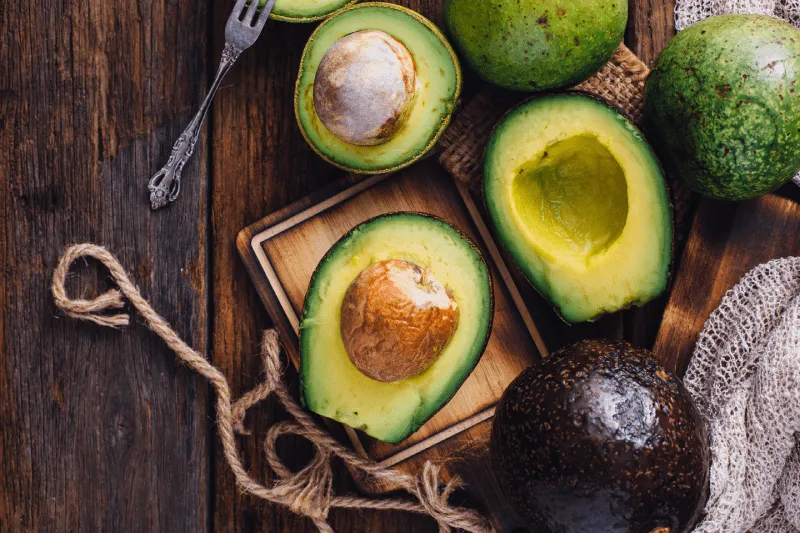
Eating healthy foods does not mean you are not taking in calories. Foods like walnuts, avocado, olive oil, or peanut butter are very healthy, but their calorie densities are quite high. For example, consuming a bowl full of nuts because they are “healthy” causes you to spend a large part of your daily calorie budget at once. The basic rule of weight loss is that the calories taken must be less than the calories burned. Therefore, you should pay attention to the distribution and amount of nutrients on your plate and aim to provide satiety by filling half of the plate with vegetables.
Is eating dinner very late a mistake?
The circadian rhythm of the body causes the metabolism to slow down and insulin sensitivity to decrease in the evening hours. A heavy meal eaten just before bed makes digestion difficult and interrupts fat burning by preventing the secretion of growth hormone. Because the body deals with digestion throughout the night, you cannot sleep a quality sleep either. The ideal is to complete dinner at least 3-4 hours before going to bed. If you get very hungry at night, light options such as a small portion of yogurt or a few walnuts can be preferred instead of heavy meals.
How to deal with emotional eating?
Trying to suppress emotions such as sadness, anger, loneliness, or boredom with food is one of the biggest obstacles to weight loss. Emotional hunger comes suddenly and the person usually wants a specific food (such as chocolate, chips). Physical hunger, on the other hand, increases gradually and can be satisfied with any healthy meal. When the urge to eat comes, asking yourself “Am I really hungry or am I reacting to an emotion?” creates awareness. Finding a non-food relaxation method (going for a walk, reading a book, listening to music) helps break this cycle.
Does slow chewing have an effect on losing weight?
It takes about 20 minutes for the satiety signal to be transmitted between the stomach and the brain. People who eat very fast consume much more nutrients than they need until the “I’m full” signal reaches their brain. Chewing bites thoroughly allows digestive enzymes to work better and facilitates the absorption of nutrients. Also, eating slowly helps you get more taste from the food and get full psychologically more easily. Devoting at least 20 minutes to each meal is a simple but effective method that allows you to shrink your portions spontaneously.
How does consuming fewer fibrous foods affect digestion?
Fiber (pulp) is a type of indigestible carbohydrate and is indispensable for gut health and weight control. High-fiber foods (vegetables, fruits, legumes) provide a long-lasting feeling of fullness by ensuring the stomach empties later. Additionally, fiber supports metabolism by feeding the good bacteria in the intestines and prevents a sudden rise in blood sugar. Insufficient fiber intake causes constipation, bloating, and a constant feeling of hunger. Emphasizing vegetables and whole-grain products in the daily nutrition pattern will increase your comfort and success in the weight loss process.
How does alcohol consumption disrupt the diet?
Alcohol has an energy close to fat with 7 calories per gram, but it is in the nature of “empty calories” for the body. When alcohol is taken, the liver focuses on removing alcohol from the body first, stopping fat burning. This means a temporary halt of metabolism. Additionally, alcohol increases the consumption of appetizers and junk food by weakening the will, and leads to an increase in appetite the next day due to dehydration. If alcohol is to be consumed in social settings, lower-calorie options should be preferred instead of sugary cocktails, and a large glass of water must be drunk with every glass of alcohol.
Does eating the same things constantly slow down metabolism?
Eating the same breakfast, the same lunch every day may seem easy initially, but the body adapts to this order after a while. A diet that does not include variety prevents the body from reaching different vitamins and minerals. Additionally, monotony can cause you to get bored with the diet and break the diet by experiencing an explosion at some point. Using different protein sources, different colored vegetables, and various spices both surprises the metabolism and prevents nutrient deficiencies. A colorful and varied plate is good not only for your eyes but also for your metabolism.
How to overcome lack of motivation?
The weight loss process is not a linear line; sometimes there can be plateaus, sometimes small setbacks. Many people give up by saying “it’s not happening anyway” by losing motivation in the first plateau phase. To maintain motivation, it is important to set short-term small goals instead of focusing only on the ultimate goal (For example: I will take 10 thousand steps every day this week). Seeing the process as a journey of taking good care of your body rather than a punishment changes your perspective. Stopping comparing yourself with others and focusing on your own development ensures sustainability.
What are the dangers inside ready-made sauces?
Mayonnaise, ketchup, barbecue sauce, or ready-made salad dressings sold in markets contain high amounts of corn syrup, sugar, and sodium. These ingredients both increase calorie intake and cause water retention (edema) in the body. Additionally, artificial flavors can trigger appetite and arouse the desire to eat more. It is much healthier to prefer olive oil, lemon, apple cider vinegar, pomegranate syrup (the real one), and various spices instead of ready-made sauces to flavor your meals and salads. Spices revitalize the metabolism without bringing an extra calorie load.
Does overeating after exercise provide compensation?
The thought “I exercised a lot today, I deserved this” is one of the biggest psychological traps made in a diet. People usually tend to overstate the calories they burn during exercise and understate the calories of the food they eat. For example, you can easily regain the 150 calories you burned with a 30-minute walk with a slice of cake (400 calories) you eat afterwards. Exercise is a tool that supports weight loss, not a ticket to compensate for escapes. A quality protein and complex carbohydrate meal will be sufficient to repair the body after sports.
Do vitamin deficiencies prevent weight loss?
The deficiency of some vitamins and minerals in the body can prevent the metabolism from working at its ideal speed. Especially Vitamin D, iron, B12, and magnesium deficiency create fatigue, reducing the desire to move and slowing down fat-burning mechanisms. While iron deficiency reduces the amount of oxygen reaching the tissues, Vitamin D deficiency has been associated with insulin resistance. If you cannot lose weight despite diet and sports, you should definitely have a comprehensive blood test and talk to your doctor to resolve your deficiencies. Supplements should only be used under expert control.
Is it harmful to overdo fruit consumption?
Fruits are a storehouse of vitamins, minerals, and fiber, but they also contain “fructose,” that is, fruit sugar. Eating portions of fruit in one sitting with the thought “Fruit is healthy, I can eat as much as I want” can quickly raise blood sugar and cause a fatty liver. Especially fruit juices lead to sugar mixing into the blood very quickly because they are stripped of their fiber. The ideal is to consume 2-3 portions of fruit a day with a protein source (yogurt, milk, or nuts) to balance blood sugar. Eating fruit as a whole, with its peel, provides the highest benefit.
How is the effect of social circle on diet?
The foods offered to you by the people around you or the pressures of “One time won’t hurt” while dieting can make the process difficult. It is of great importance to remain conversation-oriented rather than food-oriented in social events and to go planned. If eating out, reviewing the restaurant’s menu in advance and clarifying the healthy option in your mind facilitates will control. Sharing your goals with your family and friends and asking for support from them helps you maintain your diet without entering social isolation. Expanding your circle with people who have similar goals to yours increases your motivation.
How much should caffeine consumption be?
Caffeine is a substance that slightly speeds up the metabolism and helps with fat burning, but excessive consumption can backfire. Drinking too much coffee or tea leads to water loss (dehydration) in the body and can disrupt sleep quality. Also, in some people, caffeine can trigger a feeling of hunger by fluctuating blood sugar. The biggest mistake is to consume coffee by turning it into a “calorie bomb” with cream, sugar, and syrups. Although consuming 2-3 cups of plain coffee or green tea a day is beneficial, staying away from caffeine in the evening hours is better for your sleep pattern.
Do wrong oil choices cause weight gain?
It is a big mistake to completely remove oil from the diet with the thought “Eating oil makes you fat.” The body needs healthy fats to absorb Vitamins A, D, E, K and synthesize hormones. However, the key point here is “correct oil” selection. While trans fats and over-processed vegetable oils increase inflammation; olive oil, avocado, raw nuts, and fish oil support metabolism. Since oil has the highest calorie per gram (9 kcal), it is absolutely necessary to limit its amount even if it is healthy. A teaspoon of olive oil added to salads will prolong your satiety.
Does drinking water during a meal make you lose weight?
Drinking water during or just before a meal can help you eat less by helping the stomach fill physically. This situation is beneficial in terms of portion control. However, water does not have a direct fat-burning miracle. Although some views argue that water drunk with a meal dilutes digestive enzymes, scientific studies show that this does not have a negative effect on weight loss. The important thing is not to try to quench thirst with food. Drinking regular water throughout the day keeps the digestive system active and allows you to see better results on the scale by supporting the removal of edema.
Why do low-calorie diets backfire?
The body is a magnificent machine programmed to survive. When you take in calories well below your daily need (for example, only 800-1000 calories), the body goes into energy-saving mode and significantly reduces the metabolic rate. This situation causes weight loss to stop completely after a while (plateau phase). Additionally, such restrictive diets are psychologically taxing and finally lead to a major binge eating attack. The ideal is to take in 300-500 calories less than your daily expenditure, ensuring a slow but permanent weight loss. Patience is the greatest friend of permanent weight loss.
How does skipping breakfast affect metabolism?
Passing breakfast by saying “I can’t eat anything in the morning” or just passing it with coffee can cause you to experience uncontrolled hunger in the later hours of the day. Eating a breakfast containing protein and fiber to wake up the metabolism that has rested throughout the night ensures that blood sugar goes more balanced throughout the day. Research shows that people who eat regular breakfast take in fewer calories during the day and are more successful in weight control. Even if your time is limited, a boiled egg or a glass of oatmeal with milk will send the “start working” signal to your body.
Does muscle loss reduce the weight loss rate?
When losing weight, our goal is not just to get lighter, but to improve body composition. When muscle is lost due to wrong diets and insufficient protein intake, the basal metabolic rate decreases. This means that you now gain weight more easily with the amounts you used to eat. Muscles are the energy-consuming engines of the body. If the power of the engine decreases, fuel (calorie) burning also decreases. Therefore, while dieting, you must definitely do exercises that will protect the muscles and pay attention to sufficient amino acid intake. The drop in the number on the scale may not always be a good sign; the important thing is the drop in fat percentage.
Does using sweetener increase appetite?
Zero-calorie drinks or foods with added sweeteners can cause confusion in the brain even though they reduce sugar intake. When the tongue gets the sweet taste, the body prepares to secrete insulin, but when energy does not come, a feeling of hunger can be triggered. Also, some studies suggest that artificial sweeteners can negatively affect gut microbiota and this situation can indirectly slow down metabolism. Instead of banning sweeteners completely, adjusting your palate to less sweet over time and minimizing the use of sweeteners is a more sustainable strategy in terms of providing appetite control.
When do reward meals get out of control?
A “cheat meal” or reward meal is a method used for psychological relief for those who strictly diet during the week. However, if this meal turns into a whole “reward day” and thousands of calories are taken, the efforts given throughout the week can be reset in one day. Taking in 3000 calories in a reward meal can completely close your weekly calorie gap. It is important to make logical choices in reward meals as well, not to overdo it, and not to remain hungry by feeling guilty afterwards. Including small amounts of the foods you love in your diet reduces the need felt for large reward explosions.
Why do unrealistic goals bring failure?
Unrealistic goals such as “I will lose 10 kilos in a month” create a great sense of failure and motivation collapse when they cannot be reached. A healthy weight loss rate is between 500 grams and 1 kilogram weekly. This number can change according to your body structure, age, and movement level. It is better to focus on weekly small successes instead of seeing the big picture. Acting impatiently and forcing the body causes you to be exhausted not only physically but also mentally. Accepting that losing weight is a marathon, not a sprint race, facilitates the process.
Does impatience cause the diet to be abandoned halfway?
While the process of gaining weight lasts for years, it is a big mistake to expect the process of losing it to be completed within weeks. The body resists changes and sometimes there may not be a change on the scale for weeks. In these “plateau” periods, it is necessary to be patient and remain faithful to the order. Many people return to their old habits by giving up exactly at the point where fat burning would be most efficient. Remember that even if the number on the scale does not change, your body may be restructuring inside. Patience is the strongest muscle of this process and developing it is the way to permanent results.
Why should the habit of label reading be gained?
Expressions such as “whole wheat,” “natural,” or “high fiber” on the front of food packaging can be marketing tactics. The real content of a product is hidden in the ingredients section and nutritional table on the back. If substances such as sugar, glucose syrup, or margarine are in the first three rows in the ingredients list, that product is not suitable for your diet. Also, checking the calorie and sugar content per portion allows you to be aware of how much you are eating. Being a conscious consumer directly affects your weight loss success by allowing you to make healthier choices in your grocery shopping.
Do detox waters burn fat?
Detox waters, parsley cures, or lemon waters popular on social media do not have the power to directly destroy fat cells. The main benefit of these drinks is to increase your water consumption and help you remove edema. The liver and kidneys perform real detox processes in the body. Detoxes made by consuming only liquid slow down the basal metabolism and lead to muscle loss. Fat burning is a holistic process that takes place with negative calorie balance, correct nutrition, and movement. You should see detox waters not as a miracle, but as drinks that support your healthy nutrition and make your fluid intake pleasant.
In the weight loss journey, trying to be consistent instead of being perfectionist is the greatest success. By avoiding the mistakes mentioned above, allowing time for your body, and nourishing it, it is possible to reach your goal. Remember that a healthy life is not a destination, but a journey.
Free Consultation
Fill out the form below to get your free medical travel plan and price quote.
Sources and how to verify this yourself
- Eisenberg D, et al. 2022 ASMBS and IFSO Indications for Metabolic and Bariatric Surgery. — surgery is recommended at BMI ≥35 regardless of co-morbidity, and considered at BMI 30–34.9 with metabolic disease (lower thresholds for Asian populations). source
- Ministry of Health, Regulation on International Health Tourism and Tourist Health, Official Gazette 26 April 2025, No. 32882 — authorisation requirement for facilities and intermediaries, TÜSKA accreditation, compulsory complication insurance (deadline 31 December 2025 for insurance, 31 December 2026 for accreditation). source
- Ministry of Health, Regulation on Promotion and Information Activities in Health Services, Official Gazette 12 November 2025, No. 33075 — treatment promises and guarantees are prohibited; price and campaign announcements are permitted only within international health tourism. source