What Is Gastric Reduction Surgery?
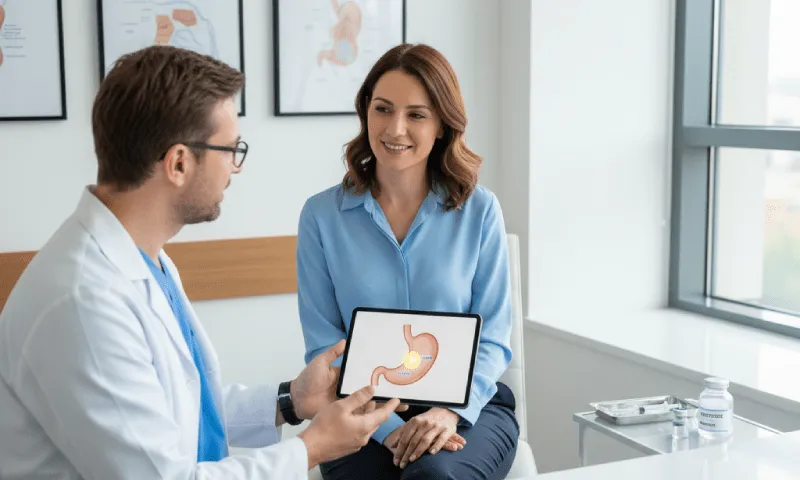
Gastric reduction surgery, known medically as sleeve gastrectomy, is a surgical procedure where approximately 80% of the stomach is removed through laparoscopic methods. As a result of this procedure, the stomach takes the shape of a banana or a tube. The primary goal of the operation is twofold: to restrict the amount of food intake by reducing the volume of the stomach and to reduce the appetite by removing the region where the hunger hormone ghrelin is secreted. This dual-action effect allows patients to lose weight rapidly while also bringing about significant metabolic improvements, such as the regulation of blood sugar levels and blood pressure.
How Does Stomach Anatomy Change After Surgery?
Before surgery, the stomach is a highly expandable, bag-like, and flexible organ capable of holding large amounts of food and liquid. With surgical intervention, the large part of the stomach, called the greater curvature, is removed. The remaining tube-shaped structure has a much lower expansion capacity and its volume is reduced to approximately 100-150 milliliters. This new anatomy changes the speed at which nutrients pass through the stomach and the interaction of digestive enzymes, allowing the patient to feel full with very small portions. The surgery fundamentally transforms the stomach from a storage tank into a narrow transit corridor for nutrition.
Does Stomach Tissue Regenerate After Surgery?
It is biologically impossible for the surgically removed stomach tissue to regenerate or reform itself. Unlike other organs in our body, such as the liver which can regenerate its mass, stomach tissue cannot bring back the lost part through “regeneration.” However, the walls of the stomach are composed of muscular and elastic tissue. This flexibility does not occur as an increase in the number of cells but as the stretching of existing fibers and the increase in distance between cells. Therefore, the stomach does not reform, but its potential for volumetric expansion always exists if proper habits are not maintained throughout the recovery phase.
What Is The Stretching Capacity Of The Stomach?
The stomach is an organ that has the natural ability to stretch in order to store food. A normal stomach has a small volume when empty but can increase its volume several times when food is eaten. After gastric reduction surgery, this stretching capacity is significantly restricted; however, it is not completely eliminated. After the sutures in the operated area heal and tissue recovery is complete, the muscle tissue of the stomach begins to stretch slowly when subjected to pressure. This stretching can turn into a permanent expansion over time if healthy eating habits are not preserved, potentially leading to a gradual increase in food capacity.
Why Does Stomach Volume Increase Over Time?
The most fundamental reason for the increase in stomach volume is the continuous and excessive pressure applied to the stomach wall. In the post-operative period, when patients stop listening to their stomach’s signals and act with the “just one more bite” mentality, the muscle fibers in the stomach wall are stretched. If this stretching process becomes constant, the muscles relax and the stomach loses its original tight form. Additionally, the type of food consumed and the speed of eating cause the receptors in the stomach wall to become desensitized, which leads to a desire to consume more food and contributes significantly to the increase in volume.
Do Carbonated Beverages Enlarge The Stomach?
Carbonated beverages are among the riskiest items for patients who have undergone gastric reduction surgery due to the carbon dioxide gas they contain. When these drinks enter the stomach, the gas is released and creates pressure inside the stomach. In a narrowed, tube-shaped stomach, this gas pressure forces the stomach walls outward. Constant consumption of carbonated beverages directly contributes to the mechanical expansion of the stomach and an increase in its volume. For this reason, surgeons strongly recommend staying away from carbonated beverages for the rest of one’s life following the operation to protect the surgical outcome.
Why Is Portion Control Critically Important?
Portion control is necessary not only for losing weight but also for maintaining the shape of the new stomach. An operated stomach feels intense pressure when filled with food beyond its capacity. While this pressure initially manifests as pain and vomiting, over time the stomach adapts to this situation and increases its capacity. Consuming small portions allows for reaching satiety without straining the stomach and does not push the limits of the stomach’s elastic structure. This is the most critical factor ensuring that the success of the surgery continues for many years and prevents the relapse of obesity.
Does Eating Fast Strain The Stomach?
Eating quickly causes a delay in satiety signals reaching the brain. The person may have already filled their stomach before realizing they are full. In a small-volume system like a sleeve stomach, the rapid descent of food into the stomach causes a sudden increase in pressure. This situation causes both digestive problems and mechanical stretching of the stomach wall. Chewing morsels very well and swallowing slowly allows the stomach to process the food more comfortably and minimizes the risk of unnecessary expansion. Slow eating is essential for the long-term integrity of the surgical modification.
Does Consuming Liquids With Meals Expand The Stomach?
The “solid-liquid separation” rule advocated by nutritionists is a vital rule for stomach health. Consuming water or another liquid at the same time as eating can suddenly double the volume inside the stomach. When both solid food and liquid fill the stomach simultaneously, the stomach walls are excessively stretched. Furthermore, liquids cause solid foods to be discharged from the stomach faster, leading the person to feel hungry much sooner. This situation both triggers the desire to eat more and prepares the ground for the stomach to stretch permanently through repeated overfilling.
How Elastic Is The Stomach Wall?
The stomach wall consists of three layers of strong muscle tissue, and this tissue is one of the most elastic structures in the body. This flexibility is part of the digestive process, but it can become a “dangerous” feature after surgery. Muscle fibers have the ability to adapt to the pressure they are constantly exposed to. If the patient constantly exceeds the satiety limit, these fibers lengthen and the stomach pouch widens. While this flexibility does not allow the stomach to return completely to its original size, it can show enough growth to reduce the restrictive effect intended by the surgery.
How Long After Surgery Does Expansion Begin?
Stomach expansion usually does not start immediately after surgery, but after the recovery process is complete and the patient has fully transitioned to solid foods. In most clinical studies, significant expansions are observed starting from the 18th month post-operatively. In the first months, because the stomach is still very edematous and sensitive, the patient cannot eat much even if they want to. However, as the tissues soften and the patient returns to old bad habits, the expansion process can be triggered insidiously. Therefore, the first two years are worth their weight in gold for making healthy habits permanent.
Does Stomach Enlargement Cause Weight Gain?
There is a direct correlation between the enlargement of the stomach and weight gain. When the stomach grows, the person has to consume more food to feel full. Increased calorie intake leads to more energy entering the body than it burns, which initiates fat storage. Additionally, an enlarged stomach can cause food to be digested and passed into the intestines faster, leading to fluctuations in blood sugar and more frequent hunger. Weight gain is the most concrete and undesirable result of the physical growth of the stomach, often signaling a return to pre-surgery metabolic issues.
Does Surgical Technique Affect Stomach Growth?
Surgical technique plays a major role in maintaining the long-term shape of the stomach. Failure to completely remove the “fundus” region of the stomach during surgery or leaving the stomach wider than it should be increases the risk of future growth. The surgeon’s experience, the smoothness of the stapler line used, and the correct measurement of the stomach with the help of a calibration tube are of critical importance. If the stomach is left wider than ideal initially, the expansion process can occur much faster and more easily when pressure is formed on this structure during regular meal consumption.
What Is The Role Of Genetic Factors In Stomach Structure?
Every individual’s connective tissue and muscle structure are genetically different. Some people’s tissues are tighter and more resistant, while others are more elastic and prone to relaxation. This genetic heritage also determines how easily the stomach can expand after surgery. In individuals with weak “collagen” structures, the stomach wall may show less resistance to pressure. However, even if there is a genetic disadvantage, this risk can be controlled with correct nutrition and lifestyle changes. Genetics is not a destiny but only a parameter that needs to be taken into careful consideration during the recovery.
What Is The Link Between Ghrelin Hormone And Stomach Volume?
Ghrelin is a hormone that is secreted when the stomach is empty and sends an “hunger” signal to the brain. In gastric reduction surgery, a large part of the section that secretes ghrelin is removed. However, when the stomach expands over time, the small amount of remaining ghrelin-producing tissues can become more active, or the stretch receptors in the stomach wall may become impaired. The more the stomach expands, the later the satiety signal arrives, and the person may feel constantly hungry. This hormonal imbalance, when combined with an increase in volume, can make weight management nearly impossible.
Does Chewing Gum Expand The Stomach?
Chewing gum does not directly physically expand the stomach wall, but it carries an indirect risk. While chewing gum, a person unconsciously swallows a large amount of air (aerophagia). This swallowed air descends into the stomach and occupies a volume there. In a narrow-volume environment like a sleeve stomach, this air creates a pressure similar to that created by carbonated beverages. Additionally, the act of chewing triggers the secretion of stomach acid; in an empty stomach, an increase in acid can cause discomfort and a gnawing sensation, pushing the person to eat something to settle the stomach.
Is Swallowing Large Bites Dangerous?
Large and poorly chewed morsels pose a risk of getting stuck in the narrow regions at the entrance and inside the stomach. When these morsels reach the stomach, they mechanically strain the narrowed stomach canal and put pressure on the walls. The stomach performs more contractile movements to digest these large pieces, and during this time, the stress on the walls increases. Constantly feeding on large bites can cause the stomach to gradually pouch and expand in those areas. Chewing nutrients until they reach a puree consistency protects the stomach from this unnecessary physical trauma.
What Is The Relationship Between Dumping Syndrome And Stomach Capacity?
Although dumping syndrome is usually seen in gastric bypass patients, it can also be experienced by those who feed very quickly and consume sugary foods after sleeve gastrectomy. It is the condition where foods “empty” from the stomach into the small intestine too quickly. The person may sometimes turn to consuming more liquid or soft food to avoid this uncomfortable feeling. If the person tries to keep the stomach constantly full to avoid experiencing this syndrome, this situation can lead to a chronic overeating habit and thus to stomach expansion, compromising the long-term metabolic benefits of the procedure.
What Should Be Done To Prevent Stomach Growth?
The most effective way to prevent the growth of the stomach is to remain faithful to the nutrition rules given after the operation for life. These rules include chewing morsels a lot, eating slowly, separating solids and liquids, stopping eating when the feeling of satiety occurs, and avoiding high-calorie liquid foods (such as milkshakes). Additionally, regular doctor and dietitian check-ups are necessary to detect a possible expansion tendency early. Developing an awareness of one’s own body signals ensures that the person protects the physical boundaries of the stomach and prevents long-term stretching.
Does Exercise Affect Stomach Volume?
Exercise does not have a direct reducing effect on stomach volume; however, it plays a huge role in general body composition and metabolism. In individuals who exercise regularly, insulin resistance decreases and appetite control becomes healthier. Additionally, the strengthening of the abdominal muscles can help the internal organs stay in a more regular position. Exercise is also the best tool for managing emotional eating crises that cause stomach growth. Physical activity helps the person maintain their nutritional discipline rather than preserving the form of the stomach directly through mechanical means.
How Does Protein-Based Nutrition Protect The Stomach?
Proteins are the food group that takes the longest to digest and gives the highest feeling of satiety. For gastric reduction patients, eating protein-priority meals ensures that the stomach feels “full but not strained” for a longer period. While carbohydrates leave the stomach quickly, proteins stimulate the satiety receptors in the stomach wall for a long time. In this way, the person feels less hungry during the day and can keep their portions under control. Correct protein intake eliminates the need to fill the stomach with large amounts of food unnecessarily, thereby reducing the risk of expansion.
Does Psychological Hunger Trigger Stomach Growth?
Psychological hunger or emotional eating is one of the most insidious causes of stomach growth. Even if the stomach is not physically empty, the person feels the need to eat something in situations such as stress, sadness, or boredom. In this case, stomach signals are ignored and the stomach is loaded “until the brain is full.” These over-loading sessions pave the way for permanent expansion by straining the capacity of the stomach walls. Getting psychological support to deal with emotional eating is critical for protecting stomach health and ensuring the long-term success of the surgery.
Is Stomach Enlargement Considered A Complication?
In medical literature, a slight expansion of the stomach can be accepted as a natural part of the post-operative process and is not always seen as a “complication.” However, if this expansion is large enough to cause the patient to regain significant weight or cause comorbid diseases to return, it is described as a failure or a problem. What matters is not how much the stomach grows, but how this growth affects the patient’s health and weight. If there is a functional deterioration, this situation is handled as a clinical problem requiring medical or nutritional intervention.
When Should Revision Surgery Be Considered?
Revision surgery, which is a second gastric reduction procedure, only comes to the agenda under certain conditions. If the stomach has expanded significantly and the patient has regained a large part of the weight they lost accordingly, a medical necessity may arise. However, before deciding on a revision, the patient’s eating habits and lifestyle should be examined under a magnifying glass. If there is physical growth and it cannot be controlled with a diet, doctors may evaluate options such as converting to a bypass or re-performing a sleeve gastrectomy. This decision must be made after detailed tests.
How Is Stomach Growth Detected Via X-Ray?
The most common method to detect the volume of the stomach and possible expansion is “medicated stomach radiography” or “stomach passage film.” While the patient drinks a liquid containing barium, the radiologist monitors the shape of the stomach and the passage of the liquid through the stomach in real-time. With this method, the volume of the stomach, the pouching in its walls, and whether there is a leak are clearly seen. Additionally, the condition of the walls and the amount of expansion can be personally observed by a specialist doctor by examining the stomach from the inside using the gastroscopy (endoscopy) method.
Why Does The Feeling Of Satiety Decrease Over Time?
In the first months after surgery, the feeling of satiety is very sharp because the nerve endings are sensitive and the stomach volume is at its minimum. Over time, the body gets used to this new situation and develops a tolerance. Additionally, as a result of wrong eating habits, the stretch receptors in the stomach wall may become desensitized. If the person does not stop eating when they receive the satiety signal, the brain starts sending this signal later after a while. The decrease in the feeling of satiety usually progresses parallel to the physical growth of the stomach and prepares the ground for the patient to eat more.
Does Alcohol Consumption Damage The Stomach Wall?
Alcohol is risky for gastric reduction patients due to both its high calorie content and its irritating effect on the gastric mucosa. Alcohol consumption can lead to inflammation in the stomach wall and disrupt the elasticity of tissues. Additionally, the appetite-stimulating effect of alcohol and its weakening of will cause the patient to consume more food and thus strain the stomach. Carbonated alcoholic beverages (such as beer), on the other hand, have the potential to mechanically expand the stomach due to the gas they contain, making them particularly dangerous for long-term maintenance.
Does Stomach Volume Change After Pregnancy?
The pregnancy process causes many hormonal and physical changes in the body, but pregnancy itself does not directly enlarge the stomach. As the baby grows, it puts pressure on the internal organs, which can actually cause the stomach to be even more squeezed and the person to eat less. However, if overeating is pursued with the idea of “eating for two” during pregnancy and portion rules are violated, the stomach can expand. With a correct nutrition plan, the pregnancy process can be successfully completed without damaging the stomach form or the surgical results.
How To Maintain Sleep Patterns And Appetite Control?
Insufficient sleep causes a decrease in the hormone leptin (satiety) and an increase in the hormone ghrelin (hunger) in the body. This hormonal imbalance can trigger uncontrolled eating attacks, especially in the late hours of the night. For an operated stomach, uncontrolled meals eaten at night mean that digestion slows down and the stomach remains tense for a longer period. Regular sleep balances the metabolism and ensures that the appetite remains at a controllable level. A healthy sleep pattern is the invisible hero of protecting stomach health and weight control.
What Is The Importance Of Support Groups In Stomach Protection?
Obesity surgery is not just an operation, but a lifestyle change. Being in communication with other patients during this change process increases motivation and ensures the reinforcement of correct habits. Experiences shared in support groups help in the early detection of mistakes that may cause stomach growth. Learning from the nutritional mistakes of others allows the patient to approach their own process more consciously. Social support is one of the strongest sources of motivation in fighting psychological hunger and maintaining stomach discipline over the long term.

Do Vitamin Deficiencies Affect Stomach Health?
Since absorption and volume change after gastric reduction surgery, vitamin deficiencies are common. Deficiencies in certain vitamins and minerals (for example, B12, Iron, or Magnesium) can create a constant fatigue and “desire to eat something” in the body. The body may send a food consumption signal to the brain even in situations where there is no hunger, in order to complete the micro-nutrient that is missing. If the patient misinterprets this signal and turns to constantly large portions, this situation can trigger stomach expansion. Regular vitamin supplementation protects the stomach by preventing unnecessary hunger.
Is Lifestyle Change Permanent?
Gastric reduction surgery is not a magic wand, but a tool. How long this tool will be effective depends on how much the patient has internalized the lifestyle change. Surgery shrinks your stomach, but it doesn’t change your mind. If the person returns to their old food-oriented life, the stomach can resist this pressure up to a certain point but eventually gives in and expands. For permanent success, a life philosophy should be adopted where food is not a reward or an escape tool. When this change is provided, the risk of stomach growth becomes almost zero.
How To Prevent Weight Regain After Gastric Reduction?
The way to prevent weight regain is to put a nutritional discipline that will not expand the stomach at the center of life. Giving protein priority in every meal, staying away from processed sugar and high-calorie liquids are the most basic rules. Additionally, as soon as weight gain is noticed, a specialist should be consulted immediately because the “honeymoon period” is over. Weight gain usually starts with the growth of the stomach, so realizing that portions are gradually increasing is an early warning system. An active life and disciplined follow-up are the strongest shields preventing the weight from coming back.
Why Is The First Year After Surgery Critical?
The first year after surgery is the period when the patient’s weight loss speed is highest and the stomach structure is tightest. During this period, the body adapts to the new anatomy and hormonal balance. Nutritional habits gained within the first year usually continue for a lifetime. If habits that strain the stomach are acquired during this period with the thought of “I am losing weight anyway,” the growth of the stomach will be inevitable in the following years. The first year is the most efficient time to learn to protect the physical boundaries of the stomach and make these boundaries a way of life.
How Does Dietitian Follow-Up Protect Stomach Form?
Bariatric dietitians are the experts who best know the special needs and stomach capacities of gastric reduction patients. Thanks to regular follow-ups, the dietitian can detect early the increases in the patient’s portion amount or wrong food choices. They ensure that the feeling of satiety occurs through healthy ways by offering recipes that will not tire the stomach but are nutritious. Dietitian follow-up serves as a control mechanism to correct nutritional mistakes that cause the stomach to enlarge and keeps the patient constantly on track throughout their journey.
Free Consultation
Fill out the form below to get your free medical travel plan and price quote.
Sources and how to verify this yourself
- Eisenberg D, et al. 2022 ASMBS and IFSO Indications for Metabolic and Bariatric Surgery. — surgery is recommended at BMI ≥35 regardless of co-morbidity, and considered at BMI 30–34.9 with metabolic disease (lower thresholds for Asian populations). source
- Ministry of Health, Regulation on International Health Tourism and Tourist Health, Official Gazette 26 April 2025, No. 32882 — authorisation requirement for facilities and intermediaries, TÜSKA accreditation, compulsory complication insurance (deadline 31 December 2025 for insurance, 31 December 2026 for accreditation). source
- Ministry of Health, Regulation on Promotion and Information Activities in Health Services, Official Gazette 12 November 2025, No. 33075 — treatment promises and guarantees are prohibited; price and campaign announcements are permitted only within international health tourism. source