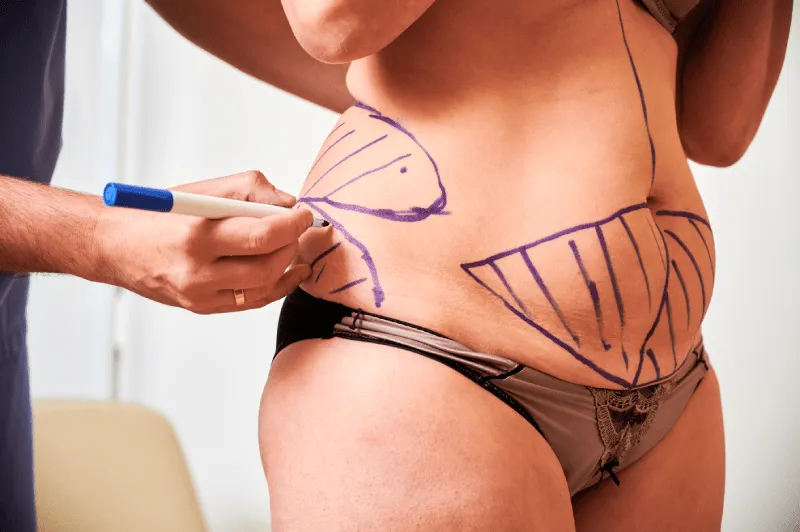
What is obesity surgery in children?
Obesity surgery in children, also known in medical literature as bariatric surgery, is a set of surgical interventions performed on young individuals who suffer from excessive weight problems and cannot lose weight through traditional methods such as diet, exercise, and lifestyle changes. These procedures aim to restrict food intake or reduce the absorption of nutrients by altering the structure of the digestive system. The primary goal is not only to provide weight loss but also to eliminate or control serious health problems such as Type 2 diabetes, hypertension, and sleep apnea that develop due to obesity. In modern medicine, this method is a serious treatment step that requires a multidisciplinary approach and long-term commitment.
What is the ideal age for obesity surgery?
There is no single “magic age” defined for obesity surgery in children; however, ages 13-15 and above, when physical and psychological maturity begins, are generally preferred. Health authorities worldwide take the child’s biological age and bone development into account rather than chronological age when making a surgical decision. In most cases, the operation is planned for a period after the first menstrual period in girls and in the stages where boys have completed most of their pubertal development. However, in life-threatening situations, these surgeries can be performed at much earlier ages with special permissions and committee decisions. Each case must be evaluated individually by a team of experts.
Is the puberty period suitable for surgery?
Puberty is both a critical and the most frequently evaluated period for obesity surgery. Since the body is still continuing to grow at this stage, the effects of surgical intervention on growth hormones and nutrient absorption must be meticulously examined. Adolescents are usually at a stage where they start showing adult-type obesity complications. Performing the surgery during puberty allows these individuals to enter their adult life with a healthier metabolism. However, the adolescent’s attainment of the mental maturity to understand and comply with the lifelong rules brought by the surgery is considered one of the most fundamental requirements for the success of the procedure.
How does bone development affect the surgery decision?
Bone development is one of the most important technical criteria in the decision-making process for pediatric obesity surgery. Since the body’s nutrient absorption will change after the surgical intervention, whether the growth plates have closed or not is checked radiologically. If a child still has the potential for height growth, vitamin and mineral deficiencies (especially calcium and Vitamin D) that may occur after surgery can lead to short stature or deformities in the bone structure. For this reason, experts generally consider individuals who have completed 90-95% of their bone development as more suitable candidates for surgery. The status of the epiphyseal plates plays a decisive role in this process.
What should the body mass index limit be?
The evaluation of body mass index (BMI) in children and adolescents is done via percentile curves, unlike in adults. As a general rule, children with a BMI value of 35 and above who have additional diseases such as Type 2 diabetes, severe sleep apnea, or fatty liver are candidates for surgery. If there is no additional disease, a BMI value above 40 is generally accepted as the lower limit for surgery. These figures represent the highest segments of the BMI charts determined according to the child’s age. Just having a high weight is not enough; it is essential that this weight is at a level that disrupts the child’s general health and significantly reduces their quality of quality of life.
Which methods should be tried before surgery?
Surgical intervention is never the first option. For a child to be able to undergo surgery, they must have tried and failed intensive diet programs, regular physical activity, and behavioral therapy programs under expert supervision for at least 6 months to 1 year. This process is used not only to try to lose weight but also to measure the discipline capacity of the family and the child. If lifestyle changes and current drug treatments do not yield results and the child continues to gain weight and lose their health, the surgical option is discussed. These preliminary trials directly affect the success rate after surgery by preparing the patient for the lifestyle change.
Which health problems make surgery mandatory?
Obesity surgery can sometimes become a “necessity” rather than a “preference.” Surgery gains priority especially if the child has severe sleep apnea and this condition causes respiratory arrest at night. In addition, Type 2 diabetes that cannot be controlled, insulin resistance causing organ damage, pseudotumor cerebri (increased intracranial pressure), and severe orthopedic problems (such as slipped capital femoral epiphysis) are factors that accelerate the surgery. In such cases, the risks of surgery are considered lower than the risks of these diseases because they shorten the child’s life or leave permanent damage. Physicians make this “mandatory” surgery decision by observing the benefit-loss balance carefully.
Is Type 2 diabetes a reason for surgery?
Type 2 diabetes diagnosed at a young age tends to follow a much more aggressive course than its form in adulthood. Diabetes that cannot be controlled with traditional treatments can rapidly trigger heart, kidney, and eye damage in children. Metabolic surgery has a success rate of over 90% in achieving remission of Type 2 diabetes in children (disappearance of symptoms). The rapid improvement of blood sugar after surgery and the elimination or reduction of the need for insulin dramatically increase the child’s future quality of life. Therefore, the presence of uncontrolled diabetes is seen as one of the strongest indications for surgery, even if the age limit is lowered slightly.
Is sleep apnea effective in the surgery decision?
Obstructive sleep apnea seen in children with severe obesity negatively affects cognitive development and school success by reducing the amount of oxygen reaching the brain. For a child who wakes up at night with shortness of breath or is constantly tired, obesity surgery is a vital way out. With rapid weight loss after surgical intervention, the fat tissue around the throat decreases and the airways open. Many young patients can say goodbye to the CPAP device (sleep mask) just a few weeks after the surgery. This improvement is a very critical determinant in the surgery decision because it increases the child’s general energy level and participation in life.
Why is psychological evaluation important?
Preoperative psychological evaluation is as vital as physical examinations. Obesity surgery is not just an operation on an organ, but a change of an entire way of life. It must be analyzed whether the child has an emotional eating disorder, whether they can grasp the post-surgery process, and whether they have realistic expectations. Conditions such as severe depression, an active eating disorder (like bulimia), or intellectual disability can prevent surgical success. Psychiatrists and psychologists do not start the surgical procedure without confirming that the patient is mentally ready for this big change. This preparation also minimizes the risk of regret after the surgery.
What is the role of the family in this process?
The success of a child in the obesity surgery journey is directly proportional to the support of their family. The decision for surgery is not an individual decision, but a family one. If the eating habits in the house do not change, it is impossible for the child to lose weight and maintain it after the surgery. Parents should monitor the child, ensure they take their vitamins regularly, and encourage them to be physically active. In the emotional fluctuations that may be experienced in the first months after surgery, the family must be patient and supportive. The key to success is for the family to perceive this process not just as a “gastric operation” but as a total “healthy life revolution.”
How should nutrition be after surgery?
The nutrition process after surgery follows a very meticulous and gradual path. In the first few weeks, it starts with liquid foods, then transitions to pureed foods, and in the final stage, solid foods are added to the diet. The protein needs of children are very high because growth continues; therefore, high-quality protein sources (eggs, cheese, chicken, fish) are prioritized at every meal. Since portions will be very small, foods with high nutrient density should be selected. Carbonated drinks, high-sugar fruit juices, and processed carbohydrates should be limited for life. In addition, it is essential to gain new habits such as chewing morsels very well and not taking liquids with meals.
Is gastric sleeve surgery performed on children?
Gastric sleeve surgery, known medically as “Sleeve Gastrectomy,” is the most frequently applied obesity surgery method in children and adolescents today. In this surgery, approximately 80% of the stomach is removed longitudinally, and the stomach is turned into a banana or tube shape. This method is found safer in pediatric patients because it changes the anatomy permanently (without changing the intestinal passage) and minimizes the risk of malabsorption. In addition, since the region that secretes ‘ghrelin’, the hunger hormone, is removed, the appetite of children also significantly decreases. Due to high success rates and low complication risk, surgeons’ first choice is usually this method.
Is gastric bypass preferred in children?
Gastric bypass surgery is a method that both reduces the stomach and reduces absorption by disabling a part of the intestines. Although it is less preferred than sleeve gastrectomy in children, it can be used in young patients with very severe Type 2 diabetes or those with severe reflux problems. However, this method has the potential to disrupt vitamin and mineral absorption more in the long run. This can lead to iron deficiency anemia, osteoporosis, and other nutritional deficiencies in a growing child. Therefore, the decision for gastric bypass is made after a much more selective and careful evaluation process. Regular monitoring of micronutrient levels is mandatory for these patients.
What are the effects of surgery on growth?
One of the most curious topics is whether the surgery will stop height growth. Studies have shown that when performed at the appropriate age and when vitamin supplements are used regularly, obesity surgery does not negatively affect height growth. On the contrary, children’s potential to reach their genetic height may become easier thanks to the joints freed from the pressure created by excess weight and the balanced hormone levels. However, if protein and calcium intake remains insufficient after surgery, there is a risk of slowing down the growth rate. This risk can be easily managed with the follow-up of an expert dietitian and pediatrician. Surgery is a support for growth, not an obstacle, when done at the right time.

Is vitamin supplementation required after the surgical procedure?
Yes, vitamin and mineral supplementation is generally a lifelong necessity for children undergoing obesity surgery. Since the stomach is smaller and intestinal absorption is reduced in some methods, vitamins taken from foods may not be sufficient for the body. Especially Vitamin B12, iron, calcium, multivitamins, and Vitamin D supplements are of vital importance. Since children’s growth processes continue, these values should be monitored with regular blood tests. In case of neglect of supplements, anemia, hair loss, bone weakness, and neurological problems may develop. The fact that adolescent individuals have the consciousness to undertake this responsibility is the most fundamental pillar of surgical success.
Are surgery risks different from adults?
The surgical risks of obesity surgery in children (bleeding, infection, leakage, etc.) are not higher than those of adults when performed by experienced hands. In fact, the tissue healing rate and body resistance of young people are higher than those of adults. However, the long-term risks of pediatric patients are different. Since they have a very long time ahead of them in their lives, the effects of nutritional deficiencies that may develop after surgery may be more pronounced in them. In addition, they may be psychologically more fragile than adults. That’s why in pediatric surgery, rather than technical success, the post-operative follow-up and psychosocial support process requires a greater risk management strategy.
Is obesity surgery safe in children?
Scientific research has proven that obesity surgery is an extremely safe and effective method for morbidly obese (extremely fat) children. Complication rates are at levels similar to many routine surgical procedures (such as gallbladder surgery). Today, these surgeries are performed with the laparoscopic (closed) method, so the healing process is very fast and the pain level is low. The safety factor depends on the experience of the team performing the surgery in pediatric surgery and bariatric surgery. The idea that surgery is “unsafe” is generally devoid of a medical basis compared to the life-threatening dangers that obesity will create in the child. Long-term data confirms that these surgeries are life-saving.
Who are not candidates for obesity surgery?
Not every overweight child can be operated on. Individuals with an existing psychotic disorder, active substance addiction, or an intellectual disability at a level that cannot understand the post-surgery rules are not candidates. In addition, if the condition causing weight gain is a treatable genetic disease or hormonal disorder (for example, Cushing’s Syndrome), this primary problem must be treated first. Children who cannot participate in the post-operative follow-up program, who cannot use their vitamins, or who are completely devoid of family support are also excluded from the surgical scope. Surgery should also be postponed for individuals who are pregnant or planning pregnancy in the near future.
How is school life affected after surgery?
The healing process after surgery is quite fast, and children can usually return to school within 1-2 weeks. Becoming more physically active, waking up more refreshed in the mornings with the improvement of sleep apnea, and the increase in self-confidence generally affect academic success positively. However, school canteen foods and peer pressure can pose a risk for nutritional discipline. It is important that the school management and the counseling service are informed about this situation and that appropriate foods are put in the child’s lunch box. While rapid weight loss is experienced in the first months, energy changes in the child should be monitored by teachers. The general picture is that school success increases.
When should physical activity be started?
Immediately after the surgery, from the first day they are in the hospital, it is requested to start walks at a slow pace. This is critical to reduce the risk of blood clotting. After returning home, light walks are sufficient for the first month. Approximately 4-6 weeks after the surgery, swimming and light cardio exercises can be started with doctor’s approval. For heavy sports that will strain the abdominal muscles and weightlifting, it is usually necessary to wait 2-3 months. Physical activity not only accelerates weight loss but also prevents the slowing down of metabolism by protecting muscle mass. Directing children to a sustainable sport branch they will love is essential for long-term success.
How is the hormone balance affected by surgery?
Obesity surgery radically changes the hormone balance in the body, and this is usually a positive change. With the reduction of fat tissue, estrogen and insulin levels balance out. Especially Polycystic Ovary Syndrome (PCOS) symptoms and excessive hair growth seen in girls improve dramatically with weight loss after surgery. In boys, low testosterone levels due to obesity return to normal, and this supports healthy sexual development. In addition, the sensitivity of hormones that give a feeling of satiety (such as leptin) increases, while hormones that give a feeling of hunger decrease. This hormonal change facilitates appetite control and helps maintain the weight lost.
Does fatty liver improve with surgery?
Fatty liver disease (NAFLD) due to obesity in children is a serious problem that can lead to cirrhosis and liver failure. Obesity surgery is one of the most effective methods in improving fatty liver. When weight loss begins, fat accumulation in the liver rapidly decreases, liver enzymes return to normal, and even tissue damage that has begun to form (fibrosis) can regress. In a large part of the young patients who have had surgery, liver health can be completely restored. This situation eliminates the need for much heavier interventions such as liver transplantation in the future. The improvement in the liver is usually observed as one of the earliest and most gratifying results of weight loss.
Is there weight regain after surgery?
Obesity surgery is not a “magic wand,” but a “window of opportunity.” If the child and their family return to their old bad habits after the surgery, consume high-calorie liquid foods, or lead a sedentary life, weight regain is possible. 2-5 years after the surgery, the stomach may expand slightly and the body may adapt to its new weight. Therefore, a lifelong discipline is essential. Weight regain is usually seen in patients who do not receive psychological support or do not go to follow-up appointments. However, since the surgical intervention creates a biological barrier, the weight regained rarely reaches the pre-operative levels.
What are the advantages of having surgery at an early age?
The biggest advantage of having surgical intervention at an early age is being able to stop the permanent damage that obesity will leave in the body (atherosclerosis, joint wear, organ fat) before it occurs. Since the tissue elasticity of young individuals is higher, skin sagging after weight loss is less than in adults. In addition, healthy habits acquired at a young age lay a much more solid foundation for the adulthood period. Socially and psychologically, solving problems such as peer bullying, low self-esteem, and social isolation caused by obesity early saves the child’s personality development. Intervention at a young age means regaining “lost years.”
Which team makes the surgery decision?
The decision for obesity surgery in children should never be made by a single surgeon. This decision should be taken by a comprehensive “Council” or “Committee.” This team includes a pediatric surgeon, obesity surgeon, pediatric endocrinologist, child psychiatrist, expert dietitian, and sometimes a cardiologist or a chest diseases specialist. Each expert evaluates the child in terms of their own discipline and gives approval. Surgery is not performed without the common opinion of the entire team. This multidisciplinary approach both increases the safety of the surgery and ensures the flawless functioning of the post-operative follow-up process. Teamwork is the gold standard of pediatric bariatric surgery.
Why should pediatric obesity centers be preferred?
Children are not “small adults”; their anatomy, physiology, and psychology are completely different from adults. For this reason, obesity surgery should be performed in centers where all units (intensive care, anesthesia, ward) are adjusted according to pediatric patients and specialized in child patients. Pediatric centers better analyze the growth and development needs of adolescents and apply treatments in doses appropriate for them. In addition, nurses and dietitians in these centers are experienced in communicating with young people. Having surgery in a well-equipped center reduces the risk of complications and allows the child to go through this process without experiencing trauma. A quality center is half of the success.
What is the importance of social support groups?
Young individuals who have had surgery may feel alone or “different.” Communicating with other children going through similar processes in their own age group increases their motivation incredibly. Support groups provide a platform for sharing emotional difficulties experienced, beyond sharing recipes. Correct and controlled groups on social media or meetings within the hospital make it easier for the child to get used to this new identity (the new self that is losing weight and regaining health). Seeing the success stories of others prevents giving up in difficult times. Psychosocial support is one of the strongest invisible forces that reinforce the effect of surgery.

How long does the post-operative follow-up process last?
The follow-up process after obesity surgery should actually last a lifetime, but the most critical period is the first 2 years. In the first year after the surgery, doctor checks and blood tests are usually performed in the 1st, 3rd, 6th, and 12th months. In the second year, it continues with routine checks once every 6 months, and then annually. In these checks, the child’s weight loss speed, vitamin values, hormonal status, and growth rate are monitored. In the transition stage from adolescence to adulthood (ages 18-21), the transition process from pediatricians to adult doctors should also be planned. Regular follow-up is the only way to detect a possible vitamin deficiency or weight regain early.
How does self-confidence development change in adolescents?
Obesity causes serious lack of self-confidence, depression, and social anxiety disorders in children and adolescents. The serious weight loss provided after the surgery and the aesthetic improvement that comes with it rapidly change the child’s view of themselves. As young people start doing physical activities they couldn’t do before, as they can wear the clothes they want, and as they participate more in social life, their self-confidence increases. The reduction of the fear of exclusion by peers triggers school and social success. However, since this change is sometimes very fast, psychological support should continue during the process of the child getting used to their “new body.” Healing mentally and physically should be simultaneous.
Is skin sagging seen after surgery?
Skin sagging varies depending on the amount of weight loss and skin elasticity. Since collagen production is high in young people, the skin recovers much better than in adults. However, in losses of 50-60 kg and above, it may be inevitable to have some sagging in the abdomen, arms, and thigh area. Doing regular sports, drinking plenty of water, and eating a balanced diet protect skin health and minimize sagging. If serious sags occur and this situation disturbs the child psychologically or leads to hygienic problems (rashes, etc.), aesthetic surgical interventions can be planned after weight loss stops and stabilizes (usually after 2 years).
Are pregnancy plans affected by surgery?
This issue is very important for young women in the late adolescence period. Obesity surgery actually increases fertility because it solves the obesity problem that causes infertility. However, pregnancy should definitely not occur during the first 18-24 months after surgery, when the body is changing rapidly and the vitamin balance has not yet settled. Pregnancies occurring in this period carry serious nutritional deficiency risks for both the mother and the baby. Young women should be informed about this issue before surgery and appropriate contraception methods should be recommended. After the two-year waiting period is over, it is possible to get pregnant and have a baby in a healthy way; it is even safer than getting pregnant while having obesity.
Does drug use change after surgery?
Changes in the digestive system after surgery can affect the absorption of some drugs. Especially “extended release” tablets may not mix with the blood completely because the transit time in the stomach and intestines changes. For this reason, all drugs used by children (asthma drugs, psychiatric drugs, etc.) should be reviewed again after surgery. After gastric sleeve surgeries, NSAID group painkillers (aspirin, ibuprofen, etc.) are prohibited or used very limitedly due to the risk of stomach ulcers. Liquid forms or crushable drugs are preferred in the early period. The doctors of children who use regular medication before surgery should be informed about the dose adjustment after bariatric surgery.
How long does the hospital process take?
The duration of hospital stay after laparoscopic obesity surgery is usually 2 to 3 days. Hospitalization is done on the day of the surgery, and the patient is mobilized and walked on the same day after the surgery. The process of pain control and starting fluid intake is monitored on the first day. On the second day, a leakage test is performed to ensure a full transition to liquid nutrition. If the child can take sufficient fluid orally, their pain is under control, and their general condition is good, they are discharged. The first week after returning home passes with rest and getting used to the new nutrition order. Thanks to modern surgical techniques, the era of lying in the hospital for months is long gone; the process is quite fast and comfortable.
How will obesity surgery be shaped in the future?
The medical world is working to minimize obesity surgery even further. In the future, with the more widespread use of robotic surgery, suture lines and sensitivity will increase even more. In addition, thanks to genetic studies, it will be possible to determine in advance which child will benefit more from which surgery method. The use of procedures performed without an incision by endoscopic methods (such as suturing inside the stomach) may increase further in children. In addition, treatment protocols in which new generation obesity drugs (such as GLP-1 receptor agonists) and surgical methods are combined will also become widespread. However, surgery will continue to be the strongest solution for heavy cases for a while longer.
Free Consultation
Fill out the form below to get your free medical travel plan and price quote.
Sources and how to verify this yourself
- Eisenberg D, et al. 2022 ASMBS and IFSO Indications for Metabolic and Bariatric Surgery. — surgery is recommended at BMI ≥35 regardless of co-morbidity, and considered at BMI 30–34.9 with metabolic disease (lower thresholds for Asian populations). source
- Ministry of Health, Regulation on International Health Tourism and Tourist Health, Official Gazette 26 April 2025, No. 32882 — authorisation requirement for facilities and intermediaries, TÜSKA accreditation, compulsory complication insurance (deadline 31 December 2025 for insurance, 31 December 2026 for accreditation). source
- Ministry of Health, Regulation on Promotion and Information Activities in Health Services, Official Gazette 12 November 2025, No. 33075 — treatment promises and guarantees are prohibited; price and campaign announcements are permitted only within international health tourism. source