About the prices on this page. The figures below are indicative market prices and country comparisons, not a quote. Our own current, all-inclusive prices are published on our dental treatment in Turkey page, and we confirm your figure in writing before you commit to anything.
Cost and planning note (2026)
The figures below are indicative market ranges for 2026, not a quote: your own price depends on the clinic, the surgeon and your clinical assessment.
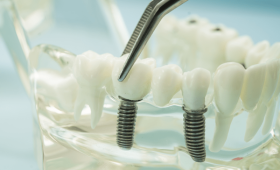
Indicative price range: Implant High End: 500 – 1,200 USD | All On 4: 4,000 – 7,000 USD per arch | Zirconia Crown: 200 – 400 USD | Veneers Emax: 250 – 450 USD
Facility standards: In Türkiye, any facility treating international patients must hold the Ministry of Health’s international health tourism authorisation; hospitals and medical centres must also be accredited by TÜSKA, and complication insurance is compulsory for procedures carried out in an operating theatre (Regulation of 26 April 2025). Ask us for the authorisation of the facility you are matched with.
Currency: USD / EUR / GBP accepted at all clinics.
Pediatric Dental Tourism: Why Families Choose Turkey for Orthodontic “Braces” Holidays
Pediatric Dental Tourism: A Deep Dive into the Medical & Technical Landscape in Turkey
The burgeoning field of dental tourism, particularly concerning pediatric orthodontics, has seen a dramatic increase in families seeking treatment abroad. Turkey has rapidly become a leading destination, not simply due to cost savings, but due to a confluence of advanced technologies, adherence to international standards, and a growing specialization in pediatric dental care. This pillar focuses on the ‘What’ and ‘Why’ behind this trend, detailing the medical foundation and technical capabilities driving the appeal of Turkish orthodontic “braces” holidays.
The ‘What’: Specific Pediatric Orthodontic Treatments Driving Tourism
While the term “braces” is often used generically, the range of orthodontic interventions sought by families spans a broad spectrum. We are seeing a considerable demand for treatment of malocclusion – misaligned teeth – in children and adolescents. This includes conventional fixed appliances (metal and ceramic brackets), self-ligating braces, and increasingly, clear aligner therapy (similar to Invisalign). However, the more complex cases are often the primary drivers for international travel. These complexities frequently involve:
- Cleft Lip and Palate Orthodontics: Turkey possesses specialized teams experienced in pre-surgical NAM (Nasolabial Molding) appliances, post-surgical alveolar bone grafting support, and long-term orthodontic management following comprehensive cleft care. The multidisciplinary approach – involving pediatric surgeons, prosthodontists, and speech therapists – is a key attraction.
- Syndromic Craniofacial Orthodontics: Children with genetic syndromes like Down Syndrome, Treacher Collins Syndrome, or Pierre Robin Sequence often require uniquely tailored orthodontic treatment plans. Turkish clinics, particularly in Istanbul and Izmir, are developing expertise in managing these complex cases, including the use of modified orthodontic appliances and distraction osteogenesis support.
- Early Intervention Orthodontics (Phase I Treatment): Recognizing the benefits of interceptive orthodontics, parents are actively seeking Phase I treatment for children aged 7-10. This focuses on guiding jaw growth using functional appliances (e.g., Herbst, Twinblock) to correct underlying skeletal discrepancies before full eruption of permanent teeth, potentially avoiding more invasive treatments later.
- Space Maintainers & Habit Appliances: Addressing issues like premature tooth loss or harmful oral habits (thumb sucking, tongue thrusting) is crucial in pediatric dentistry. Turkish clinics offer a range of space maintainers (fixed and removable) and habit-correcting appliances designed to promote healthy dental development.
The increasing sophistication of diagnostic tools and treatment planning methodologies in Turkey allows for accurate assessment and individualized care for these conditions.
The ‘Why’: Technical Proficiency and Technological Investment
The perception of Turkey as merely a “low-cost” destination is a significant underestimation. A substantial investment in modern dental technology, coupled with highly trained specialists, is driving its reputation as a center of excellence. Clinics are routinely integrating advanced technologies:
- CBCT 3D Imaging: Cone Beam Computed Tomography (CBCT) is now standard for complex orthodontic cases. It provides a three-dimensional radiographic image of the craniofacial structures, allowing for precise assessment of skeletal relationships, root morphology, and impacted teeth – critical for surgical orthodontic planning and implant placement (with costs for a single implant ranging from 500 – 1,200 USD). The ability to virtually plan treatment before initiating it significantly improves predictability and reduces complications.
- Digital Smile Design (DSD): This technology isn’t limited to aesthetic dentistry. In pediatric orthodontics, DSD software allows for the creation of virtual treatment simulations, demonstrating to parents the anticipated outcome of orthodontic therapy. This enhances communication and patient (and parental) engagement.
- CEREC Same-Day Crowns and Restorations: While primarily used in restorative dentistry, CEREC technology (Chairside Economical Restoration of Esthetic Ceramics) offers rapid fabrication of custom-designed crowns or onlays when needed during orthodontic treatment, such as repairing chipped or fractured teeth.
- Indirect Bonding with Custom-Made Trays: This technique, becoming increasingly prevalent, involves creating a customized tray based on the patient’s digital models. Brackets are pre-positioned in the tray and bonded simultaneously, leading to more accurate bracket placement and reduced chair time.
- iTero & 3M Oral Scanners: Digital impressions utilizing intraoral scanners (like iTero) eliminate the need for messy and uncomfortable traditional impression materials. This enhances patient comfort, improves accuracy, and facilitates digital workflow integration.
Furthermore, the rise of digital orthodontics, incorporating software for virtual setup, bracket prescription, and treatment monitoring, is becoming increasingly common in Turkish clinics.
Medical Standards and Regulatory Oversight
Addressing concerns about quality and safety is paramount. Turkey’s healthcare system, while distinct from Western models, is subject to robust regulation and quality control. Clinics catering to international patients are increasingly focused on achieving accreditation from recognized bodies.
- JCI Accreditation: A growing number of private dental clinics in Turkey are actively pursuing or have achieved Joint Commission International (JCI) accreditation. This rigorous evaluation assesses patient safety, clinical quality, and organizational performance.
- Ministry of Health Regulation: All dental practices in Turkey are regulated by the Turkish Ministry of Health, ensuring compliance with hygiene standards, sterilization protocols, and qualified personnel requirements. Dentists must be fully licensed and registered.
- Material Quality & Sourcing: Reputable clinics prioritize the use of high-quality orthodontic materials sourced from reputable manufacturers (e.g., 3M, Ormco, Dentsply Sirona).
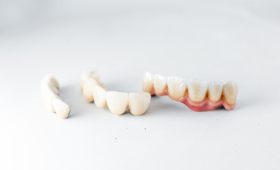
The financial aspect is clearly a driver, with procedures like zirconia crowns available for 200 – 400 USD and veneers (Emax) for 250 – 450 USD. However, the value proposition extends beyond cost. The “All-on-4” implant solution can be obtained for 4,000 – 7,000 USD per arch, a significant saving compared to many Western countries.
Recovery and Logistics – Beyond the Clinic
Turkey’s diverse geographical offerings enhance the appeal of dental tourism. Recovery isn’t confined to clinical settings. Options include:
- Istanbul: Offers a cosmopolitan experience with a wide range of accommodation options, from luxury hotels to boutique guesthouses. Ideal for patients preferring a vibrant city environment.
- Antalya: A popular resort destination with beautiful beaches and a relaxed atmosphere. Suits patients seeking a more leisurely recovery experience.
- Izmir: Located on the Aegean coast, Izmir offers a blend of historical sites, thermal spas, and modern amenities. Known for its moderate climate and therapeutic thermal waters.
Furthermore, the ease of travel – with e-visas available for citizens of many countries (including the UK, US, and EU) allowing for stays of up to 90 days – and the acceptance of major currencies (USD, EUR, GBP) simplifies the logistical aspects of dental tourism.
The Surgical/Clinical Journey: Pediatric Orthodontic Treatment in Turkey
For families considering pediatric dental tourism, particularly for orthodontic treatment (“braces” holidays), understanding the clinical journey is paramount. This section details the step-by-step procedure for a typical adolescent orthodontic case in Turkey, a case study illustrating the process, and crucial risk mitigation strategies. We focus on fixed orthodontic appliance therapy – the most common “braces” treatment – as opposed to clear aligners, recognizing the complexity and technical demands of the former in a foreign setting.
Step-by-Step Procedure: Adolescent Fixed Orthodontic Therapy
The journey begins, ideally, with a digital pre-assessment. While a full clinical examination is essential, initial records can be sent electronically to Turkish clinics for preliminary evaluation. This allows for treatment planning and cost estimation before travel. Upon arrival, the clinical process unfolds as follows:
- Initial Consultation & Cephalometric Analysis: This goes beyond a simple visual check. A comprehensive examination includes a detailed dental history, assessment of temporomandibular joint (TMJ) function, and a thorough evaluation of occlusion (bite). Crucially, a lateral cephalometric radiograph (a skull x-ray) is taken. This radiograph, combined with models of the teeth, allows for detailed analysis of skeletal and dental relationships. Clinics utilizing Digital Smile Design (DSD) integrate this radiographic data with patient photographs and 3D scans, creating a virtual treatment plan visible to both the clinician and the patient/family.
- CBCT 3D Imaging (Cone Beam Computed Tomography): While cephalometrics provide a 2D representation, CBCT 3D Imaging offers a volumetric assessment of the craniofacial structures. This is especially valuable in complex cases or those involving impacted teeth. It allows for precise identification of nerve pathways (like the inferior alveolar nerve) and root positions, minimizing the risk of iatrogenic damage during treatment.
- Impression Taking & Model Fabrication (or Intraoral Scanning): Traditional impressions are still used, but increasingly, clinics are adopting intraoral scanners. These scanners create a digital model of the teeth, eliminating the need for messy impressions and providing a highly accurate representation of the patient’s dentition.
- Bracket Placement & Archwire Sequencing: This is the core of fixed orthodontic treatment. Brackets, typically made of stainless steel or ceramic, are bonded to the teeth using a dental adhesive and cured with a specialized light. The initial archwire, a flexible metal wire, is then ligated into the brackets. The archwire provides the initial force to move the teeth. The sequence of archwires (changing the wire’s material, diameter, and shape) is carefully planned by the orthodontist to achieve the desired tooth movement. Modern techniques often employ self-ligating brackets, reducing friction and potentially shortening treatment time.
- Periodic Adjustments & Monitoring: Regular appointments (typically every 4-8 weeks) are crucial. During these appointments, the orthodontist adjusts the archwires, replaces ligatures, and monitors the progress of tooth movement. Digital photographs and 3D scans are often taken at each appointment to document changes and refine the treatment plan.
- Debonding & Retention: Once the teeth are aligned, the brackets are removed (debonded). The teeth are then polished to remove any residual adhesive. Retention is *vital* to prevent relapse. This usually involves wearing removable retainers (like a Hawley retainer or Essix retainer) or, in some cases, a fixed retainer bonded to the lingual side of the teeth.
Persona Case Study: 13-Year-Old Liam, UK Resident
Liam, a 13-year-old from the UK, presented with severe crowding of his upper teeth and a mild overbite. His parents, seeking a more affordable orthodontic solution than available in the UK, chose a clinic in Antalya known for its family-friendly approach. Initial consultations in the UK estimated treatment cost at approximately £4,500 – £6,000. The Turkish clinic provided a detailed treatment plan based on CBCT imaging, outlining a 18-24 month treatment duration with ceramic braces. The total cost, including accommodation and some meals, was estimated at £2,800.
Liam’s treatment involved a pre-appointment digital scan sent to the Turkish orthodontist. Upon arrival, the CBCT scan confirmed the initial diagnosis and allowed for precise bracket placement. Throughout the treatment, Liam and his parents benefited from the clinic’s translation services and dedicated patient coordinator. Digital progress monitoring was provided via a secure online portal, allowing the UK dentist to collaborate with the Turkish orthodontist. Following debonding, Liam was fitted with clear Essix retainers and received detailed instructions on their use. Six months post-treatment, a remote consultation with the Turkish orthodontist via video call confirmed excellent retention.
Risk Mitigation & Considerations
While dental tourism can offer significant cost savings, mitigating potential risks is crucial.
- Clinician Qualification Verification: Ensure the orthodontist is a specialist, board-certified, and registered with the Turkish Dental Association. Request verification of their credentials.
- Clinic Accreditation: Opt for clinics with JCI (Joint Commission International) accreditation. This ensures adherence to international quality and safety standards.
- Treatment Complexity: Complex cases, such as those requiring orthognathic surgery (jaw surgery), may be better suited to treatment in the patient’s home country.
- Post-Treatment Care: Establish a clear plan for post-treatment care and monitoring with a qualified dentist in the patient’s home country. This includes retainer fabrication and regular check-ups.
- Travel Insurance: Obtain comprehensive travel insurance that covers medical emergencies and potential complications.
- Communication: Ensure clear communication with the clinic and access to translation services if needed.
- Currency Exchange & Payment: Understand the exchange rates and accepted payment methods. Clinics typically accept USD, EUR, and GBP.
- Emergency Protocols: Inquire about the clinic’s emergency protocols and access to emergency dental care outside of regular hours. Consider the proximity of the clinic to hospitals and emergency services within chosen recovery hubs such as Istanbul, Antalya, or Izmir.
Finally, it’s vital to remember that orthodontic treatment is a long-term commitment. Thorough research, careful planning, and open communication are essential for a successful and positive dental tourism experience.
Pediatric Dental Tourism: Navigating Recovery & Cost in Turkey – A Deep Dive
The decision to pursue pediatric orthodontic treatment – often involving multi-bracket appliances, commonly known as “braces” – is a significant one for any family. When that decision extends to international travel for care, particularly to a destination like Turkey, meticulous planning regarding recovery logistics and a thorough understanding of cost implications become paramount. This pillar focuses exclusively on these critical elements, alongside an assessment of the medical standards underpinning treatment in Antalya and Istanbul, offering prospective patients a comprehensive overview.
Post-Orthodontic & Surgical Recovery Hubs: Istanbul vs. Antalya
Turkey presents two primary geographic ‘hubs’ for dental tourism recovery: the vibrant, cosmopolitan city of Istanbul and the resort destination of Antalya. Each offers distinct advantages depending on the complexity of the treatment and the family’s preferences. While straightforward orthodontic adjustments require minimal downtime, more complex cases – such as those requiring pre-orthodontic surgical procedures like impacted tooth extraction or LeFort I osteotomy (rare in purely orthodontic cases but a consideration for syndromic patients) – necessitate a more carefully considered recovery environment.
Istanbul, with its established network of boutique and internationally-styled hotels, caters to patients seeking a balance of medical care and cultural immersion. Its sophisticated infrastructure allows for easy access to follow-up appointments and specialist consultations should they be required. Importantly, Istanbul boasts a higher concentration of JCI (Joint Commission International) accredited hospitals, ensuring adherence to rigorous international standards. Post-operative pain management protocols are typically managed through a combination of non-steroidal anti-inflammatory drugs (NSAIDs) – carefully dosed for pediatric patients – and, when necessary, opioid analgesics under strict medical supervision. Monitoring for complications, such as soft tissue inflammation (gingivitis/periodontitis) around brackets or ulceration, is emphasized.
Antalya, on the other hand, focuses on restorative recovery. The warm climate and coastal location are conducive to healing and relaxation. This is particularly beneficial for patients undergoing more invasive procedures, allowing for minimized stress and a faster return to normal activities. However, access to specialized orthodontic services beyond the initial clinic might require travel to Istanbul, adding an unforeseen logistical element. The emphasis here is on post-treatment oral hygiene instruction, meticulously detailing the correct use of interdental brushes, floss threaders, and orthodontic wax to mitigate discomfort and prevent complications like decalcification – the early signs of enamel breakdown.
2026 Cost Audit: Antalya/Istanbul vs. Western Countries
The economic incentive driving pediatric dental tourism to Turkey is substantial. A detailed cost comparison reveals significant savings, particularly for complex cases. While pricing varies based on the clinic’s specialization, the clinician’s experience, and the materials used, the following represents a current overview (accurate as of late 2023/early 2026 and projected for 2026, factoring in potential currency fluctuations):
- Full Ceramic Braces (Self-Ligating): While traditional metal braces remain the most affordable option, full ceramic self-ligating braces, offering aesthetic benefits and potentially faster treatment times, average $2,500 – $4,500 USD in Turkey, compared to $5,000 – $8,000 USD in the United States or Western Europe.
- Lingual Braces: These braces, fitted to the inside of the teeth, are considerably more expensive globally. In Turkey, a full course of treatment can be obtained for approximately $4,000 – $6,000 USD, significantly lower than the $7,000 – $12,000 USD typically charged in North America.
- Clear Aligners (e.g., Invisalign Equivalent): While generally less expensive than lingual braces, clear aligner therapy still carries a considerable price tag. Turkish clinics offer comparable treatment plans for $3,000 – $5,500 USD, versus $5,500 – $9,000 USD elsewhere.
- Associated Procedures (Extractions, Bone Grafts): Complex cases sometimes require pre-orthodontic surgical interventions. Simple extractions are notably less expensive (approximately $150 – $300 USD per tooth), while more complex procedures, like alveolar bone grafting (needed in cases of cleft lip and palate), might range from $800 – $1,500 USD. These costs are substantially lower than in Western nations.
Beyond the direct orthodontic costs, it’s crucial to factor in accommodation (estimated average of $80 – $200 USD per night), meals ($30 – $60 USD per day), transportation, and follow-up appointment fees. However, even with these additions, the overall savings remain significant.
Technological Advancements & Medical Standards
Turkish dental clinics specializing in pediatric orthodontics are increasingly adopting cutting-edge technologies. Digital Smile Design (DSD) is becoming standard practice, enabling clinicians to create a virtual treatment plan and visualize the anticipated outcome before commencing treatment. CEREC Same-Day technology, while primarily used for restorative dentistry, can expedite the fabrication of custom aligner trays or temporary crowns if required. CBCT 3D Imaging, a crucial diagnostic tool, provides detailed three-dimensional images of the craniofacial structures, enabling accurate assessment of skeletal discrepancies and guiding treatment planning. These technologies, coupled with adherence to JCI (Joint Commission International) Accreditation and strict regulation by the Turkish Ministry of Health, ensure a high standard of care.
A key consideration is the clinician’s training and experience. Patients should verify the orthodontist’s qualifications, including their board certification and experience in treating pediatric cases. Communication is also vital. Clinics catering to international patients typically employ multi-lingual staff to facilitate clear communication and address any concerns.
Financial & Currency Considerations
Most Turkish dental clinics accept major credit cards and offer payment plans. The preferred currencies are USD, EUR, and GBP, minimizing currency conversion fees. A valid e-visa is available for citizens of most UK, US, and EU countries, allowing for a 90-day stay. However, patients must ensure their travel insurance covers medical expenses incurred abroad and potential complications requiring extended stay.
The long-term financial benefit of dental tourism requires consideration of potential adjustments or retainers. The cost of these – crucial for maintaining the achieved orthodontic results – should be discussed upfront to avoid unexpected expenses upon returning home.
Ready to consult a specialist? Schedule a Free Consultation for Pediatric Dental Tourism in Turkey with cureholiday.com
Free Consultation
Fill out the form below to get your free medical travel plan and price quote.
Sources and how to verify this yourself
- Howe M-S, Keys W, Richards D. Long-term (10-year) dental implant survival: a systematic review and sensitivity meta-analysis. Journal of Dentistry, 2019 — pooled 10-year implant survival 96.4% (95% CI 95.2–97.5%); conservative sensitivity estimate 93.2%. source
- Ministry of Health, Regulation on International Health Tourism and Tourist Health, Official Gazette 26 April 2025, No. 32882 — authorisation requirement for facilities and intermediaries, TÜSKA accreditation, compulsory complication insurance (deadline 31 December 2025 for insurance, 31 December 2026 for accreditation). source
- Ministry of Health, Regulation on Promotion and Information Activities in Health Services, Official Gazette 12 November 2025, No. 33075 — treatment promises and guarantees are prohibited; price and campaign announcements are permitted only within international health tourism. source