What Is Strabismus?
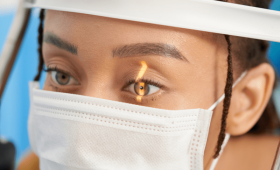
Strabismus is a condition where the parallelism between both eyes is disrupted, causing the eyes to look in different directions. In a normal visual process, both eyes focus on the same point, and the brain combines these two images to create a single three-dimensional image. However, in the case of strabismus, while one eye looks straight, the other may shift inward, outward, upward, or downward. The main cause of this condition is an imbalance between the six muscles that move the eyeball. If one of the muscles is stronger or weaker than the others, it leads to a loss of coordination. Genetic factors, complications during pregnancy, difficult births, or high-fever illnesses during childhood can play a major role in the development of strabismus. If not diagnosed early, the brain begins to ignore the image coming from the misaligned eye, which can lead to permanent lazy eye.
What Are The Main Causes Of Strabismus?
Many different factors are involved in the emergence of strabismus. At the top of the most common causes are damage to the nerves that control the eye muscles or structural defects in these muscles. In children, refractive errors such as high hyperopia usually lay the groundwork for strabismus; the child twists their eyes excessively inward while trying to focus. In adults, strabismus usually develops suddenly due to trauma, head injuries, diabetes, high blood pressure, or neurological diseases. In addition, tumors or vascular disorders affecting the visual center in the brain can also disrupt eye coordination. A family history of strabismus is a factor that increases the risk for newborns. Although it appears with a different mechanism in every age group, the fundamental problem is always the loss of synchronization of the ocular muscles.
What Are The Symptoms Of Eye Misalignment?
The most obvious symptom of eye misalignment is that the person’s eyes are not at the same level during their gaze. However, symptoms may not always be this clear. Occasional shifts that become more prominent especially in cases of fatigue, stress, or illness can draw attention. The person may experience loss of depth perception, difficulty climbing stairs, or inability to accurately estimate the distance of objects. In children, sensitivity to light, a tendency to look by closing one eye, or keeping the head constantly tilted in one direction (head position) can be heralds of strabismus. In adults, double vision (diplopia), eye strain, severe headaches, and the mixing of letters during reading are among the most frequently reported complaints. The disruption of visual comfort significantly reduces the quality of life of the person.
Why Is Early Diagnosis In Babies Important?
The occasional shifting of the eyes in infancy can be considered normal until the first six months because muscle control has not yet fully developed. However, any kind of shift that continues after the sixth month must be examined by a specialist doctor. Early diagnosis is the most critical factor determining the success of strabismus treatment. Since babies cannot express their complaints, the observational power of parents is very important. The baby’s tracking of toys, reactions to light, and the position of the pupils in photographs should be carefully examined. Strabismus detected in the early period can be corrected without the need for surgery with simple glasses use or occlusion therapy. In late cases, both aesthetic problems and vision loss become more permanent, making treatment more difficult.
What Are The Types Of Strabismus In Adults?
Strabismus seen in adulthood is generally divided into two categories: those coming from childhood and untreated, or those acquired later. Acquired strabismus is usually the result of a systemic disease or a physical trauma. In adults, “paralytic strabismus,” which are tables formed by temporary or permanent paralysis of the nerves governing the eye muscles, are frequently seen. In addition to this, there are also patients who have had surgery in the past but whose misalignment recurred years later. Strabismus in adults is not only an aesthetic problem but also a cause of serious social phobia and loss of self-confidence. It creates psychological effects such as avoiding eye contact with people and having difficulty in professional life and social relationships. Thanks to modern surgical techniques, very successful results can be obtained in adulthood as well.
What Are The Details About Esotropia?
Esotropia is a condition where one or both eyes shift inward, that is, toward the root of the nose. This type, also known as “inward strabismus” among the public, is the most common type of strabismus in children. It can be seen congenitally (infantile) in some babies and usually requires surgical intervention within the first six months. Another type, accommodative esotropia, usually appears at the age of 2-3 when the child forces their eyes inward while trying to see clearly due to hyperopia. In this case, the use of glasses can usually completely correct the shift. When esotropia is not treated, the image coming from the shifting eye is suppressed by the brain, and this rapidly leads to lazy eye (amblyopia). The treatment plan is determined specifically for the individual according to the degree of misalignment and the presence of refractive error.
What Are Exotropia And Its Features?
Exotropia is the outward shifting of an eye, that is, toward the ear. It generally becomes more prominent when looking at a distance or during moments of distraction. Bright sunlight is one of the triggers of exotropia; these patients usually feel the need to close one eye when they go outside. Exotropia may initially be “intermittent,” meaning occasional. As long as the person can control themselves, the eyes stay straight, but control is lost with fatigue and the eye shifts outward. Over time, this control mechanism weakens and the shift becomes permanent. Exotropia treatment aims both to correct the visual axis and to preserve the ability of single vision with both eyes, which we call binocular vision. Surgery is generally the most effective way preferred to balance the pulling force of the muscles.
How Are Vertical Eye Shifts Treated?
Vertical shifts (hypertropia or hypotropia) are conditions where one of the eyes is higher or lower than the other. They are seen more rarely than horizontal shifts, but their treatment and diagnosis processes are more complex. They usually originate from defects in the superior or inferior oblique muscles. People with vertical strabismus tend to tilt their heads toward one shoulder to prevent double vision. This situation can cause hardening of the neck muscles and posture disorders over time. The aim of treatment is both to bring the eyes to the same horizontal level and to correct the person’s head position. Vertical shifts usually require surgical intervention, and surgery planning is built on very sensitive measurements.
How Is Pseudo-Strabismus Differentiation Made?
Especially in babies, an impression as if the eyes are shifting inward may occur due to the wide root of the nose or the presence of excessive skin folds in the inner part of the eyelids. This is called “pseudostrabismus” or false strabismus. This condition is not a real muscle imbalance, but only an optical illusion. As the baby grows and the nasal bone develops, this appearance disappears. However, it is not possible to understand whether it is false or real without an examination by a specialist doctor. An eye doctor can easily make the distinction with the light reflection test (Hirschberg test). Pseudo-strabismus does not require treatment, but neglecting a real strabismus under this name can lead to serious vision loss. Therefore, examination is mandatory for every suspicion.
What Is The Relationship Between Refractive Errors And Strabismus?
Focusing errors in the eyes are one of the biggest triggers of strabismus. Especially hyperopia causes the eye to exert excessive effort to see near (accommodation), and during this, the eye muscles are pulled inward. Myopia, on the other hand, can sometimes trigger outward shifts. Irregular focusings such as astigmatism can also lay the groundwork for shifting by making it difficult for the brain to combine the image. In many children, the use of glasses with the correct number can completely eliminate the shift by lightening the load on the eye muscles. In such types of strabismus, a fully equipped glasses examination must be performed before surgery, and the patient should be given a period to adapt. If the shift does not improve completely even with glasses, surgical options start to come to the fore.
How Is Lazy Eye Risk Prevented?
The most dangerous complication of strabismus is lazy eye. Since the brain cannot combine the different images coming from both eyes, it shuts down the signal coming from the shifting eye to prevent confusion. This situation causes the visual center of that eye not to develop. Lazy eye should generally be treated during childhood, that is, before visual development is completed (first 7-8 years). Even if strabismus surgery aligns the eyes, surgery alone may not treat lazy eye. Therefore, occlusion therapy (closing the strong eye and making the weak eye work) before or after surgery is of vital importance. The treatment of lazy eye at an adult age is much more difficult, which is why there is a race against time against vision loss due to strabismus.
What Are Strabismus Examination Methods?
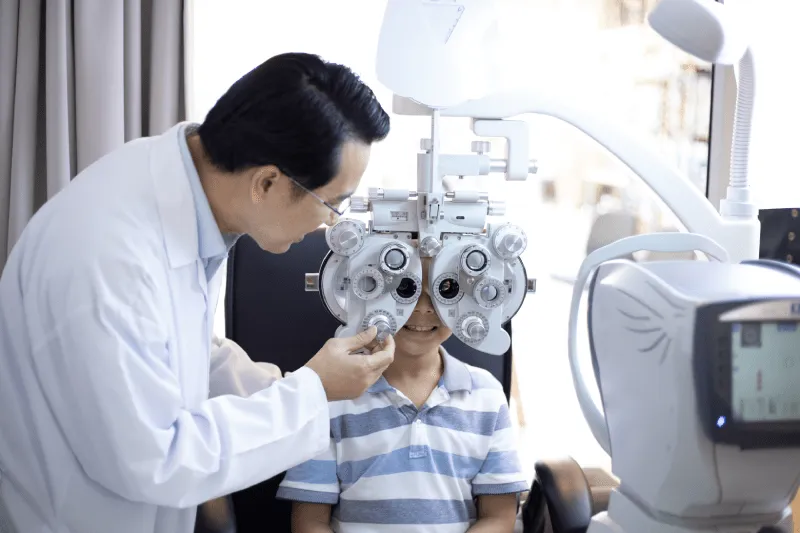
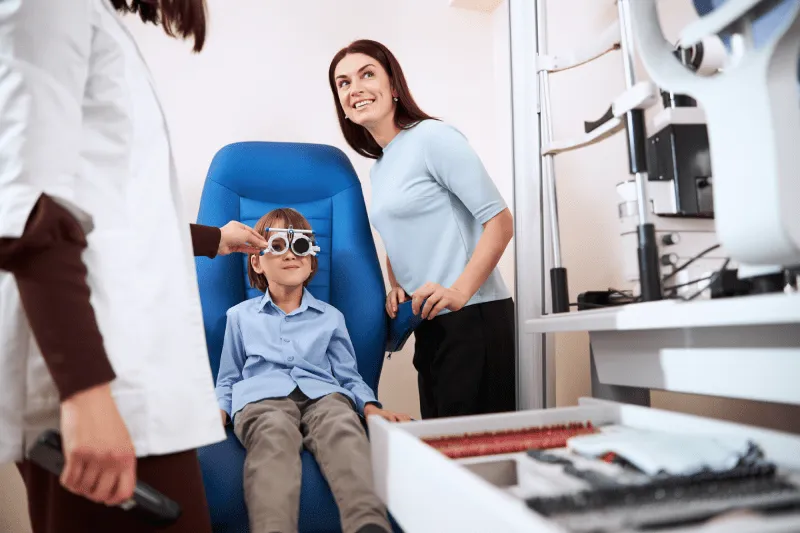
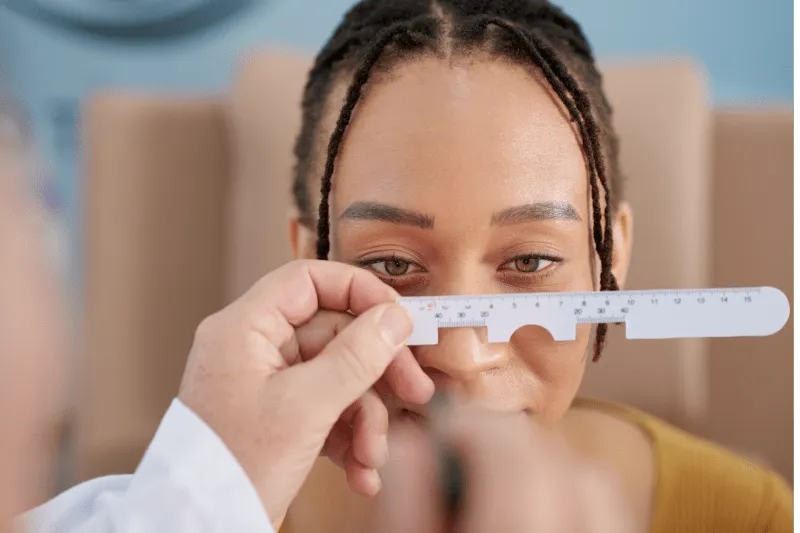
A strabismus examination is much more detailed than a standard eye examination. The doctor first examines the mobility of the eyes in all directions. The type and amount of misalignment are determined with “cover-uncover” tests. The degree of misalignment (prism diopter) is measured using prism bars. These measurements form the basis for surgery planning. In addition, the patient’s depth perception (stereopsis) and the ability to use both eyes simultaneously are tested. The back of the eye (retina) is checked with drops and hidden refractive errors are detected. The patient’s head position, facial symmetry, and double vision complaints are also taken into consideration. In the light of all these data, it is decided whether the treatment will be carried out with glasses, exercises, or surgery.
How Is Computerized Eye Measurement Performed?
Computerized autorefractometer devices used in modern ophthalmology detect refractive errors in the eye within seconds. However, in strabismus patients, especially in children, these devices can sometimes be misleading because the adaptation power of the eye muscles is very high. Therefore, measurements performed using drops that temporarily paralyze the eye muscles, called “cycloplegic examination,” are taken as a basis. Computerized mapping systems also examine the structure of the cornea. Before strabismus surgery, digital measurements guide the surgeon to calculate how many millimeters the muscle to be operated on will be recessed or shortened. The combination of technology and specialist physician experience increases surgical success rates to over 90%.
What Do Muscle Balance Tests Do?
The synchronization of the muscles that move the eye with each other is measured with special tests. Using methods such as the Hess screen test or the Synoptophore device, it is distinguished whether the muscles are paralyzed or just weak. These tests are very valuable in understanding the cause of strabismus that develops later, especially in adults. When muscle imbalance is detected, it becomes clear which muscle needs surgery. In some cases, intervention in one eye is sufficient, while in some cases, the muscles in both eyes need to be balanced. During surgery, the surgeon changes the attachment point of the muscle based on these test results. Muscle balance provides not only looking straight aesthetically but also ensures that the eyes work in harmony like a team.
How Does The Treatment Process With Glasses Work?
The first step in strabismus treatment is often not surgery, but optical correction. Especially in the case we call accommodative esotropia, it is possible for the eyes to become parallel only with appropriate hyperopia glasses. Glasses stop the inward shift reflex by reducing the eye’s focusing effort. In some cases, bifocal glasses or prismatic lenses may also be preferred. After starting the treatment with glasses, the patient needs to be checked at certain intervals. If the glasses control the shift completely, surgery is not necessary. However, if a significant shift continues even with glasses, surgical intervention is planned to correct this remaining shift. Treatment with glasses also directly positively affects the child’s school success and visual development.
What Are Orthoptic Treatment Options?
Orthoptic treatment can be defined as a kind of “eye gymnastics.” With the help of special devices and exercises, the ability of both eyes to focus at the same time and the fusion (combining) capacity are tried to be increased. This method is very effective especially in cases called “convergence insufficiency,” where the eyes have difficulty coming inward while looking near. Orthoptic treatment does not correct large strabismus on its own, but it is a great supporter for preparing the muscles before surgery or reinforcing permanent success after surgery. The patient’s visual perception quality is increased with computer-based programs and home assignments. This treatment process requires patience and the patient’s compliance is the key to success. In modern clinics, these exercises are presented in the form of interactive games.
Is Strabismus Treatment Possible With Botox?
Botulinum toxin (Botox) application can be used as an alternative or auxiliary method to surgery in strabismus treatment. It is especially preferred in strabismus due to some nerve paralyses or in small shifts remaining after surgery. Botox allows the opposing muscle to strengthen and the eye to come to the center by temporarily paralyzing the over-contracted muscle. Its effect usually lasts 4-6 months, but if the brain is enabled to develop the ability to keep the eyes straight (fusion) during this period, permanent improvement can be seen. The application takes quite a short time and can be done with drops under local anesthesia. Botox is a reliable option in patients who are hesitant about surgery or who have systemic diseases not suitable for surgery.
What Is The Role Of Prismatic Glasses?
Prismatic lenses change the direction of light, carrying the image to the place where the shifting eye is looking. Thus, the brain can combine two different images and double vision (diplopi) disappears. Prisms are generally used in small-angle shifts or in adult patients who cannot be operated on. In addition, temporary prisms (Fresnel prisms) can also be used before surgery to test whether the patient’s double vision will improve or not. Prisms do not physically heal strabismus, but they make the patient’s daily life comfortable by controlling the symptoms. Although it has a disadvantage such as one side of the lens being thicker aesthetically, it is preferred by many patients because of the visual clarity it provides.
How Is The Decision For Surgical Intervention Made?
The decision for strabismus surgery is made as a result of a series of measurements and observations made by the specialist doctor. If treatments such as glasses, occlusion, or exercise are insufficient to correct the shift, surgery becomes inevitable. The aim of surgery is not just an aesthetic correction; it is also to regain depth perception and ensure the eyes work together. In children, it is recommended to complete the surgery especially before social development and school age begins. In adults, social self-confidence and functional visual quality are the main goals of surgery. Surgery is planned when the amount of misalignment becomes stable and there is a clear angle that does not improve with glasses. The success chance and risks for each patient are evaluated in detail beforehand.
What Are Surgical Techniques And Approaches?
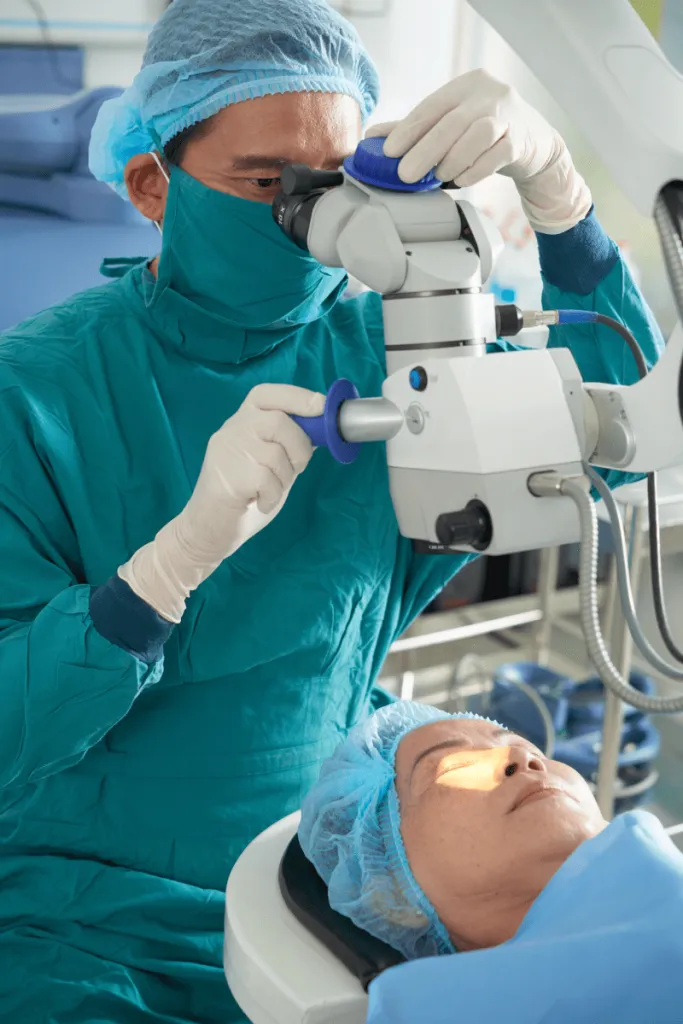
Strabismus surgeries are basically performed by intervening in the muscles on the outer surface of the eyeball. The inside of the eye is not entered, so the risk of vision loss is extremely low. The surgeon uses different techniques to adjust the pulling force of the muscles. The most common methods are “recession” and “resection” techniques. In some cases, the working direction of the muscle can also be changed by changing the attachment point of the muscle (transposition). Surgery time usually varies between 30 and 60 minutes and is determined according to the number of muscles intervened. Thanks to advanced surgical microscopes and very thin sutures (stitches), the healing process is quite fast. The operation is usually preferred under general anesthesia for the patient’s comfort.
How Are Muscle Recession Surgeries Applied?
The recession technique is used to weaken the effect of an overworking or very strong muscle. The surgeon detaches the muscle from where it is attached and sews it to a new point further back, which has been previously calculated millimetrically. Thus, the force of the muscle to pull the eyeball in that direction is reduced. For example, by performing recession in a muscle that pulls the eye too much inward, the eye is ensured to come to the center. This technique is one of the cornerstones of strabismus surgery. The dose of the intervention made is based on the prismatic measurements made before surgery. It takes a few weeks for the muscle to fuse to its new place after surgery, and the parallelism of the eye is monitored by the doctor during this process.
When Are Muscle Resection Procedures Preferred?
The resection technique is applied to increase the pulling power of a weak muscle. The surgeon cuts and removes a part of the muscle and sews the muscle back to its original attachment point. When the muscle is shortened, it becomes tighter and pulls the eye more strongly in its own direction. It is usually performed in combination with recession surgery. For example, if an eye is shifting outward (exotropia), the weak inner muscle is shortened while the outer muscle is recessed. This dual intervention gives more effective and permanent results in providing balance. The vitality and blood supply of the muscle tissue are preserved by the surgeon during this process. The healing process of the shortened muscle is similar to recession, and the stitches melt on their own.
What Is The Adjustable Suture Technique?
Especially for adult patients and complex cases who have had strabismus surgery before, the “adjustable suture” technique provides a great advantage. In this method, the muscles are attached with temporary stitches during surgery. A few hours after surgery or the next day, while the patient is awake and eye coordination is active, a small adjustment is made. If a slight shift remains in the eyes, the position of the stitches is moved and the eyes are fully centered. This process is carried out painlessly under local anesthesia. Adjustable sutures are an advanced surgical approach that guarantees the success of the surgery and minimizes the risk of revision surgery. Specialist surgeons in Istanbul are successfully applying this technique.
What Are The Preparations For Surgery Day?
On the day of surgery, everything is planned in advance for the patient and their family to go through the process calmly. Surgery is usually a daily procedure. The patient is asked to stay hungry for at least 6-8 hours before surgery. After the hospitalization is made, final checks are performed by nurses and the anesthesiologist. Relaxing syrups can be given for children. Before entering the operating room, the surgeon can confirm the misalignment measurements for the last time. During surgery, the patient’s pulse, oxygen level, and general condition are constantly monitored by the anesthesia team. Modern hospital environments have all the technological infrastructure and comfort necessary for the patient to feel safe. The waking process after surgery also takes place accompanied by experienced personnel.
How Does The Anesthesia And Surgical Process Proceed?
Strabismus surgery in children is invariably performed under general anesthesia. This both allows the surgeon to work comfortably and prevents the child from experiencing trauma. In adults, local anesthesia or sedation can also be preferred according to the type of shift and the patient’s preference. In the surgical process, small incisions are opened only in the white part of the eye (conjunctiva). After the procedure is finished, these incisions are closed with very thin threads that melt on their own. The eye is usually not closed after surgery or is only bandaged for a few hours. The surgery itself is not a painful procedure, but it is normal to have a stinging or sandy feeling in the eye after surgery. These complaints are taken under control in a short time with drops to be prescribed by the doctor.
What Should Be Done On The First Day After Surgery?
After surgery, the patient is usually discharged within a few hours. It is an expected situation to see a slight redness, watering, and swelling in the eye. On the first day, it is recommended for the patient to rest and not to tire their eyes too much. Double vision may continue for a few days immediately after surgery (especially in adults) until the brain gets used to the new position; this is usually temporary. The use of antibiotic and edema-relieving drops given by the doctor is started immediately. Not rubbing the eye and keeping it clean is of vital importance against the risk of infection. Most patients can return to their daily indoor activities the day after surgery. Although the first day’s redness looks scary, the pain level is usually very low.
How Should The Recovery Period Care Be?
Full recovery after strabismus surgery usually takes 4 to 6 weeks. In this process, the redness in the eye gradually decreases and the stitches fall off on their own. The patient needs to stay away from the pool, sea, or dusty environments for the first few weeks. One should wait at least two weeks to do eye makeup. Heavy sports and activities with a risk of impact should be avoided. Regular use of drops speeds up tissue healing and prevents scar formation. The control schedule determined by the doctor (usually 1st week, 1st month, and 6th month) must be strictly followed. If the patient has suddenly increasing pain, severe burring, or vision loss, a doctor should be consulted without losing time.
What Is The Surgical Success Rate In Children?
The success rate in childhood strabismus surgeries is quite high. In cases intervened early, both aesthetic improvement and functional visual development (three-dimensional vision) are provided. Since the muscle structure can change depending on the growth process in some children, secondary small interventions may be required in the following years; however, this does not mean that the first surgery was unsuccessful. Continuing occlusion therapy after surgery is critical to increase visual acuity. Support from families and not skipping doctor checks ensures the continuity of success. The fact that children get rid of this problem before school starts dramatically increases their social adaptation and self-confidence.
What Are Aesthetic And Functional Gains In Adults?
Adult strabismus surgery is not just for aesthetic purposes, contrary to popular belief. Many patients get rid of double vision after surgery and have a wider field of view. Aesthetic improvement, on the other hand, creates a revolution in the patient’s social life. Being able to establish eye contact with people comfortably, feeling more self-confident in job interviews, and not being afraid of taking photos increases the quality of life. Since no stitch marks are left with modern surgical methods, the white of the eye maintains its natural appearance. Although the fact that the muscles have hardened or previous surgery marks in adults makes the process a bit more sensitive, results are pleasing in expert hands. Strabismus is a treatable condition at any age and it is never too late.
Why Should Strabismus Surgery In Istanbul Be Preferred?
Istanbul has become one of the most important centers for eye surgery worldwide. The city is home to both well-established university hospitals and ultra-modern private hospitals specialized only in the eye. Surgeons in Istanbul catch high success even in the most complex strabismus types with their experience of thousands of cases. The technological infrastructure is at the same level as the standards in Europe and America; in fact, even more advanced devices are used in many clinics. In addition, the accommodation and transportation facilities offered by Istanbul make the process effortless for patients coming from abroad. The services provided within the scope of health tourism include professional support at every stage from the patient’s entry into the hospital to their discharge.
What Are Strabismus Surgery Price Details?
Strabismus surgery prices can vary depending on many variables. The number of eyes to be operated on, the number of muscles to be intervened, and the complexity of the shift are the main elements determining the cost. In addition, the preferred anesthesia method (general or local) and the duration of stay in the hospital also affect the price. Strabismus surgery prices in Turkey start from the 2300€ band. This price is well below the costs in Europe and America, considering the high service quality and specialist surgeon experience. Pricing is usually presented in the form of packages that include not only the surgery but also the preliminary examination, necessary tests, and the first check. A transparent price policy helps patients plan their budgets in advance.
How Much Are Treatment Costs In Istanbul?
The cost advantage of being treated in Istanbul is not limited only to the surgery fee. Living costs, medicine prices, and side services in the city are also more affordable compared to other metropolises. For patients coming from abroad, “all-inclusive” packages offer both an economical and comfortable option. These packages usually combine airport transfer, accommodation, and hospital expenses. The competitive health market in Istanbul ensures that hospitals offer more affordable prices without sacrificing quality. This world-standard treatment reached with prices starting from 2300€ constitutes a great value for patients. Treatment costs are clarified by the physician after the examination according to the scope of the procedure.
How Is Health Tourism Done With Cure Holiday?
Cure Holiday is one of the most reliable and professional intermediary institutions in the field of health tourism in Turkey. In a sensitive process such as strabismus surgery, it acts as a bridge that allows patients to reach the best surgeons and modern hospitals. The treatment process with Cure Holiday starts with the free consultancy the patient makes before leaving their home. Your medical file is examined by experts and a customized treatment plan is created for you. The institution provides interpreter support so that patients do not experience language barriers and organizes the entire process on your behalf. Health tourism is meticulously planned in every detail so that you can experience it not just as a treatment process but also in the comfort of a holiday.
What Does Cure Holiday Service Quality Cover?
When you choose to be treated with Cure Holiday, you buy not only a medical service but also a VIP experience. Strabismus treatment packages offered with advantageous prices starting from 2300€ include services such as accommodation in comfortable hotels, airport and hospital transfers with private VIP vehicles. The surgeons the institution is contracted with are names who have international certificates in their field and have signed thousands of successful operations. The post-treatment care and follow-up process are also closely monitored by the Cure Holiday team. The satisfaction and recovery of patients are the top priority goals. Having a consultant who will support you at every moment of the process completely eliminates the concern of being treated abroad.
What Are The Advantages Of Strabismus Surgery In Turkey?
The biggest advantage of being treated in Turkey is that high success rates are offered at accessible prices. Our country, which is home to some of the best eye clinics in the world, offers fast appointment opportunities without waiting lists. Spending the recovery period after strabismus surgery by discovering the historical and cultural beauties of Istanbul becomes a source of morale for patients. Being accessible with short flights from Europe, the Middle East, and Central Asia thanks to its geographical location is a great convenience. The fact that the medical staff closely follows the world literature and applies the newest technologies has made Turkey a global base in eye health. You can use these advantages in the most professional way with Cure Holiday.
Contact Cure Holiday?
Cure Holiday is as close as a phone call to say goodbye to the strabismus problem and to look at the world more clearly and more confidently. You can contact the expert team to get a free preliminary evaluation and learn your personalized treatment costs. Being healed in Istanbul with attractive prices starting from 2300€ will be the best investment for both your health and your budget. Experience the peace of working with a professional team that is with you at every stage in this important step that increases your quality of life. Do not worry about the shift in your eyes; make a new start with our expert surgeons and Cure Holiday quality. Take a step today and start planning your treatment process immediately.
Free Consultation
Fill out the form below to get your free medical travel plan and price quote.
Sources and how to verify this yourself
- Ministry of Health, Regulation on International Health Tourism and Tourist Health, Official Gazette 26 April 2025, No. 32882 — authorisation requirement for facilities and intermediaries, TÜSKA accreditation, compulsory complication insurance (deadline 31 December 2025 for insurance, 31 December 2026 for accreditation). source
- Ministry of Health, Regulation on Promotion and Information Activities in Health Services, Official Gazette 12 November 2025, No. 33075 — treatment promises and guarantees are prohibited; price and campaign announcements are permitted only within international health tourism. source