Cost and planning note (Mommy Makeover 2026)
The figures below are indicative market ranges, not a quote: your own price is confirmed after a clinical assessment.
Indicative price range: Standard Package: 4,500 – 7,500 USD | Advanced Combination: 8,000 – 12,000 USD | Tummy Tuck: 3,000 – 5,000 USD | Breast Lift: 2,500 – 4,500 USD | Liposuction Per Area: 500 – 1,500 USD | Bbl Fat Transfer: 3,500 – 5,500 USD
Facility standards: In Türkiye, any facility treating international patients must hold the Ministry of Health’s international health tourism authorisation; hospitals and medical centres must also be accredited by TÜSKA, and complication insurance is compulsory for procedures carried out in an operating theatre (Regulation of 26 April 2025).
Recovery Focus: Post-pregnancy body restoration & safety first.
Currency: GBP, EUR, USD accepted.
The Cost of Revision Surgery: Why Doing it Right the First Time in Turkey Saves Money
The Economic Fallacy of the Budget Surgery: Why Precision Precludes Revision
In the realm of reconstructive plastic surgery, specifically within the “Mommy Makeover” landscape, there exists a dangerous economic fallacy: the belief that the lowest initial price point equates to the highest value. For patients seeking post-pregnancy restoration, the true cost of surgery is not merely the surgeon’s fee or the hospital stay; it is the long-term cost of surgical success versus the catastrophic financial and physical burden of revision surgery.
Revision surgery—the process of correcting a failed aesthetic or functional outcome—is significantly more complex, expensive, and traumatic than the primary procedure. It involves navigating established scar tissue, managing compromised vascularity, and often requires more extensive surgical time. To avoid this, the global medical community has looked toward Turkey, not merely for cost-effective alternatives, but for a standardized, high-precision surgical model that prioritizes anatomical integrity from the first incision.
The Anatomical Foundation: Addressing Diastasis Recti and Abdominal Integrity
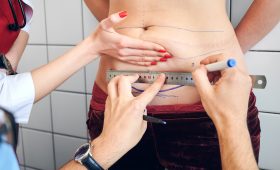
A successful abdominal restoration requires more than the removal of excess skin; it requires the structural reconstruction of the abdominal wall. One of the most common-yet-overlooked components of post-pregnancy restoration is the repair of Diastasis Recti. This condition, characterized by the separation of the rectus abdominis muscles during pregnancy, cannot be resolved through simple skin excision.
At the highest level of surgical excellence, Diastasis Recti repair involves internal corset suturing of the abdominal fascia. This technique utilizes deep, tension-resisting sutures to pull the separated muscle bellies back to the midline, effectively recreating the “natural corset” of the abdomen. When this is performed with precision, it provides the structural tension necessary to support the results of a Tummy Tuck.
Patients must also understand that “Tummy Tuck” is not a monolithic procedure. Depending on the degree of skin laxity and fat distribution, surgeons utilize different approaches:
- Mini Abdominoplasty: Focused on the lower abdomen, ideal for patients with minimal vertical skin laxity.
- Full Abdominoplasty: Addressing both the upper and lower abdominal quadrants.
- Extended (360) Tummy Tuck: A comprehensive circumferential approach that includes the flanks, essential for patients undergoing simultaneous liposuction.
Investing in an Extended (360) approach during the primary procedure is a strategic move to prevent the need for future flank contouring, a common driver of revision costs.
Advanced Contouring: The Integration of Vaser Technology and Fat Transfer
The modern Mommy Makeover has evolved from simple excision to advanced tissue sculpting. The primary driver of this evolution is Vaser Liposuction. Unlike traditional blunt-cannula liposultion, Vaser technology uses ultrasound energy to selectively emulsify only the adipose (fat) tissue, leaving nerves, blood vessels, and connective tissue intact. This allows for high-definition contouring with minimal bruising and significantly reduced downtime.
This precision is particularly vital when paired with BBL (Brazilian Butt Lift) fat transfer. The success of a fat transfer is entirely dependent on the quality of the harvested donor fat. By using Vaser technology, surgeons can harvest highly concentrated, viable adipocytes. The cost for BBL fat transfer typically ranges between 3,500 USD – 5,500 USD, a component that, when integrated into a larger plan, provides the anatomical volume necessary to complement a reconstructed abdomen.
The Financial Calculus: Comparing Primary vs. Revision Costs
To understand why Turkey serves as the global hub for these procedures, one must analyze the transparent pricing structures that allow for “Advanced Combination” surgeries. The goal is to execute a single, comprehensive procedure that addresses all anatomical deficits simultaneously, thereby eliminating the need for secondary interventions.
Consider the following breakdown of standardized, high-quality surgical packages:
Standard Post-Pregnancy Package: 4,500 USD – 7,500 USD (Typically encompassing foundational abdominal and breast work).
Advanced Combination (The Comprehensive Mommy Makeover): 8,000 USD – 12,000 USD (Integrating Tummy Tuck, Breast Lift, and Liposuction).
When we isolate specific procedures, the value of the “combination” becomes evident. For instance, a Tummy Tuck alone ranges from 3,000 USD – 5,000 USD, while a Breast Lift ranges from 2,500 USD – 4,500 USD. If a patient seeks these as separate, disconnected procedures in different regions, the cumulative costs of travel, recovery, and anesthesia will far exceed the 8,000 USD – 12,000 USD investment in a single, Turkish-based advanced package.
Furthermore, localized contouring via liposuction per area (ranging from 500 USD – 1,500 USD) can be seamlessly integrated into the primary surgical plan. The “cost” of a cheap, poorly executed surgery in a localized market is the inevitable need to pay for these exact services a second time, often at a much higher premium due to the complexities of repairing damaged tissue.
Safety Benchmarks and Clinical Excellence
The decision to undergo surgery in Turkey is supported by rigorous adherence to international safety standards. A critical component of surgical success is the biocompatibility of the materials used. For breast augmentation or lift, the use of JCI-approved implants—specifically brands such as Mentor, Motiva, or Polytech—is non-negotiable. These implants are engineered to minimize capsular contracture, the leading cause of breast revision surgery.
The logistical infrastructure in Turkey is designed to facilitate this period of intense recovery, ensuring that the patient is never far from professional monitoring. The protocol typically includes:
- Post-Operative Recovery: A mandatory 7-10 days in Turkey for clinical observation, followed by a 6 weeks period before a full return to strenuous exercise.
- Premium Logistics: Utilization of Istanbul (IST) or Antalya (AYT) airports with VIP private transfers directly to the clinic.
- Convalescence: Accommodation in 5-star recovery suites, often including a companion stay to ensure post-surgical monitoring and comfort.
- Pre-Surgical Precision: Access to free online video assessments with board-certified plastic surgeons, allowing for a detailed surgical roadmap before the patient ever leaves home.
By prioritizing the “Advanced Combination” model, patients are not merely purchasing a cosmetic change; they are investing in a single, high-precision surgical event designed to withstand the test of time, thereby insulating themselves from the escalating costs of surgical error.
The High Price of Error: The Economic Reality of Revision Surgery
In the realm of aesthetic medicine, there is a profound difference between a primary procedure and a revision. While the allure of “budget” cosmetic surgeries in various global hubs can be tempting, the clinical reality is often far more expensive. Revision surgery—the process of correcting a previous surgical outcome—is inherently more complex, technically demanding, and costly than the initial procedure. This complexity arises because the surgeon is not working with pristine, undisturbed tissue, but rather with scarred, fibrotic, and structurally altered anatomy.
When a patient seeks a revision, they are often attempting to rectify complications such as asymmetric breast implants, significant scarring, or inadequate contouring. From a financial perspective, the “savings” found in an initial low-cost procedure often evaporate when the patient must pay for a second, more intensive surgical intervention. In Turkey, the medical strategy shifts from “budget primary surgery” to “comprehensive anatomical reconstruction,” ensuring that the patient’s first and only surgery is the one that lasts.
“The most expensive surgery is the one you have to pay for twice. True value in medical tourism is found in surgical precision and the strategic use of combination procedures that address all aesthetic concerns in a single, definitive session.”
Case Study: Reconstructing Confidence for a Mother of Three
To understand the profound impact of a correctly executed combination surgery, consider the journey of a 34-year-old Irish mother of three. Having undergone a primary abdominoplasty in a different region years prior, she presented with persistent issues: a visible bulge in the midline of her abdomen, known as Diastasis Recti, and a loss of upper pole volume in her breasts following significant weight fluctuations.
The patient’s initial concern was not merely aesthetic but structural. The previous surgery had failed to address the separation of the rectus abdominis muscles. Her goal was a total body transformation that would harmonize her silhouette. By opting for an advanced combination procedure in Turkey, she avoided the fragmented, piecemeal approach common in her home country. Instead of scheduling three separate surgeries over eighteen months, she underwent a single, meticulously planned session that addressed the abdominal wall, breast volume, and hip contouring simultaneously.
The Technical Mastery of the Combination Surgery
The success of a revision or a complex primary transformation lies in the integration of advanced technologies. For a patient like our Irish case study, the surgical plan involved several high-precision components:
- Diastasis Recti Repair: This is not merely a skin tightening procedure. It involves the deep, internal corset suturing of the abdominal fascia. By reapproximating the separated muscle layers, the surgeon restores the structural integrity of the core, creating a flat, stable foundation.
- Vaser Liposuction: To refine the flanks and hips, Vaser technology is utilized. Unlike traditional liposuction, this ultrasound-assisted method uses low-frequency vibrations to emulsify fat cells with extreme precision. This allows for high-definition contouring while minimizing trauma to surrounding tissues and significantly reducing post-operative bruising.
- Breast Augmentation & Lift: Depending on the patient’s existing tissue, the surgeon utilizes JCI-approved implants from premium manufacturers, including Motiva, Mentor, or Polytech. These implants are selected for their biocompatibility and anatomical profile.
- Tummy Tuck Options: Depending on the level of skin laxity, the surgeon may perform a Full, Mini, or Extended (360) abdominoplasty to ensure all excess tissue is addressed.
The Financial Logic: Why Comprehensive Packages Save Money
The mathematics of surgical transformation favor the “all-in-one” approach. When patients attempt to “build” a transformation through multiple separate surgeries, they incur multiple costs for anesthesia, hospital fees, surgeon fees, and recovery time. In Turkey, the economies of scale allow for advanced combination packages that are significantly more cost-effective than individual procedures.
Consider the following breakdown of costs for a comprehensive transformation:
- Standard Package (Basic contouring): 4,500 – 7,500 USD
- Advanced Combination (The “Mommy Makeover” approach): 8,000 – 12,000 USD
- Individual Tummy Tuck: 3,000 – 5,000 USD
- Individual Breast Lift: 2,500 – 4,500 USD
- Liposuction (per specific area): 500 – 1,500 USD
- BBL (Fat Transfer): 3,500 – 5,500 USD
By investing in an advanced combination package, a patient can achieve a full-body rejuvenation for a price that often covers only the cost of a single, standalone tummy tuck and breast lift in many Western healthcare systems. This prevents the “hidden costs” of revision surgery, such as the need for additional consultations, repeated travel, and the high surgical fees associated with repairing failed aesthetics.
Safety Standards and the Patient Journey
The hallmark of a premium surgical experience in Turkey is the adherence to JCI (Joint Commission International) safety standards. This ensures that the clinical environment, sterilization protocols, and surgical precision meet the highest global benchmarks. The patient journey is designed to be seamless, moving from initial digital assessment to a luxury recovery experience.
The logistical framework is built around patient comfort and safety:
- Consultations: The process begins with free online video assessments with board-certified plastic surgeons, allowing for a detailed analysis of medical history and aesthetic goals before any travel occurs.
- Arrival & Logistics: Upon arrival at Istanbul (IST) or Antalya (AYT), patients are met by VIP private transfers that escort them directly to their clinic and accommodation.
- Recovery Environment: Post-operative care is hosted in 5-star recovery suites. These facilities are designed for healing, with companion stays included to ensure the patient has support during the critical first days of recuperation.
- The Recovery Timeline: While the patient remains in Turkey for 7-10 days for close monitoring and follow-up, the clinical expectation for a return to full physical activity is approximately 6 weeks.
By focusing on the intersection of advanced surgical technology—such as the internal corset suturing and Vaser Lipo—and a robust, all-inclusive logistical model, patients can avoid the financial and physical pitfalls of revision surgery, achieving a permanent, high-definition transformation on the first attempt.
The true cost of plastic surgery is rarely found solely on an initial invoice. When patients opt for “budget” alternatives that bypass rigorous surgical standards, they often incur the “Revision Tax”—a secondary, much more expensive cycle of corrective surgeries, prolonged recovery, and complex scarring management. Revision surgery is significantly more technically demanding than primary procedures due to the presence of existing scar tissue, altered anatomical planes, and the increased difficulty of achieving precise contouring. To avoid this, the strategic approach involves investing in high-specification surgical technologies and a robust post-operative logistical framework in Turkey, ensuring the aesthetic outcome is permanent and the recovery is seamless.
The 2026 Economic Landscape: Turkey vs. UK/USA
When analyzing the financial implications of surgical excellence, the disparity between Western healthcare costs and Turkish medical tourism becomes stark. In the UK and USA, the cost of a single major procedure often exceeds the price of a comprehensive, multi-stage surgical package in Turkey. By leveraging the economies of scale, patients can access advanced surgical techniques that would be financially prohibitive in their home countries.
For 2026, the cost breakdown for premium surgical packages in Turkey remains highly competitive, allowing for the inclusion of high-end recovery logistics within a single budget:
- Standard Surgical Package: 4,500 – 7,500 USD (Ideal for single-area enhancements)
- Advanced Combination Package: 8,000 – 12,000 USD (Comprehensive body contouring, e.g., Lipo + BBL)
- Tummy Tuck (Abdominoplasty): 3,000 – 5,000 USD
- Breast Lift (Mastopexy): 2,500 – 4,500 USD
- Liposuction (Per Area): 500 – 1,500 USD
- BBL (Fat Transfer): 3,500 – 5,500 USD
Choosing a premium package does not merely cover the surgical fee; it subsidizes the high-tier aftercare and specialized technologies that prevent the need for costly future revisions.
Precision Engineering: Minimizing the Need for Revision
The primary driver of revision surgery is suboptimal surgical technique or the use of inferior materials. To achieve a “right first time” result, modern Turkish clinics utilize specific, high-precision technologies that address the underlying structural issues of the body, rather than just surface-level aesthetics.
For patients seeking abdominal reconstruction, the focus is on Diastasis Recti repair. This is not a simple skin tightening; it involves the internal corset suturing of the abdominal fascia. By re-approximating the separated rectus abdominis muscles, surgeons create a stable, structural foundation that prevents the “bulging” effect often seen in low-quality abdominoplasties. Depending on the degree of skin laxity and muscle separation, patients may choose from Full, Mini, or Extended (3360) Tummy Tuck options.
In terms of fat removal and contouring, the use of Vaser Liposuction is critical. Unlike traditional cannula-based suction, Vaser uses ultrasonic energy to selectively emulsify adipose tissue. This allows for high-definition contouring with minimal bruising and less trauma to the surrounding subcutaneous structures, significantly reducing the inflammatory response and the risk of irregular contour deformities.
Furthermore, the longevity of breast augmentations depends heavily on the biocompatibility of the implants. To ensure safety and minimize the risk of capsular contracture, only JCI-approved implants are utilized, specifically brands such as Mentor, Motiva, or Polytech. These high-specification implants are designed to mimic the natural movement of breast tissue while maintaining structural integrity over decades.
“The goal of modern reconstructive surgery is to minimize tissue trauma and maximize structural stability. When we utilize advanced techniques like internal fascia suturing and ultrasonic emulsification, we are not just changing an appearance; we are engineering a result that is biologically prepared for long-term stability.”
The Luxury of Recovery: Post-Operative Aftercare and Logistics
A successful surgery is only half the battle; the period immediately following the procedure determines the quality of the final scar and the stability of the surgical result. The logistics of recovery in Turkey are designed to alleviate the physiological stress of post-op healing, which is essential for preventing complications.
The recovery protocol typically follows a structured timeline. Patients are encouraged to remain in Turkey for a 7-10 day recovery window. This period is vital for monitoring for any signs of hematoma, seroma, or infection, and for ensuring that the initial swelling (edema) begins to subside before the rigors of long-haul flight are endured. While the surgical site is healing, the full return to strenuous exercise is generally recommended at 6 weeks post-operatively.
To facilitate this, the post-operative experience is centered around 5-star recovery suites. These are not merely hotels, but specialized environments where companion stays are included. This is a critical logistical advantage; having a trusted person present to assist with mobility and medication management during the first 72 hours is a key component of risk mitigation.
The logistical seamlessness extends from the moment of arrival. Utilizing Istanbul (IST) or Antalya (AYT) as primary hubs, patients are met with VIP private transfers that transport them directly from the airport to their clinic or recovery suite. This minimizes physical exertion and reduces the risk of post-operative fatigue or lymphatic disruption.
Strategic Planning: Fly-Home Timelines and Personal Logistics
Preparing for a transformative procedure requires more than just medical readiness; it requires meticulous life planning. For many patients, the primary concerns involve managing childcare, professional obligations, and the physical constraints of international travel.
The complexity of these arrangements can be mitigated through early-stage engagement. Cure Holiday specialists facilitate free online video assessments with board-certified plastic surgeons well before any travel occurs. These assessments allow patients to discuss the technical specifics of their procedure—such as whether they require an Extended Tummy Tuck or a specific implant profile—and align these clinical needs with their travel itinerary.
When planning the fly-home timeline, patients must account for the 6-week period of restricted movement. This involves organizing domestic support systems, such as childcare or domestic assistance, to ensure that the physical demands of daily life do not compromise the integrity of the surgical incisions or the internal suturing. By integrating these logistical considerations into the initial surgical plan, patients can focus entirely on the biological process of healing, ensuring that the investment made in Turkey delivers a lifetime of confidence without the need for costly, corrective interventions.
Considering a Mommy Makeover in Turkey? Get a Free Quote for your The Cost of Revision Surgery Transformation with cureholiday.com
Free Consultation
Fill out the form below to get your free medical travel plan and price quote.
Sources and how to verify this yourself
- Ministry of Health, Regulation on International Health Tourism and Tourist Health, Official Gazette 26 April 2025, No. 32882 — authorisation requirement for facilities and intermediaries, TÜSKA accreditation, compulsory complication insurance (deadline 31 December 2025 for insurance, 31 December 2026 for accreditation). source
- Ministry of Health, Regulation on Promotion and Information Activities in Health Services, Official Gazette 12 November 2025, No. 33075 — treatment promises and guarantees are prohibited; price and campaign announcements are permitted only within international health tourism. source