Cost and planning note (Mommy Makeover 2026)
The figures below are indicative market ranges, not a quote: your own price is confirmed after a clinical assessment.
Indicative price range: Standard Package: 4,500 – 7,500 USD | Advanced Combination: 8,000 – 12,000 USD | Tummy Tuck: 3,000 – 5,000 USD | Breast Lift: 2,500 – 4,500 USD | Liposuction Per Area: 500 – 1,500 USD | Bbl Fat Transfer: 3,500 – 5,500 USD
Facility standards: In Türkiye, any facility treating international patients must hold the Ministry of Health’s international health tourism authorisation; hospitals and medical centres must also be accredited by TÜSKA, and complication insurance is compulsory for procedures carried out in an operating theatre (Regulation of 26 April 2025).
Recovery Focus: Post-pregnancy body restoration & safety first.
Currency: GBP, EUR, USD accepted.
The First Night in a Turkish Hospital: Managing Drains and Discomfort
The Immediate Post-Operative Reality: Navigating Your First 24 Hours
The transition from the operating theater to the recovery suite is often the most psychologically significant period of a Mommy Makeover. For many patients, the “first night” in a Turkish medical facility is characterized by a blend of profound relief and the sensory processing of surgical aftereffects. This period is not merely about rest; it is a critical window for clinical monitoring, where the precision of the surgical technique meets the rigor of post-operative nursing care.
In Turkey, the standard of care in specialized plastic surgery hospitals is designed to mitigate the “shock” of surgery. Upon waking from anesthesia, you will likely find yourself in a highly controlled environment, often within a private recovery wing of a premier hospital in cities like Istanbul or Antalya. The focus during these first few hours is on hemodynamic stability—ensuring your blood pressure, heart rate, and oxygen saturation are optimal—and managing the localized inflammatory response to the surgical trauma.
“The first night is less about managing acute pain and more about managing the physiological transition. The goal of the clinical team is to stabilize the surgical site, monitor drain output, and ensure the integrity of the internal repairs.”
Managing Surgical Drains and Fluid Dynamics
A common source of anxiety for patients undergoing a Tummy Tuck (Abdominoplasty) or a large-scale Liposuction is the presence of surgical drains. These tubes are essential components of the post-operative period, particularly in Full, Mini, or Extended (3lev 360) tummy tuck procedures. Their primary function is to prevent the formation of a seroma—a pocket of fluid that can collect between the skin flap and the underlying abdominal muscle.
During your first night, nursing staff will meticulously document the volume and characteristics of the drainage. If you have undergone a Diastasis Recti repair, which involves the technical, internal corset-like suturing of the abdominal fascia to close the separation of the rectus abdominis muscles, the drains serve as a vital safeguard. They ensure that the tension applied to the internal sutures is not compromised by fluid accumulation, which could otherwise jeopardize the structural repair.
While the presence of drains can feel cumbersome, they are a hallmark of a high-standard surgical approach. Along with the drains, you will likely be fitted with medical-grade compression garments. These garments provide the necessary external pressure to reduce edema (swelling) and support the newly contoured abdominal wall and breast tissue.
The Precision of Tissue Contouring: Vaser Lipo and Breast Reconstruction
If your Mommy Makeover included Vaser Liposuction, your first night may involve a different type of discomfort—specifically, a sensation of tightness or “fullness” in the treated areas. Vaser technology uses ultrasound energy to emulsify fat cells before aspiration, allowing for high-definition contouring with significantly less trauma to the surrounding capillaries. This technical precision is why patients often experience minimal bruising compared to traditional methods.
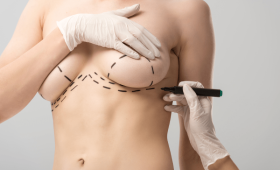
In cases where a Breast Lift (Mastopexy) was performed alongside abdominal work, the management of breast swelling is equally critical. The choice of implant is a cornerstone of the procedure’s long-term success. Turkish surgeons utilize only internationally recognized, JCI-approved brands, such as Mentor, Motiva, or Polytech. During the first night, the clinical focus is on ensuring that the submuscular or subglandular placement of these implants is stable and that the skin envelope is healing without excessive tension.
The Economics of Excellence: Why Turkey Defines the Global Standard
The reason Turkey has emerged as the global hub for complex restorative surgeries like the Mommy Makeover is the unique convergence of advanced technical expertise and logistical efficiency. The ability to access high-tier medical technology—such as Vaser Liposuction and advanced Diastasis Recti repair—at a fraction of Western costs allows for more comprehensive “combination” surgeries.
The financial accessibility of these procedures is a significant driver for international patients. Consider the following approximate cost structures for restorative procedures in Turkey:
- Standard Package (e.g., Tummy Tuck and Breast Lift): 4,500 – 7,500 USD
- Advanced Combination (e.g., Tummy Tuck, Breast Lift, and Liposuction): 8,000 – 12,000 USD
- Individual Tummy Tuck (Full, Mini, or 360): 3,000 – 5,000 USD
- Breast Lift (Mastopexy): 2,500 – 4,500 USD
- Liposuction (per targeted area): 500 – 1,500 USD
- BBL (Brazilian Butt Lift) with Fat Transfer: 3,500 – 5,500 USD
This price disparity does not represent a reduction in quality, but rather an optimization of resources. The healthcare infrastructure in Turkey is designed to provide a seamless “medical tourism” experience, where the surgical cost is balanced by highly efficient logistics.
Logistics and the Path to Full Recovery
The surgical journey begins long before you land at Istanbul (IST) or Antalya (AYT). Through free online video assessments with board-certified plastic surgeons, the surgical plan is solidified, ensuring that the patient’s expectations align with the technical possibilities of the procedure. Once on the ground, the transition from hospital to recovery is handled via VIP private transfers, ensuring minimal physical exertion for the patient.
Following the initial 24-to-48-hour hospital observation, patients are typically transferred to 5-star recovery suites, which often include a companion stay included in the package. This allows for a period of supervised convalescence in a luxury setting, which is essential for managing the inflammatory phase of healing.
The recovery timeline is structured and predictable:
- Hospital Stay: 7-10 days in Turkey for monitoring and initial wound care.
- Initial Healing: Gradual reduction of swelling and drain removal within the first week.
- Physical Milestone: 6 weeks for a return to full, unrestricted exercise.
By focusing on the technical integrity of the surgery—from the internal suturing of the fascia to the use of premium implants—and combining it with world-class post-operative logistics, Turkey provides a foundational environment for successful post-pregnancy restoration.
The Post-Operative Transition: A Case Study in Complex Reconstruction
For Siobhán, a 34-year-old mother of three from Ireland, the decision to undergo a multi-component aesthetic reconstruction was driven by the physiological changes following three pregnancies. Her journey began not in a clinical theatre, but through a free online video assessment with board-certified plastic surgeons, allowing for a remote evaluation of her abdominal laxity and mammary ptosis. Siobhán’s procedure was an advanced combination surgery, an intricate orchestration of liposuction, breast augmentation, and abdominoplasty, with a total investment ranging between 8,000 – 12,000 USD.
The complexity of Siobhán’s case required more than simple skin excision. To address her post-pregnancy abdominal wall separation, the surgical team performed a Diastasis Recti repair. This technical maneuver involves internal corset suturing of the abdominal fascia, essentially re-approximating the rectus abdominis muscles to restore structural integrity to the midsection. This was coupled with Vaser Liposuction applied to the flanks and hips; this ultrasound-assisted technology allows for high-definition contouring by emulsifying the subcutaneous adipose tissue with minimal trauma to surrounding blood vessels, which is critical for minimizing the bruising Siobhán feared.
The First Night: Navigating the Immediate Post-Operative Phase
The period immediately following the conclusion of surgery—the first 12 to 24 hours—is the most critical phase of the patient journey. As the effects of general anesthesia begin to wane, the patient transitions from the operating theatre to a high-acuity recovery ward. This phase is characterized by the management of surgical drains and the monitoring of hemodynamic stability, all conducted under strict JCI (Joint Commission International) safety standards.
For patients like Siobhán, the primary physical sensation during the first night is the presence of surgical drains (often Jackson-Pratt drains). These tubes are essential in multi-area surgeries to prevent the accumulation of serosanguinous fluid—a mixture of blood and serum—in the “dead space” created between the skin and the underlying muscle. While the sensation of the drains can be intrusive, they are a vital safeguard against seromas (fluid pockets) and hematomas (blood collections) that could compromise the surgical result.
The nursing protocols in JCI-accredited Turkish facilities focus on three pillars during this first night:
- Analgesic Management: Implementing a multi-modal pain management strategy, combining intravenous non-opioid analgesics with localized nerve blocks to ensure the patient remains comfortable enough to perform deep-breathing exercises.
- Drain Output Monitoring: Precise measurement of fluid volume and color to ensure no internal hemorrhaging is occurring.
- Vascular Assessment: Monitoring perfusion in the extremities, particularly important after BBL fat transfer (which typically costs between 3,500 – 5,500 USD) to ensure the transferred fat cells are receiving adequate blood supply.
Technical Precision in Combination Procedures
The efficacy of a transformation depends heavily on the technical specifications of the implants and the surgical techniques utilized. In Siobhán’s case, the breast component of her surgery involved addressing mammary ptosis through a breast lift, paired with augmentation. The surgical team utilized highly regulated, JCI-approved implants, specifically choosing from Mentor, Motiva, or Polytech brands, depending on the desired projection and tissue coverage. The choice of a breast lift (ranging from 2,500 – 4,500 USD) combined with augmentation requires precise management of the inframammary fold to ensure long-term aesthetic stability.
Furthermore, the “tummy tuck” aspect of her surgery was an Extended (360) abdominoplasty. Unlike a Mini tummy tuck (often found in simpler 3,000 – 5,000 USD packages), the 360 approach allows the surgeon to address the flanks and the lateral abdominal walls, providing a seamless transition from the front to the sides of the torso. This is particularly effective when paired with liposuction per area (ranging from 500 – 1,500 USD) to refine the waistline.
“The mastery of the ‘internal corset’ through fascial suturing is what separates a standard cosmetic procedure from a true functional reconstruction. It is the difference between simply removing skin and actually rebuilding the abdominal architecture.”
From Clinical Care to Luxury Recovery
Once the initial 24-hour clinical observation period is complete and the patient’s vitals are stabilized, the focus shifts from medical monitoring to convalescence. A hallmark of the Turkish surgical experience is the seamless transition from the hospital to 5-star recovery suites. These suites are designed to accommodate both the patient and a companion, with companion stay included to assist with the management of drains and mobility during the first few days of healing.
The logistics of this transition are handled via VIP private transfers, ensuring that the patient avoids the stress of navigating Istanbul (IST) or Antalya (AYT) transport systems while in a post-operative state. This period of 7-10 days in Turkey is vital for the initial stages of wound healing and for the first follow-up assessment by the surgeon to ensure the surgical site is stable.
While the physical recovery is intensive, the timeline for returning to normal life is predictable. Patients are advised that while the initial period in the recovery suite focuses on wound care and drain management, a full return to exercise takes approximately 6 weeks. During this window, the focus remains on gentle movement to prevent deep vein thrombosis (DVT) while allowing the internal sutures of the Diastasis Recti repair and the newly transferred fat in the BBL to integrate into the host tissue.
Clinical Management: Navigating Drains and Edema
During the first 24 hours, the primary objective of the nursing staff is the management of edema (swelling) and the monitoring of serosanguinous drainage. If your procedure involves significant fat grafting or abdominal reconstruction, you may be fitted with surgical drains, such as Jackson-Pratt drains. These are essential for preventing seroma formation—a buildup of fluid under the skin that can compromise the surgical result.
Patients undergoing a Tummy Tuck (Abdominoplasty) may also experience the sensation of “tightness” due to the internal corset suturing of the abdominal fascia. In cases involving Diastasis Recti repair, the surgeon has physically re-approximated the separated muscle bellies of the rectus abdominis. This internal structural reinforcement is vital for core stability but requires meticulous post-operative care to ensure the fascia heals without tension.
For those undergoing Vaser Liposuction, the focus is on managing the subtle inflammatory response. Unlike traditional liposuction, Vaser technology uses ultrasonic cavitation to emulsify fat cells, which allows for high-definition contouring with significantly minimal bruising. However, the first night still requires monitoring for any localized hematoma or unexpected subcutaneous fluid accumulation.
The Transition: From Clinical Care to 5-Star Recovery
Once the surgical team has cleared you for discharge—typically within the first 24 to 48 hours—the focus shifts from hospital-based clinical monitoring to the post-op villa recovery phase. One of the hallmark advantages of the Turkish medical tourism model is the seamless integration of medical aftercare with luxury hospitality.
The logistics of your recovery are designed to minimize physical exertion. Upon discharge, VIP private transfers are arranged to transport you from the clinic or hospital directly to your recovery suite. These transfers are coordinated to ensure that the structural integrity of your surgical site—particularly after a BBL (Brazilian Butt Lift) where pressure on the gluteal region must be strictly avoided—is maintained during transit.
- Accommodation: Patients typically transition to 5-star recovery suites, which are curated to provide a sterile yet comfortable environment.
- Companion Logistics: A critical component of the Turkish recovery model is the companion stay included in many premium packages. This allows a family member or friend to reside in the suite with you, providing essential assistance with mobility, medication adherence, and wound observation.
- Arrival Logistics: All medical journeys begin with seamless arrivals at Istanbul (IST) or Antalya (AYT) airports, with pre-arranged logistics handling all movement between the airport, the clinic, and your suite.
“The window of 7-10 days in Turkey is a calculated period of intensive aftercare, designed to ensure that the most critical phase of wound healing occurs under the direct supervision of local medical professionals before the patient flies home.”
Technical Specifications of Surgical Excellence
The quality of the long-term aesthetic result is predicated on the biocompatibility of the materials used and the technical methodology applied during the procedure. When undergoing breast augmentation, the choice of implant is paramount. Turkish surgeons predominantly utilize JCI approved implants, specifically Mentor, Motivate, or Polytech, ensuring that the device maintains structural integrity and minimizes the risk of capsular contracture.
Furthermore, the scope of abdominal reconstruction is highly customizable based on the patient’s anatomical needs. Depending on the degree of skin laxity and muscle separation, patients may be offered:
- Mini Abdominoplasty: Targeting the lower abdomen only.
- Full Abdominoplasty: Addressing the entire abdominal region from the pubic area to the rib cage.
- Extended (360) Tummy Tuck: A comprehensive approach that includes the flanks and lateral abdominal walls.
2026 Financial Projections: Global Cost Breakdown
For patients planning their 2026 medical itineraries, understanding the economic advantage of Turkey compared to the UK or USA is vital for budgetary precision. The cost-to-quality ratio in Turkey remains unparalleled, primarily due to the high-volume expertise of the surgeons and the optimized logistics of the recovery packages.
The following breakdown represents the projected 2026 pricing for comprehensive procedures:
| Procedure Type | Estimated Cost (USD) |
|---|---|
| Standard Package (Basic Contour) | 4,500 – 7,500 USD |
| Advanced Combination (Multi-area) | 8,000 – 12,000 USD |
| Tummy Tuck (Full/Extended) | 3,000 – 5,000 USD |
| Breast Lift (Mastopexy) | 2,500 – 4,500 USD |
| Liposuction (Per individual area) | 500 – 1,500 USD |
| BBL (Fat Transfer) | 3,500 – 5,500 USD |
When comparing these figures to the UK or USA, where a single Tummy Tuck can exceed 15,000 USD, the Turkish model provides not only significant savings but includes the logistical infrastructure of 5-star recovery and VIP transfers within the allocated budget.
The Long-Term Timeline: Return to Normalcy
While the immediate post-operative period is managed in Turkey, the recovery trajectory extends far beyond your departure. It is essential to differentiate between clinical healing and functional recovery. While you may be cleared to fly within 7-10 days, the physiological processes of tissue remodeling are ongoing.
Patients must adhere to a strict graduated activity protocol. While light walking is encouraged to prevent Deep Vein Thrombosis (DVT), any form of strenuous physical activity or core-intensive movement is strictly prohibited until the 6 weeks for full exercise return milestone is reached. This period is critical for the stabilization of the internal corset suturing and the permanent integration of fat cells during a BBL.
For patients navigating the complexities of pre-operative planning, Cure Holiday specialists can facilitate free online video assessments with board-certified plastic surgeons. These consultations allow for a detailed review of your medical history and a precise customization of your recovery logistics, ensuring that your transition from the operating theatre to your home country is seamless, safe, and professionally managed.
Considering a Mommy Makeover in Turkey? Get a Free Quote for your The First Night in a Turkish Hospital Transformation with cureholiday.com
Free Consultation
Fill out the form below to get your free medical travel plan and price quote.
Sources and how to verify this yourself
- Joint Commission International, Find accredited international organizations — JCI accredits organisations (not individual surgeons); Türkiye has more than 35 accredited hospitals and the current status of a named hospital can be checked in this directory. source
- Ministry of Health, Regulation on International Health Tourism and Tourist Health, Official Gazette 26 April 2025, No. 32882 — authorisation requirement for facilities and intermediaries, TÜSKA accreditation, compulsory complication insurance (deadline 31 December 2025 for insurance, 31 December 2026 for accreditation). source
- Ministry of Health, Regulation on Promotion and Information Activities in Health Services, Official Gazette 12 November 2025, No. 33075 — treatment promises and guarantees are prohibited; price and campaign announcements are permitted only within international health tourism. source