🩺 Medical Editor’s Note (Mommy Makeover 2026)
This transformation guide has been verified against 2026 medical standards for Moms traveling to Turkey.
Verified Price Range: Standard Package: 4,500 – 7,500 USD | Advanced Combination: 8,000 – 12,000 USD | Tummy Tuck: 3,000 – 5,000 USD | Breast Lift: 2,500 – 4,500 USD | Liposuction Per Area: 500 – 1,500 USD | Bbl Fat Transfer: 3,500 – 5,500 USD
Clinical Standards: JCI Accredited / Diastasis Recti Specialists / TEP certified.
Recovery Focus: Post-pregnancy body restoration & safety first.
Currency: GBP, EUR, USD accepted.
The Evolution of the “Mini” Tummy Tuck: Who is the Ideal Candidate?
The Evolution of the “Mini” Tummy Tuck: Who is the Ideal Candidate?
The pursuit of postpartum body restoration has driven significant advancements in plastic surgery techniques. While the traditional tummy tuck (abdominoplasty) remains a cornerstone of “Mommy Makeover” procedures, the “mini” tummy tuck – or limited abdominoplasty – has emerged as a compelling alternative for a carefully selected patient demographic. This pillar delves into the nuances of this increasingly popular procedure, specifically within the framework of post-pregnancy restoration, emphasizing safety benchmarks and exploring the reasons why Turkey has become a leading global destination for comprehensive maternal aesthetic surgery.
Understanding the Physiological Changes Postpartum
Pregnancy induces profound physiological changes in the abdominal wall. Beyond the visible distension, the rectus abdominis muscles – the “six-pack” muscles – can separate, a condition known as diastasis recti. This separation isn’t merely aesthetic; it compromises core strength and can contribute to lower back pain. Simultaneously, skin elasticity decreases due to hormonal fluctuations and stretching. A ‘mini’ tuck isn’t a solution for significant skin excess or full muscle repair. It’s specifically designed for patients with mild to moderate skin laxity *below* the umbilicus and minimal muscle separation. Pre-operative assessment utilizing the Delancey classification for diastasis recti is crucial. A gap of less than 2.5 cm generally indicates a candidate suitable for the mini-procedure, as more substantial separations necessitate a full abdominoplasty with plication of the linea alba via internal corset suturing, as highlighted in our technical specs.
The Mini Tummy Tuck: A Technical Overview
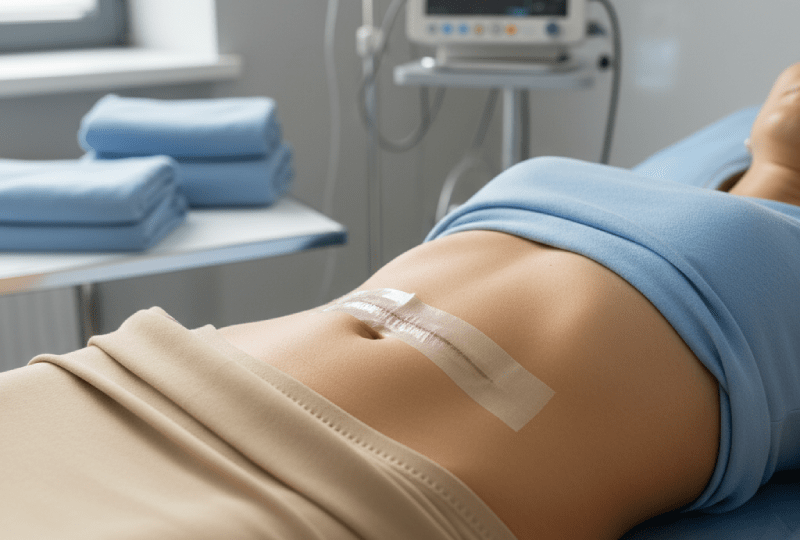
Unlike the standard abdominoplasty, the mini tummy tuck involves a shorter incision – typically ranging from 10-15 cm – positioned low in the suprapubic region, following the bikini line. This limited incision allows access for tightening of the lower abdominal tissues. Crucially, the umbilicus (belly button) is *not* repositioned in a mini tuck, which differentiates it from the full procedure. The surgeon tunnels beneath the skin to tighten the rectus abdominis fascia, addressing mild muscle laxity, and removes excess skin and fat. This is often combined with Vaser Liposuction, a technique detailed in our technical specs, to refine the abdominal contour and achieve a more sculpted appearance. The benefits include a smaller scar, reduced operative time, and potentially faster recovery. However, it’s essential to understand its limitations. Patients with significant suprapubic bulge, excess skin above the umbilicus, or pronounced diastasis recti will not achieve satisfactory results with this technique.
Safety Benchmarks & Patient Selection Criteria
Patient safety is paramount. Thorough pre-operative evaluation includes a comprehensive medical history, physical examination, and assessment of coagulation parameters. Individuals with a Body Mass Index (BMI) exceeding 30 may be considered higher risk and are typically advised to achieve a healthier weight before undergoing any abdominoplasty procedure. Active smokers must abstain from smoking for at least six weeks prior to surgery to minimize the risk of wound healing complications. Furthermore, realistic expectations are critical. The mini tummy tuck aims for improvement, not perfection, and patients must understand the limitations of the procedure. Postoperative care protocols, including compression garments and activity restrictions, must be strictly adhered to, contributing to optimal healing and minimizing complications such as seroma (fluid accumulation) or wound dehiscence. Consideration of the patient’s skin quality is vital. Patients with compromised skin elasticity, often due to age or sun damage, may experience suboptimal results and require adjunctive procedures like skin resurfacing.
The Rise of Turkey as a Mommy Makeover Hub
Turkey has rapidly established itself as a global leader in medical tourism, particularly for complex procedures like Mommy Makeovers. Several factors contribute to this phenomenon. Firstly, the cost-effectiveness is significant. A standard package for a Mommy Makeover in Turkey, encompassing a tummy tuck and breast augmentation, ranges from 4,500 – 7,500 USD, as per our costs data. An advanced combination involving additional procedures like liposuction or a Brazilian Butt Lift (BBL) can range from 8,000 – 12,000 USD. Secondly, the quality of medical care is exceptionally high. Hospitals and surgical facilities often boast JCI (Joint Commission International) accreditation, ensuring adherence to rigorous international standards. Critically, surgeons are frequently board-certified and possess extensive experience in performing these complex procedures. The availability of high-quality breast implants, including Mentor, Motiva, and Polytech – all listed in our technical specs – further enhances the appeal.
However, the logistical aspects also play a significant role. We offer seamless travel arrangements, including convenient access via Istanbul (IST) or Antalya (AYT) airports, luxurious accommodation in 5-star recovery suites with companion stay included, and VIP private transfers from the airport to the clinic, as outlined in our logistics details. Furthermore, prospective patients benefit from free online video assessments with board-certified plastic surgeons, allowing for personalized consultations and accurate procedure planning. Post-operative care is meticulously monitored, with a typical hospital stay of 7-10 days followed by continued support and guidance. A full return to exercise is typically advised after approximately 6 weeks, as noted in our technical specs.
Beyond the Mini Tuck: Complementary Procedures
The mini tummy tuck is frequently combined with other procedures to achieve a more comprehensive Mommy Makeover. A breast lift (mastopexy), costing approximately 2,500 – 4,500 USD (according to our costs), addresses ptosis (sagging) and restores a more youthful breast shape. Liposuction, with a per-area cost of 500 – 1,500 USD, can further refine the waistline and eliminate stubborn fat deposits. For patients seeking additional volume and contouring, a Brazilian Butt Lift (BBL) with fat transfer, costing 3,500 – 5,500 USD, can provide aesthetically pleasing results. The key is individualized treatment planning, tailored to the patient’s specific needs and anatomy. Careful consideration must be given to potential complications associated with combined procedures, and a meticulous surgical approach is essential.
Ultimately, the evolution of the “mini” tummy tuck reflects a growing demand for less invasive, targeted aesthetic solutions. By understanding the ideal candidate profile, prioritizing patient safety, and leveraging the benefits of medical tourism destinations like Turkey, individuals can embark on a transformative journey toward postpartum body restoration with confidence.
The Evolution of the “Mini” Tummy Tuck: Who is the Ideal Candidate?
The pursuit of abdominal contouring has evolved significantly, moving beyond traditional abdominoplasty techniques. While the full tummy tuck remains a cornerstone procedure for extensive skin and muscle laxity, the “mini” tummy tuck – or inferior abdominoplasty – has gained popularity. This article delves into the nuances of this refined surgical approach, outlining the ideal patient profile, the combined surgical possibilities, a detailed procedural breakdown, and the stringent safety standards adhered to during the patient journey.
Understanding the Mini Abdominoplasty
The mini tummy tuck addresses concerns specifically located *below* the umbilicus (navel). Unlike a traditional abdominoplasty which requires a circumumbilical incision and repositioning of the belly button, the mini tuck utilizes a shorter incision, typically hip-to-hip, allowing for the removal of excess skin and tightening of the lower abdominal wall without disturbing the umbilicus. This makes it particularly attractive for patients with localized abdominal redundancy and good skin elasticity above the navel. However, it’s crucial to understand its limitations; the mini tummy tuck is not designed for significant muscle repair or upper abdominal skin excess.
Often, the ideal candidate presents with mild to moderate skin laxity in the lower abdomen, frequently following pregnancy or weight fluctuations. Crucially, they typically do *not* have significant diastasis recti – the separation of the rectus abdominis muscles. When diastasis recti is present, even a mini tuck will require concomitant repair. This repair involves meticulous internal corset suturing of the abdominal fascia, often using a multi-layered technique to restore the linea alba’s integrity and achieve a flatter, more toned abdominal profile. Failure to address diastasis recti can lead to suboptimal results and potential long-term discomfort.
The Rise of Combination Surgery: Optimizing the Aesthetic Outcome
Modern aesthetic surgery frequently involves combining procedures to maximize results and minimize patient downtime. The mini tummy tuck lends itself exceptionally well to several synergistic combinations. A common request is pairing it with liposuction, particularly utilizing Vaser Liposuction. This ultrasound-assisted liposuction allows for highly precise contouring, selectively removing stubborn fat deposits from the flanks and lower abdomen, resulting in a sculpted silhouette with minimal bruising. The cost for liposuction per area ranges from 500 – 1,500 USD, and is often incorporated into an ‘advanced combination’ package.
For patients seeking more comprehensive rejuvenation, combining a mini tummy tuck with a breast lift (mastopexy) is increasingly popular. Postpartum changes often affect both the breasts and abdomen, making this a logical and aesthetically pleasing combination. Breast implants, should the patient desire augmentation alongside the lift, are sourced exclusively from JCI-approved manufacturers such as Mentor, Motiva, or Polytech, ensuring adherence to the highest quality and safety standards. The cost of a breast lift typically falls between 2,500 – 4,500 USD.
Another powerful combination is the mini tummy tuck integrated with a Brazilian Butt Lift (BBL) with fat transfer. This procedure allows for the removal of excess fat from the abdomen and flanks via liposuction, followed by the purification and transfer of that fat to the gluteal region, enhancing volume and shape. This offers a natural-looking augmentation without the need for implants, and the fat transfer further complements the abdominal contouring achieved by the mini tummy tuck. The BBL fat transfer cost is approximately 3,500 – 5,500 USD. These advanced combination surgeries typically range from 8,000 – 12,000 USD depending on the extent of each procedure.
A Step-by-Step Look at the Combined Mini Tummy Tuck & Liposuction Procedure
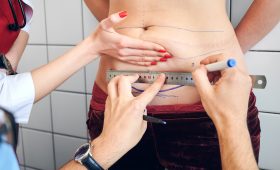
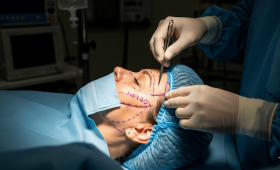
- Anesthesia & Marking: General anesthesia is administered, and the patient is positioned supine. Precise surgical markings are made, outlining the incision line for the mini tummy tuck and the areas targeted for liposuction.
- Liposuction Phase: Vaser Liposuction is performed to sculpt the flanks and lower abdomen, removing unwanted fat and defining the waistline. Tumescent fluid is injected to minimize bleeding and facilitate fat removal.
- Incision & Skin Flap Elevation: A low-lying, horizontal incision is made. The skin and subcutaneous tissue are carefully elevated as a flap, exposing the underlying abdominal fascia.
- Fascial Repair (if indicated): If diastasis recti is present, the separated rectus abdominis muscles are meticulously brought together and plicated using strong, absorbable sutures, effectively tightening the abdominal wall.
- Skin Excision & Closure: Excess skin is removed, and the remaining skin is draped and secured. The incision is closed in layers using absorbable sutures beneath the skin, minimizing visible scarring.
- Drainage & Compression: Drainage tubes are placed to prevent fluid accumulation. A compression garment is applied to minimize swelling and support the healing process.
Ensuring Patient Safety: Adherence to JCI Standards
Patient safety is paramount. All procedures are performed in facilities adhering to rigorous Joint Commission International (JCI) standards. This encompasses comprehensive pre-operative assessments, including detailed medical history reviews and bloodwork, to identify and mitigate potential risks. The surgical teams consist of highly experienced, board-certified plastic surgeons with extensive training in abdominoplasty and related procedures.
Post-operatively, patients typically remain in 5-star recovery suites for 7-10 days, with attentive nursing care and pain management protocols. The recovery suites include accommodation for a companion, providing crucial emotional support. All transfers, from the Istanbul (IST) or Antalya (AYT) airport to the facility and back, are conducted via VIP private transfers. Full return to exercise is generally approved after approximately 6 weeks, following a gradual rehabilitation plan. The standard package for a mini tummy tuck alone ranges from 3,000 – 5,000 USD, while a comprehensive package including accommodation and transfers typically falls between 4,500 – 7,500 USD.
It’s important to note that the suitability for a mini tummy tuck versus a full or extended abdominoplasty (360) is determined during the free online video assessment with a board-certified plastic surgeon. This assessment allows for a personalized evaluation of the patient’s anatomy, skin elasticity, and aesthetic goals, ensuring the most appropriate surgical plan is recommended.
Navigating Post-Operative Recovery in Turkey Following a Mini Abdominoplasty
The “mini” abdominoplasty, or mini tummy tuck, is gaining popularity as a less invasive solution for patients with localized excess skin and fat in the lower abdomen, often resulting from pregnancy, weight fluctuations, or the natural aging process. While the surgical procedure itself is shorter and presents a typically less demanding recovery than a full abdominoplasty, meticulous planning of the post-operative period – particularly when undertaken abroad – is paramount. This section details the logistical and aftercare components for patients electing to recover in Turkey following a mini tummy tuck, with specific attention to timelines, childcare considerations, and a projected cost breakdown for 2026. We focus on optimizing comfort, minimizing complications, and ensuring a smooth transition back to everyday life.
Initial Post-Operative Phase (Days 1-3): Villa Confinement & Wound Care
The immediate post-operative period, spanning the first 72 hours, is crucial for establishing proper healing and managing discomfort. Patients recovering from a mini tummy tuck in Turkey will typically be accommodated in dedicated recovery villas, offering a significantly more private and comfortable environment than a standard hotel room. These suites are designed with post-surgical needs in mind, including adjustable beds, readily accessible bathroom facilities, and often, a private kitchenette.
Wound care, guided by the surgeon’s specific instructions, involves meticulous cleaning with prescribed antiseptic solutions and application of sterile dressings. Compression garments, integral to reducing swelling and shaping the abdominal contour, must be worn consistently, generally for 23 hours a day during the initial weeks. A seroma, a collection of fluid under the skin, is a potential complication. The surgeon will likely place temporary drains during the procedure, which are removed after a few days, based on the volume of drainage. Patients are educated on recognizing signs of infection – increasing pain, redness, swelling, or purulent discharge – and instructed to report these immediately.
Pain management utilizes a multimodal approach, typically involving a combination of oral analgesics, including non-steroidal anti-inflammatory drugs (NSAIDs) and, potentially, short-term opioid use. The goal is effective pain control while minimizing opioid-related side effects. Gentle ambulation is encouraged from day one to promote circulation and prevent deep vein thrombosis (DVT), although strenuous activity is strictly prohibited.
Mid-Phase Recovery (Days 4-10): Mobilization & Early Rehabilitation
As pain subsides, patients can gradually increase their mobility. While still requiring assistance for certain movements, the emphasis shifts to gentle range-of-motion exercises, designed to prevent stiffness and promote lymphatic drainage. These exercises are guided by a physiotherapist, often available for in-villa sessions. Diastasis Recti, the separation of abdominal muscles, is often addressed concurrently with a mini tummy tuck. The procedure involves an internal corset suturing of the abdominal fascia, reinforcing the linea alba. Post-operative exercises are tailored to strengthen these repaired muscles safely.
Nutrition plays a vital role in the healing process. A diet rich in protein, vitamins, and minerals supports tissue repair and reduces inflammation. Adequate hydration is also essential. Patients are advised to avoid constipation, as straining can put undue pressure on the surgical site.
Fly-Home Timeline & Considerations
Generally, patients undergoing a mini tummy tuck in Turkey are cleared to fly home between 7-10 days post-operatively. However, this timeline is subject to individual healing progress and the surgeon’s assessment. Factors influencing the decision include the extent of the procedure, the presence of any complications, and the patient’s overall health.
Long-haul flights necessitate specific precautions. Compression stockings are essential to prevent DVT. Patients are encouraged to walk around the cabin frequently and remain well-hydrated. Comfortable, loose-fitting clothing is recommended. A post-operative support pillow can provide cushioning during travel.
Childcare Logistics
For patients with young children, meticulous childcare planning is critical. The initial 6 weeks following surgery require significant assistance with lifting, bending, and other physically demanding tasks. It’s essential to arrange for dedicated childcare support, whether from a partner, family member, or professional caregiver, for at least the first two weeks upon return home. Even after two weeks, restrictions on lifting more than 5kg will remain for a further period.
Patients should be realistic about their limitations and avoid overexertion. Engaging in activities that strain the abdominal muscles, such as playing with young children or carrying groceries, should be avoided until fully cleared by their surgeon.
Cost Breakdown for 2026 (Estimated)
The cost of a mini tummy tuck in Turkey, coupled with recovery amenities, can be significantly lower than in the UK or USA. The following figures are projected estimates for 2026, subject to fluctuations in exchange rates and individual surgical requirements:
- Standard Package (Mini Tummy Tuck + Recovery Villa + Transfers): 4,500 – 7,500 USD
- Advanced Combination (Mini Tummy Tuck + Vaser Liposuction per area: 8,000 – 12,000 USD (Liposuction costs approximately 500 – 1,500 USD per area)
- Standalone Mini Tummy Tuck: 3,000 – 5,000 USD
- Optional Add-ons:
- Breast Lift: 2,500 – 4,500 USD
- Brazilian Butt Lift (BBL) with Fat Transfer: 3,500 – 5,500 USD
These costs typically include pre-operative consultations (free online video assessments with board-certified plastic surgeons), hospital fees, surgeon’s fees, accommodation in a 5-star recovery suite with companion stay, VIP private airport transfers, and basic post-operative medication. It’s important to note that these estimates do *not* include airfare, travel insurance, or follow-up care upon return to the patient’s home country.
Technical Note: Surgeons are increasingly utilizing Vaser Liposuction for targeted fat removal prior to the tummy tuck, facilitating high-definition contouring with minimal bruising. Breast implants, when combined with the procedure, utilize JCI-approved brands such as Mentor, Motiva, or Polytech, ensuring adherence to international safety standards.
Full exercise return is typically approved around the 6-week mark post-operation, contingent on individual healing and surgeon’s clearance. The availability of various tummy tuck options – Full, Mini, or Extended (360) – allows for tailored surgical plans based on patient anatomy and aesthetic goals.
Considering a Mommy Makeover in Turkey? Get a Free Quote for your The Evolution of the “Mini” Tummy Tuck Transformation with cureholiday.com
Free Consultation
Fill out the form below to get your free medical travel plan and price quote.