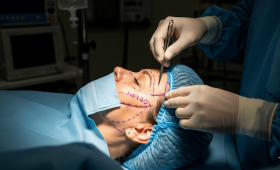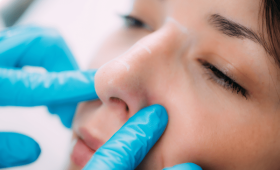
Cost and planning note (Mommy Makeover 2026)
The figures below are indicative market ranges, not a quote: your own price is confirmed after a clinical assessment.
Indicative price range: Standard Package: 4,500 – 7,500 USD | Advanced Combination: 8,000 – 12,000 USD | Tummy Tuck: 3,000 – 5,000 USD | Breast Lift: 2,500 – 4,500 USD | Liposuction Per Area: 500 – 1,500 USD | Bbl Fat Transfer: 3,500 – 5,500 USD
Facility standards: In Türkiye, any facility treating international patients must hold the Ministry of Health’s international health tourism authorisation; hospitals and medical centres must also be accredited by TÜSKA, and complication insurance is compulsory for procedures carried out in an operating theatre (Regulation of 26 April 2025).
Recovery Focus: Post-pregnancy body restoration & safety first.
Currency: GBP, EUR, USD accepted.
The Importance of Staying Hydrated on your Return Flight from Turkey
Structural Reconstitution: The Science of Diastasis Recti Repair
Post-pregnancy physical changes often extend beyond the surface of the dermis, reaching into the fundamental structural integrity of the abdominal wall. One of the most persistent challenges for postpartum patients is Diastasis Recti—the physiological separation of the rectus abdominis muscles. This condition occurs when the linea alba, the connective tissue running down the center of the abdomen, becomes attenuated and stretched due to the intense intra-abdominal pressure exerted during gestation.
Unlike superficial aesthetic procedures, a medically-driven restoration focuses on the internal stabilization of this separation. The surgical protocol for Diastasis Recti repair involves internal corset suturing of the abdominal fascia. By utilizing high-tensile, absorbable or non-absorbable sutures to re-approximate the tensioned edges of the muscle, surgeons effectively reconstruct the “internal corset.” This not only restores a flatter abdominal profile but also reinforces the core’s structural stability, preventing future herniation and improving the patient’s overall postural biomechanics.
Advanced Abdominoplasty: Tailoring the Silhouette
When addressing significant skin laxity and subcutaneous adipose tissue accumulation, the choice of abdominoplasty (tummy tuck) is determined by the extent of the morphological changes. Turkey has emerged as a global leader in this field, offering a spectrum of surgical approaches tailored to the individual’s anatomical needs:
- Mini-Abdominoplasty: Indicated for patients with localized laxity strictly in the infraumbilical (lower) region, requiring a smaller incision and less invasive tissue excision.
- Full Abdominoplasty: A comprehensive procedure involving a larger transverse incision to address both upper and lower abdominal skin redundancy and muscle repair.
- Extended (360) Abdominoplasty: The most sophisticated approach, designed for patients requiring circumferential contouring, addressing the flanks and lateral abdominal walls to ensure a seamless, anatomical transition.
To augment the results of these procedures, many patients opt for Vaser Liposuction, which is used for high-definition contouring with minimal bruising. This ultrasonic technology utilizes low-frequency vibrations to emulsify targeted fat cells, allowing for precise sculpting of the lateral abdominal walls and flanks without the trauma associated with traditional mechanical liposuction.
Mastopexy and Volumetric Restoration
Post-lactation, the mammary glands often undergo significant volume loss and ptosis (sagging). A Mastopexy, or breast lift, is the surgical standard for repositioning the nipple-areolar complex (NAC) and restoring the upper pole fullness of the breast. This procedure focuses on removing excess glandular and dermal tissue to create a more youthful, projected shape.
For patients requiring simultaneous volume augmentation, the integration of high-grade prosthetics is essential for long-term safety and aesthetic naturalism. Surgeons in Turkey utilize only JCI-approved implants, such as Mentor, Motiva, or Polytech. These implants are engineered with advanced shell textures to minimize capsular contracture and facilitate a more organic movement of the breast tissue.
The Economics of Aesthetic Excellence in Turkey
Turkey’s position as the global hub for “Mommy Makeovers” is driven by the ability to provide high-complexity surgical combinations at a fraction of Western healthcare costs. This is achieved through streamlined medical logistics and high-volume expertise rather than a compromise in clinical standards. The following cost structures represent the typical investment for these transformative procedures:
Comprehensive Cost Breakdown:
- Standard Post-Pregnancy Package: 4,500 – 7,500 USD (Ideal for localized repairs)
- Advanced Combination Package: 8,000 – 12,000 USD (Comprehensive full-body contouring)
- Abdominoplasty (Tummy Tuck): 3,000 – 5,000 USD
- Mastopexy (Breast Lift): 2,500 – 4,500 USD
- Liposuction (per targeted area): 500 – 1,500 USD
- BBL (Brazilian Butt Lift/Fat Transfer): 3,500 – 5,500 USD
Clinical Logistics and the Recovery Continuum
The success of a reconstructive procedure is heavily dependent on the perioperative environment. Turkey offers a highly sophisticated medical infrastructure designed to support the delicate recovery period following major abdominal or breast surgery. Patients typically arrive via Istanbul (IST) or Antalya (AYT), where VIP private transfers from the airport to the clinic ensure a stress-free transition to their medical care.
Post-operative care is centered around 5-star recovery suites with companion stay included, allowing for the necessary monitoring of vital signs and wound healing in a luxury setting. This period of rest is critical for the stabilization of the surgical site. While the initial intensive recovery period lasts 7-10 days in Turkey, patients must adhere to a strict physiological timeline, noting that a 6 weeks duration is required for a full return to strenuous exercise.
To ensure clinical suitability, Cure Holiday specialists facilitate free online video assessments with board-certified plastic surgeons. These digital consultations allow for a preliminary analysis of skin elasticity, muscle separation, and anatomical symmetry, ensuring that the surgical plan is both medically sound and aligned with the patient’s aesthetic objectives before they ever depart for Turkey.
The Precision of Combination Surgical Reconstruction
A surgical transformation is not merely a change in physical appearance; it is a complex physiological reconfiguration that requires meticulous surgical planning and high-level technical execution. When patients opt for advanced combination procedures, they are moving beyond simple contouring into the realm of structural reconstruction. This often involves the simultaneous management of adipose tissue distribution and the repair of underlying muscular deficits, such as Diastasis Recti. This condition, characterized by the separation of the rectus abdominis muscles, cannot be resolved through liposuction alone; it requires a sophisticated internal corset suturing of the abdominal fascia to restore core stability and abdominal wall integrity.
The modern standard for such transformations relies heavily on Vaser Liposuction technology. Unlike traditional methods, Vaser uses ultrasound-assisted technology to selectively emulsify targeted fat cells while preserving much of the surrounding connective tissue. This precision allows for high-definition contouring with significantly minimal bruising and faster lymphatic drainage, which is critical for patients undergoing multi-area procedures. When these techniques are integrated with reconstructive elements like a Full, Mini, or Extended (360) tummy tuck, the result is a permanent structural shift in the patient’s silhouette.
“The success of a combination surgery lies in the surgeon’s ability to balance aesthetic sculpting with anatomical restoration, ensuring that the new contours are supported by a reinforced muscular foundation.”
Case Study: Restoring Confidence Post-Maternity
To understand the profound impact of these procedures, one must look at the patient journey through the lens of a real-world application. Consider the case of a 34-year-old Irish mother of three who presented with significant abdominal laxity and uneven fat distribution following multiple pregnancies. Her primary concerns were the visible separation of her abdominal muscles and the loss of waist definition.
After undergoing a free online video assessment with board-certified plastic surgeons, a customized advanced combination package was formulated. Her surgical plan included an Extended (360) tummy tuck to address the abdominal wall, paired with Vaser Liposuction to sculpt the flanks, and a BBL fat transfer to restore hip volume. The advanced_combination package for a procedure of this complexity typically ranges from 8,000 – 12,000 USD, providing a comprehensive solution that would be significantly more costly in Western European private clinics.
The technical execution focused on:
- Diastasis Recti repair via internal fascia suturing to tighten the midsection.
- BBL fat transfer, utilizing processed subcutaneous fat to enhance the gluteal projection, with costs for the transfer alone ranging from 3,500 – 5,500 USD.
- Implementation of JCI-approved implants, such as Motiva or Polytech, where breast augmentation was required to balance the new lower-body proportions.
Tummy tuck (Extended 360) to remove excess skin and redistribute the abdominal plane.
The Standards of Safety and Logistical Excellence
The patient journey begins long before the incision is made. For international patients, the transition from initial inquiry to surgical recovery must be seamless, governed by JCI (Joint Commission International) safety standards. This ensures that every aspect of the clinical environment—from sterilization protocols to anesthesia monitoring—meets the highest global benchmarks. Precision in surgical outcomes is matched only by precision in patient care logistics.
Upon arrival in Istanbul (IST) or Antalya (AYT), the patient is met with VIP private transfers, ensuring that the physical stress of travel is minimized. The recovery phase is anchored by stays in 5-star recovery suites, which are designed to facilitate post-operative healing. These suites often include a companion stay included, recognizing that the 7-10 days in Turkey required for initial healing is a period where emotional and physical support is paramount. This period allows the inflammatory response to subside and the initial surgical edema to stabilize before the patient begins the journey home.
The Final Phase: Managing the Return Flight and Physiological Stability
As the patient nears the end of their Turkish recovery period, the focus shifts to the physiological demands of the return flight. The importance of staying hydrated during this transition cannot be overstated. Post-surgical patients are at a higher risk for venous thromboembolism (VTE) due to the altered blood viscosity and the sedentary nature of long-haul flights. The combination of Vaser Liposuction recovery and the structural changes of a tummy tuck means the lymphatic system is working at an increased capacity to clear surgical debris.
Dehydration during the flight can lead to increased edema (swelling) and localized pressure in the surgical sites. Maintaining high fluid intake is essential to support renal function and mitigate the risks of post-operative constipation, a common side effect of surgical anesthesia and pain management. While the 7-10 day window in Turkey covers the acute healing phase, the patient must remain vigilant during travel.
It is critical to remember that while the flight marks the end of the clinical journey, the biological journey continues. Patients must adhere to a strict recovery protocol, noting that a 6 weeks for full exercise return is mandatory to ensure the integrity of the internal corset suturing and the stability of the transferred fat in the BBL. Proper hydration and careful movement during the return flight serve as the bridge between the surgical excellence achieved in the clinic and the long-term success of the transformation.
The Physiological Imperative: Hydration and Venous Thromboembolism Risk
The transition from the controlled environment of a 5-star recovery suite in Turkey to the pressurized cabin of a long-haul flight represents a significant physiological challenge. For patients recovering from intensive procedures—such as Vaser Liposuction, which utilizes ultrasonic technology for high-definition contouring with minimal bruising, or complex Diastasis Recti repairs—the importance of hydration cannot be overstated. The primary concern during the return flight from Istanbul (IST) or Antalya (AYT) is the management of blood viscosity and the prevention of Deep Vein Thrombosis (DVT).
Post-operative inflammation naturally leads to an increase in interstitial fluid. When traveling, the combination of low cabin humidity and prolonged immobility can exacerbate edema (swelling). Maintaining aggressive hydration is critical to support renal perfusion and to assist the body in processing the metabolic byproducts of surgical trauma. For those undergoing tummy tuck options, such as a Full, Mini, or Extended (3/60) procedure, the internal physiological shifts require a stable fluid balance to manage the pressure on the abdominal fascia and the internal corset suturing of the abdominal fascia used in Diastasis Recti repairs.
“Hydration is not merely about thirst quenching; it is a clinical necessity to maintain optimal blood rheology and prevent venous stasis during the critical window between surgical discharge and arrival at your home destination.”
Navigating the Fly-Home Timeline and Recovery Logistics
The logistics of your return journey are as vital as the surgery itself. The standard recovery trajectory involves a period of 7-10 days in Turkey, during which patients are monitored in luxury accommodations. This period is designed to stabilize the patient before they undertake the flight. However, the medical journey does not end at the airport. While the physical lifting restrictions are often lifted after 6 weeks for full exercise return, the “travel window” requires specific preparation.
The logistical framework of a premium recovery plan typically includes:
- VIP Private Transfers: Ensuring that the transition from the clinic to the airport via Istanbul (IST) or Antalya (AYT) is seamless and minimizes physical strain.
- Companion Integration: Many 5-star recovery suites include a companion stay included, allowing for a dedicated caregiver to assist with hydration schedules and mobility exercises during the pre-flight period.
- Post-Operative Compression: Managing the application of medical-grade compression garments during the flight to mitigate the effects of gravitational fluid shifts.
Managing Edema and Fluid Retention in Post-Surgical Sculpting
Patients undergoing BBL fat transfer or liposuction per area must be particularly vigilant. The introduction of fat cells via BBL fat transfer requires an optimal microenvironment for cell survival (neovascularization). Dehydration can compromise the nutrient-rich plasma required for this process. Similarly, the use of advanced implants—whether Mentor, Motiva, or Polytech (JCI approved)—requires the body to maintain stable systemic pressure to prevent excessive seroma formation.
When planning your return, consider the following physiological management strategies:
1. Electrolyte Balance: Pure water alone may not suffice; augmenting intake with electrolytes can help maintain the cellular osmotic pressure necessary for healing tissues.
2. Controlled Mobility: While hydration is the internal driver, movement is the external driver. Utilizing the VIP private transfers to ensure you arrive at the airport rested allows for more effective implementation of calf pumps and seated stretches.
3. Pre-Flight Assessment: Utilizing free online video assessments with board-certified plastic surgeons can allow you to discuss your specific flight itinerary and hydration protocols prior to even departing your home country.
2026 Financial Planning: Comparative Cost Breakdown
A significant driver for medical tourism to Turkey is the unparalleled value proposition. When planning your 2026 surgical budget, it is essential to compare the comprehensive Turkish packages—which include 5-star recovery suites, VIP transfers, and post-op care—against the equivalent private healthcare costs in the UK or USA. The following breakdown outlines the projected costs for 2026.
Standard Surgical Packages:
- Standard Package (All-inclusive): 4,500 – 7,500 USD
- Advanced Combination (Complex Sculpting): 8,000 – 12,000 USD
Specific Procedure Cost Projections:
- Tummy Tuck (Full, Mini, or Extended): 3,000 – 5,000 USD
- Breast Lift (Mastopexy): 2,500 – 4,500 USD
- Liposuction (Per Area/Vaser): 500 – 1,500 USD
- BBL (Fat Transfer): 3,500 – 5,500 USD
When evaluating these figures, patients must factor in the “hidden” costs of domestic care in the UK or USA, such as specialist nursing, high-end recovery rentals, and the significantly higher price point of anesthesia and surgical theatre fees. The Turkish model, focused on post-op villa recovery and integrated logistics, provides a holistic approach that addresses both the surgical outcome and the recovery experience.
For patients navigating the complexities of post-operative travel, Cure Holiday specialists recommend a structured hydration plan starting 48 hours prior to departure. By integrating meticulous hydration with professional logistical planning, you can ensure that your transition from the luxury of Turkey back to your home environment is as seamless and medically secure as possible.
Considering a Mommy Makeover in Turkey? Get a Free Quote for your The Importance of Staying Hydrated on your Return Flight from Turkey Transformation with cureholiday.com
Free Consultation
Fill out the form below to get your free medical travel plan and price quote.
Sources and how to verify this yourself
- Ministry of Health, Regulation on International Health Tourism and Tourist Health, Official Gazette 26 April 2025, No. 32882 — authorisation requirement for facilities and intermediaries, TÜSKA accreditation, compulsory complication insurance (deadline 31 December 2025 for insurance, 31 December 2026 for accreditation). source
- Ministry of Health, Regulation on Promotion and Information Activities in Health Services, Official Gazette 12 November 2025, No. 33075 — treatment promises and guarantees are prohibited; price and campaign announcements are permitted only within international health tourism. source