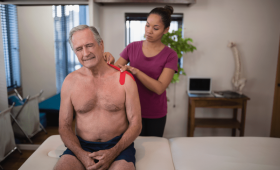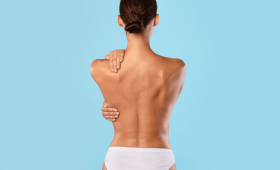
Turkey is one of the world’s richest countries in terms of geothermal resources, hosting thermal waters known as a source of healing for thousands of years across various civilizations. Lumbar (low back) and cervical (neck) disc herniation, or disc prolapse, is one of the most common musculoskeletal problems caused by modern life, leading to chronic pain and restricted movement. For those seeking to cope with this chronic pain, thermal baths are not just a holiday destination, but also an effective complementary treatment method based on scientific principles and natural relief. In this guide, we will thoroughly examine the benefits of spa treatment for herniation, Turkey’s leading thermal centers, and why you should choose Cure Holiday for a healthy recovery process.
What is Herniation and How Does It Affect the Spine?
Lumbar or cervical disc herniation is a condition where the jelly-like core of the disc structure, which acts as a shock absorber between the vertebrae, protrudes outward and presses on the spinal canal or nerve roots. This compression leads to severe pain, numbness, tingling, and muscle weakness in the affected area. The warmth and mineral richness provided by thermal waters help relieve this pressure indirectly by resolving muscle spasms around these nerve roots. Consultation with a specialist physician is absolutely essential before starting treatment. For this reason, it is very important that you contact us for an online consultation before coming to a thermal bath in Turkey.
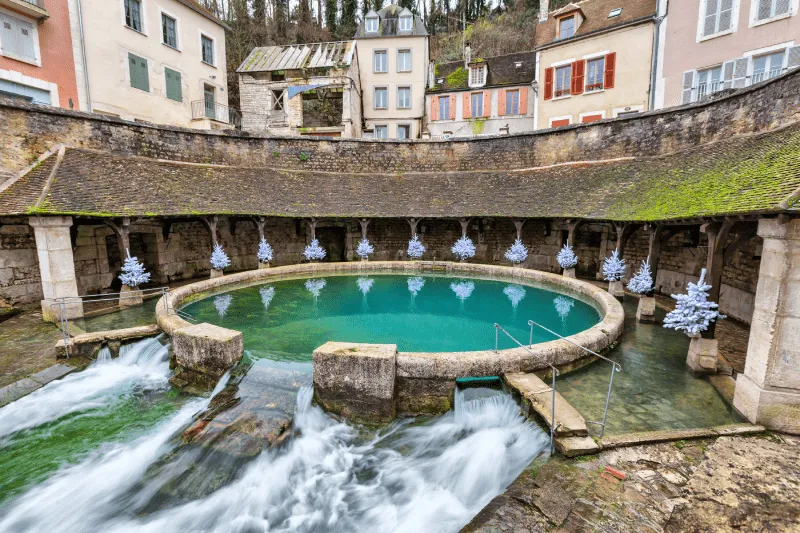
Why Does Lumbar and Cervical Disc Herniation Occur?
Herniation usually arises from faulty body mechanics, heavy lifting, prolonged sitting, obesity, and age-related disc degeneration. Incorrect posture, especially in individuals working at a desk, and keeping the neck bent forward for long periods significantly increase the risk of cervical disc herniation. Thermal treatment plays a strong supportive role in reducing muscle stiffness and inflammation caused by these factors. Therefore, seeking counseling on lifestyle changes before the spa cure is critically important.
What Are the Traditional Herniation Treatment Methods?
The initial phase of herniation treatment typically includes medication, physical therapy, and rest. Medications control pain and inflammation, while physical therapy aims to strengthen the muscles around the spine, reducing the load on the disc. Spa treatment (balneotherapy) is a completely natural and side-effect-free supportive treatment applied in addition to these traditional methods. If these methods fail in advanced cases, surgery may be considered as a last resort.
What is Spa Treatment (Balneotherapy) and How is It Applied?
Balneotherapy is the use of thermal and mineral waters, muds, gases, and climate for therapeutic purposes. For herniation treatment, warm mineral water baths are generally used. During the water bath, the buoyancy of the water reduces the pressure on the spine, and the warmth of the water relaxes the muscles. Furthermore, mineral ions are absorbed through the skin, helping to regulate inflammatory processes in the body. The duration and frequency of this treatment should be determined based on the individual’s health status.
How Do Thermal Waters Help Herniation and What is the Mechanism?
The benefit of thermal waters relies on three main mechanisms: Thermal effect, hydrostatic effect, and chemical effect. The thermal effect involves warm water penetrating deep tissues, relaxing muscles, and accelerating blood circulation, which ensures more oxygen is delivered to the inflamed area. The hydrostatic effect is the reduction of edema and increase in joint mobility due to the pressure the water exerts on the body. The chemical effect is due to minerals like sulfur and carbon dioxide in the water, which exhibit anti-inflammatory properties.
Is There Scientific Evidence for the Effect of Thermal Treatment on Herniation Pain?
Yes, there are numerous clinical studies supporting the effectiveness of balneotherapy on chronic musculoskeletal pain, especially chronic lower back pain. These studies show that thermal cures reduce pain severity, increase range of motion, and improve patients’ quality of life. However, it is important to remember that thermal treatment is not a standalone solution for acute or advanced herniation cases requiring surgery. Therefore, a holistic treatment plan is essential.
For Whom is Spa Treatment Suitable for Lumbar and Cervical Disc Herniation?
Spa treatment is generally suitable for patients with chronic lumbar and cervical disc herniation pain, where nerve damage is not progressive and there is no indication for surgery. Excellent results can be achieved, especially in cases of muscle spasm, mild nerve compression, and pain caused by inflammation. Before starting treatment, suitability for a thermal cure must be evaluated and confirmed by a Physical Medicine and Rehabilitation (PMR) specialist. The absence of a serious co-existing health problem, such as uncontrolled hypertension, is also important.
For Whom is Spa Treatment Not Suitable for Lumbar and Cervical Disc Herniation?
Spa treatment is definitely not suitable for conditions such as the acute phase of herniation with severe inflammation, uncontrolled high blood pressure, heart failure, active infections, or malignant tumors. Furthermore, pregnant women and patients with open wounds should avoid entering thermal waters. Therefore, undergoing a detailed health check by doctors within the spa facilities is the first condition for a safe treatment process and should not be neglected.
How Long Should the Spa Cure Last for Herniation Treatment?
The ideal duration for an effective balneotherapy cure, while depending on the patient’s condition and the properties of the thermal water, is generally recommended to be between 15 and 21 days. During this period, the goals are the body’s adaptation to minerals, muscle relaxation, and the establishment of lasting anti-inflammatory effects. A single-day visit cannot provide the expected benefit; the continuity and discipline of the cure are vital for the success of the treatment. At Cure Holiday, we plan the most suitable and effective cure duration for you.
Is Thermal Water Treatment Alone Sufficient for Herniation Treatment?
No, thermal water treatment alone is usually not sufficient. Herniation is a complex condition resulting from the interaction of multiple factors, and its treatment requires a holistic approach. For the best results, thermal baths should be supported by physiotherapy exercises, mud baths, medical massages, electrotherapy applications, and healthy nutrition programs. The quality of these complementary services offered at the spa center will directly influence your recovery process.
Why is Turkey a Global Leader in Thermal Tourism?
Due to its geological structure, Turkey possesses a significant portion of Europe’s thermal water resources and hosts approximately 1300 thermal springs. This richness, combined with the variety of mineral content in the waters and the high-standard hospitality services offered by the thermal facilities, has made Turkey a leading center in thermal health tourism. This culture of healing, dating back to the Roman period, has been harmonized with modern health infrastructure.
Mineral Richness and Variety of Spa Waters in Turkey
Thermal waters in Turkey offer a great variety of minerals depending on the geographical region. In some regions, sulfate, bicarbonate, and carbon dioxide density stand out, while in others, sulfur, radioactivity, and salt content may be high. For lumbar and cervical herniation, waters with sulfurous and radioactive properties are particularly recommended, as sulfur, absorbed through the skin, supports cartilage and connective tissue regeneration, while radioactive waters can help raise the pain threshold.
Temperature Ranges of Spa Waters and Their Importance for Treatment
The temperature of thermal waters generally ranges between 20°C and 110°C; however, the most suitable temperature range for bath treatment is between 34°C and 40°C. For rheumatic conditions like herniation, it is important that the water is not too hot (37-38°C is ideal) and that the duration of stay is not too long. Excessive hot water can increase edema in the already inflamed area or strain the cardiovascular system. Therefore, the water temperature in every facility must be kept under expert control and adjusted individually.
What is the Pain-Relieving Role of Mud Baths in Thermal Treatment?
Mud baths (peloidotherapy) consist of special earth and organic materials enriched with the minerals of thermal waters. In herniation treatment, mud, thanks to its high heat retention capacity, increases blood circulation in the applied area more deeply. Furthermore, the anti-inflammatory and analgesic (pain-relieving) effects of the minerals contained in the mud provide strong additional support to thermal water in relieving muscle spasms and alleviating chronic pain. Mud is particularly effective in local applications.
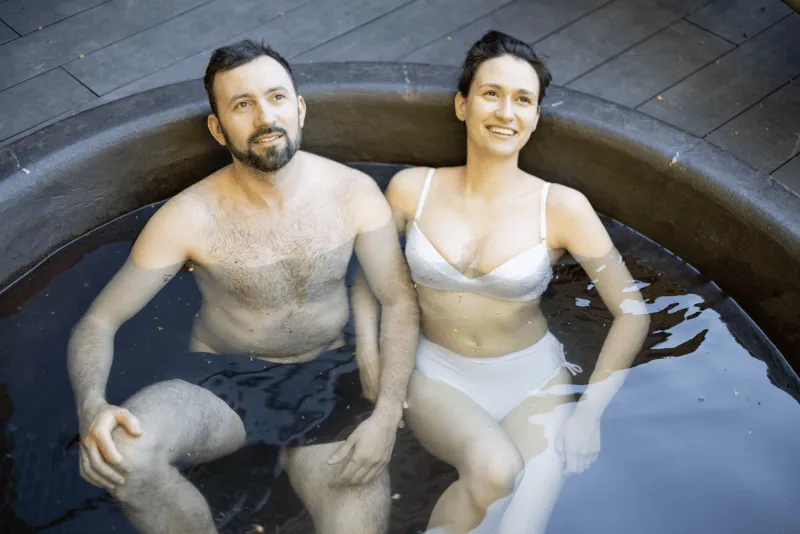
Turkey’s Health Tourism and Accreditation of Spa Facilities
Turkey has met international standards in thermal health tourism, and many spa facilities are licensed by the Ministry of Health as a “Thermal Facility” or “Physical Therapy and Rehabilitation Center.” At Cure Holiday, we ensure that the facilities we work with, even if they do not have international accreditations (such as JCI), adhere to high hygiene standards, continuous doctor supervision, and adequate physiotherapy infrastructure. These accreditations guarantee the reliability of your treatment.
What Are Turkey’s Leading Thermal Regions and Their Features?
On Turkey’s thermal map, regions like Afyonkarahisar (high mineral content waters), Denizli (red and travertine-forming waters), İzmir (medically focused facilities), Bursa (historical, sulfurous waters), and Yalova (radioactive waters) stand out. The chemical structure of the water in each region is different, and this difference determines which ailment it is best suited for. For herniation treatment, waters rich in sulfur and bicarbonate are generally preferred.
Why Should Afyonkarahisar Be Preferred as the Thermal Tourism Capital?
Afyonkarahisar is considered the thermal capital of Turkey due to both the number of facilities and the rich mineral structure of its geothermal waters. Afyon’s waters are high in bicarbonate, sulfate, and carbon dioxide content. These waters are ideal for rheumatic diseases and chronic lower back pain. Additionally, many hotels in Afyon have modern physical therapy units integrated with spa treatment, offering a holistic treatment environment for herniation patients. The quality of accommodation and treatment is notably high in this region.
What Healing Benefits Do Denizli Pamukkale and Karahayıt Offer?
The Denizli region is famous not only for the visual feast of Pamukkale but also for the unique red thermal water of nearby Karahayıt. These reddish waters, rich in iron oxide and calcium bicarbonate, provide powerful relief, especially against chronic rheumatic diseases and pain associated with spinal problems. Facilities here often include natural mud baths in their treatment programs to enhance the effect.
Karahayıt’s Red Water and Its Fight Against Chronic Rheumatic Pain
Karahayıt’s thermal waters, thanks to their warmth and dense mineral content, offer a unique treatment environment for chronic rheumatic disorders, arthritis (osteoarthritis), and degenerative conditions like lumbar and cervical herniation. Facilities in this area often combine immersion baths and local red mud applications. This combination is highly successful in relieving pain, especially that caused by long-term pressure on the spinal joints and discs.
İzmir Balçova Thermal Facilities and the Importance of the Medical Approach
Balçova Thermal stands out with its hospital-quality services. The thermal water here, rich in sulfur and bicarbonate, forms the basis of scientifically managed rehabilitation programs. At Balçova, the spa cure is specifically prescribed by PMR physicians and physiotherapists according to the patient’s level of herniation and pain severity. This medical approach is critically important for the rehabilitation of patients who have undergone herniation surgery or are close to the surgical threshold.
Balçova’s Sulfur Content and Its Effect on Deep Muscle Relaxation
The high sulfur content of Balçova thermal waters provides two basic benefits for herniation patients. First, the absorption of sulfur through the skin deeply relaxes the muscles, reducing tension on the spine. Second, sulfur has antioxidant properties that help neutralize free radicals accumulated in the body, which slows down inflammatory processes. This natural muscle-relaxing property of the water makes Balçova ideal for muscle spasms resulting from neck and back herniation.
Bolu Suggestion: Mudurnu Sarot Thermal Valley and a Peaceful Recovery Environment
Mudurnu Sarot Thermal Valley, nestled within the lush nature of Bolu, contributes to treatment not only with its healing water but also with its peaceful atmosphere away from city stress. The thermal waters here generally have low mineralization, but their temperature and slightly radioactive content have a soothing effect on the nervous system. This natural and calm environment offers a great advantage in reducing stress and anxiety, which are often triggered by herniation pain.
The Relaxing Effect of Bolu Thermal Waters on the Nervous System
The slight radioactive and mineral balance of Bolu region thermal waters creates a soothing effect on the nervous system. When chronic, herniation pain keeps the nervous system in a constant state of alarm. The thermal and chemical stimulation created by the spa water alleviates this state of alarm, regulates sleep, and creates a feeling of general relaxation. This relaxation accelerates the healing process by enhancing the body’s ability to repair itself and raises the pain threshold.
Yalova Suggestion: Thermal Baths and the Historical Tradition of Healing
Yalova Thermal is one of Turkey’s most established and historical spa centers. It was used as an important treatment center during the Ottoman and Republican periods. Its water, containing sodium chloride, sulfate, and fluoride minerals, is especially recommended for musculoskeletal disorders. The slightly radioactive property of Yalova’s waters helps alleviate inflammation around the nerve roots and increases local blood flow, which is effective in reducing herniation pain.
Use of Yalova Waters in Post-Surgical Herniation Rehabilitation
Yalova’s thermal waters are preferred not only for conservative treatment but also frequently in rehabilitation processes after lumbar and cervical disc herniation surgeries. The buoyancy of the water provides an opportunity to exercise without straining the sensitive spine area post-surgery. Since the waters contain minerals that support wound healing, when combined with controlled physical therapy, they significantly accelerate the recovery process.
Kütahya Suggestion: Yoncalı Thermal Baths and Local Application Opportunities
Kütahya Yoncalı Thermal Baths are known for their highly mineralized thermal waters. These waters are suitable for rheumatic and neurological disorders. The temperature and chemical composition of Yoncalı’s water help the body increase its own cortisol level, creating a natural anti-inflammatory effect, especially in chronic herniation pain. Many facilities offer the option of applying the water as compresses to local painful areas, in addition to immersion baths.
The Analgesic and Metabolic Properties of Yoncalı Thermal Baths
Yoncalı thermal waters also have regulating effects on metabolism. Minerals absorbed through the skin during bathing focus on reducing the body’s general pain perception and reducing muscle stiffness. For herniation patients, this can mean not just immediate relief, but also less need for painkillers in the period following the cure. These waters can also be indirectly beneficial in increasing the flexibility of the connective tissue around the spine.
5 Important Criteria Herniation Patients Should Consider When Choosing a Thermal Bath
The choice of spa for herniation patients should not be made randomly. The 5 basic criteria to consider are: 1. The presence of medical supervision (PMR specialist and physiotherapist must be present), 2. The chemical composition of the waters (sulfur, bicarbonate content), 3. The integration of modern Physical Therapy units, 4. Hygiene and general comfort of the facility (orthopedic beds), 5. The water temperature being controllable and suitable for bath cure (37-38°C).
Supportive Exercises Herniation Patients Should Perform at the Spa
The relaxing environment provided by thermal water creates an excellent foundation for exercise. Herniation patients should perform aquatic exercises (walking in the pool, light stretching movements) and dry land stabilization exercises. These exercises strengthen the core muscles, supporting the spine and preventing recurrence of herniation. However, all these exercises must be designed under the supervision of a physiotherapist and tailored to the individual’s herniation status.
The Importance of Medical Massage in Healing, in Addition to Spa Treatment
Medical massages and manual therapy techniques applied after a thermal bath are very important for completely resolving muscle spasms in spa treatment. The correct massage applied to muscles softened by the relaxing effect of thermal water further increases blood flow to the area and relieves tension. These massages should not be ordinary relaxation massages but specialized applications targeting the perispinal muscles and performed by a physiotherapist.
When is the Ideal Time to Go to Thermal Baths for Herniation Treatment?
The ideal time to start spa treatment is the subacute or chronic phase, when acute pain has subsided and the condition shows a tendency to become chronic. Hot water is not recommended during the acute, severe pain period as it can increase inflammation. Generally, if pain persists after a herniation diagnosis and initial medication/rest treatment, periods like late winter or early spring, when the body is more open to rest and regeneration, can be preferred.
How to Ensure Lasting Effects and Prevent Recurrence After Spa Treatment?
The lasting effect of spa treatment depends on the patient’s lifestyle changes after the cure. To maintain the muscle relaxation and pain reduction gained immediately after treatment, it is essential to regularly perform the exercises taught by the physiotherapist and pay attention to ergonomic work and sitting positions. Furthermore, short-term supportive spa cures once or twice a year are an important strategy for maintaining spinal health.
Packages Offered by Thermal Hotels in Turkey for Herniation Treatment
Many qualified thermal hotels in Turkey offer not just accommodation but also holistic ‘Herniation and Rheumatism Treatment Packages’ for 7, 14, or 21 days. These packages are generally structured to include thermal baths, a specific number of mud applications, one session of physiotherapy per day, and medical massage. Confirming the content of these packages and the level of medical supervision with Cure Holiday consultants will ensure you receive the most effective cure.
Why Should You Choose Turkey and Cure Holiday for Your Treatment?
Turkey offers both the highest quality thermal waters and integrated facilities with modern hospital infrastructure. As Cure Holiday, we meticulously select only those facilities among these that have the most suitable mineral content and the best-equipped physical therapy centers for herniation treatment. We offer the most reliable and personalized service for those seeking not just a holiday, but a real treatment process managed by experts under medical supervision.
Cure Holiday’s Specially Designed Programs for Lumbar and Cervical Herniation Patients
Herniation treatment must be personalized. Cure Holiday offers thermal cure programs specially designed according to each patient’s level of herniation, age, and co-existing conditions. Our programs include thermal bath and mud applications, as well as one-on-one physiotherapist-led aquatic and dry land exercises, massages to relieve nerve compression, and ergonomics counseling. Our goal is not just to relieve pain but to eliminate the underlying causes of the herniation.
Professional Support and Continuous Guidance During Your Treatment Process
At Cure Holiday, we are with you every step of your treatment process. From the moment you arrive in Turkey, the selection of the facility, arrangement of doctor appointments, interpretation services, and all your accommodation details are planned by us. Throughout your treatment, we maintain continuous communication with PMR specialists and physiotherapists to monitor the effectiveness of your cure and make necessary adjustments. This continuous professional guidance provides you with peace and confidence on your recovery journey.
Take the First Step: Contact Cure Holiday and Find Healing
If your chronic lumbar or cervical herniation pain is reducing your quality of life and you are looking for a natural, scientifically grounded treatment, Turkey’s thermal waters may be the right address for you. To embark on this healing journey safely and systematically, contact Cure Holiday today. Our expert consultants will evaluate your health reports and plan the most suitable thermal facility in Turkey and your personalized treatment cure for your herniation. Take the first step now toward a healthy and pain-free future!
Free Consultation
Fill out the form below to get your free medical travel plan and price quote.
Sources and how to verify this yourself
- Ministry of Health, Regulation on International Health Tourism and Tourist Health, Official Gazette 26 April 2025, No. 32882 — authorisation requirement for facilities and intermediaries, TÜSKA accreditation, compulsory complication insurance (deadline 31 December 2025 for insurance, 31 December 2026 for accreditation). source
- Ministry of Health, Regulation on Promotion and Information Activities in Health Services, Official Gazette 12 November 2025, No. 33075 — treatment promises and guarantees are prohibited; price and campaign announcements are permitted only within international health tourism. source