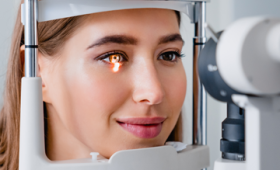
Astigmatism is a condition where the shape of the front surface of the eye (cornea) or sometimes the eye’s lens is irregular and different from normal. While a healthy cornea and lens have equal curvatures, like a spherical ball, astigmatism features a shape that is steeper in one direction and flatter in another, similar to an American football or the back of a spoon. This irregularity causes light rays entering the eye to scatter over multiple points on the retina, instead of focusing on a single point. As a result, the patient experiences blurred, distorted, shadowy, or elongated vision for both near and distant objects. This is a common refractive error that significantly reduces the quality of life.
How Exactly Does Astigmatism Occur?
Astigmatism occurs when the cornea or lens has varying curvatures between different meridians. Since the cornea (the clear front layer) or the lens is responsible for refracting light, irregularities in these surfaces lead to improper light focusing. The image focuses on the retina as a line or an oval shape. Astigmatism is usually congenital, exhibits a genetic predisposition, and is noticed in childhood. In some cases, eye injuries, eye surgeries, or eye diseases like keratoconus can cause astigmatism later in life.
What are the Most Common Symptoms of Astigmatism?
The most common symptom of astigmatism is that objects appear blurry, elongated, or distorted when viewed from any distance. It is particularly typical to see straight lines as curved or wavy, letters running together, or halos (circles of light) around light sources. Other common symptoms include quick fatigue during reading, a feeling of constant eye strain, headaches, squinting to try and sharpen vision, and the scattering of lights when driving at night. These symptoms generally worsen over time if left untreated, making daily life difficult.
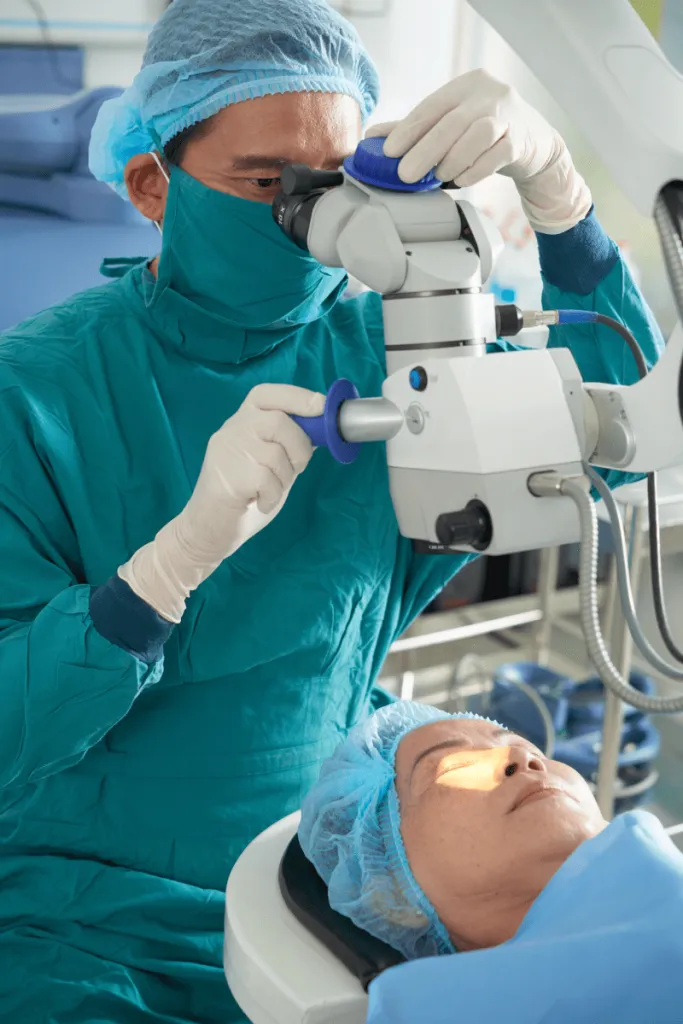
Does Astigmatism Cause Eye Strain?
Yes, when astigmatism is left untreated or when the wrong glasses/contact lens prescription is used, it causes constant eye strain (asthenopia). The eye constantly tries to accommodate to correct the blurry image and focus, meaning the focusing muscles contract excessively. This continuous muscle activity leads to pain around the eyes and in the forehead, especially during prolonged reading, computer, or mobile device use. This chronic fatigue is one of the most bothersome effects of astigmatism and significantly reduces the quality of life.
What are the Types of Astigmatism?
Astigmatism is divided into two main types based on the shape of the irregularity: Regular and Irregular Astigmatism. Regular astigmatism is the most common, where the steepest and flattest curvatures exist in two main meridians that are perpendicular to each other; it is usually easily corrected with glasses or contact lenses. Irregular astigmatism, however, is a condition where the curvature meridians are not perpendicular to each other or where there are different curvatures at different points; this type can usually only be corrected with special contact lenses or surgical intervention.
How is Astigmatism Understood in Children?
It can be difficult to notice astigmatism in children, as the child may not realize that this is an abnormal condition. Things to watch out for include: Constantly tilting the head to look, skipping or mixing up letters while reading, difficulty seeing the blackboard, continuous squinting, and frequent eye rubbing. In high-grade astigmatism, especially if it is only in one eye, the risk of developing a lazy eye (amblyopia) is very high. If any of these signs are present, an urgent eye examination is essential to protect the child’s visual development.
Can Astigmatism Occur in Only One Eye?
Yes, astigmatism can occur in a single eye, or it can be present in both eyes with different degrees (anisometropia) or different types. Astigmatism in one eye is generally more dangerous because the other eye may be normal or have a low defect, causing the brain to suppress the blurred image from the affected eye. If this suppression is not treated, especially during childhood, it can lead to amblyopia and permanent vision loss in that eye. Astigmatism in one eye necessitates regular monitoring.
How is Astigmatism Diagnosed?
Astigmatism is diagnosed through a comprehensive eye examination. Key tools include automated refractometers (autorefractometers), phoropters, and most importantly, Corneal Topography. Corneal topography details the curvature map of the cornea, determining the type (regular/irregular) and degree of astigmatism with millimeter precision. This detailed mapping is vital for planning laser or lens surgery. The physician may also perform visual acuity tests and cycloplegic examination.
Why is Corneal Topography a Critical Diagnostic Tool?
Corneal topography creates a colored map showing the curvatures and irregularities on the corneal surface. This device reveals not only the degree of astigmatism but also whether the astigmatism is regular or irregular. It allows for the early diagnosis of potentially dangerous conditions such as Keratoconus (thinning and protrusion of the cornea), which is the most significant cause of irregular astigmatism. Before laser surgery, the topography map is indispensable for the surgeon to precisely formulate the treatment plan.
Treatment Options: Glasses, Contact Lenses, and Surgery
Three main treatment options are available for astigmatism: Non-surgical and temporary solutions, which are special astigmatism glasses and Toric contact lenses; and surgical treatments providing permanent correction (Laser Surgery and Toric Intraocular Lens implantation). Treatment selection is personalized based on the patient’s age, degree of astigmatism, corneal thickness, occupation, and lifestyle expectations. Each option should be recommended by a specialist ophthalmologist after a detailed examination.
How Do Astigmatism Glasses Work?
Astigmatism glasses use special lenses called cylindrical lenses. These lenses are designed to compensate for the different ways light refracts across different meridians. The lens has zero refractive power in one meridian, while the steep meridian has refractive power appropriate to the degree of astigmatism. Glasses are the safest and simplest correction method. Especially in children, they are used as the first and most fundamental treatment tool to support visual development and prevent strabismus. Regular and correct use quickly alleviates symptoms.
What are Toric Contact Lenses and How Do They Provide Correction?
Toric contact lenses are specialized contact lenses designed to correct astigmatism. These lenses also contain a cylindrical power, similar to glasses, but the lens must remain stable on a specific axis on the eye. Toric lenses have special weighting and stabilization designs that ensure they are fixed on the correct axis. They offer a good aesthetic and practical solution for those who do not want to wear glasses. However, they require hygiene and regular maintenance, and may not provide sufficient clarity in irregular astigmatism.
Who Are Candidates for Laser Eye Surgery?
Laser eye surgery (LASIK, PRK, LASEK) is suitable for patients over 18 who want permanent correction for astigmatism, whose prescription has been stable for at least one year, and who meet the critical criteria: sufficient corneal thickness, no risk of keratoconus in the cornea (determined by topography), and no severe accompanying eye disease. Pregnancy, breastfeeding, uncontrolled diabetes, and some autoimmune diseases can temporarily or permanently prevent laser surgery.
How is Astigmatism Corrected with LASIK?
LASIK (Laser-Assisted In Situ Keratomileusis) is the most frequently preferred laser method for astigmatism treatment. After the surgeon creates and lifts the corneal flap, the underlying corneal tissue is reshaped with an excimer laser. In astigmatism, the laser aims to re-sphericalize the cornea by flattening the steeper meridian and steepening the flatter meridian. The procedure is computer-controlled with millimeter precision and offers a quick recovery period, allowing the patient to see clearly in a short time.
How are PRK and LASEK Used in Astigmatism Treatment?
PRK and LASEK are used as alternatives in astigmatism treatment for patients whose cornea is insufficiently thick for LASIK or whose corneal surface is at high risk. In these methods, the laser application is performed directly onto the corneal surface. The laser corrects the irregular curvature of the cornea, allowing light to focus correctly on the retina. Although the recovery period is slightly longer and more uncomfortable in the first days than LASIK, long-term visual results are similar to LASIK, and they completely eliminate the risk of flap creation.
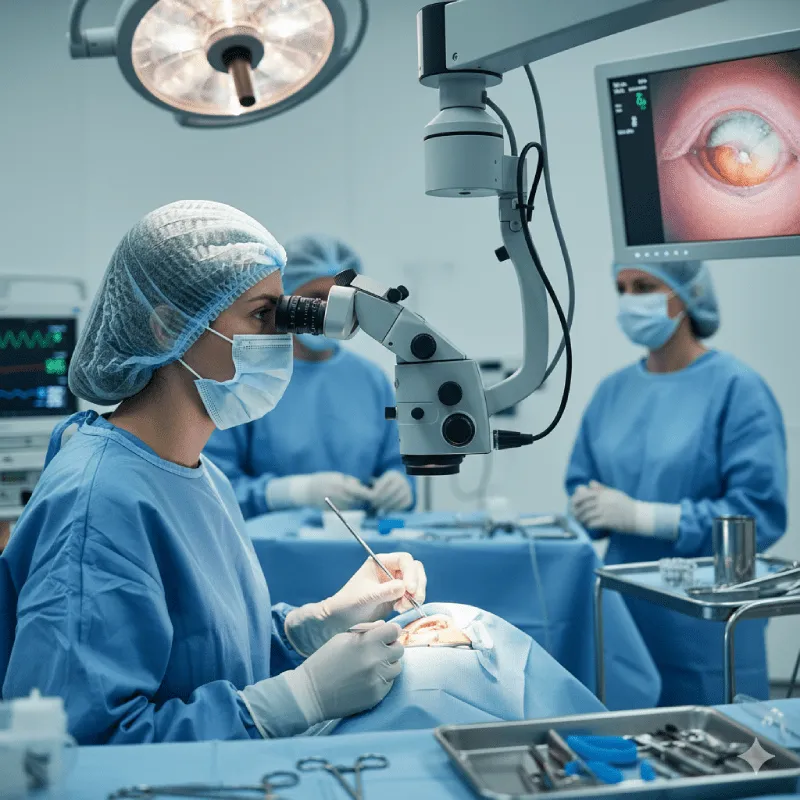
Surgical Solutions for High-Grade Astigmatism
For patients with very high-grade astigmatism (generally above 6 diopters) or insufficient corneal thickness for laser surgery, intraocular lens (IOL) implantation offers a permanent solution. Toric Intraocular Lenses are used for this purpose. These lenses are specially designed according to the axis of astigmatism and are placed inside the eye either by preserving the eye’s natural lens (Phakic IOL) or by removing the natural lens (Refractive Lens Exchange – RLE). These surgical methods can safely and accurately correct even high defects.
How Do Toric Intraocular Lenses Correct Astigmatism?
Toric Intraocular Lenses (IOLs) are a revolutionary solution, especially for astigmatic patients undergoing cataract surgery or planning RLE (Refractive Lens Exchange). These lenses are designed to correct astigmatism by incorporating cylindrical power. After placing the lens inside the eye, the surgeon precisely aligns it to the axis of astigmatism. The lens permanently corrects the refractive power inside the eye, significantly reducing or completely eliminating the patient’s need for glasses or contact lenses, thus ensuring clear and sharp vision.
Does Astigmatism Return After Laser Surgery?
There is a risk of astigmatism returning (regression) to some extent after laser eye surgeries, but this is generally low. Regression can be observed especially in high degrees of astigmatism (generally above 3 diopters) or in cases where the cornea’s healing process progresses differently than anticipated. A stable prescription before treatment, correct surgical planning (with topography), and regular use of post-operative eye drops minimize this risk. If necessary, a small correction (touch-up) can be performed a year later.
Possible Complications of Untreated Astigmatism
Untreated astigmatism, in addition to causing constant headaches, chronic eye strain, and a decrease in quality of life, can lead to permanent vision impairments, especially in children. High astigmatism in one eye leads to the development of a lazy eye (amblyopia) as the brain ignores the blurry image from that eye. In adults, difficulty with reading increases with age. Therefore, astigmatism must be diagnosed early and corrected with appropriate methods.
Factors Influencing Astigmatism Treatment Choice
The choice of astigmatism treatment depends on a range of factors such as the patient’s age (surgical options for over 18), degree of astigmatism, corneal thickness, health of the corneal structure (no risk of keratoconus), the degree of accompanying myopia or hyperopia, and the patient’s general health status. For example, PRK or IOL is preferred for thin corneas, while LASIK may be suitable for regular astigmatism. The physician gathers all this data, considering the patient’s expectations, to create the most suitable and safe treatment plan.
What Should Be Considered in Pre-Surgical Preparation for Laser Surgery?
The pre-surgical preparation process is vital for the success of laser eye surgery. Patients must stop wearing contact lenses before the operation (1 week for soft lenses, longer for rigid lenses). Comprehensive pre-examination (corneal topography, pachymetry, pupil measurement) must be performed completely. Eye infections should be treated before the surgery, and chemicals such as makeup and perfume should be avoided on the day of the operation. These preparations reduce the risk of infection and ensure the most accurate laser planning.
What is the Global Rise of Eye Treatment in Turkey Like?
Turkey has shown a global surge in eye health treatments and refractive surgery (laser and lens), becoming a worldwide center. This rise has been achieved through government support for health tourism, significant investments in technology by private hospitals, and the international experience gained by Turkish eye surgeons. High success rates, the ability to use the latest technology equipment, and the affordable cost advantage have made Turkey an attractive destination for international patients.
What are the Quality Standards of Eye Centers in Turkey?
Eye health centers in Turkey adhere to the highest quality standards recognized internationally. Many hospitals have prestigious accreditations such as JCI (Joint Commission International), guaranteeing that patient safety, hygiene, and clinical quality are at a global level. The centers are equipped with the newest technologies, such as Femtosecond Laser, Excimer Laser, and advanced diagnostic devices. These high standards ensure that patients receive safe and effective treatment.
What is Turkey’s Cost Advantage in Astigmatism Treatment?
Turkey offers advanced surgical treatments for astigmatism, such as LASIK, PRK, or Toric IOL implantation, at significantly lower costs compared to clinics in Western Europe and the USA. This cost advantage results from lower general operating expenses and differences in the exchange rate. Patients save on treatment costs without having to compromise on quality or technological equipment. This economic accessibility makes Turkey attractive for international health tourism.
Expertise of Turkish Eye Surgeons in Astigmatism Treatment
Turkish eye surgeons have extensive experience, especially in the field of refractive surgery, managing a large number of cases. The high patient volume and developed health tourism in Turkey allow surgeons to gain experience across a wide range of cases, including rare and complex astigmatism. Many specialists have trained abroad, hold international certifications, and constantly follow the latest scientific developments. This level of expertise guarantees high accuracy and success rates in astigmatism treatment.
Experiences of International Patients Receiving Treatment in Turkey
International patients who receive eye treatment in Turkey are generally highly satisfied with the quality of service, the attention of the hospital staff, and the professionalism of the doctors. Institutions providing medical tourism services, such as Cure Holiday, organize all the patients’ logistical, accommodation, and communication needs, making the treatment process comfortable and stress-free. The combination of treatment and tourism allows patients to complete their recovery process with an enjoyable experience.
How Does the Astigmatism Laser Surgery Post-Operative Follow-up Process Work?
The post-operative follow-up process is vital for a successful outcome after laser surgery. Centers in Turkey generally conduct meticulous checks the day after the surgery, within the first week, and in the first month. Patients receive a final comprehensive check and detailed briefing before returning to their home country. Intermediary agencies like Cure Holiday provide remote support and consultation even after the patient returns, ensuring continuous monitoring of the healing process and the stabilization of visual clarity.
What is Turkey’s Geographical Location and Logistical Advantage?
Turkey’s strategic location between Europe and Asia offers a logistical convenience for international patients. Short and direct flight options ensure that patients coming for treatment avoid long and exhausting journeys. This geographical accessibility is a major advantage, especially for treatments requiring a short stay, such as eye surgery. Patients can complete their treatment and return home quickly, which reduces overall stress.
How is Accommodation and Transfer Organization Arranged During Treatment?
Institutions working in health tourism in Turkey generally offer packages that include accommodation in luxury hotels and all transfers between the airport and the hospital. Cure Holiday prioritizes patients’ comfort, offering VIP transfers and high-standard accommodation options. These services allow the patient to focus only on their treatment and completely eliminate logistical concerns. The treatment process proceeds smoothly accompanied by personal assistants.
The Breadth of Astigmatism Treatment Options in Turkey
Eye centers in Turkey offer not only basic laser methods for astigmatism treatment but also the most current and widest range of treatment options. All advanced methods such as Femtosecond LASIK, Wavefront (personalized) treatments, Corneal Ring (for Keratoconus), and Toric IOL implantation are available. This diversity makes it possible to choose the most appropriate and personalized treatment method required by the patient’s eye structure, which increases success.
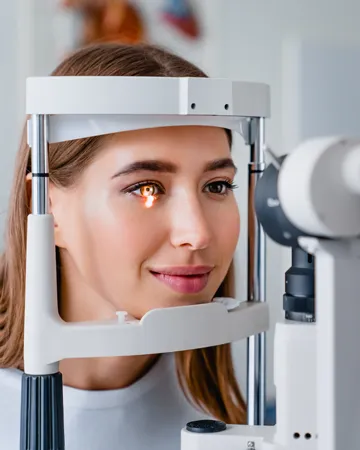
Who is Cure Holiday and What is its Role in Health Tourism?
Cure Holiday is a specialized health tourism consultancy firm that provides international patients with access to the best treatment for astigmatism and other eye defects in Turkey. Its role is to connect patients with Turkey’s best and most reliable eye surgeons and Ministry of Health–authorised hospitals. The company coordinates all travel, accommodation, transfer, interpreting, and post-treatment follow-up services, committing to offer its patients a stress-free, safe, and high-quality treatment experience.
What are the Main Advantages of Receiving Treatment with Cure Holiday?
The main advantages of receiving treatment with Cure Holiday are combining high clinical quality with affordable costs and offering a comprehensive, personalized support network. Patients benefit from “turnkey” services such as easy access to expert surgeons, 24/7 multilingual personal assistance, and luxury accommodation/transfer services. This increases patients’ confidence in the treatment and makes the process comfortable, thereby laying the groundwork for the best results.
What are Cure Holiday’s Criteria for Selecting Partner Clinics?
Cure Holiday only collaborates with eye centers that adhere to the strictest quality and safety standards. Selection criteria include; international accreditation (JCI), mandatory use of the latest laser technologies, high success rates and minimum 10 years of experience for surgeons, and having a team specialized in international patient services. This selectivity guarantees the reliability of patients’ treatment outcomes.
What Do Cure Holiday Treatment Packages Cover?
Cure Holiday astigmatism treatment packages generally offer a comprehensive “all-inclusive” service. Packages include detailed eye examinations, the surgical procedure itself (e.g., Femto-LASIK or Toric IOL), post-operative medications, all hospital expenses, accommodation in a luxury hotel (usually 5-star), all VIP transfers between the airport and the hospital, and personal interpreting/assistance support during the treatment period. This transparent packaging prevents unexpected costs in treatment expenses.
How to Book an Appointment and Plan Travel with Cure Holiday?
Starting the treatment journey with Cure Holiday is quick and simple. The first step is to contact them for a free preliminary consultation. After evaluating your medical history and eye examination results, the most suitable surgeon and hospital are determined. Then, your travel and surgery dates are arranged by the Cure Holiday team. All logistical details, including flights, accommodation, and transfers, are organized on your behalf, allowing you to focus only on preparing for the treatment.
Pre- and Post-Treatment Consulting Services
Cure Holiday offers comprehensive consultation at every stage of the treatment. Detailed information is provided on preparation for surgery (such as the contact lens break period) before the treatment. In the post-operative period, continuous guidance is provided on medication use, care rules, and when you can return to normal activities to support your recovery process. Remote follow-up and consultation services continue uninterrupted even after you return home, ensuring a reliable recovery process.
Cure Holiday’s Patient Satisfaction and Reliability
Cure Holiday is a reliable brand with high patient satisfaction rates. This reliability stems not only from working with Ministry of Health–authorised hospitals but also from its transparent service approach and the personal care and support it offers to patients. The company is committed to ensuring that its patients are fully satisfied with both their medical results and their accommodation and travel experience. This customer-centric approach is an important factor in international patients choosing Turkey.
Communication Support During Treatment with Cure Holiday
One of Cure Holiday’s most important services is communication support that eliminates language barriers. Multilingual personal assistants accompany you during hospital visits and all appointments, ensuring that communication between you and the doctor is flawless and fluent. This seamless communication ensures you fully understand the treatment procedures, ask all your questions, and feel safe. This personal support makes your treatment experience very comfortable and stress-free.
Combination of Treatment and Holiday in Turkey (Medical Tourism)
Receiving treatment through Cure Holiday in Turkey means more than just having surgery; it is an opportunity to spend the recovery period in a cultural experience and holiday comfort. During the pre- or post-operative recovery period, the historical richness of Istanbul or the natural beauty of the Mediterranean can be explored. Spending the treatment in a peaceful and positive environment reduces stress and improves overall mood, contributing positively to treatment success and recovery speed.
Why Should You Choose Cure Holiday for Astigmatism Treatment?
If you are looking for a permanent and reliable solution to the blurriness, eye strain, and headaches caused by astigmatism, Cure Holiday offers you the right address. It combines high clinical standards, the latest laser and lens technologies, cost advantage, and unique holiday comfort. Cure Holiday guarantees access to expert surgeons, comprehensive logistical support, and 24/7 personal assistance, ensuring a stress-free and organized treatment process where you can safely entrust your eye health.
How Can Cure Holiday Clarify Your Life?
Clarifying your life with Cure Holiday starts by receiving a free preliminary consultation. Experts evaluate your eye examination results, determine the most suitable laser or lens treatment for your degree of astigmatism and corneal structure. Then, the most convenient date for you is planned, and all travel organizations are made. All that remains for you is to come to Turkey, have your surgery, enjoy the recovery process, and revel in the astigmatism-free, clear vision.
Contacting Cure Holiday and Taking the First Step
If you want to put a permanent end to the blurriness, eye strain, and headaches caused by astigmatism, evaluate the opportunity to receive treatment in Turkey with the assurance of Cure Holiday. You can start creating your personalized treatment plan immediately by contacting Cure Holiday via their website or communication channels. Remember, having clear vision improves the quality of life, and Cure Holiday is ready to guide you on this journey. Contact them now and take your first step towards clear vision.
Free Consultation
Fill out the form below to get your free medical travel plan and price quote.
Sources and how to verify this yourself
- Ministry of Health, Regulation on International Health Tourism and Tourist Health, Official Gazette 26 April 2025, No. 32882 — authorisation requirement for facilities and intermediaries, TÜSKA accreditation, compulsory complication insurance (deadline 31 December 2025 for insurance, 31 December 2026 for accreditation). source
- Ministry of Health, Regulation on Promotion and Information Activities in Health Services, Official Gazette 12 November 2025, No. 33075 — treatment promises and guarantees are prohibited; price and campaign announcements are permitted only within international health tourism. source