Preimplantation Genetic Screening (PGS), currently widely referred to as PGT-A (Preimplantation Genetic Testing – Aneuploidy), is a diagnostic method that allows for the chromosomal examination of embryos. This screening aims to maximize the chance of a healthy pregnancy by determining whether the embryos have a normal number of chromosomes before they are transferred to the uterus. It plays a vital role in managing the risk of chromosomal abnormalities, which increases significantly with advanced maternal age. In this way, the probabilities of miscarriage and failed implantation can be substantially reduced, offering couples a safe and effective path to treatment.
What is PGS and its Relationship with PGT-A?
PGS (Preimplantation Genetic Screening) is the former name for the method that checks for any numerical chromosomal abnormalities (aneuploidy) in embryos. Today, this screening method is referred to as PGT-A (Aneuploidy Testing), a subtype of the broader genetic testing category known as PGT. Despite the name change, the goal remains the same: to determine if the embryos have 46 chromosomes. The existence of this test demonstrates how much laboratory technologies have advanced and the current state of efforts to increase IVF success rates.
What is the Primary Purpose of PGS?
The main purpose of PGS is to prevent the transfer of chromosomally abnormal (aneuploid) embryos into the uterus. Aneuploid embryos typically lead to miscarriage in the early stages of pregnancy or cause implantation (attachment) not to occur at all. This test ensures that only genetically normal (euploid) embryos, and thus those with the highest live birth potential, are transferred, preventing wasted time and cost. It also plays a critical role in minimizing the emotional distress experienced by couples and provides psychological comfort to the treatment process.
Which Couples is PGS Suitable For?
PGS/PGT-A is a standard recommendation, especially for women of advanced maternal age (generally 38 years and older), as the risk of aneuploidy in eggs increases exponentially with age.
Additionally, it is advised for couples with a history of recurrent pregnancy loss (two or more), unexplained implantation failure in previous IVF attempts (failed attachment), and cases of severe male factor infertility. This screening significantly supports the success chances of couples in these risk groups, helping them achieve their dreams of a healthy baby.
What is the Effect of PGS on Pregnancy Success?
The most important effect of PGS is that it increases the live birth rate per transfer. By eliminating aneuploid embryos, only the healthiest embryos are placed into the uterus. This optimizes the number of healthy embryo transfers, even in younger women, thereby increasing the success rate. PGS eliminates the “trial and error” process, as physicians transfer the embryo knowing its genetic health. Thus, the probability of couples going through multiple failed attempts is significantly reduced, and their confidence in the treatment increases.
What is the Accuracy Rate of PGS?
Modern PGS/PGT-A methods (especially those using NGS – Next-Generation Sequencing technology) have a very high accuracy rate in detecting chromosomal abnormalities; this rate is generally above 98%. However, no medical test can guarantee 100% accuracy. Accuracy can rarely vary depending on the quality of the biopsy, the technology of the genetic laboratory, and the degree of mosaicism in the embryo (some cells being normal, some abnormal). This high accuracy has made PGT-A an indispensable and reliable part of modern IVF treatment.
What do False Positive and False Negative Mean in PGS?
A false positive is when an embryo that is actually euploid (normal) is reported as aneuploid (abnormal) in the test result; this can lead to the unnecessary discarding of a healthy embryo. A false negative is when an aneuploid embryo is reported as normal and transferred; this can lead to miscarriage or a birth with a genetic disorder. Although these rates are very low with modern techniques, they usually result from mosaic embryos. Experienced laboratories and genetic counseling are critical to minimize these risks, and every embryo is meticulously examined.
Why is PGS Necessary in Advanced Age?
As a woman’s age advances beyond 35, the ability of the eggs to divide correctly chromosomally decreases. Embryos produced by women aged 40 and older carry an aneuploidy risk of 50% to 80%. PGS/PGT-A identifies healthy embryos in this high-risk group, preventing the unnecessary transfer of aneuploid embryos. This ensures that even women of advanced age have a high chance of pregnancy with a single transfer and accelerates the treatment process despite the challenges associated with age.
The Role of PGS in Recurrent Miscarriages
It is thought that 50% to 60% of recurrent pregnancy losses (RPL) are caused by chromosomal abnormalities in the embryo. Therefore, PGS/PGT-A is considered a first-line treatment approach for couples with a history of recurrent miscarriage. Since the test guarantees that the embryo placed in the uterus is chromosomally healthy, it significantly reduces the risk of miscarriage. If a miscarriage occurs even after PGS, the problem may be related to other causes such as uterine receptivity, hormonal, or immunological factors, rather than the embryo, requiring further investigation.
PGS in Recurrent Implantation Failure
PGS is a vital option for couples who have undergone multiple transfers of healthy-looking embryos without achieving pregnancy. Even morphologically perfect embryos can be aneuploid, meaning their appearance does not provide definitive information about their genetic structure. PGS/PGT-A enables the detection of genetically healthy embryos in these couples, definitively revealing whether the failure is due to chromosomal reasons. In this way, the transfer strategy is correctly determined, and the chance of success is raised again.
How is Embryo Biopsy Performed?
Embryo biopsy is the first and most sensitive step of the PGT process and is usually performed when the embryo reaches the blastocyst stage on Day 5 or 6.
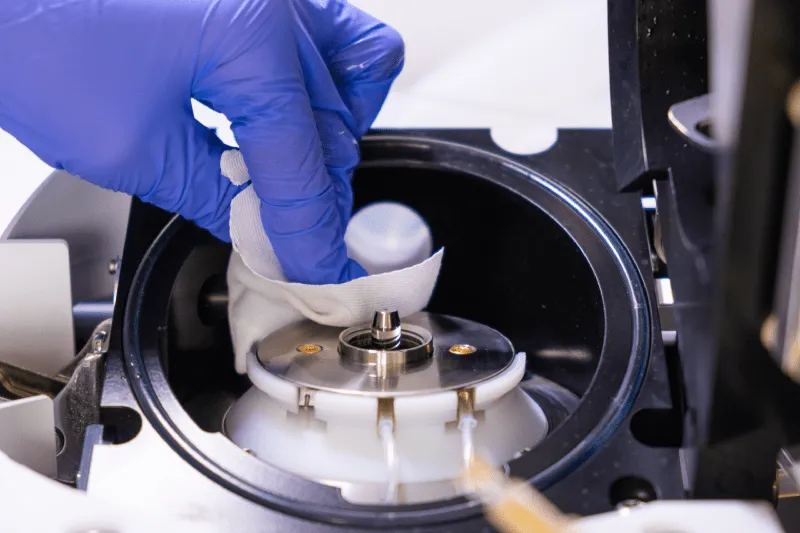
At this stage, 5-10 cells are removed with the aid of a laser from the outer layer (trophectoderm) that will form the placenta, without damaging the inner cell mass (ICM) that will form the baby. While the collected cells are sent for genetic analysis, the embryo is frozen (vitrification). This procedure must be performed using advanced technology micromanipulation equipment and highly experienced embryologists, which determines the center’s expertise.
Does Biopsy Harm the Embryo?
When performed using the correct techniques, modern laser systems, and expert embryologists, it is accepted that embryo biopsy does not have a negative effect on the embryo’s viability, developmental potential, or chance of reaching a healthy birth. The biopsy is considered safe because it is performed on the cells outside the vital inner part of the embryo. This procedure is a proven method in thousands of successful IVF treatments. However, since the quality of the biopsy directly affects the reliability of the PGT results, the selection of a high-standard laboratory is of critical importance.
How are PGT/PGS Results Interpreted?
PGT/PGS results generally divide embryos into three categories: Euploid (chromosomally normal and transferable), Aneuploid (chromosomally abnormal and non-transferable), and Mosaic (containing a mix of normal and abnormal cells). These results are extensively reviewed by the IVF physician and a genetic specialist. Only embryos identified as euploid are prioritized for transfer. This interpretation process is extremely important for informing couples about whether to continue treatment, how many embryos to transfer, and potential risks.
What is a Mosaic Embryo and What is the Risk?
A mosaic embryo refers to the presence of genetic differences among the embryo’s cells, meaning some cells are normal (euploid) and some are abnormal (aneuploid). This condition has become more frequently detected with the development of PGT-A screening. While euploid embryos are ideally transferred, in couples without other healthy options, low-level mosaic embryos can be transferred after genetic counseling and risk acknowledgment. Mosaic embryos have the potential to lead to pregnancy, but the decision to transfer must be made with a personalized approach.
How is the Cost of PGS Reflected in Treatment?
PGS/PGT-A is an additional cost item that initially increases the cost of IVF treatment, as it includes the fees for biopsy, freezing, and genetic analysis. However, this cost should be viewed as a long-term investment. By preventing the emotional and costly cycles of failed transfers and miscarriages, it enables couples to achieve successful pregnancy with fewer overall attempts. Especially for couples of advanced age or those with recurrent failures, PGS is the most effective strategy that can help reduce the total cost of treatment.
No Healthy Embryo Found After PGS
The inability to find a transferable euploid (normal) embryo after PGS/PGT-A undoubtedly creates disappointment for couples. This situation usually stems from advanced maternal age or very low egg quality. In this scenario, physicians plan the next step with the couple. These steps may include starting a new IVF cycle, trying different stimulation protocols, using pre-IVF supplements, or ultimately considering egg/sperm donation options. This result allows the couple to make informed decisions for their future.

Why Should Cyprus Be Chosen for PGS Treatment?
The Turkish Republic of Northern Cyprus (TRNC) is a center that stands out internationally in the field of PGS/PGT-A and IVF treatments with its high standards and flexible legal framework. Cyprus is preferred due to its more affordable costs compared to Europe and Turkey, modern laboratories with high success rates, and expert doctor staff. Furthermore, Cyprus offers the comfort of medical tourism, allowing the treatment process to be spent resting in the peaceful atmosphere of the Mediterranean, rather than in a stressful hospital environment.
Quality Standards of IVF Centers in Cyprus
IVF centers in Cyprus provide services at high quality and hygiene standards recognized internationally. Laboratories are equipped with the latest technology necessary to perform advanced genetic diagnostic methods like PGT-A. These centers, which are regularly inspected by the TRNC Ministry of Health, are committed to maintaining high accuracy rates in genetic testing. This meticulous inspection and quality control is one of the main assurances that enables international patients to receive treatment with confidence.
The Cost Advantage of PGS Treatment in Cyprus
Cyprus offers significantly lower-cost options for PGT-A (PGS) and all IVF procedures compared to centers in Western Europe and North America. This cost advantage results from the opportunities provided by the exchange rate to the local economy and lower general operating expenses. The lower cost does not mean compromising the quality of service; instead, it facilitates couples’ access to world-class genetic screening and IVF treatment without straining their budgets. This makes Cyprus a global center of attraction.
Legal Status of Gender Selection and PGS in Cyprus
Unlike many other countries, Northern Cyprus is one of the rare centers that legally permits the determination and transfer of the embryo’s gender with PGT-A for family balancing purposes, in addition to medical necessities. This makes Cyprus particularly attractive for couples who want to balance the gender distribution of their existing children. This process is carried out transparently and responsibly within the framework of TRNC laws and ethical committee approval, offering couples the opportunity to use their preference.
Experience of the Expert Staff in Cyprus
IVF specialists and embryologists in Cyprus have extensive experience in PGT-A and other advanced reproductive techniques. Many physicians have been educated in internationally recognized medical institutions and have managed hundreds of successful cases. This expert staff, who constantly follow current scientific developments, offer personalized and evidence-based solutions even for the most complex infertility cases. This deep experience is the most important factor that ensures patients achieve high success rates.
Flexibility of Age Limit for Treatment in Cyprus
While IVF centers in Cyprus generally adhere to international standard age limits for PGT-A treatment, they can show flexibility, especially in cases where the woman is over 40, depending on the patient’s medical condition and ovarian reserve. This flexibility allows women of advanced age to have one last attempt with their own eggs. Each case is evaluated individually, and the treatment decision is made within the framework of detailed medical analyses and ethical rules.
Travel and Accommodation Conveniences in Cyprus
Traveling to Cyprus for treatment is quite comfortable thanks to the developed tourism infrastructure. IVF centers and intermediary agencies like Cure Holiday offer comprehensive packages that include airport transfers, accommodation in luxury hotels during the treatment period, and all transportation between the hospital and the hotel. These arrangements allow couples to focus entirely on treatment and rest without the stress of logistics. Treatment in a holiday concept also contributes psychologically to the recovery process.
How Many Days is it Necessary to Stay in Cyprus During Treatment?
The duration of stay in Cyprus for a standard PGS/PGT-A enabled IVF treatment cycle is usually between 18 and 21 days (if egg retrieval and fresh transfer are performed). If the embryos are frozen and PGT results are awaited, patients can return to their country after egg retrieval and only make a short visit (2-3 days) for Frozen Embryo Transfer (FET). Cure Holiday assists in creating the most flexible travel plan to suit the couples’ work and private life schedules.
Psychological Benefits of Having Treatment in Cyprus.
The IVF process can be challenging both physically and emotionally. Having treatment in the calm and sunny atmosphere of the Mediterranean in Cyprus significantly reduces couples’ stress levels. Combining treatment, taking it out of a hospital rush, and turning it into a peaceful holiday experience encourages psychological relaxation. It is scientifically known that this low-stress environment helps the body respond more positively to treatment and increases the chance of pregnancy.
Follow-up and Support Services After PGT in Cyprus
IVF centers in Cyprus meticulously maintain the follow-up processes after PGT even after patients return to their country. This process includes monitoring medication and hormone levels during the first weeks of pregnancy after a successful transfer, evaluation of pregnancy test results, and remote consultation services. The continuous follow-up provided through Cure Holiday guarantees that couples feel safe and can receive immediate expert support for every possible question or concern.
The Climate of Cyprus and its Effect on Treatment
The mild climate of the Mediterranean provides a positive atmosphere for the treatment process. Sunny days, plenty of fresh air, and natural beauty boost the couples’ morale and reduce stress. Taking short walks during treatment and eating healthy and fresh products from the Mediterranean cuisine contribute to both physical and mental health. These positive environmental factors are important but often overlooked factors that support the overall success of IVF treatment.
Donation Options in Cyprus (Relationship with PGS)
Cyprus has more flexible legal regulations regarding donation procedures (egg, sperm, and embryo) compared to many countries in Europe. Donation options are offered for couples who have a low chance of obtaining healthy embryos with their own reproductive cells. PGT-A is also applied to embryos obtained through donation to ensure they are genetically healthy. In this way, donation treatments can also be carried out with high success rates and genetic safety.
International Patient Experience in Cyprus
Since Cyprus has been serving in the field of health tourism for years, it has developed special expertise for the needs of international patients. The centers have multilingual staff, a service approach sensitive to cultural differences, and experience to meet the logistical expectations of patients coming from abroad. All processes before and after treatment are planned to minimize disruption to the patient’s life in their home country, which makes the experience quite comfortable.
Confidentiality and Privacy in Treatment in Cyprus
IVF centers in Cyprus and Cure Holiday attach great importance to the confidentiality and privacy of patient information. The treatment process is carried out with the highest level of confidentiality in accordance with international standards. The protection of personal and medical data is strictly monitored by ethical rules and laws. This assurance enables couples to feel completely safe, especially for the sensitive process of IVF treatment and genetic procedures like PGT.
Language Advantage for Turkish-Speaking Patients
One of the biggest advantages of having treatment in Cyprus for Turkish-speaking patients is the lack of a language barrier. Doctors, nurses, and all hospital staff speak Turkish. This ensures that treatment protocols, medication usage, and potential risks are communicated directly to the patient without the slightest misunderstanding. The ability to communicate directly and seamlessly is a critical factor that significantly reduces the stress during the treatment process.
Who is Cure Holiday and What is its Role in IVF Treatment?
Cure Holiday is a leading organization specializing in IVF and PGT/PGS treatments in Northern Cyprus, offering “turnkey” health tourism services specially designed for international patients. The company connects patients with the clinics in Cyprus that have the highest success rates, are licensed, and have advanced genetic laboratories. Cure Holiday’s main role is to manage all logistics, accommodation, transfer, and post-treatment follow-up processes, allowing couples to focus solely on achieving a successful pregnancy.
Main Advantages of Receiving PGS Treatment with Cure Holiday
The main advantages of receiving PGT/PGS treatment with Cure Holiday are personalized treatment planning, cost-effectiveness, and comprehensive support. All travel arrangements, such as access to the best clinic, luxury accommodation, and airport transfers, are offered in a single package. Furthermore, 24/7 multilingual personal assistant service eliminates uncertainties and stress during the treatment process. Cure Holiday is not just an intermediary but a reliable consultant and partner who stands by you throughout the entire process.

What Do Cure Holiday PGT/PGS Packages Cover?
Cure Holiday PGT/PGS treatment packages are designed transparently to cover all stages of the treatment. A typical package includes; initial consultation, ovulation-inducing medications (up to certain limits), egg retrieval, sperm retrieval, microinjection (ICSI), embryo culture, embryo biopsy, PGT-A analysis (for a certain number of embryos), embryo freezing, transfer fee, and all hospital costs. Additionally, 5-star accommodation, transfers, and personal assistant services are standard components of the package.
Cure Holiday’s Criteria for Selecting Partner Clinics
Cure Holiday only selects clinics that are licensed by the TRNC Ministry of Health, have international accreditations, and have proven high accuracy rates in PGT-A procedures. The selection criteria include; the experience of the physicians, the expertise of the embryologists in PGT biopsy, the modernity of the laboratory technology, and hospital hygiene standards. This meticulous selection process guarantees that patients are treated only by the best and most reliable hands, maximizing the chance of success.
How Does the Application Process to Cure Holiday Work?
The application process to Cure Holiday is quite simple and starts through online channels. The couple first shares their medical history and expectations in a free preliminary consultation with a consultant. Based on this information, the consultant determines the suitable clinics and a personalized treatment protocol. Subsequently, travel dates are determined, appointments are made, and all logistical details (flights, accommodation, transfer) are organized by the Cure Holiday team. This streamlined process allows the couple to focus solely on the treatment.
Cure Holiday Support in Pre-Treatment Preparation
Cure Holiday offers comprehensive support to ensure couples are in the best physical and mental condition before treatment. This support includes; information on necessary preliminary tests, vitamin and supplement recommendations, and advice on diet and lifestyle changes. They also ensure that all medical documents are forwarded to the physicians in Cyprus for a preliminary assessment. This meticulous preparation aims to plan the treatment in detail before arriving in Cyprus and increase the chance of success.
Support Received from Cure Holiday During Treatment
During the treatment period in Cyprus, Cure Holiday provides 24/7 personal support to its patients. A multilingual personal assistant accompanies you during hospital appointments, making communication with the doctor seamless. All transportation needs are organized, and your comfort during accommodation is ensured. The ability to receive instant support in any emergency or just for a question that comes to mind minimizes the stress during the treatment process, making couples feel safe.
Ways to Increase the Chance of Success with Cure Holiday
Cure Holiday not only relies on advanced technologies like PGT-A to increase the chance of success but also offers holistic approaches. It encourages additional treatments to increase uterine receptivity, immunological evaluations, and personalized psychological counseling services for couples. Furthermore, it suggests relaxation and rest activities, leveraging the peaceful environment of Cyprus to help with stress management. Optimizing physical and mental health plays a key role in increasing pregnancy rates.
Communication and Follow-up After Treatment with Cure Holiday
Whether the treatment is successful or not, communication and the follow-up process continue with Cure Holiday. Follow-up on the pregnancy test result, remote consultation on the medication protocol and first-trimester follow-up are provided if pregnancy is achieved. In case of a negative result, psychological support and re-evaluation with the physician are organized to plan the next step. This long-term communication guarantees that the couple does not feel alone in the post-treatment period and proceeds confidently.
Contact Cure Holiday and Take the First Step
If you are concerned due to advanced age, recurrent failures, or genetic risks, PGT-A (PGS) treatment can offer you a definitive roadmap to achieve your dream of a healthy baby. You can experience the best treatment by combining the legal flexibility, cost advantage, and high standards of Northern Cyprus with the impeccable service of Cure Holiday. Contact Cure Holiday now to take the first step in your healthy pregnancy journey and turn your dreams into reality on the peaceful island of the Mediterranean.
Free Consultation
Fill out the form below to get your free medical travel plan and price quote.
Sources and how to verify this yourself
- HFEA (UK regulator), Fertility treatment 2024: trends and figures — average birth rate 30% per embryo transferred with the patient’s own eggs; 38% at ages 18–34 and 8% at 43–44. source
- Ministry of Health, Regulation on Assisted Reproductive Treatment Practices and Centres (ÜYTE), Official Gazette 30 September 2014 — treatment is limited to married couples using their own gametes; donor eggs, donor sperm, donor embryos and surrogacy are not permitted in Türkiye. source
- Ministry of Health, Regulation on International Health Tourism and Tourist Health, Official Gazette 26 April 2025, No. 32882 — authorisation requirement for facilities and intermediaries, TÜSKA accreditation, compulsory complication insurance (deadline 31 December 2025 for insurance, 31 December 2026 for accreditation). source
- Ministry of Health, Regulation on Promotion and Information Activities in Health Services, Official Gazette 12 November 2025, No. 33075 — treatment promises and guarantees are prohibited; price and campaign announcements are permitted only within international health tourism. source