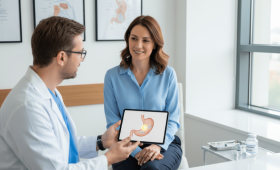
What is Obesity and Why is it Considered a Dangerous Disease?
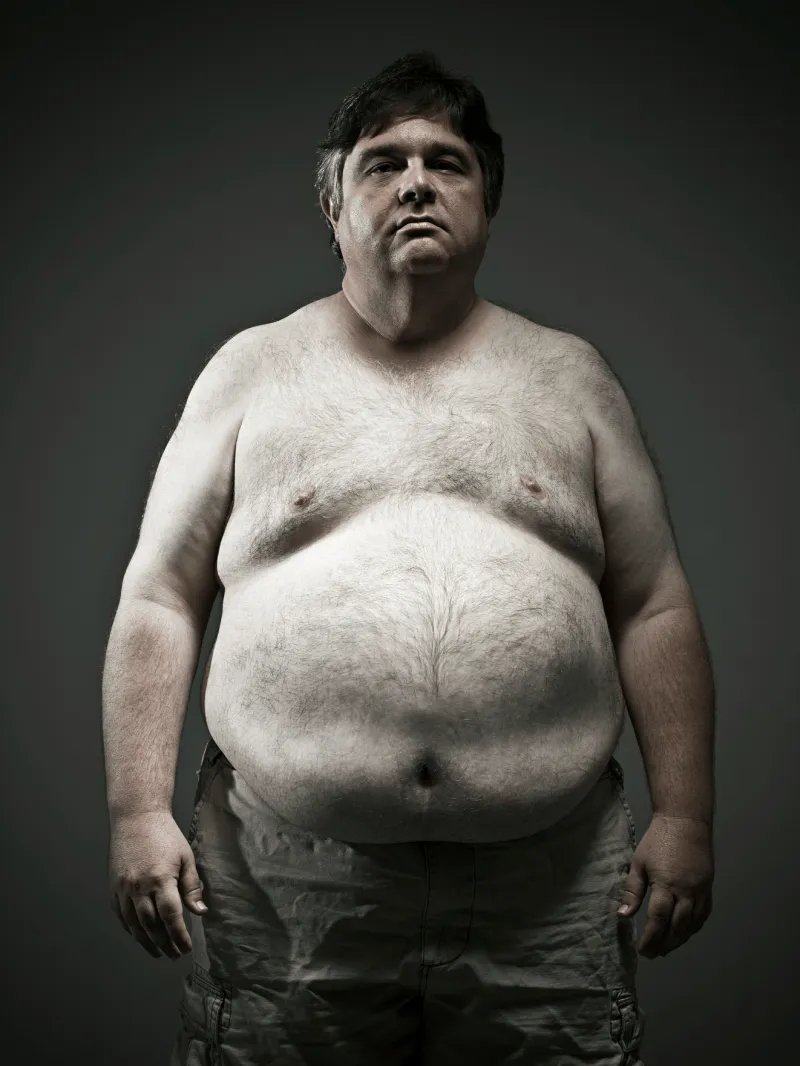
Obesity is defined as an excessive accumulation of body fat to the extent that it impairs health. Recognized as a disease by the World Health Organization, this condition arises from a combination of genetic, environmental, and lifestyle factors. Its danger stems from the fact that it is not limited to physical appearance; it disrupts the body’s hormonal balance, puts pressure on organs, and leads to systemic inflammation. This inflammatory process lays the groundwork for many deadly diseases, ranging from atherosclerosis to various types of cancer.
What are the Physical Health Problems Caused by Obesity?
Obesity affects all organ systems from head to toe. The most common physical problems include Type 2 diabetes, high blood pressure (hypertension), cardiovascular diseases, sleep apnea, and respiratory problems like asthma. Furthermore, due to the excessive load on joints, chronic pain in the knees and lower back, and osteoarthritis are frequently observed. Fatty liver disease, gallbladder diseases, and an increased risk of certain types of cancer (breast, colon, uterine) are just some of the ways obesity strikes physical health.

How Does Obesity Affect Psychological Health?
Obesity is not just a physical issue; it is a condition that deeply affects mental health. The social pressure to be “thin” and the stigmatization associated with obesity can lead to a lack of self-confidence, social isolation, anxiety, and severe depression in individuals. As a person is deprived of the activities they love due to physical limitations, they enter a vicious cycle. This situation can further trigger eating disorders and negatively impact an individual’s success in social life, personal relationships, and overall happiness levels.
How is Obesity Diagnosed and What is BMI?
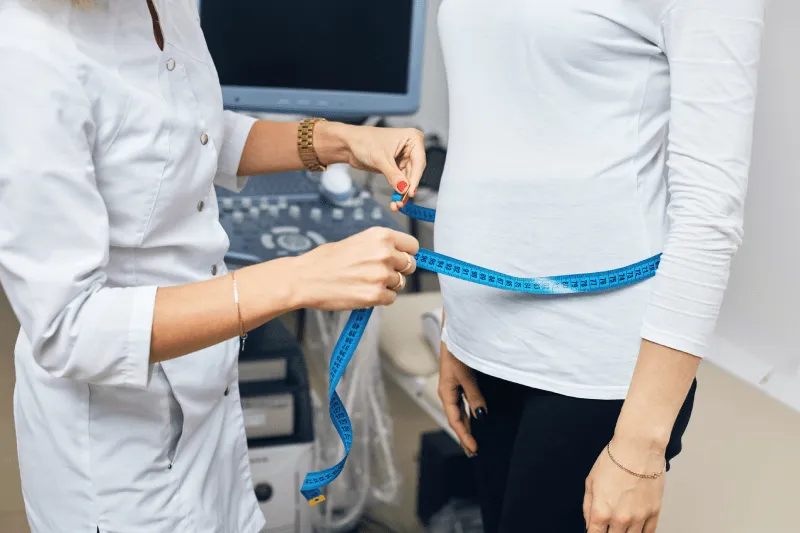
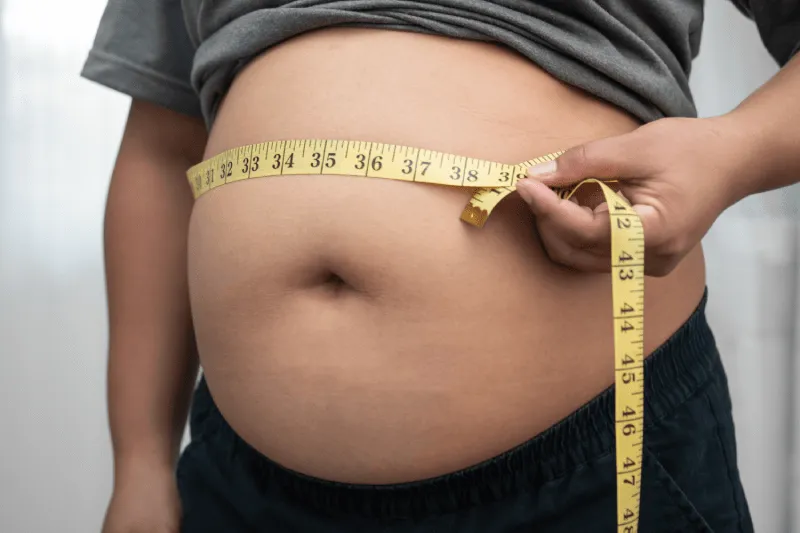
The most common criterion used in the diagnosis of obesity is the Body Mass Index (BMI). BMI is calculated by dividing a person’s weight by the square of their height. A BMI between 18.5-24.9 is considered normal, 25-29.9 is overweight, and 30 and above is classified as obese. When the BMI exceeds 40, the individual falls into the “morbidly obese” category. However, diagnosis should not be limited to BMI alone; waist circumference measurement, body fat percentage analysis, and evaluation of co-morbidities are vital for accuracy and creating a treatment plan.
Does Obesity Reduce Life Expectancy?
Numerous scientific studies have proven that obesity significantly shortens life expectancy. In particular, morbid obesity (BMI > 40) can be as dangerous as smoking and can reduce life expectancy by an average of 8 to 10 years. The primary reason for this shortening is the chronic diseases triggered by obesity. Sudden health crises such as heart attacks, strokes, and organ failure due to diabetes begin to be seen at earlier ages in obese individuals. Therefore, obesity treatment is not just “slimming down”; it is actually a life-saving operation.
When is Surgery Necessary in Obesity Treatment?
Obesity surgery, also known as bariatric surgery, is not the first option for every patient. It is generally considered for patients who have not achieved results for at least 6 months through methods such as diet, exercise, and medication. Surgical criteria include a BMI of 40 and above, or a BMI between 35-40 accompanied by a serious co-morbidity such as diabetes, hypertension, or sleep apnea. Surgery changes body mechanisms to reduce appetite and accelerate metabolism, ensuring that lifestyle changes become permanent.
Which Weight Loss Treatments are Right for You?
Weight loss treatments should be planned individually. Every patient’s metabolism, eating habits, and co-morbidities are different. The surgical methods that yield the most effective results in modern medicine are Gastric Sleeve, Gastric Bypass, and Mini Gastric Bypass. If the goal is only to reduce stomach volume and control appetite, gastric sleeve is preferred; if both volume restriction and malabsorption are desired—especially if there is uncontrolled diabetes—bypass methods are chosen. Consulting with an expert surgeon is the most important step in selecting the right method.
Is it Possible to Lose Weight with Gastric Sleeve?
Yes, Gastric Sleeve is one of the most widely performed surgical methods in the world today with a very high success rate in weight loss. In the first year following the surgery, patients typically lose between 60% and 70% of their excess weight. This method not only reduces the capacity of the stomach but also lowers the level of Ghrelin, known as the “hunger hormone,” secreted from the fundus region of the stomach. This way, patients both eat less and biologically feel less hunger, facilitating the weight loss process.
Who is Gastric Bypass Surgery Performed On?
Gastric Bypass surgery is ideal for individuals who generally have more advanced levels of obesity or metabolic diseases (especially Type 2 diabetes) that cannot be controlled by diet. Additionally, for patients experiencing severe heartburn and reflux, gastric sleeve surgery can sometimes exacerbate these complaints, making Gastric Bypass a safer option. This surgery both restricts portions by shrinking the stomach and ensures that a portion of the food consumed is excreted without being absorbed through a change made in the small intestine.
Who is Mini Gastric Bypass Ideal For?
Mini Gastric Bypass is a method that takes less time and is technically simpler than the classic bypass surgery but is equally effective. It is especially preferred for patients with very high BMI values where the duration of surgery needs to be kept short. It also has very strong effects in the treatment of diabetes (metabolic surgery). Since its malabsorptive effect is more dominant, it is an excellent option for providing permanent weight loss in patients with sweet addictions or high carbohydrate consumption.
What is Gastric Sleeve Surgery?
Gastric Sleeve surgery is the process of surgically removing approximately 80% of the stomach and shaping the remaining part into a “tube” or “banana.” During this procedure, no changes are made to the natural flow of the digestive system, and the small intestines are not touched. The removed section of the stomach does not just take up volume; it is also the part that sends appetite signals to the brain. With the shrinking of the stomach, a feeling of fullness is achieved with much smaller portions. Since this surgery is performed laparoscopically (closed), the recovery process is quite fast.
How is Gastric Sleeve Surgery Performed?
Gastric Sleeve surgery is performed under general anesthesia using the laparoscopic method. It is carried out through 4 or 5 small incisions (usually 0.5-1 cm in size) opened in the abdominal region, using cameras and specialized tools. The surgeon divides the stomach vertically using a guide and removes the larger portion. The remaining stomach is closed with special suturing materials called staplers. The surgery usually takes 45-60 minutes. Since the abdominal muscles are not cut, postoperative pain is minimal, and the patient is generally discharged within 2-3 days.
What are the Advantages of Gastric Sleeve Surgery?
The biggest advantage of Gastric Sleeve surgery is that it largely preserves the anatomy and physiology of the digestive system. Since no bypass is performed in the intestines, the risk of vitamin and mineral malabsorption is lower compared to bypass methods. Additionally, the feeling of malaise after consuming sugary foods, known as “Dumping Syndrome,” is rarely seen in this surgery. Being laparoscopic, aesthetic concerns are at a minimum, the risk of infection is low, and the time to return to work is very short. The decrease in the appetite hormone psychologically eases the patient’s compliance with their diet.
What Should Nutrition Be Like After Gastric Sleeve?
The nutritional process after surgery requires a gradual transition. The first 2 weeks are the “liquid period”; during this time, only clear and protein-rich liquids are consumed. Then comes a 2-week “puree period.” At the end of the first month, the transition is made to soft solids, followed by normal solid foods. The basic rule is to always consume protein first, chew bites thoroughly, and never consume liquid and solid foods at the same time. Since the stomach volume is small, eating small amounts of foods with high nutritional value is critical to prevent muscle loss and lose weight healthily.
Is Gastric Sleeve Surgery Reversible?
Gastric Sleeve surgery is an irreversible procedure because a large portion of the stomach is completely removed from the body. Although this may seem scary to patients, it is actually an advantage because no foreign object (like a gastric band) remains in the body. However, if weight gain occurs after surgery or a medical necessity arises (e.g., severe reflux), the gastric sleeve surgery can be converted to Gastric Bypass or Duodenal Switch (revision surgery). Therefore, it is necessary for patients to adhere to nutritional discipline after surgery to maintain the success of the procedure for life.
What is Gastric Bypass Surgery?
Gastric Bypass (Roux-en-Y) is a method considered the “gold standard” of obesity surgery, combining both volume-restricting and malabsorptive features. In this procedure, the stomach is divided to create a small pouch just below the esophagus. Then, the small intestine is cut and connected to this small pouch. Thus, foods bypass the larger part of the stomach and the beginning section of the small intestine, passing directly into the middle part of the intestine. This way, very little is eaten, and not all the calories consumed are absorbed by the body.
How is Gastric Bypass Applied?
Gastric Bypass is also performed using the laparoscopic (closed) method, similar to the gastric sleeve. The surgeon enters the abdominal cavity and first creates a small compartment with a volume of approximately 30 ml (the size of a walnut) at the top of the stomach. The remaining large stomach section is left inside, but the passage of food is cut off. Then, the small intestine is divided at a certain distance, and one end is connected to this small stomach, while the other end is joined to the later intestinal section for the arrival of digestive enzymes (Y-shaped connection). These complex suturing processes are generally completed in 1.5 – 2 hours.
What is the Recovery Process After Gastric Bypass?
After surgery, patients generally stand up and start walking on the first day. The hospital stay is usually 3-4 days. Thanks to the closed surgery, the wounds on the skin heal quickly. The diet plan progresses from liquid to solid, similar to the gastric sleeve. However, it is vital for bypass patients to avoid sugary and excessively fatty foods to prevent Dumping Syndrome. The most critical point in the recovery process is to use regular vitamin and mineral supplements for life, as the body cannot get enough of these substances from food due to decreased absorption.
What are the Risks of Gastric Bypass Surgery?
As with any surgical procedure, there are risks of bleeding and infection in bypass surgery. Risks specific to the procedure include “leaks” (leakage from the stapler line), bowel obstruction, or narrowing at the connection points. Additionally, in the long term, the risk of vitamin, iron, and calcium deficiency is higher compared to the gastric sleeve. Dumping syndrome can be seen as a complication, but it can also be viewed as a “punishment mechanism” that keeps the patient away from bad foods. With an experienced surgeon and regular follow-up, it is quite possible to manage these risks.
Does Gastric Bypass Surgery Treat Diabetes?
Yes, Gastric Bypass is one of the most powerful weapons in the treatment of Type 2 diabetes. In fact, for many patients, this procedure is known as “diabetes surgery.” The effect of the surgery is not just about weight loss; the direct passage of food into the last part of the intestine activates special intestinal hormones (Incretins) that break insulin resistance and trigger insulin secretion from the pancreas. Many patients can stop or significantly reduce the doses of their diabetes medications and insulin in the days following the surgery, even before losing weight.
What is Mini Gastric Bypass?
Mini Gastric Bypass is a modification that offers the advantages of classic bypass with fewer suture lines and a shorter surgery duration. In this method, the stomach is narrowed into a tube shape (similar to a gastric sleeve but longer) and this stomach tube is directly connected to a loop of the small intestine. While there are two connection points in the classic bypass, there is only one connection (anastomosis) here. This feature shortens the surgery time and reduces the risk of potential complications. It has success rates similar to classic bypass in terms of both weight loss and metabolic improvement.
What is the Difference Between Mini Gastric Bypass and Classic Bypass?
The main difference is the number of connections and the anatomical arrangement. In Classic Bypass, the intestine is completely cut, and the place where food meets bile is much further along. In Mini Bypass, the intestine is not cut; it is brought close to the stomach in a loop shape. Mini bypass is technically easier, and its malabsorptive effect can sometimes be greater than the classic one. However, the risk of bile reflux is slightly higher in mini bypass. Surgeons prefer one of these two methods based on the patient’s stomach structure and reflux history.
How Much Weight Does Mini Gastric Bypass Help You Lose?
Mini Gastric Bypass is one of the most ambitious methods regarding weight loss. Because its power to restrict absorption is high, patients can generally lose 75% to 80% of their excess weight within the first year. Especially in patients with obesity-related diabetes, high cholesterol, and fatty liver, the rate at which metabolic values return to normal is surprisingly high. The weight loss process can continue for 18-24 months after the surgery. Long-term weight maintenance success may be slightly more advantageous compared to other methods thanks to malabsorption.
Is Mini Gastric Bypass Surgery Safe?
Studies conducted on tens of thousands of cases worldwide have shown that Mini Gastric Bypass is a safe and effective method. The short duration of surgery provides additional safety for patients with heart and lung problems as it reduces the time spent under anesthesia. However, the basis of this safety relies on good preparation before surgery and disciplined follow-up afterward. As with every bypass method, the body’s reaction to absorption changes should be monitored with regular blood tests, and necessary supplements should not be neglected.
Is Vitamin Supplementation Necessary After Mini Gastric Bypass?
Yes, this is absolutely mandatory. Mini Gastric Bypass bypasses about 2 meters of the small intestine path where food is absorbed. This area is specifically where critical nutrients such as iron, calcium, B12, and folate are absorbed. For this reason, patients must use multivitamin, and sometimes additional iron and calcium supplements, for the rest of their lives. If these supplements are not used, anemia, osteoporosis, or neurological problems may develop. However, since these vitamins can be easily taken today with one or two capsules a day, they do not spoil the patients’ quality of life.
Why Should You Choose Turkey for Obesity Surgery?
Turkey has become the world center for obesity surgery. The main reason for this is the immense experience gained by Turkish surgeons in terms of case numbers and the state-of-the-art technological infrastructure of the hospitals. In Turkey, surgical procedures are performed with a meticulousness far above the standards in Europe and America and at much more affordable costs. Additionally, the absence of waiting lists and the personal attention patients receive make Turkey popular. Turkey is an unrivaled destination for those seeking both medical success and hospitality.
What Services Does Cure Holiday Offer You?
Cure Holiday is a brand that stands out in the field of health tourism with its boutique and professional service approach. We don’t just organize an operation; we design a journey of change. From the moment you contact Cure Holiday, you are offered personalized treatment planning, meetings with Turkey’s most experienced surgeons, luxury VIP transfers, comfortable accommodation options, and 24/7 assistant service. Our goal is to ensure that our patients focus only on recovery and to manage all logistical processes flawlessly on their behalf.
What are the Advantages of Health Tourism in Turkey?
Health institutions in Turkey have international accreditations such as JCI, and there is access to all the equipment offered by modern medicine. Economic advantages offer a great opportunity for foreign patients due to the exchange rate difference; they can receive much higher quality service at one-third of the cost in their own countries. Furthermore, Turkey is a tourism paradise. The chance to spend your recovery period before or after surgery in the historical atmosphere of Istanbul or on the sunny shores of Antalya turns this process from a “hospital experience” into a “recovery holiday.”
How is the Treatment Process Planned with Cure Holiday?
Your process with Cure Holiday begins with a free pre-consultation. Your medical history and BMI information are reviewed by our expert team. After the most suitable surgical method for you is determined, your travel plan is created. From the moment you land at the airport, your private driver greets you. All your pre-operative check-ups and tests are completed in a single day. Your translators and advisors are by your side at every step during the surgery and hospital process. After you are discharged, our nutritionists and team continue to follow you online.
How Can You Change Your Life with Cure Holiday?
Obesity surgery is much more than a physical change; it is a second chance you give yourself. With an operation you have through Cure Holiday, you can get rid of the burdens you have carried for years, throw your diabetes and blood pressure medications in the trash, and most importantly, spend a longer and more active life with your loved ones. Thousands of patients who set out on this journey with us continue their lives today as self-confident, healthy, and happy individuals. To invest in your future and entrust yourself to safe hands, contact Cure Holiday today.
Free Consultation
Fill out the form below to get your free medical travel plan and price quote.
Sources and how to verify this yourself
- Eisenberg D, et al. 2022 ASMBS and IFSO Indications for Metabolic and Bariatric Surgery. — surgery is recommended at BMI ≥35 regardless of co-morbidity, and considered at BMI 30–34.9 with metabolic disease (lower thresholds for Asian populations). source
- Ministry of Health, Regulation on International Health Tourism and Tourist Health, Official Gazette 26 April 2025, No. 32882 — authorisation requirement for facilities and intermediaries, TÜSKA accreditation, compulsory complication insurance (deadline 31 December 2025 for insurance, 31 December 2026 for accreditation). source
- Ministry of Health, Regulation on Promotion and Information Activities in Health Services, Official Gazette 12 November 2025, No. 33075 — treatment promises and guarantees are prohibited; price and campaign announcements are permitted only within international health tourism. source