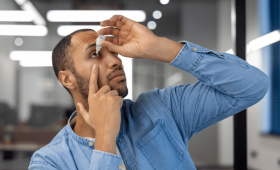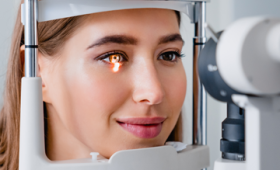
What is Strabismus and Why Does It Occur?
Strabismus fundamentally occurs when the muscles that move the eyeball do not work in harmony with one another. When the eyes look in different directions, it becomes difficult for the brain to combine the images from both eyes into a single three-dimensional image. The underlying causes are usually genetic, but complications during pregnancy or postnatal trauma also play a significant role. This imbalance between the muscles reduces visual quality and can lead to a loss of depth perception.
Do Genetic Factors Lead to Strabismus?
Yes, genetic predisposition is one of the most common causes of strabismus. Children with a family history of strabismus, amblyopia (lazy eye), or high refractive errors are at a much higher risk of developing this issue. Genes directly affect the development of eye muscles and the neural pathways that control them. Therefore, it is of vital importance for individuals with a family history of eye problems to have their children examined by a specialist ophthalmologist at an early age, even if no symptoms are present, to prevent potential permanent damage.
Why is Strabismus Seen in Babies?
Strabismus seen in babies usually stems from congenital muscle weakness or disruptions in the development of the nervous system. While it is considered normal for newborns to have occasional eye deviations in the first few months, any deviation that persists after the 4th month should be taken seriously. This condition in babies sometimes does not stop at the inability of one eye to focus; it can cause the brain to reject the image from that eye, leading to amblyopia (lazy eye). Early intervention ensures the healthy completion of the baby’s visual development.
Is Weakness in Eye Muscles a Cause of Strabismus?
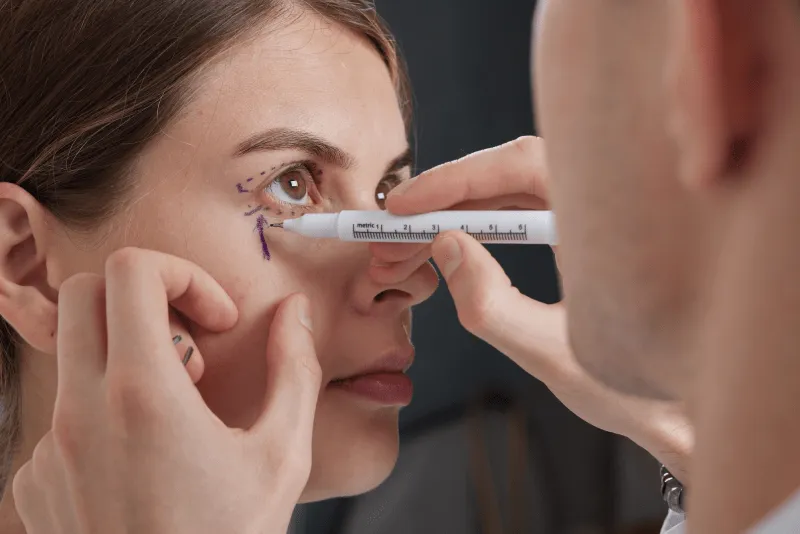
There are six basic muscles that allow our eyes to move easily in all directions. If one or more of these muscles are weaker or tighter than others, it causes the alignment of the eye to be disrupted. The vast majority of strabismus cases occur due to the failure of these muscles to work synchronously, resulting in a motor imbalance. Muscle weakness can be congenital, or it can develop in later ages due to nerve palsies or muscle diseases. The treatment plan is shaped according to exactly which muscle is weak.
Does Brain Damage Cause Strabismus?
Eye movements are a complex process directly controlled by the brainstem and the cerebral cortex. Therefore, conditions affecting the central nervous system, such as head trauma, brain tumors, cerebral palsy, or stroke, can lead to strabismus. In such cases, strabismus usually appears suddenly and manifests with double vision (diplopia). In strabismus caused by brain damage, treatment requires a multidisciplinary approach that covers not only the eye muscles but also the underlying neurological cause.
Do Refractive Errors Trigger Strabismus?
Refractive errors such as high hyperopia (farsightedness), myopia (nearsightedness), or astigmatism are among the most important triggers of strabismus. Especially in children with hyperopia, the eye tries to over-accommodate to see clearly. This excessive focusing effort creates a reflex that causes the eyes to turn inward. This is called “accommodative esotropia.” In many cases, it is observed that the eyes become parallel again simply with the use of the correct prescription glasses. That’s why an eye exam is the first step in diagnosing strabismus.
Why Does Strabismus Develop Later in Adults?
Strabismus that develops later in adults is usually based on a secondary cause. Diseases such as diabetes, hypertension, thyroid diseases (Graves’ disease), or neurological disorders can cause sudden eye deviations in adults. It is also possible for mild deviations from childhood that were not treated at the time to become more pronounced with age. In adults, strabismus is not just an aesthetic issue, but also a serious problem of double vision and loss of depth perception. Adult patients can get rid of this condition, which affects their social lives, with modern surgical methods.
Do Systemic Diseases Cause Strabismus?
Certain diseases that affect the body in general can directly impact the eye muscles or the nerves leading to these muscles. For example, diseases affecting the nerve-muscle junction like Myasthenia Gravis or vascular damage due to diabetes can cause temporary or permanent paralysis in the eye muscles. In these cases, eye deviations and drooping eyelids are frequently seen. In the treatment process, bringing the systemic disease under control is the primary priority; however, if the deviation becomes permanent, surgical intervention or prismatic lenses come into play.
What is Esotropia (Inward Turning)?
Esotropia is a condition where one or both eyes turn inward toward the bridge of the nose, and it is one of the most frequently encountered types of strabismus. It usually begins in childhood and is also referred to as “cross-eyedness.” Esotropia can be constant, or it can be in an intermittent form that becomes more pronounced during times of fatigue or illness. In the treatment of such deviations, glasses, patching therapies, and muscle surgery yield very successful results. Untreated esotropia leads to permanent lazy eye and loss of binocular (two-eyed) vision.
In Whom is Exotropia (Outward Turning) Seen?
Exotropia is the outward turning of one of the eyes, toward the direction of the ear. It usually becomes more noticeable in children when looking at long distances or in bright daylight. Exotropia patients often have a tendency to close one eye in bright light. This type of deviation is frequently intermittent; that is, the eye deviates when the person is tired, sleepy, or distracted, but straightens again when they gather their attention. Over time, these intervals can shorten and the deviation can become permanent. Surgical intervention is preferred in cases where outward turning cannot be controlled and affects social life.
What is the Difference Between Hypertropia and Hypotropia?
In these types, known as vertical deviations, one eye is positioned higher or lower than the other. If one eye turns upward, it is called “hypertropia,” and if it turns downward, it is called “hypotropia.” These deviations usually stem from imbalances in the oblique or rectus muscles that control the vertical movements of the eye. Vertical strabismus is less common than horizontal strabismus, but it is more likely to cause double vision. Patients usually try to establish balance by tilting their head to one side to prevent double vision.
What Does Pseudostrabismus (False Strabismus) Mean?
Especially in babies, the presence of a wide bridge of the nose or wide skin folds at the corners of the eyelids (epicanthus) can make the eyes appear to be turning inward. This is called “pseudostrabismus.” In reality, the eyes are parallel, and the light reflection is symmetrical in both pupils. Pseudostrabismus resolves on its own as the baby’s facial features develop and the bridge of the nose rises. However, to ensure this condition is not confused with real strabismus, a detailed examination by a specialist ophthalmologist must be performed.
What are the Symptoms of Latent Strabismus?
Latent strabismus is a deviation that is not noticed when both eyes are open thanks to the brain’s fusion ability, but appears when one of the eyes is closed. Usually, the eyes look normal from the outside, but the person experiences complaints such as headache, eye strain, and shifting of text during intense reading or computer work. The brain constantly exerts an extra effort to keep the eyes parallel. In its treatment, orthoptic exercises and the use of appropriate glasses are generally sufficient.
How is Paralytic Strabismus Recognized?
These are strabismus cases that develop suddenly as a result of paralysis in the 3rd, 4th, or 6th cranial nerves that manage the eye muscles. Its most prominent feature is the sudden onset of severe double vision. The eye cannot move in the direction of the paralyzed muscle. For example, in a 6th nerve palsy, the eye cannot look outward. This condition usually occurs due to vascular problems, head trauma, or neurological diseases. The treatment process usually begins with a waiting period (typically 6 months) for the underlying cause to heal. If there is no improvement, surgery or Botox is considered.
What Does Accommodative Strabismus Mean?
Accommodative strabismus is a type of inward turning that develops entirely due to a refractive error (especially hyperopia). While the eye focuses (accommodation) to clear the image, it also triggers a convergence reflex that turns the eye inward. If the degree of hyperopia is high, this reflex causes the eye to turn inward. The biggest characteristic of these patients is that the deviation completely disappears as soon as they wear appropriate hyperopia glasses. In such cases, regular glass use and follow-up are the most correct treatment methods rather than surgery.
Is the Use of Glasses Sufficient in Strabismus Treatment?
The use of glasses can create miraculous results, especially in strabismus related to refractive errors (accommodative). It takes the load off the muscles by reducing the eyes’ effort to focus and ensures the alignment of the eyes. However, not every type of strabismus is corrected with glasses. In cases where the muscles are mechanically too short or too long, or in nerve palsies, glasses alone will not be enough. Glasses are the cornerstone of treatment, and when supported by other methods (patching or surgery), the success rate rises above 90%.
How Effective are Eye Patching Exercises?
Eye patching therapy is used to treat “amblyopia” (lazy eye) caused by strabismus, rather than treating the strabismus itself. By closing the well-seeing eye for certain hours, the brain is forced to process the image coming from the deviating and weak eye. This method is extremely effective, especially in children before the ages of 7-9. Increasing visual acuity also directly positively affects surgical success. The duration and form of patching should be meticulously planned by the specialist doctor according to the child’s age and the degree of vision loss.
Do Prismatic Lenses Correct Strabismus?
Prismatic lenses do not physically correct the deviation of the eye, but by refracting the direction of light, they ensure that the image falls exactly on the center (fovea) of the deviating eye. In this way, the problem of double vision (diplopi), especially seen in adults, is eliminated. Prisms are generally used in mild deviations or as supportive measures before/after surgery. Rather than being a permanent treatment method, it is a functional optical solution that increases the patient’s comfort and helps the brain combine images from both eyes.
When is Strabismus Surgery Necessary?
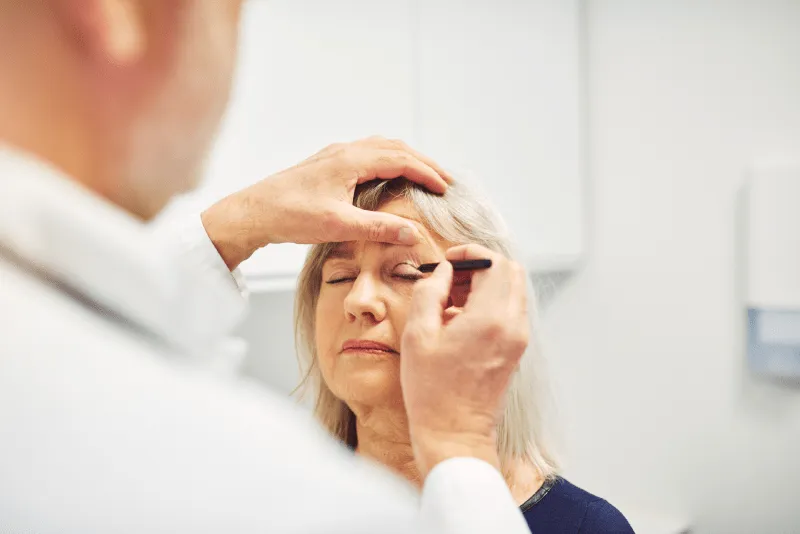
Surgical intervention is mandatory in cases that do not improve with glasses, patching, or exercise methods, where the deviation angle is wide, or where it threatens binocular vision as well as aesthetic concerns. The aim of the surgery is to balance the strengths of the muscles that move the eyeball and make the eyes parallel to each other. The desired balance is achieved by changing the attachment points of the muscles (recession) or shortening their lengths (resection). With modern surgical techniques, sutureless or minimal invasive methods can be applied, and the healing process is completed quite quickly.
Does Strabismus Recur After Surgery?
Although strabismus surgeries generally have high success rates, the brain’s mechanism for controlling the eyes can sometimes return to its old habits. Especially in patients with lazy eye or those who have not developed binocular vision, there is a risk of seeing deviation again in the long term. However, this does not mean the surgery was unsuccessful; sometimes an excellent result can be obtained with a second small intervention or an “adjustable suture” method. Regular doctor check-ups and performing the recommended post-operative exercises minimize the risk of recurrence.
Is Botox Treatment Used in Strabismus?
Yes, botulinum toxin (Botox) is used as an alternative or support to surgery in strabismus treatment. Especially in sudden onset nerve palsies or small-angle deviations, Botox injected into the overworking muscle temporarily paralyzes that muscle. This allows the opposing muscle to strengthen and the eye to reach the midline. The effect of Botox usually lasts 4-6 months, but in some cases, muscle balance can be permanently established within this period. It is a safe option for patients who do not want surgery or cannot receive general anesthesia.
Why is Early Diagnosis Important in Strabismus Treatment?
Eye development in children is completed within the first 7-9 years. During this time, the neglect of one eye by the brain due to strabismus leads to an irreversible loss of vision (lazy eye) that lasts a lifetime. When diagnosed early, a problem that could be corrected with just simple glasses or patching may require complex surgical processes when late. Even if children have no complaints, being examined by a specialist ophthalmologist at the 6th month, at the age of 3, and in the pre-school period is critical for a healthy future.
What is Vision Therapy?
Vision therapy is a series of physical and neurological exercises specially planned for the individual, aimed at strengthening the communication between the eyes and the brain. It does not focus only on muscle strength; it also improves visual focus, eye tracking, and the coordinated work of the two eyes. It is successfully applied especially in latent strabismus, cases of convergence insufficiency, and in visual rehabilitation after surgery. This therapy, performed with computer-aided programs and special optical instruments, is an extremely effective method for increasing the permanence of strabismus treatment.
What Should Be Considered After Strabismus Surgery?
The post-operative process is at least as important as the surgery itself to preserve the success of the result. For the first few weeks, regularly using the antibiotic and cortisone drops prescribed by your doctor is of vital importance to prevent the risk of infection. It is necessary not to rub the eye and to stay away from environments carrying infection risks like pools or the sea. Usually, one can return to normal reading and watching activities 1-2 days after surgery. Cure Holiday specialists continue to be by your side at every step, guiding you through your healing process.
What is the Success Rate in Strabismus Treatment?
Today, strabismus treatment has a very high success rate of around 90-95% with correct diagnosis and correct surgical planning. The real aim of the treatment is not just for the eyes to look straight, but for the brain to regain the ability to use both eyes simultaneously (binocular fusion). Success is much more permanent, especially in interventions performed during childhood. In adults, besides the aesthetic appearance, the increase in social self-confidence is one of the greatest gains of treatment. The treatment you will receive in Turkey with Cure Holiday is performed by professional teams that bring these success rates to the highest level.
Why Should Turkey Be Chosen for Strabismus Treatment?
Turkey is one of the leading countries in the field of “Eye Surgery” worldwide. With its state-of-the-art hospitals, specialist surgeons with thousands of cases of experience, and service quality at international standards, Turkey is one of the most reliable addresses for strabismus treatment. The provision of high-standard health services at much more economical costs compared to Europe and America has made Turkey a global center. Additionally, the ability of patients to access treatment without waiting times ensures fast and effective management of the process.
How are Strabismus Surgery Costs in Turkey?
Although strabismus surgery costs in Turkey vary according to the patient’s condition and the chosen hospital standards, they are generally 50% to 70% more advantageous compared to Western countries. This low cost does not mean that service quality is compromised; on the contrary, the high competition and exchange rate advantage in Turkey reflects positively on the patient. Intermediary institutions like Cure Holiday establish the best price-performance balance for patients and offer transparent and all-inclusive packages. In this way, patients can plan their budgets without encountering additional costs.
How Does the Treatment Process Start with Cure Holiday?
As soon as you contact Cure Holiday, expert consultants hold a preliminary meeting with you. Your current reports and complaints are analyzed and shared with Turkey’s most experienced strabismus specialists. After the most suitable treatment plan is created for you, all organizations from your flight ticket to your appointment time are meticulously planned. Cure Holiday offers its patients not just a medical appointment, but a personalized roadmap. All your questions are answered before treatment, ensuring you set out with confidence.
What are the Accommodation Advantages Provided by Cure Holiday?
One of the most important parts of the treatment process is a comfortable resting environment. Cure Holiday offers its patients and their companions high-standard and hygienic accommodation options close to the hospitals. These hotels, which have all kinds of comfort you might need during the recovery period, ensure a peaceful healing process. The Cure Holiday team stays in constant contact with you throughout your stay, responding instantly to all your needs. Every detail is thought of in advance for you to have a treatment experience in the comfort of your home.
Are Eye Doctors in Turkey Specialists?
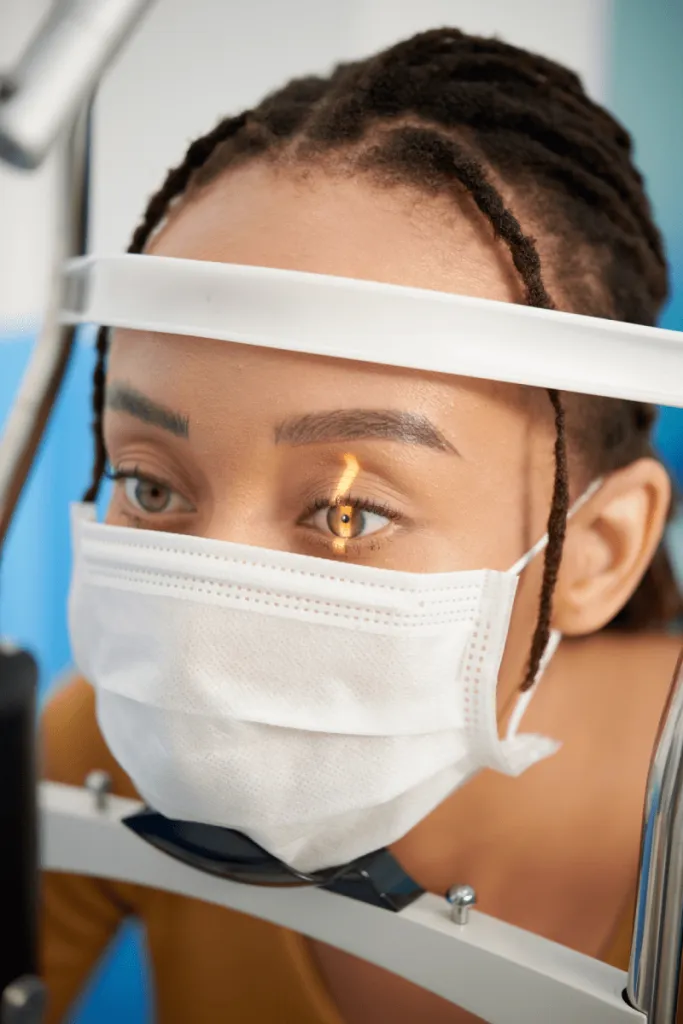
Turkey is a country where medical education and the specialization process are quite challenging. Turkish doctors who have specialized in oftalmology (eye sciences) perform thousands of successful strabismus surgeries every year. Many of these surgeons, who are trained abroad and present at international congresses, serve in special clinics specialized in “strabismus.” Following technological developments closely, these specialists are extremely successful not only in aesthetic correction but also in achieving functional results that increase vision quality.
How Do Transfer Services with Cure Holiday Work?
Cure Holiday is by your side from the moment you step into Turkey. Our professional transfer team, which meets you at the airport, provides your transportation to your hotel and hospital with special VIP vehicles. All your transportation needs within the city are coordinated according to your treatment program. Thanks to the translators accompanying you so that you don’t experience a language barrier, your procedures within the hospital are completed quickly. Our transfer services are offered at the highest comfort standards to ensure the patient stays away from stress and focuses only on their health.
Is Both Treatment and Holiday Possible in Turkey?
As the name Cure Holiday suggests, Turkey offers you both healing and an unforgettable holiday opportunity. After strabismus surgery, patients can usually return to their social lives within a few days. Discovering the historical texture of Istanbul, resting on the unique beaches of Antalya, or tasting the flavors of Turkish cuisine turns your treatment process into a pleasant memory. In your post-operative control process, you can return to your country renewed both physically and mentally by discovering Turkey’s touristic values.
Free Consultation
Fill out the form below to get your free medical travel plan and price quote.
Sources and how to verify this yourself
- Ministry of Health, Regulation on International Health Tourism and Tourist Health, Official Gazette 26 April 2025, No. 32882 — authorisation requirement for facilities and intermediaries, TÜSKA accreditation, compulsory complication insurance (deadline 31 December 2025 for insurance, 31 December 2026 for accreditation). source
- Ministry of Health, Regulation on Promotion and Information Activities in Health Services, Official Gazette 12 November 2025, No. 33075 — treatment promises and guarantees are prohibited; price and campaign announcements are permitted only within international health tourism. source