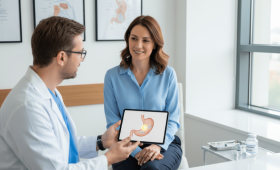
What Is Dumping Syndrome?
Dumping syndrome is a condition where food, especially after weight loss surgeries like Gastric Bypass or Sleeve Gastrectomy, leaves the stomach too quickly and “dumps” into the small intestine (jejunum). This situation causes unconditioned undigested nutrients to enter the intestine, creating sudden hormonal and physical reactions in the body. Typically occurring shortly after consuming sugary and high-carbohydrate foods, this condition can be quite uncomfortable for patients, but it can be controlled with the right nutritional strategies.
Why Does Weight Loss Surgery Lead To Dumping Syndrome?
Bariatric surgical interventions not only reduce stomach volume but can also disable or bypass the valve system (pylorus) that allows passage from the stomach to the duodenum. In a normal digestive process, the stomach slowly delivers food to the intestine by bringing it to a consistency suitable for digestion. However, because this brake mechanism is weakened after surgery, food passes directly and rapidly into the small intestine. This rapid transition is the fundamental physiological change that causes various symptoms by suddenly changing the osmotic pressure of the intestine and drawing fluid from surrounding tissues.
What Are The Symptoms Of Early Dumping Syndrome?
Early dumping syndrome includes symptoms that develop within the first 10 to 30 minutes after a meal. Common symptoms include nausea, vomiting, abdominal pain, cramps, and severe diarrhea. Physiologically, an increase in heart rate (tachycardia), sudden sweating, facial flushing, and dizziness are observed. The primary reason for these symptoms is that the food suddenly filling the small intestine draws fluid from within the vessels into the intestinal cavity, resulting in fluctuations in blood pressure. Patients usually feel the need to lie down during this period.
Under Which Conditions Does Late Dumping Syndrome Occur?
Late dumping syndrome usually occurs 1 to 3 hours after eating, and its mechanism is different from early dumping. This condition is entirely related to blood sugar levels. Sugary foods that enter the intestine quickly cause a sudden rise in blood sugar. The body reacts to this situation by secreting excessive amounts of insulin. Excess insulin rapidly lowers blood sugar, creating a condition called “reactive hypoglycemia.” At this stage, patients may experience symptoms such as tremors, cold sweats, confusion, intense hunger, and sometimes fainting.
What Are The Risk Factors After Gastric Bypass Surgery?
Patients who have had Gastric Bypass surgery are the group most prone to dumping syndrome because the stomach valve is completely disabled in this operation. High glycemic index foods, refined sugars, and the habit of eating too quickly are at the top of the risk factors. Additionally, consuming liquids with solid foods is a critical factor that increases the risk, as it causes food to slide into the intestines even faster. The patient’s genetic structure and intestinal sensitivity are other personal risk factors that determine the severity of symptoms.
Does Dumping Syndrome Occur In Gastric Sleeve Surgery?
In Gastric Sleeve (Sleeve Gastrectomy) surgery, the risk of dumping syndrome is lower than in gastric bypass because the pyloric valve is preserved; however, this does not mean there is no risk. The very small volume of the stomach and the fact that the stomach is now in the shape of a tube can cause food to move quickly. Especially in cases where the gastric emptying rate increases or in cases of excessive sugar consumption, gastric sleeve patients can also experience classic dumping symptoms. Therefore, regardless of the type of surgery, following nutritional rules after bariatric surgery is of vital importance.
How Do Sugary Foods Trigger Dumping Syndrome?
Simple sugars are the components that are most rapidly absorbed by the body and create the highest osmotic pressure in the intestines. When table sugar, honey, molasses, sweets, and carbonated drinks reach the intestine, the body draws a large amount of water from the vessels into the intestines to dilute this intense sugar load. While this sudden fluid shift initiates early dumping symptoms, it also stimulates the pancreas, leading to an insulin explosion. As a result, both a chaos occurs in the digestive system and dangerous fluctuations occur in blood sugar.
Is Dizziness Seen Immediately After Eating Normal?
Experiencing dizziness immediately after a meal in the post-operative period is a common occurrence but should not be dismissed as “normal.” This is usually part of early dumping syndrome. There may be a temporary decrease in blood flow to the brain due to the shift of blood volume to the intestines. If this dizziness is accompanied by heart palpitations and sweating, it is an important signal that there is an error in your eating style or that the food you consumed is not suitable for your body.
How Is Dumping Syndrome Diagnosed?
Dumping syndrome is mostly diagnosed by following the patient’s clinical history and the symptoms they experience. Your doctor will ask you how long after meals you experience these symptoms and which foods you consume. For a definitive diagnosis, an “Oral Glucose Tolerance Test” can sometimes be applied. In this test, the patient is given a sugary liquid to drink, and blood sugar, pulse, and symptoms are monitored at certain intervals. Additionally, special questionnaires where the patient scores their symptoms are among the professional tools that help experts during the diagnosis phase.
How Do Eating Habits Affect Dumping Syndrome?
Eating habits are both the cause and the only real solution for dumping syndrome. The content of meals, the speed of consumption, and even the temperature of foods can affect symptoms. Eating little and often reduces the pressure on the stomach. Chewing food very well allows the pieces falling into the stomach to be smaller, facilitating digestion. When a correct nutritional routine is established, the body adapts to the new anatomy over time, and the frequency and severity of dumping attacks begin to decrease significantly.
Why Should Liquid And Solid Foods Not Be Consumed Together?
The golden rule after weight loss surgery is the “30-minute rule.” Consuming liquids during a meal causes solid foods to mix with the liquid, turn into a slurry, and leave the stomach much faster than normal. This is one of the most direct triggers of dumping syndrome. Stopping liquid consumption 30 minutes before and 30 minutes after a meal allows the stomach to deliver food to the intestine at a more controlled rate. This simple habit change can completely eliminate symptoms in most patients.
Why Is Carbohydrate Selection Important For Dumping Syndrome?
Not all carbohydrates are digested in the same way. Simple carbohydrates (white flour, sugar) maximize the risk of dumping, while complex carbohydrates (whole grains, legumes, fibrous vegetables) are digested more slowly. Complex carbohydrates raise blood sugar more steadily and do not cause sudden fluid withdrawal when they reach the intestine. Therefore, including foods with a low glycemic index in your diet both supports your weight loss process and protects you from the uncomfortable effects of dumping syndrome.
Does Protein-Oriented Nutrition Reduce Symptoms?
Proteins are macronutrients that are digested much more slowly than carbohydrates and leave the stomach later. Giving priority to protein in every meal (chicken, fish, eggs, cheese) naturally slows down the emptying rate of the stomach. Protein also increases the feeling of satiety, helping with portion control. When the foundation of your nutrition plan consists of proteins, your appetite for sugary foods that carry a dumping risk will also decrease. This is the most effective approach for both metabolic health and dumping management.
How Should A Patient Experiencing Dumping Syndrome Feel?
A patient experiencing dumping syndrome may feel serious panic and discomfort at that moment. A cramp accompanied by bloating and rumbling sounds in the abdomen, followed by sudden weakness and a feeling like they are going to faint, is typical. Many patients describe this as “feeling as if the body is failing.” However, it should be known that this condition is temporary and the body usually recovers within 30-45 minutes. The important thing is to accept this feeling as a warning and not repeat the mistake in the next meal.
Are Sweating And Palpitations Symptoms Of Dumping?
Yes, sweating and palpitations are the most characteristic findings of both early and late dumping syndrome. In early dumping, changes in blood volume stimulate the autonomic nervous system, causing these symptoms. In late dumping, the body secretes adrenaline in response to low blood sugar (hypoglycemia). This adrenaline discharge increases the heart rate and leads to cold sweating. If you suddenly find yourself in a sweat after eating and feel your heart beating as if it will burst out of your chest, you are likely having a dumping attack.
What Is The Link Between Hypoglycemia And Dumping Syndrome?
Late dumping syndrome is actually a reactive hypoglycemia picture. Normally, insulin is secreted to transport blood sugar to the cells. However, in the case of dumping, the pancreas “overreacts” due to the sugar rushing into the intestine and produces much more insulin than needed. This excess insulin pulls the sugar in the blood below normal levels. When hypoglycemia develops, the brain loses its energy source, and this leads to dizziness, fainting, and cognitive impairments. Understanding this link is critical to comprehending why sugar should be avoided.

Is Dumping Syndrome A Permanent Condition?
For most patients, dumping syndrome is not permanent. Within the first year after surgery, the body adapts to the new anatomical structure and the transit speed of nutrients. The intestines start to work more efficiently, and hormone levels balance out. Usually, as one gets used to the nutrition routine, symptoms disappear on their own. However, in some patients, symptoms can be seen even years later as long as nutritional errors continue. In rare cases, it can become chronic depending on the anatomy, and in this case, medical treatment or revision surgeries may be required.
What Should Be Considered In The First Months After Surgery?
The first months after surgery are the period when the digestive system is most sensitive. In this process, transitions between liquid, puree, and solid food should be made very meticulously under doctor’s supervision. To avoid dumping syndrome, new foods should be tried one by one and the body’s reaction should be measured. Very cold or very hot drinks should be avoided, and foods should be consumed at room temperature. Also, in this period, it should be ensured that supplement protein powders do not contain sugar, and maximum attention should be paid to vitamin-mineral balance.
How Does Portion Control Reduce Dumping Risk?
Consuming a portion above your stomach capacity causes food to be pushed into the small intestine with pressure. Small portions provide the time needed for the stomach to grind food and deliver it to the intestine bit by bit. Instead of consuming too much food at once, 5-6 small meals spread throughout the day should be preferred. Using small plates and cutlery are psychological hacks that facilitate portion control. The less the stomach is strained, the lower the probability of experiencing dumping syndrome.
Does Eating Quickly Cause Dumping Syndrome?
Eating quickly is one of the most dangerous habits after bariatric surgery. When food is not chewed enough and is swallowed quickly, the stomach cannot process them and “bursts” into the small intestine in masses. This situation directly triggers dumping. It is recommended to chew each bite at least 20-30 times and spread a meal over at least 20 minutes. Eating slowly will also directly increase overall weight loss success as it allows time for satiety signals to reach the brain.
How Does Dumping Syndrome Affect Quality Of Life?
If not kept under control, dumping syndrome can seriously restrict the patient’s social and professional life. Fear of eating out, sudden feelings of fainting at work, or constant concern about diarrhea can create psychological pressure. However, patients who manage this situation realize that dumping actually works like a “seat belt.” This harsh reaction of the body to sugary and unhealthy foods forces the patient to eat correctly and creates a natural barrier that prevents weight regain.
Is Psychological Support Necessary During The Dumping Process?
Adapting to the physical changes experienced after weight loss surgery is not always easy. Complications like dumping syndrome can lead to anxiety, depression, or eating disorders in the patient. At this point, getting psychological support or working with a bariatric counselor is very valuable for overcoming fears and mentally transforming eating habits. It is very important for people with emotional eating habits to get professional guidance so as not to confuse the physical pain of dumping with emotional emptiness.
Is There A Drug Treatment For Dumping Syndrome?
When dietary changes are not sufficient, doctors may resort to drug treatment. The most commonly used drugs are components like “acarbose” or “octreotide,” which slow down gastric emptying and balance intestinal hormones. These drugs help stabilize blood sugar fluctuations, especially in patients experiencing severe reactive hypoglycemia. However, drug treatment is always in the second plan and does not offer a permanent solution on its own unless supported by a nutritional routine. Treatment must be planned under the supervision of a specialist.
Can Surgical Intervention Correct Dumping Syndrome?
In very rare and severe cases, surgical revision may be considered in situations that do not respond to nutrition and drug treatment. The aim of these revisions is to make anatomical arrangements that will slow down gastric emptying. For example, if the opening where the intestine is connected to the stomach (stoma) is too wide, this opening can be surgically narrowed. However, every new operation carries its own risks. Therefore, surgical intervention should always be evaluated as a last resort and focus should primarily be on lifestyle changes.
Do Vitamin Deficiencies Trigger Dumping Syndrome?
Although they do not trigger it directly, dumping syndrome can lead to vitamin and mineral deficiencies or aggravate the symptoms of existing deficiencies. Since the absorption time of nutrients is shortened in a patient experiencing constant diarrhea, iron, calcium, B12, and vitamin D deficiencies are common. These deficiencies can also cause weakness and dizziness, mixing with dumping symptoms. Therefore, having regular blood tests and fully using the supplements recommended by your doctor ensures that your body remains resilient.
How Should First Aid Be When Dumping Syndrome Is Experienced?
The first thing you should do the moment you feel a dumping attack is to stop and rest. If possible, you should immediately lie down in a supine or slightly side position. Lying down slows down gastric emptying with the effect of gravity and helps blood to be distributed more balanced from the digestive system to the brain. You should not panic during the attack and take deep breaths. You should not eat or drink anything until the symptoms pass (usually 30-60 minutes) and allow your body to calm down.
Does Alcohol Consumption Increase Dumping Symptoms?
Yes, alcohol is very dangerous after bariatric surgery in terms of both absorption speed and dumping risk. The sugar in alcohol triggers dumping, while alcohol itself leaves the stomach very quickly after surgery and enters the blood suddenly. This situation causes the patient to get drunk very quickly even with very little alcohol and experience severe dumping. Alcohol also tends to lower blood sugar, which doubles the hypoglycemia effect of late dumping. It is recommended to stay away from alcohol completely for the first year after surgery.
What Is The Effect Of Fibrous Foods On Dumping?
Fibrous foods are one of your best friends against dumping syndrome. Soluble fibers (flesh of fruits like oats, apples, pears) slow down the passage rate to the intestines by increasing the viscosity (consistency) of the stomach contents. Also, since fibers slow down sugar absorption, they prevent sudden rises and falls in blood sugar. Adding a small amount of fibrous vegetables or suitable grains to every meal will make your digestive system more stable. However, increasing the amount of fiber gradually is important to prevent bloating.
How Should The Balance Between Exercise And Nutrition Be Established?
Regular exercise is the foundation of the weight loss process, but its timing is critical in terms of dumping syndrome. Heavy exercises performed immediately after a meal can make digestion difficult by directing blood flow to the muscles and increase the risk of dumping. The ideal is to start with moderate-paced walks at least 1-1.5 hours after eating. To prevent dehydration during exercise, water should be consumed, but this fluid intake should also be done sip by side and independently of meals.
Is There A Risk Of Dumping Syndrome During Pregnancy?
In women who become pregnant after weight loss surgery, dumping syndrome management becomes more sensitive as nutritional needs increase. The absorption of nutrients necessary for the baby’s development may be impaired due to dumping-related diarrhea. Hormonal changes during pregnancy can also affect blood sugar balance. Working in cooperation with both an obstetrician and a bariatric dietitian in this process is essential to protect the health of both mother and baby.
Is Dumping Syndrome More Severe In Elderly Patients?
In elderly individuals, metabolism and digestion speed differ from younger ones. Less muscle mass and possible co-morbidities (diabetes, blood pressure) can make the effects of dumping syndrome more devastating. The risk of dehydration (fluid loss) is higher in elderly patients, so symptoms like diarrhea can lead to a general condition disturbance much faster. The nutrition plan in elderly patients should be followed more strictly and symptoms should be managed meticulously.
Is A Healthy Start Possible With Cure Holiday?
You do not have to fight challenges like dumping syndrome alone in the post-operative process. Cure Holiday provides you with professional guidance at every step of your weight loss journey, ensuring that you go through this process in the healthiest and most comfortable way. With our expert staff, we minimize complication risks by preparing personalized treatment plans and help you reach your goal safely. Choosing the right address for a healthy life is half of your success.
How Do Cure Holiday Experts Manage The Dumping Process?
The Cure Holiday team closely follows not only the physical but also the psychological dimensions of dumping syndrome. Our experienced bariatric dietitians and doctors prepare special nutrition protocols for you and teach you in detail which foods will be good for your body and how to protect yourself from attacks. Thanks to our continuous support mechanism, we relieve your concerns by being by your side in every problem you experience and optimize your treatment process in the light of scientific data.
How To Get Post-Operative Support With Cure Holiday?
Our treatment process does not just end on the operating table; we are aware that the real journey begins after the operation. Patients receiving treatment with Cure Holiday benefit from uninterrupted consultancy services during the recovery period. You can get instant guidance on issues such as dumping syndrome and have your nutrition list updated according to your body’s reactions. By contacting us, you can get detailed information about our professional follow-up services that will increase your quality of life after weight loss and not leave your health to chance.
Why Should Cure Holiday Be Preferred?
Cure Holiday makes a difference with its patient-oriented approach, latest technological possibilities, and deep experience in bariatric surgery. Our expertise in managing complications like dumping syndrome is the fundamental power behind the success stories of thousands of our patients. By choosing Cure Holiday for a safe, ethical, and high-quality health service, you not only lose weight but also turn healthy nutrition awareness into a lifestyle. Contact us today for a new chapter in your life.
Free Consultation
Fill out the form below to get your free medical travel plan and price quote.