Cost and planning note (Kuşadası 2026 Data)
The figures below are indicative market ranges, not a quote: your own price is confirmed after a clinical assessment.
Indicative price range: Hollywood Smile Full: 3,000 – 5,000 USD | Zirconia Crown Per: 180 – 300 USD | E Max Veneer Per: 250 – 400 USD | Dental Implant Per: 400 – 800 USD (Top Brands) | All On 4 System: 4,000 – 7,000 USD | All On 6 System: 5,500 – 9,000 USD | Laser Whitening: 200 – 350 USD
Facility standards: In Türkiye, any facility treating international patients must hold the Ministry of Health’s international health tourism authorisation; hospitals and medical centres must also be accredited by TÜSKA, and complication insurance is compulsory for procedures carried out in an operating theatre (Regulation of 26 April 2025).
Location: Proximity to Ege Port Cruise Terminal & Ephesus.
Currency: GBP, EUR, USD accepted.
How to Read Reviews for Turkish Dental Clinics Without the Bias
Decoding Turkish Dental Reviews: A Foundation for Informed Decisions in Kuşadası
The allure of combining dental treatment with a Turkish Riviera holiday, specifically in Kuşadası, is growing. However, navigating online reviews can be treacherous. The sheer volume of information, coupled with the potential for biased or inaccurate accounts, necessitates a discerning approach. This article focuses on providing the framework for evaluating Turkish dental clinics, specifically those catering to international patients seeking procedures like Hollywood Smiles and dental implants, ensuring a focus on technical excellence and patient safety.
Beyond the Star Rating: Key Technical Indicators
A five-star review is satisfying, but it’s ultimately superficial. Truly understanding a clinic’s capabilities requires digging deeper. Look for evidence of a robust technical foundation. This extends far beyond aesthetic promises and requires recognizing key indicators of quality.
- Digital Workflow & Precision: Modern dentistry increasingly relies on digital technologies. Clinics utilizing CAD/CAM (Computer-Aided Design/Computer-Aided Manufacturing) are crucial for predictable, high-precision restorations. This isn’t simply about faster turnaround; it’s about minimizing material waste, achieving superior marginal fit (the critical juncture where the restoration meets the tooth), and ultimately, enhancing longevity. Specifically, look for mentions of intraoral scanners (like iTero or Trios) which replace messy impressions with digital models. Reviews alluding to ‘digital smile design’ suggest a holistic, pre-visualization approach allowing you and the dentist to collaboratively refine the aesthetic and functional outcome.
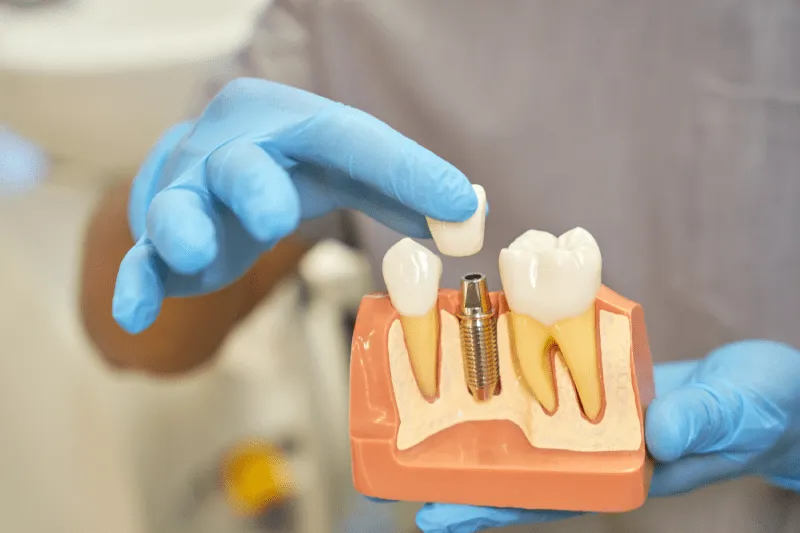
- Advanced Imaging & Diagnostics: The foundation of any successful implant or complex restorative case is accurate diagnosis. 3D Cone Beam Computed Tomography (CBCT) imaging is *essential* for pre-operative assessment. This technology provides a three-dimensional view of the jawbone, nerves, and sinuses, allowing the dentist to precisely plan implant placement and avoid vital structures. Standard 2D X-rays are insufficient for the detailed information required for optimal implant planning. Reviews mentioning CBCT scans are a positive sign.
- Material Science & Biocompatibility: The materials used in dental restorations significantly impact both aesthetics and long-term health. While various materials are available, certain standards are indicative of quality. For instance, when considering veneers, look for clinics emphasizing e-max (lithium disilicate) or high-quality feldspathic porcelain, known for their natural aesthetics and strength. Similarly, implant reviews should highlight the brand of implant used – reputable brands often adhere to stricter manufacturing standards. Expect to see pricing variations reflecting material quality; a zirconia crown per unit can range from 180 – 300 USD while an e-max veneer per unit falls between 250 – 400 USD.
- Surgical Skill & Protocols: For implantology and more complex procedures, the surgeon’s experience and adherence to established protocols are paramount. Reviews mentioning guided surgery (using surgical templates created from CBCT scans) suggest a commitment to precision and minimal invasiveness. Furthermore, understand the implant system employed; All-on-4 systems (ranging from 4,000 – 7,000 USD) and All-on-6 systems (5,500 – 9,000 USD) are advanced techniques, but successful implementation relies on meticulous planning and surgical execution.
Accreditation & Regulatory Oversight: The Safety Net
Accreditation isn’t merely a badge; it’s a validation of a clinic’s commitment to internationally recognized standards of care. In Turkey, several certifications demonstrate a dedication to quality.
- JCI (Joint Commission International): While not exclusive to dentistry, JCI accreditation is a globally recognized benchmark for healthcare quality and patient safety. It signifies adherence to stringent standards in areas like infection control, medication management, and patient rights.
- TÜRSAB Medical Tourism Certified: This certification, awarded by the Turkish Travel Agencies Association, confirms that the clinic adheres to specific regulations regarding medical tourism practices, including informed consent, insurance, and post-operative care.
- Ministry of Health Regulation: All legitimate dental clinics in Turkey are regulated by the Ministry of Health. Verification of this is often available through public records, although it isn’t always prominently displayed in marketing materials.
Kuşadası: A Strategic Hub for Dental Tourism
Kuşadası’s growing popularity as a dental tourism destination is not accidental. Several factors contribute to its appeal:
- Accessibility: The proximity of Izmir Adnan Menderes (ADB) airport (a 45-60 minute transfer) makes it easily accessible from many European cities. Crucially, Kuşadası also boasts the Ege Port Kuşadası cruise port, allowing for potential consultations and even day-treatments for cruise passengers.
- Infrastructure: Kuşadası offers a well-developed tourism infrastructure, including a wide range of accommodation options, from luxury boutique hotels to beachfront resorts and even thermal spas – ideal for post-operative recovery and relaxation.
- Attractions: The region is rich in historical and natural attractions, including the Ephesus Ancient City (20 minutes away), Pigeon Island (Güvercinada), Ladies Beach, and the pristine Dilek Peninsula National Park. This allows patients to combine treatment with a memorable holiday experience.
Decoding Cost Transparency and Realistic Expectations
While competitive pricing is a major draw, prioritizing cost above all else is a risky strategy. Understand that the price of a Hollywood Smile full mouth restoration can range from 3,000 – 5,000 USD, while a single dental implant (top brands) typically falls between 400 – 800 USD. Be wary of significantly lower prices, as they may indicate compromised materials or expertise. Look for clinics that offer detailed treatment plans with transparent cost breakdowns. Also, remember that complex procedures often require multiple visits and potential adjustments – factor this into your overall budget.
The Role of Patient Coordinators & Communication
Effective communication is vital, especially for international patients. Clinics specializing in dental tourism should employ English, German, and Irish-specialized Patient Coordinators who can facilitate communication, arrange appointments, and provide logistical support. Pay attention to reviews mentioning responsive and helpful patient coordinators. Furthermore, the availability of a free online video consultation before travel is a valuable service, allowing you to discuss your needs and assess the dentist’s approach.
Finally, remember to investigate what aftercare is offered. Comprehensive treatment plans should incorporate ongoing maintenance and follow-up to ensure the long-term success of your dental work.
Navigating the Structural Journey: A Patient’s Experience in Kuşadası Dental Care
For patients considering dental work abroad, particularly complex procedures like full mouth rehabilitation, understanding the logistical and clinical pathway is paramount. This isn’t merely about cost; it’s about ensuring a seamless, safe, and predictable outcome. Kuşadası, Turkey, increasingly attracts dental tourists, but a meticulous assessment of the structural journey – from initial contact to post-operative recovery – is essential. This pillar delves into what a typical patient experience looks like, focusing on a case study and highlighting the robust safety protocols implemented by leading Kuşadası dental facilities.
Step-by-Step Procedure: A Typical Patient Flow
The journey begins long before arrival in Kuşadası. Reputable clinics emphasize pre-treatment diagnostics. The initial phase leverages digital radiology. Patients typically submit existing dental records (panoramic radiographs, periapical x-rays, and ideally, a Cone Beam Computed Tomography – CBCT – scan). A CBCT scan is critical for accurate assessment of bone density, nerve proximity (inferior alveolar nerve especially pertinent during implant placement), and overall anatomical structures. This minimizes surgical risks and allows for precise implant positioning guided by digital planning software.
Following records review, a free online video consultation with a qualified dentist and patient coordinator is standard. This allows for a preliminary assessment of needs and a discussion of potential treatment plans. During this consultation, a detailed treatment plan, including procedural timelines and associated costs, is provided. Transparency is key; patients should receive a breakdown of expenses, covering everything from restorative materials to anaesthesia and follow-up appointments.
Upon arrival in Kuşadası, patients are typically met at Izmir Adnan Menderes (ADB) airport, approximately a 45-60 minute transfer away. Many clinics offer VIP transport services. The first in-clinic appointment focuses on clinical examination and validation of the pre-treatment plan. This includes a thorough assessment of the patient’s oral health, occlusion (bite), and aesthetic expectations. Intraoral scanners are routinely used to create a digital impression of the patient’s mouth, eliminating the need for messy traditional impressions.
Treatment is phased. For example, in a full mouth reconstruction case, extractions (if necessary) are performed first, followed by bone grafting (using biocompatible materials like Bio-Oss) if sufficient bone volume isn’t present to support implants. After an appropriate healing period, implant placement occurs. Implant systems typically employ surgical guides created from the CBCT data and digital planning, ensuring accurate angulation and depth. The use of soft tissue lasers during implant surgery promotes haemostasis (stopping bleeding) and minimizes post-operative discomfort.
Once implants have osseointegrated (fused with the jawbone – typically 3-6 months), the restorative phase begins. CAD/CAM technology plays a vital role. Digital impressions are used to design and fabricate the final restorations – whether zirconia crowns (180 – 300 USD per unit), E-max veneers (250 – 400 USD per unit), or a full arch prosthesis like an All-on-4 (4,000 – 7,000 USD) or All-on-6 (5,500 – 9,000 USD) system. This digital workflow enhances precision, fit, and aesthetics. Temporary restorations are often fitted initially to assess aesthetics and function before the final restorations are cemented or screwed in place.
Case Study: 55-Year-Old UK Patient – Addressing Severe Atrophic Ridge & Aesthetic Concerns
Consider a 55-year-old patient from the UK presenting with severe bone loss in the posterior mandible (lower jaw) and aesthetic concerns regarding their anterior dentition. Traditional dentures were unstable and caused discomfort. A comprehensive diagnostic workup, including a CBCT scan, revealed significant atrophic ridge (bone loss) requiring bone grafting prior to implant placement.
The treatment plan involved bilateral bone grafting with a synthetic bone substitute, followed by the placement of 4 dental implants in the mandible. A digital surgical guide, generated from the CBCT data, was used to ensure accurate implant positioning, avoiding the inferior alveolar nerve. After osseointegration, a custom-made zirconia framework supported a full arch of ceramic teeth, providing a fixed, functional, and aesthetically pleasing solution. The patient also received 6 E-max veneers on their maxillary (upper) teeth to address colour discrepancies and minor aesthetic imperfections. The entire procedure, from initial consultation to final restoration, spanned approximately six months, including travel and healing times.
Safety Protocols: A Multi-Layered Approach
Patient safety is paramount. Leading Kuşadası dental clinics adhere to stringent international standards. Accreditations such as JCI (Joint Commission International), TÜRSAB Medical Tourism Certified, and registration with the Ministry of Health demonstrate a commitment to quality care.
Beyond accreditations, robust internal protocols are in place:
- Sterilization & Infection Control: Clinics employ autoclaves and chemical sterilization techniques to ensure all instruments are thoroughly disinfected. Single-use disposable materials are preferred whenever possible. Strict adherence to universal precautions is maintained.
- Anaesthesia Management: Qualified anaesthesiologists are available for complex procedures or patients with medical conditions. Continuous monitoring of vital signs during sedation or general anaesthesia is standard.
- Post-Operative Care & Monitoring: Detailed post-operative instructions are provided, including pain management protocols and wound care guidelines. Follow-up appointments are scheduled to monitor healing and ensure optimal outcomes.
- Emergency Preparedness: Clinics maintain emergency equipment and trained personnel to handle any unforeseen complications.
- Material Sourcing: Only FDA-approved or CE-marked dental materials are used, guaranteeing biocompatibility and quality.
Beyond Treatment: Enhancing the Patient Experience
Kuşadası offers more than just affordable dental care. The proximity to the ancient city of Ephesus (20 min), Pigeon Island, Ladies Beach, and Dilek Peninsula National Park provides opportunities for cultural exploration and relaxation. Accommodation options range from luxury boutique hotels to beachfront resorts and thermal spas, catering to diverse preferences. The Ege Port Kuşadası cruise port also allows for convenient consultations and even same-day treatments for cruise passengers.
For UK, Irish, US, and EU citizens, a 90-day E-visa is readily accessible, simplifying travel arrangements. Furthermore, the availability of English, German, and Irish-specialized patient coordinators ensures clear communication and a comfortable experience for international patients.
Navigating Turkish Dental Clinic Reviews: Beyond the Hype
For dental tourism to flourish, informed decision-making is paramount. While online reviews are a powerful tool, they are frequently riddled with biases – both positive and negative – that can obscure the true quality of a Turkish dental clinic. This guide focuses on how to dissect these reviews, understand underlying motivations, and identify reliable indicators of clinical excellence, specifically within the Kuşadası region, focusing on logistical considerations for a seamless experience.
Understanding Review Bias in Dental Tourism
The digital landscape allows anyone to post an opinion, often without verification. Several key biases commonly skew dental clinic reviews. Firstly, the “extremes bias” sees patients with overwhelmingly positive *or* negative experiences more likely to share their story. Moderate, satisfactory outcomes often remain unreported. Secondly, “recency bias” prioritizes recent reviews, potentially overlooking long-term performance or systemic improvements a clinic has made. Finally, “motivated bias” occurs when reviews are strategically crafted – commissioned by the clinic itself (either through incentives or outright fabrication) or, conversely, posted by competitors. Discerning genuine feedback requires a critical eye.
Deciphering the Language of Dental Reviews
Look beyond generalized praise like “fantastic service” or condemnation like “awful experience.” Instead, focus on specific details regarding the *treatment received*. Does the review mention the type of procedure? (e.g., implant placement, full mouth rehabilitation). A review stating “I got a Hollywood Smile and it looks great!” is less helpful than one detailing: “I underwent a full mouth restoration, receiving 3,000 – 5,000 USD worth of porcelain veneers. The dentist explained the procedure using 3D CBCT imaging to ensure optimal implant angulation, and the CAD/CAM digital smile design allowed me to preview the final aesthetic result.”
Pay close attention to descriptions of the diagnostic process. A reputable clinic won’t simply promise a perfect smile; they’ll explain *how* they arrived at a treatment plan. Mentions of 3D CBCT imaging (Cone Beam Computed Tomography) – a crucial diagnostic tool for assessing bone density and nerve proximity – or intraoral scanners (for creating precise digital impressions) are positive indicators. Similarly, look for references to CAD/CAM (Computer-Aided Design/Computer-Aided Manufacturing) technology used in creating restorations. This ensures precision and minimizes the need for multiple appointments.
Logistics and Recovery: Uncovering Hidden Insights
Kuşadası, as a destination, presents unique logistical advantages for dental travelers. Review comments regarding airport transfers – specifically from Izmir Adnan Menderes (ADB) Airport (45-60 minute transfer) – can reveal how efficiently the clinic manages patient transport. Are transfers included in packages? Are they punctual and comfortable? A seamless transfer mitigates stress and allows for a more relaxed recovery.
The accessibility of Ege Port Kuşadası cruise port is another significant benefit. Reviews mentioning the ease of combining a dental consultation or even a same-day treatment (like laser whitening – 200 – 350 USD) with a cruise itinerary suggest excellent organizational skills and flexibility. The clinic’s ability to cater to time-sensitive travelers is a valuable asset.
Furthermore, examine reviews for details about recovery support. Kuşadası offers a range of recovery options: luxury boutique hotels, beachfront resorts, and thermal spas. Does the clinic offer partnerships with these establishments? Do they provide post-operative care instructions clearly? A holistic approach that extends beyond the dental chair is a hallmark of a patient-centered practice.
Technical Standards and Accreditation: What the Reviews *Don’t* Tell You (and Where to Look)
Reviews rarely delve into the technical details of a clinic’s infrastructure. While a glowing account of a friendly receptionist is nice, it doesn’t guarantee the use of advanced technology or adherence to rigorous quality standards. Therefore, independent verification of accreditations is critical. Look for clinics displaying certifications from organizations like JCI (Joint Commission International), TÜRSAB Medical Tourism Certified, and adherence to Ministry of Health Regulations.
Clinics leveraging cutting-edge technology, such as soft tissue lasers (for gum contouring or accelerated healing), are likely committed to providing high-quality care. While reviews may not explicitly mention these technologies, a clinic’s website and marketing materials should. Cross-referencing this information with review feedback provides a more comprehensive assessment.
Decoding Patient Coordinator Communication
Effective communication is crucial, especially for international patients. Reviews mentioning the responsiveness and clarity of patient coordinators (English, German, and Irish-specialized) are positive signs. A dedicated coordinator who proactively addresses concerns, explains treatment options in detail, and manages logistical arrangements can significantly enhance the patient experience. Pay attention to comments about the coordinator’s ability to navigate potential language barriers and cultural differences.
Cost Transparency and Value Assessment
While price is a factor, it shouldn’t be the sole determinant. Reviews should be analyzed in conjunction with the documented costs of procedures. For instance, a zirconia crown at 180 – 300 USD per unit or a dental implant at 400 – 800 USD (for top brands) might seem appealing, but are these prices inclusive of diagnostic imaging, temporary restorations, and post-operative follow-up? A lower price tag doesn’t always equate to better value. Assess the overall package and consider the quality of materials and expertise provided.
Furthermore, be wary of unrealistically low prices. Complex procedures like All-on-4 (4,000 – 7,000 USD) or All-on-6 (5,500 – 9,000 USD) systems require significant skill and investment in technology. An exceptionally low price may indicate compromised quality or hidden fees.
Visa and Consultation Considerations
For travelers from the UK, Ireland, US and EU, the 90-day E-visa accessibility is a major convenience. Reviews that touch upon the clinic’s assistance with visa requirements (or lack thereof) provide valuable insight. Furthermore, the availability of a free online video consultation before travel demonstrates a commitment to patient education and personalized treatment planning. A thorough consultation allows patients to discuss their needs, receive preliminary assessments, and address any concerns before making a financial commitment.
By adopting a critical approach to online reviews and focusing on these nuanced details, dental tourists can navigate the complexities of Turkish dental tourism with confidence and make informed decisions that prioritize both quality and convenience.
Planning a dental visit to Kuşadası? Get a Free Quote for How to Read Reviews for Turkish Dental Clinics Without the Bias in Kuşadası with cureholiday.com
Free Consultation
Fill out the form below to get your free medical travel plan and price quote.
Sources and how to verify this yourself
- Howe M-S, Keys W, Richards D. Long-term (10-year) dental implant survival: a systematic review and sensitivity meta-analysis. Journal of Dentistry, 2019 — pooled 10-year implant survival 96.4% (95% CI 95.2–97.5%); conservative sensitivity estimate 93.2%. source
- Ministry of Health, Regulation on International Health Tourism and Tourist Health, Official Gazette 26 April 2025, No. 32882 — authorisation requirement for facilities and intermediaries, TÜSKA accreditation, compulsory complication insurance (deadline 31 December 2025 for insurance, 31 December 2026 for accreditation). source
- Ministry of Health, Regulation on Promotion and Information Activities in Health Services, Official Gazette 12 November 2025, No. 33075 — treatment promises and guarantees are prohibited; price and campaign announcements are permitted only within international health tourism. source