How Does Excess Weight Affect Our Health?
Excess weight is a chronic health problem that deeply affects all systems of the body, beyond being just an aesthetic concern. Excessive lubrication lies at the root of many serious diseases, from cardiovascular diseases to tip 2 diabetes, joint problems to sleep apnea. As the body mass index increases, the pressure on the organs increases and metabolic processes slow down. This situation restricts the mobility of the individual by reducing the quality of life. Failure to provide weight control in the long run can lead to irreversible damage that can shorten the life span. Therefore, reaching the ideal weight is of vital importance to protect general health and prevent diseases. Having a healthy body composition increases your energy while strengthening your resistance against diseases.
Why Is It Difficult To Fight Obesity?
Fighting obesity is not just about willpower, it is also a result of complex biological and environmental factors. The body is genetically programmed to store fat against times of famine and shows resistance by slowing down the metabolism during rapid weight loss. In addition, the ease of access to high-calorie foods in the modern world and a stressful lifestyle can trigger eating disorders. Hormonal imbalances, especially disruptions in the leptin and ghrelin hormones that manage hunger and satiety signals, cause the person to feel hungry constantly. These biological barriers make the sustainability of diet and exercise programs difficult. At this point, professional support and medical intervention methods can help the person start the weight loss process by helping them break this resistance cycle.
What Are The Psychological Effects Of Being Overweight?
Excess weight and obesity affect not only the physical health of the individual but also their mental balance. The pressure of social beauty standards can lead to lack of self-confidence, social isolation, and body image disorders in overweight individuals. Many people isolate themselves from society because of their excess weight, and this situation can be a trigger for psychological disorders such as depression or anxiety. When emotional eating habits are used as a method of coping with stress, weight gain turns into a vicious circle. As the person gains weight, they get upset, and as they get upset, they eat more. To get rid of this emotional burden, providing permanent weight loss liberates not only the body but also the mind. Psychological well-being is one of the greatest rewards of the weight loss journey.
How Does A Sedentary Life Trigger Weight Gain?
Today’s modern lifestyle has condemned people to a more sedentary life due to desk jobs and technology-oriented hobbies. The decrease in physical activity causes the amount of calories burned during the day to drop and the energy balance to be disturbed. When the energy received cannot be spent, the body stores this energy as fat. With the decrease in muscle mass, the basal metabolic rate also drops, which paves the way for the person to gain weight even if they eat less than normal. Inactivity leads not only to weight gain but also to the slowing down of the circulatory and digestive systems. This stagnation makes it even easier to store fat by increasing insulin resistance. Adopting an active life is one of the most fundamental steps in maintaining a healthy weight.
What Are The Ways To Get Rid Of Excess Weight?
To get rid of excess weight, it is necessary to adopt a multidisciplinary approach. Regulation of nutritional habits, increasing physical activity, and ensuring sleep patterns are the basic elements. However, sometimes diet and exercise alone may not be enough. At this stage, medical technologies and new generation treatment methods come into play. Gastric balloon, gastric botox, or surgical interventions are effective tools used to accelerate the weight loss process and increase the person’s motivation. The important thing is to choose the method that best suits the person’s lifestyle and health status. The weight loss process is a marathon, and getting professional guidance on this path ensures that the results are more permanent and healthy. With the right steps, it is not impossible to reach the fit body you dream of.
What Is Gastric Botox?
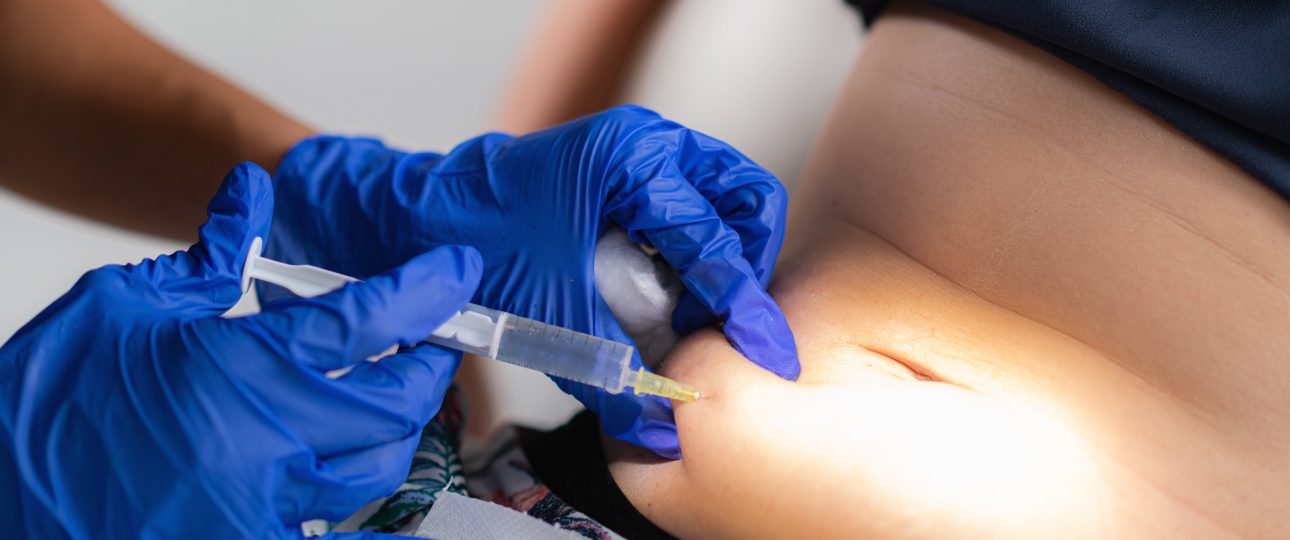
Gastric botox is the process of injecting Botulinum toxin into certain points of the stomach using the endoscopic method. This procedure has a similar logic to the botox application used in the field of aesthetics, but the application area is the internal organ muscles. The main purpose of gastric botox is to slow down the contraction speed of the stomach muscles and prolong the residence time of food in the stomach. Thus, the person feels full for a longer time and experiences a significant decrease in appetite. This procedure, which does not require a surgical incision, is a minimal invasive method that has become popular in the fight against obesity in recent years. Gastric botox offers a safe alternative, especially for individuals who are afraid of serious surgeries or whose weight excess is on the border of obesity. This drug-based application supports the weight loss process by providing appetite control.
How Is Gastric Botox Applied?
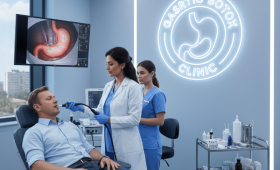
Gastric botox application is a completely endoscopic procedure and does not require operating room conditions. The patient is put to sleep under mild sedation, so they do not feel any discomfort or pain during the procedure. A specialist gastroenterologist or general surgeon enters the stomach through the mouth with an endoscope device. Botox is meticulously injected into the fundus region of the stomach, where the hunger hormone is secreted, and the exit parts that manage the contractions of the stomach. The procedure is usually completed in a short time, such as 15 to 20 minutes. Since it does not contain any incisions or stitches, no tissue damage occurs. After the application, the patient is kept under observation for a short time and can return to their normal life on the same day. This practical application is one of the most comfortable weight loss methods offered by modern medicine.
Is Pain Felt During The Procedure?
One of the biggest concerns of those considering gastric botox is the feeling of pain. However, this procedure is performed completely painlessly thanks to modern anesthesia methods. The sedation (superficial sleep state) applied to the patient before the application ensures that the person does not feel or remember anything during the procedure. Even the gag reflex that may occur during the passage of the endoscope through the throat is prevented by sedation. After the procedure, since there is no surgical wound in the abdominal area, there are no knife-stabbing style pains. Only in some patients, mild bloating or stomach sensitivity may occur in the first few hours after the procedure, which is quite normal and passes on its own. As a result, gastric botox is a medical procedure that keeps comfort at the highest level.

Who Is Gastric Botox Suitable For?
Gastric botox is ideal for individuals who cannot get full results from diet and exercise in terms of weight loss, but who are not overweight enough to undergo obesity surgery. It is generally recommended for people with a body mass index between 25 and 40. Especially those who complain about regional lubrication or who have 10-20 kilograms of excess that threatens their health benefit greatly from this method. It is also suitable for people who have weight-related diseases such as diabetes, high blood pressure, or joint problems and need to lose weight. Most adults who are in good general health can have this procedure, except for pregnant women, breastfeeding mothers, or people with active ulcers/gastritis in their stomach. The doctor’s examination performed before the treatment is critical to clarify the suitability status.
Is Gastric Botox A Surgery?
Gastric botox is definitely not a surgery; it is a non-surgical, medical procedure. Processes such as incision, stitching, general anesthesia, or long-term hospitalization performed in surgeries are not included in this method. The procedure is performed completely through endoscopic ways, that is, entering through natural openings (mouth). Since it is not a surgical intervention, it does not leave a permanent mark on the body and does not cause a permanent change in the anatomical structure of the organs. This provides a great psychological advantage for patients with fear of surgery. In addition, keeping surgical risks (infection, bleeding, etc.) at a minimum makes gastric botox a less risky option compared to surgical methods. It is a practical solution that does not interrupt the daily routine as it does not require a recovery process.
How Many Minutes Does Gastric Botox Take?
Gastric botox is an extremely efficient application in terms of time. Together with the preparation stage and the sedation showing its effect, the procedure itself is usually completed in 15 to 20 minutes. This period is sufficient for the surgeon to examine the inside of the stomach and make botox injections to the necessary points. After the procedure, it takes about 30-45 minutes for the patient to come to themselves in the resting room. In total, the entire process is finished with a 1-2 hour clinic visit. This brevity is a great advantage for professionals and hard workers who cannot devote much time to weight loss treatment in the speed of modern life. Since it does not require hospitalization, the patient can return to work or home in the afternoon and continue their social activities.
How Is Gastric Botox Performed With Endoscopy?
Endoscopic gastric botox is a sensitive procedure performed under the guidance of high-tech cameras. The endoscope is a flexible tube with a light and a camera at the end and allows for a detailed view of the inner surface of the stomach. The physician first checks the stomach to see if there are any wounds or obstacles. Then, they deliver the Botulinum toxin to the smooth muscle layers of the stomach through a special injection channel passing through the endoscope. Injections are usually distributed to 15-20 different points of the stomach wall. Since instantaneous images are taken from the camera during this process, the margin of error is almost non-existent. Since the muscles that provide the mobility of the stomach are targeted, the digestion process is controlled and slowed down. This precision provided by the technological infrastructure increases the reliability and effectiveness of the method.
How Much Weight Can Be Lost With Gastric Botox?
The amount of weight to be lost with gastric botox varies depending on the starting weight of the person, the metabolic rate, and the nutritional discipline after the procedure. In general, patients are expected to lose 10% to 15% of their total body weight in the 5-6 month period. This usually corresponds to a loss of between 10 and 25 kilograms. However, gastric botox is not a miracle on its own, it is a powerful assistant. In order to maximize the effect of the given botox, it must be supported by a healthy diet. Individuals who feed on low-calorie and protein-weighted diets during this period when appetite is closed can reach the targeted weights much faster. In people with high motivation and who change their lifestyle, the amount of weight lost can reach much higher levels.
When Does The Weight Loss Process Start?
Gastric botox does not show its effect immediately after the procedure, but with the start of the blocking effect of Botulinum toxin on the muscles. Usually, 2-3 days after the procedure, it is noticed that the appetite decreases and the feeling of satiety increases. In the first week, with the slowing down of the stomach muscles, the digestion time is prolonged and the portions naturally shrink. The real weight loss starts to gain momentum after 2 weeks after the procedure. The body is forced to use its store fats as energy because it receives fewer calories. From the 4th week, the changes in the scale become visible. Being patient and adapting to the adaptation process in the first weeks is important for long-term success. The effect of botox usually continues for 4-6 months, and this period is a golden opportunity to lose weight.
How Does Gastric Botox Suppress Appetite?
Gastric botox suppresses appetite through two fundamental mechanisms. First, the injections made into the fundus region of the stomach significantly reduce the secretion of ghrelin, known as the “hunger hormone.” When the ghrelin level in the blood drops, the hunger signals going to the brain weaken and the person feels the urge to eat less. Second, botox prolongs the emptying time of the stomach by slowing down the contraction of the stomach muscles. The stomach, which normally empties in 2 hours, starts to empty in 6-8 hours after botox. Keeping the stomach full ensures that “I am full” signals are constantly sent to the brain. When these two factors combine, the person starts to feel full even with very small portions and does not feel the need to snack between meals. This strong control over appetite eliminates the constant feeling of hunger, which is the biggest obstacle to weight loss.
How Long Does The Feeling Of Satiety Last?
After gastric botox, the feeling of satiety continues significantly both during the day and during the total duration of the treatment. On a daily basis, the feeling of satiety can last for 6 to 10 hours after eating a meal due to the late emptying of the stomach. This prevents frequent hunger and facilitates calorie restriction. Looking at the total duration of the treatment, the effect of botox on the stomach muscles usually lasts between 4 and 6 months. At the end of this period, the toxin is naturally metabolized by the body and the muscles return to their old mobility. This 6-month window is an excellent time to gain healthy eating habits. Even though gastric botox is not permanent, the feeling of satiety provided during this period helps the person’s stomach to shrink and improve their eating habits.
How Does The Metabolic Rate Change?
Many people fear that gastric botox will slow down the metabolism, but the situation is quite the opposite. Gastric botox slows down digestion but does not directly negatively affect the basal metabolism, which is the general energy burning rate of the body. On the contrary, as you start to lose weight, the decrease in the fat ratio in the body and the breaking of insulin resistance improve metabolic health. The important thing is to maintain muscle mass during the weight loss process. Taking advantage of the loss of appetite that comes with gastric botox, eating protein-weighted diets and doing light exercises ensures that the metabolism stays alive. As you lose weight, your body starts to work more efficiently, which makes it easier to maintain the weight you lost. The reduction in your metabolic age is one of the most important gains that will make you feel more energetic.
What Should Nutrition Be Like After Gastric Botox?
Nutrition after gastric botox is the most critical factor determining the success of the treatment. While liquid nutrition is recommended in the first days after the procedure, later protein-weighted and fibrous foods are transitioned. Since the stomach muscles slow down, it is important for digestion that bites are chewed very well and eaten slowly. Sugary foods, acidic drinks, and high-carbohydrate foods should be restricted because they can accelerate the emptying of the stomach or cause discomfort. Water consumption should be spread throughout the day to support metabolism, but liquid should not be taken with meals. Personalized programs prepared with dietitian support guarantee healthy thinning without vitamin and mineral deficiency. Correct nutrition ensures that you turn the advantage offered by botox into a permanent lifestyle.
What Is The Role Of Exercise In Gastric Botox Success?
Gastric botox is an appetite control mechanism, while exercise is an engine that increases the body’s energy expenditure. When the ikisi come together, a perfect synergy occurs. Exercise ensures that the weight lost with gastric botox comes only from fat by protecting muscle mass. Muscles are the tissues that consume the most energy in the body; therefore, exercising accelerates your metabolism and momentum the weight loss process. Moderate-paced walks, swimming, or light resistance exercises performed at least 3-4 days a week make you feel better both physically and mentally. In addition, moving helps to recover sagging skin and shape the body after botox. An active life is the most powerful tool you need to maintain your weight even when the botox effect is lost.
Why Is This Method So Successful?
The main reason why gastric botox is so successful is that it manages “hunger crises,” which are the biggest obstacle to weight loss. Many diets are left half-finished because of the constant feeling of hunger. Gastric botox facilitates compliance with the diet by regulating hormones and stomach mechanics. Being a non-surgical procedure, it overcomes the fears of the patients and gives confidence with its low risk profile. In addition, the lack of a recovery process offers a solution to the time constraints of modern people. Seeing results in a short time increases the person’s motivation, which strengthens the probability of making the lifestyle change permanent. Gastric botox is not only a physical intervention, but also a psychological and physiological support system that opens the door to healthy living for the person. Its success stems from this holistic approach it offers.
Is Gastric Botox A Permanent Solution?
One of the most curious questions is this: Is gastric botox permanent? No, gastric botox is not a permanent treatment. Botulinum toxin, by its nature, does not stay in the body forever. The applied drug is absorbed by the stomach tissue over time and gradually loses its effect. At the end of this process, the stomach muscles regain their old strength and the digestion speed returns to normal. However, the fact that gastric botox is not permanent is not a disadvantage; on the contrary, it ensures that it is a safe option. The treatment being “temporary” means that no irreversible damage or change is made in your body. If healthy eating habits are gained during this process, maintaining the weight you lost is completely in your hands. Botox opens a “weight loss window” for you; passing through this window and starting a new life is shaped by your will.
How Long Does The Effect Of Botox Stay In The Stomach?
The active period of gastric botox is usually between 4 and 6 months. This period may show slight differences depending on the brand of the drug used, the dose, and the metabolic structure of the patient. In the first 3-4 months, the effect of botox is at its highest level; appetite is significantly low and the feeling of satiety is very strong. From the 4th month, a slight decrease in the effect can be felt. At the end of the 6th month, the toxin is completely excreted from the body. This 6-month period is longer than the time required for a habit to settle. In other words, gastric botox offers you more than enough time to accustom your brain and stomach to smaller portions. When the effect passes, the stomach muscles return to their old state and no loss of function occurs. This temporariness is one of the healthiest features that distinguish the method from surgical operations.
Can It Be Performed Again When The Effect Passes?
Yes, gastric botox is an application that can be repeated safely after the effect passes. If the targeted weight was not reached after the first application or if more weight is desired to be lost, a second session can be performed 6 months later. In some cases, physicians may find it appropriate to apply up to 3 sessions to reach the ideal weight. Having a period of at least 6 months between each session is important for the stomach to rest and for the drug to be completely eliminated. In repeated applications, a situation such as the stomach developing resistance against botox is generally not observed. Each application allows the person to refocus on their nutritional discipline. However, it should not be forgotten that the real goal is to reach a lifestyle where you can maintain your weight without needing botox.
Why Is It Not Permanent For Life?
Botulinum toxin is a protein structure that temporarily blocks the transmission at the nerve endings. The body perceives this protein as a foreign substance and removes it from the system by breaking it down over time. This is a biological defense mechanism. If botox were permanent for life, the stomach muscles could be permanently paralyzed and cause serious digestive disorders, even causing the stomach to lose its function completely. Therefore, the temporary nature of botox is actually a protective shield for your health. “Permanence” is not always a desired feature in medical treatments; flexibility is much more important, especially in vital functions such as digestion. Gastric botox gives you the help you need and leaves your body quietly after completing its duty.
Is Not Being Permanent An Advantage?
The fact that gastric botox is not permanent is a great advantage in many ways. First, you do not lose a part of your stomach or change the location of your intestines as in surgical operations. Second, the possible side effects of botox (even if rare) are temporary; it does not carry a risk of permanent damage. Third, this temporariness reminds you that “the control is yours.” Botox is only a support, and the end of this support shows that it is time to stand on your own feet. In addition, you are not condemned to vitamin supplements for the rest of your life. The flexibility to be able to have it again when you need it makes the method a much freer option than other invasive treatments. While permanence is a luxury in surgery, temporariness is a guarantee in botox.
Does Gastric Botox Have Side Effects?
Gastric botox is generally considered a very safe procedure, but some mild side effects can be seen, like any medical intervention. The most common side effects are bloating, mild abdominal pain, or nausea that can last for a few days after the procedure. These symptoms are the stomach’s adaptation process to the new situation and can be easily controlled with simple medications. In very rare cases, allergic reactions or small bleedings during the procedure can be seen; however, in expert hands, these risks are almost non-existent. A long-term side effect has hardly been reported in the literature. A mild sensitivity may occur in the throat after endoscopy, which passes within a few hours. When looked at in terms of general health risks, obesity itself is thousands of times more dangerous than the risks of this procedure.
What Is The Difference From A Gastric Balloon?
Gastric botox and gastric balloon are both endoscopic weight loss methods, but they are different in terms of application and effect mechanism. In the gastric balloon, a physical object is placed in the stomach and this object creates a feeling of satiety by taking up space in the stomach. However, the gastric balloon can lead to discomforts such as constant nausea, vomiting, or cramps in some patients. Gastric botox is only a drug injection; no foreign body is left in the stomach. Botox affects hormones and muscle movements to suppress appetite. While the balloon usually has to be removed with another endoscopy after 6-12 months, botox is absorbed spontaneously and no second procedure is required. Botox usually offers a more comfortable recovery process compared to the balloon and is more easily tolerated by the stomach.
What Is The Difference From Stomach Reduction Surgery?
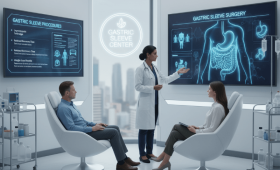
Stomach reduction surgery (sleeve gastrectomy) is a permanent and major operation in which approximately 80% of the stomach is surgically removed. It is irreversible and is usually applied to patients with advanced obesity with a body mass index over 40. Gastric botox, on the other hand, is not surgical, does not cause organ loss, and is temporary. While patients have to take vitamin supplements and follow very strict diets for life after surgery, the transition to normal life after botox is much easier. Botox is designed for people who have less weight and do not want to take the risk of surgery. While surgery requires a serious rehabilitation process, someone who has botox can go to work the next day. In summary; botox is a medical intervention, while sleeve gastrectomy is a radical surgical solution.
How Long Does The Recovery Process Take?
One of the most loved features of gastric botox is that it requires almost no recovery process. About 1-2 hours after the procedure, the effect of anesthesia passes completely and the patient leaves the hospital walking. In the first few hours, liquid consumption is recommended to avoid tiring the stomach. The next day, you can return to social and business life completely. Since a surgical stitch or dressing is not required, mobility restrictions are not experienced. It is usually sufficient to wait for a week to start sports activities. This fast recovery process makes the treatment extremely attractive for individuals with busy working lives. Since there is no wound in your body that needs to be healed, you only have to wait for your appetite to decrease. It would be more accurate to call it the “new life adaptation process” rather than the recovery process.
When To Return To Daily Life?
The vast majority of patients undergoing gastric botox can start their daily activities (housework, light walks, etc.) on the evening of the procedure. The next morning, it is possible to go to work, drive a vehicle, or make social meetings. Since there are no travel restrictions, patients coming from outside the city or abroad can easily travel by plane one day after the procedure. This method is as practical as “lunch break aesthetics,” as “lunch break weight loss treatment.” It is only requested to avoid alcohol and heavy meals for the first 24 hours. Starting the weight loss process without suspending your daily life is one of the greatest comforts offered by this treatment. In today’s world where time is the most valuable treasure, gastric botox gains you health without losing time.
What Is The Preparation Before Gastric Botox Like?
The preparation process before gastric botox is quite simple, but there are a few points to be considered. Before the procedure, the patient needs a fasting period of at least 8-10 hours; the stomach must be completely empty so that the doctor can see everywhere clearly during endoscopy. Water intake should also be stopped at least 4 hours before the procedure. If there are blood thinner drugs used, these should be stopped or regulated a few days in advance under doctor control. The doctor must be informed about chronic diseases such as diabetes or blood pressure. It is recommended to wear comfortable clothes on the day of the procedure. Since sedation will be applied, it is recommended that the patient have a companion with them for a safe return home after the procedure. These small preparations ensure that the procedure goes smoothly.
What Are The Things To Be Considered After The Procedure?
The first 24 hours after gastric botox are important for the body to fully recover from sedation and the stomach from injection. Extremely hot drinks, very spicy and acidic foods should be avoided. In the first week, softer and easily digestible foods should be preferred to get used to the slowing down of the stomach. Since the portions are smaller, eating slowly and chewing each bite at least 20-30 times should become a habit. Water consumption should be done between meals, and the stomach should not be bloated with water during the meal. If there are vitamin or stomach protective supports recommended by your doctor, these should be used regularly. Most importantly, not to abuse the feeling of satiety provided by botox and to stay away from high-calorie liquid foods (such as sugary drinks).
Why Is Protein Consumption Important?
Protein consumption after gastric botox is the cornerstone of healthy weight loss. To ensure that the body burns only fat while losing weight and to prevent muscle loss, quality protein sources are needed. Chicken, fish, eggs, low-fat cheeses, and legumes should be at the center of the diet. Proteins stay in the stomach longer, supporting the satiety effect of botox and keeping the metabolism alive. In addition, proteins are indispensable to prevent skin sagging and to ensure tissue repair. When you protect your muscle mass, your basal metabolic rate does not drop; this makes it much easier to maintain your weight at the end of the treatment. Having some protein in every meal will both increase your saturation level and make your body look fit.
Is There A Liquid Nutrition Period?
There is no mandatory, long-term liquid nutrition period after gastric botox; however, in the first 1-2 days, it is recommended to feed on liquid and puree weighted foods to protect the sensitivity of the stomach. Soups, yogurt, herbal teas, and protein shakes are ideal during this period. From the 3rd day, a transition to solid foods is made gradually. This process is very different from the weeks-long liquid diet in stomach reduction surgeries. The goal here is just to help the stomach adapt. Some experts may recommend evaluating the first week as a “detox week” for the toxin to fully settle in the muscles and for the effect to start. Correct calories taken during this period allow you to make a fast start to the weight loss process. One should not rush to solid food, the signals of the body should be listened to.
How Do Sugary Foods Spoil The Process?
Sugary foods and simple carbohydrates are the “silent enemies” of gastric botox treatment. Gastric botox slows down the digestion of solid foods, but liquid or soft sugary foods (chocolate, sherbet desserts, acidic drinks) can pass through the stomach very quickly and reach the intestines. This situation can create a discomfort similar to “dumping syndrome,” as well as cause the satiety effect provided by botox to be bypassed. Even if the person cannot eat solid food, they can stop losing weight or even gain weight by taking high calories from sugary foods. Sugar quickly raises and lowers insulin levels, triggering the feeling of hunger and weakening the effect of botox on ghrelin. It is essential to stay away from sugar and turn to complex carbohydrates (such as whole grains) for a successful result.
Does Alcohol Consumption Affect Gastric Botox?
Caution should be exercised regarding alcohol consumption after gastric botox. Alcohol is one of the main factors slowing down the weight loss process with its high calorie content. In addition, alcohol can accelerate the emptying of the stomach and stimulate the appetite center, suppressing the feeling of satiety provided by botox. Since it can cause irritation in the stomach mucosa, it is necessary to stay completely away from alcohol in the first weeks after the procedure. Even if it is to be consumed very rarely in social environments, options with low carbohydrate and sugar ratios should be preferred and the amount should be kept very limited. Healthy liver function is critical for fat burning, and alcohol tires the liver, hindering this process. If you have a weight loss goal, it will be the right decision to remove alcohol from your life for a while.
Is Gastric Botox A Safe Method?
Applied to thousands of patients worldwide, gastric botox is a very safe method. Botulinum toxin has been used in a wide range of fields in medicine for years, from neurological diseases to aesthetic applications. Its application to the stomach muscles is also a meticulous procedure and the serious complication rate is below one in a thousand. The fact that it does not carry a surgical risk, does not require general anesthesia, and does not make a permanent change in the body are the elements that increase its safety. However, there are two conditions for a safe procedure: A specialist physician and high-quality material use. Places called under-the-counter, where sterilization is far away or low-quality drugs are used, should be avoided. When done in a correct clinical environment, gastric botox is a modern medical miracle that helps you lose weight while protecting your health.
Who Cannot Have Gastric Botox?
Even though gastric botox is safe, its application is not recommended in some special cases. In people with active ulcers, deep gastritis, or tumors in the stomach or duodenum, these diseases must be treated first. Those who have a known allergy to the botox substance (this is a very rare situation) cannot have this procedure. In addition, for pregnant and breastfeeding women, the application should be postponed because the effects on the fetus or baby are not fully known. Botox is inconvenient in individuals with muscle disease (such as Myasthenia Gravis) because it can increase muscle weakness. Finally, in advanced obesity patients with a body mass index over 40, botox usually may not be sufficient; surgical methods are more suitable for these people.
Why Is Health Tourism Popular In Turkey?
Turkey has become one of the most important centers of health tourism worldwide. There are several fundamental reasons behind this. The first is the high experience and success rates of Turkish doctors in the field of obesity and gastroenterology. The second is that hospitals and clinics are equipped with the latest technological devices and have international accreditations (such as JCI). The third is that the prices are much more accessible compared to the quality of the service provided compared to Europe and America. In addition, the unique hospitality and tourist opportunities offered by Turkey allow patients to spend their treatment processes in a holiday comfort. For practical procedures such as gastric botox, thousands of patients from all over the world prefer Turkey to regain their health and have a cultural experience.
How Does The Treatment Process Proceed With Cure Holiday?
Cure Holiday designs a perfect end-to-end experience for patients who want to receive health services in Turkey. The process starts with the patient contacting our professional consultants. After your personal health data and weight loss goals are analyzed, the most suitable treatment plan for you is created. From the moment you arrive in Turkey, every detail from your airport transfers to your luxury accommodation options is organized by us. After the gastric botox procedure performed by our expert doctors, an assistant who follows your recovery process is always with you. Cure Holiday does not just offer a treatment; at the same time, it prepares a peaceful environment where you will discover the beauties of Turkey. After the treatment, we ensure that you reach your ideal weight by providing online support with our nutritionists.
Why Should You Choose Cure Holiday?
Choosing Cure Holiday means entrusting your health to a professional, reliable, and compassionate team. For us, every patient is special and we work with the principle of “every body deserves a different approach.” Thanks to our high-quality Botulinum toxin use and experienced medical staff, we perform your gastric botox procedure in the safest way. You will not encounter surprise costs with our transparent pricing policy. In addition, our free dietitian support and follow-up system after treatment aim to make your weight loss success permanent. With Cure Holiday, you both regain your health and have an unforgettable experience in Turkey. We are here for you to get rid of your excess weight and open a new page in your life. We invite you to the body of your dreams and a healthy future; come, let’s realize this change together!
Free Consultation
Fill out the form below to get your free medical travel plan and price quote.
Sources and how to verify this yourself
- Eisenberg D, et al. 2022 ASMBS and IFSO Indications for Metabolic and Bariatric Surgery. — surgery is recommended at BMI ≥35 regardless of co-morbidity, and considered at BMI 30–34.9 with metabolic disease (lower thresholds for Asian populations). source
- Ministry of Health, Regulation on International Health Tourism and Tourist Health, Official Gazette 26 April 2025, No. 32882 — authorisation requirement for facilities and intermediaries, TÜSKA accreditation, compulsory complication insurance (deadline 31 December 2025 for insurance, 31 December 2026 for accreditation). source
- Ministry of Health, Regulation on Promotion and Information Activities in Health Services, Official Gazette 12 November 2025, No. 33075 — treatment promises and guarantees are prohibited; price and campaign announcements are permitted only within international health tourism. source