About the prices on this page. The figures below are indicative market prices and country comparisons, not a quote. Our own current, all-inclusive prices are published on our cosmetic surgery in Turkey page, and we confirm your figure in writing before you commit to anything.
Cost and planning note (Mommy Makeover 2026)
The figures below are indicative market ranges, not a quote: your own price is confirmed after a clinical assessment.
Indicative price range: Standard Package: 4,500 – 7,500 USD | Advanced Combination: 8,000 – 12,000 USD | Tummy Tuck: 3,000 – 5,000 USD | Breast Lift: 2,500 – 4,500 USD | Liposuction Per Area: 500 – 1,500 USD | Bbl Fat Transfer: 3,500 – 5,500 USD
Facility standards: In Türkiye, any facility treating international patients must hold the Ministry of Health’s international health tourism authorisation; hospitals and medical centres must also be accredited by TÜSKA, and complication insurance is compulsory for procedures carried out in an operating theatre (Regulation of 26 April 2025).
Recovery Focus: Post-pregnancy body restoration & safety first.
Currency: GBP, EUR, USD accepted.
Understanding the “Scar Maturation” Process: Realistic Timelines for Mums
Understanding the “Scar Maturation” Process: Realistic Timelines for Mums
Following a Mommy Makeover – encompassing procedures like tummy tuck (abdominoplasty), breast lift (mastopexy), and Diastasis Recti repair – a significant portion of patient anxiety centers around scar maturation. While surgical skill minimizes visible scarring, understanding the biological process and realistic timelines is crucial for managing expectations and optimizing healing. This pillar focuses on the post-operative journey, specifically addressing the phases of scar development and factors influencing optimal outcomes, with a particular lens on the prevalence of high-quality, affordable care in Turkey.
The Four Phases of Scar Maturation
Scar maturation isn’t a linear process; it unfolds in four distinct phases, each characterized by unique physiological events. It’s essential for mums to understand where they are in this continuum to appreciate normal changes and identify potential complications requiring medical attention.
- Phase 1: Hemostasis (0-2 weeks) – The Initial Response. Immediately post-surgery, the body initiates hemostasis, halting bleeding and forming a blood clot. This clot acts as a temporary scaffold for tissue repair. Expect redness, swelling, and discomfort. The initial wound closure utilizes a variety of techniques – including deep dermal sutures and, in the case of Diastasis Recti repair, the internal corset suturing of the abdominal fascia – to minimize tension and optimize healing.
- Phase 2: Inflammation (2 weeks – 6 weeks) – The Building Block Phase. This phase is marked by noticeable redness and swelling, as the body sends inflammatory cells to the wound site. While often perceived negatively, inflammation is vital; it clears debris and recruits fibroblasts – cells responsible for collagen synthesis. During this period, the scar will likely be raised, firm, and potentially itchy. Surgical techniques like Vaser Liposuction, frequently incorporated into Mommy Makeover procedures for body contouring, can contribute to reduced post-operative inflammation due to its precision and minimal tissue trauma.
- Phase 3: Proliferation (6 weeks – 4 months) – Collagen Remodelling Begins. Fibroblast activity peaks, resulting in increased collagen production. The scar begins to flatten and may exhibit a pink or purple hue. This is when patients may start noticing a visible improvement in scar texture and color, although it is still far from its final state. Careful wound care, as guided by the surgical team, is paramount during this phase to encourage organized collagen deposition.
- Phase 4: Maturation (4 months – 18+ months) – The Long Game. This is the longest phase, characterized by ongoing collagen remodeling. Collagen fibers realign along tension lines, increasing the scar’s strength and flexibility. The scar gradually fades in color, becoming paler and flatter. It’s crucial to remember that complete maturation can take up to 18 months, even with optimal healing. Even after a year, subtle improvements in texture and colour continue.
Factors Influencing Scar Quality
Numerous factors can influence scar quality, beyond surgical technique. These include:
- Genetics: Predisposition to hypertrophic or keloid scarring varies significantly between individuals.
- Wound Tension: High tension on the wound edges can lead to wider, more prominent scars. Surgical design, employing techniques like judicious tissue advancement and layered closure, minimizes this.
- Skin Type: Individuals with darker skin tones are more prone to hyperpigmentation (darkening) of scars.
- Nutrition & Hydration: Adequate protein intake, vitamin C, and hydration are essential for collagen synthesis and tissue repair.
- Lifestyle: Smoking significantly impairs wound healing and increases the risk of complications.
- Post-operative Care: Strict adherence to post-operative instructions regarding wound care, compression garments, and activity restrictions is critical.
The Rise of Turkey as a Hub for Mommy Makeovers & Scar Management
Turkey has emerged as a global leader in medical tourism, particularly for Mommy Makeover procedures. This isn’t solely due to the cost benefits – while pricing for procedures is competitive (a standard package ranging from 4,500 – 7,500 USD, or a more comprehensive advanced combination at 8,000 – 12,000 USD), the quality of care and surgeon expertise are key drivers. Many surgeons specialize in body contouring and post-partum restoration, leading to refined surgical techniques and a strong focus on aesthetic outcomes.
The prevalence of Ministry of Health–authorised hospitals ensures adherence to international standards of safety and hygiene. Furthermore, the use of high-quality materials, such as Mentor, Motiva, or Polytech breast implants, contributes to predictable and reliable results. The inclusion of comprehensive post-operative care, including dedicated recovery suites in 5-star hotels with companion stays, further supports optimal healing and scar management. The typical recovery period in Turkey is 7-10 days, followed by approximately 6 weeks for a full return to exercise.
Specific Procedure Considerations & Scarring
Each component of a Mommy Makeover presents unique scarring considerations:
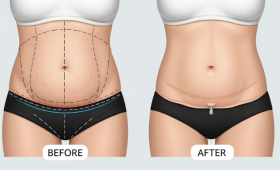
- Tummy Tuck (Abdominoplasty): The incision length depends on the extent of the procedure – full, mini, or extended (360) tummy tucks each have varying incision patterns. The scar is typically placed low on the abdomen, within the bikini line, maximizing concealment.
- Breast Lift (Mastopexy): Scarring patterns vary based on the degree of lift and implant placement (if applicable). Common incisions include around the areola, vertical down from the areola, and along the inframammary fold.
- Diastasis Recti Repair: The incision is internal, meaning there is no external scar specifically related to the repair. However, if combined with a tummy tuck, the abdominoplasty scar will be present.
- Liposuction & BBL: Small, discreet incisions are used for cannula insertion. The visibility of these scars is minimal. Combining this with a BBL fat transfer (priced at 3,500 – 5,500 USD) can further enhance body contouring results. Individual liposuction areas are priced at 500 – 1,500 USD.
Modern techniques prioritize minimizing scar width and optimizing placement to enhance the aesthetic result. Surgeons often employ serial excisions (revising the scar after initial healing) for further refinement, though this is generally reserved for cases with suboptimal healing or hypertrophic scarring.
Understanding the scar maturation process is empowering. Mums can proactively participate in their recovery, ensuring optimal results and a confident return to their pre-pregnancy body image.
Understanding the “Scar Maturation” Process: Realistic Timelines for Mums
Following a comprehensive combination surgery – often sought by mothers experiencing post-pregnancy body changes – understanding the scar maturation process is paramount for realistic expectations and optimal healing. This pillar delves into the surgical transformation, the patient journey, and specifically, the evolution of scars over time. We’ll examine the procedural details, highlight a representative case study, and reinforce our commitment to Joint Commission International (JCI) safety standards.
The Surgical Transformation: A Detailed Step-by-Step
A typical advanced combination surgery, tailored to the needs of a patient like our 34-year-old Irish mother of three (detailed below), may encompass multiple procedures performed synergistically. The initial phase frequently begins with Vaser Liposuction, a technique utilizing ultrasound energy to precisely target and emulsify subcutaneous fat. This is not merely fat removal; it’s about sculpting and defining the physique, with a focus on areas like the flanks, abdomen, and potentially the upper back to create an hourglass silhouette. Importantly, Vaser Liposuction minimizes trauma to surrounding tissues compared to traditional liposuction, leading to reduced bruising and swelling – contributing to a smoother post-operative recovery and, consequently, better scar formation.
Concurrently, or sequentially depending on the patient’s anatomical presentation, Diastasis Recti repair is often undertaken. This involves the meticulous suturing of the separated rectus abdominis muscles, utilizing an internal ‘corset’ technique. The linea alba, the fibrous structure connecting the muscles, is re-approximated to restore core strength and stability. This foundational repair not only improves the patient’s physical function but also contributes to a more stable platform for subsequent procedures.
A tummy tuck (abdominoplasty) then addresses excess skin and remaining fat. The choice between a full, mini, or extended (360-degree) tummy tuck depends on the degree of skin laxity and the patient’s desired outcome. The procedure involves repositioning the umbilicus and carefully redraping the abdominal skin, ultimately resulting in a smoother, tighter contour. Subdermal drains are placed to manage serous fluid accumulation, a common post-operative phenomenon, influencing the rate of inflammation and indirectly impacting scar quality.
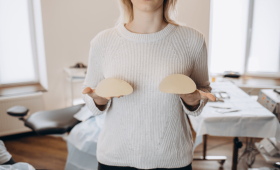
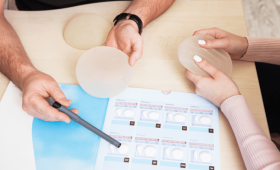
Finally, a breast lift (mastopexy), potentially combined with breast augmentation using Mentor, Motiva, or Polytech implants (all JCI-approved for safety and quality), addresses ptosis and restores a more youthful breast profile. Incisions are strategically placed to minimize visibility, typically around the areola and in the inframammary fold. In cases where additional volume is desired, BBL (Brazilian Buttock Lift) fat transfer can utilize the fat harvested during liposuction to augment the buttocks, creating a natural and proportionate physique. The cost for an advanced combination surgery typically ranges from 8,000 – 12,000 USD.
Case Study: A 34-Year-Old Irish Mother of Three
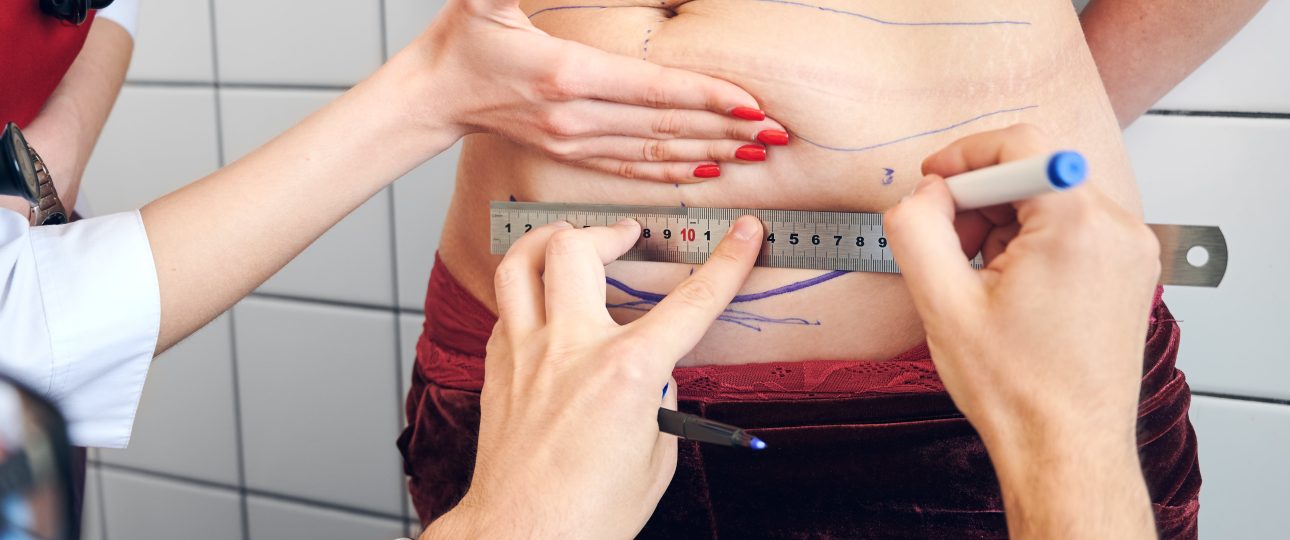
Our patient, a 34-year-old mother of three from Ireland, presented with significant post-pregnancy abdominal laxity, Diastasis Recti, and moderate fat deposits. She also expressed dissatisfaction with the shape of her breasts, which had diminished in volume and experienced ptosis following multiple pregnancies. After thorough assessment via free online video assessments with board-certified plastic surgeons, a tailored surgical plan was developed.
The plan included an extended tummy tuck with Diastasis Recti repair, Vaser Liposuction of the flanks, a moderate breast lift with implant augmentation (Motiva Ergonomix implants were selected), and a limited BBL fat transfer. The surgery was performed under general anesthesia with meticulous attention to haemostasis and tissue preservation. Post-operatively, the patient experienced a standard level of discomfort, managed effectively with prescribed analgesics. She elected to remain in 5-star recovery suites, with companion stay included, for the initial 7-10 days. Her scar maturation, tracked over the subsequent months, serves as an excellent example of realistic timelines.
Scar Maturation: A Phased Approach
Scar maturation is not a linear process; it’s a dynamic biological response occurring in phases. Immediately post-surgery, the incision sites will appear red and inflamed. This is a natural part of the healing cascade, characterized by angiogenesis (formation of new blood vessels) and collagen deposition. This initial phase, lasting approximately 2-6 weeks, is crucial for wound closure and preventing infection.
Between 6 weeks and 3 months, the redness begins to subside, and the scars will become raised and hypertrophic. This is due to continued collagen production. The scars will feel firm to the touch. This phase requires diligent scar management, including silicone sheeting or gel application, to help regulate collagen synthesis and prevent excessive scarring. Light massage, as directed by the surgical team, can also improve scar mobility and texture.
From 3 to 6 months, the scars will begin to flatten and soften. The redness continues to fade, transitioning to a pink or purple hue. This is where patience is critical. Exposure to the sun must be strictly avoided, as UV radiation can worsen pigmentation and delay healing. The application of high-SPF sunscreen is non-negotiable.
Beyond 6 months, and extending for up to 18-24 months, the scars will continue to mature, becoming paler and more pliable. They will never completely disappear, but they will significantly blend into the surrounding skin. The final scar appearance is influenced by various factors, including genetics, skin type, surgical technique, and post-operative care.
JCI Safety Standards & Post-Operative Care
Our unwavering commitment to patient safety is underscored by adherence to rigorous JCI safety standards. This includes stringent infection control protocols, meticulous surgical technique, and comprehensive post-operative monitoring. Patients are provided with detailed wound care instructions and regular follow-up appointments to assess healing progress and address any concerns.
Logistically, patients typically arrive at either Istanbul (IST) or Antalya (AYT) airport, where they are greeted with VIP private transfers directly to their designated 5-star recovery suites. This ensures a seamless and comfortable transition from travel to recovery. The expected timeline for a return to full exercise is approximately 6 weeks, allowing sufficient time for internal tissues to heal and regain strength. Costs for individual procedures are available; a tummy tuck can range from 3,000 – 5,000 USD, a breast lift from 2,500 – 4,500 USD, and liposuction per area from 500 – 1,500 USD. A standard package price starts from 4,500 – 7,500 USD.
Understanding that scar maturation is a journey, not a destination, empowers patients to embrace the process with realistic expectations and actively participate in their own healing. For further information or personalized guidance, please contact Cure Holiday specialists.
Understanding the “Scar Maturation” Process: Realistic Timelines for Mums
Following any surgical intervention, particularly those involving significant tissue manipulation like abdominoplasty (tummy tuck), breast augmentation/lift, or Brazilian Buttock Lift (BBL), understanding the scar maturation process is crucial for realistic expectations and optimal aftercare. For mothers considering medical tourism in Turkey, this knowledge is particularly vital given the travel logistics and extended recovery period. This pillar focuses on the post-operative phase, specifically the evolution of scarring, alongside practical recovery logistics and a detailed cost breakdown for 2026.
The Biology of Scar Formation
Scar formation is a natural biological process, a complex cascade of wound healing phases. Initially, fibroblasts – cells responsible for collagen production – migrate to the wound site, laying down a disorganized collagen matrix. This creates the early, raised, and often erythematous (red) scar. This early phase, lasting roughly 3-6 months, is characterized by angiogenesis – the formation of new blood vessels – contributing to the redness. It’s important to understand this isn’t ‘bad’ scarring; it’s *normal* healing. The initial collagen is Type III, known for its high tensile strength but also its susceptibility to remodeling.
Over the subsequent 6-18 months, the collagen matrix undergoes remodeling. Type III collagen is gradually replaced by Type I collagen, which is stronger and more organized. This process is influenced by various factors, including genetics, age, wound tension, and post-operative care. The scar will gradually flatten, soften, and become paler. However, complete disappearance is unrealistic; the goal is a scar that is aesthetically acceptable and functionally unrestrictive. The rate of maturation varies significantly between individuals and the type of surgery performed. For procedures like Diastasis Recti repair, which involves internal corset suturing of the abdominal fascia, the internal scar tissue also undergoes similar maturation, contributing to long-term abdominal wall stability.
Scar Characteristics & What to Expect
Mums undergoing procedures like abdominoplasty should anticipate the following scar characteristics over time:
- Early Phase (0-6 months): Red, raised, firm, potentially itchy or uncomfortable. May experience transient hyperpigmentation or hypopigmentation. Expect some degree of sensitivity.
- Intermediate Phase (6-18 months): Flattening and softening of the scar. Colour gradually fades from bright red to pink or light brown. Decreased sensitivity.
- Mature Phase (18+ months): Pale, flat, and soft scar. May remain slightly different in texture from surrounding skin. Final scar appearance is typically reached around 24 months, although continued subtle improvements can occur for up to several years.
Surgical techniques like Vaser Liposuction, utilized for high-definition contouring, aim to minimize trauma and, consequently, potentially improve scar quality by reducing fibrosis. However, even with advanced techniques, consistent post-operative care is paramount.
Post-Op Villa Recovery Logistics in Turkey
A significant advantage of opting for surgery in Turkey is the availability of dedicated recovery suites, often provided as part of a comprehensive package. These are typically 5-star accommodations designed to facilitate a comfortable and hygienic recovery. The standard recovery period in Turkey is 7-10 days, but a more extended stay may be recommended based on the specific procedures performed and individual healing progress.
For mums travelling with young children, childcare logistics require careful planning. While many packages include companion stay, arranging in-villa childcare, or engaging a qualified nanny for the duration of the recovery period is advisable. It is vital to prioritize the mother’s physical and emotional wellbeing during this time, ensuring she isn’t overly stressed or fatigued. Prior to travel, confirm the availability of reliable childcare services through Cure Holiday specialists.
Fly-Home Timelines & Considerations
The timing of the return flight is critical. Generally, patients are cleared to fly after 7-10 days post-surgery, pending a final assessment by the surgeon. However, consider the following:
- Long-haul flights: The risk of Deep Vein Thrombosis (DVT) is increased after surgery. Surgeons routinely recommend compression stockings and ambulation during the flight to mitigate this risk.
- Infant/Child Travel: Travelling with young children post-surgery requires additional preparation and support. Ensure the child is well-cared for during the journey and the mother is able to comfortably manage childcare needs.
- Post-Operative Garments: Compression garments are crucial for scar healing and minimizing swelling. These will need to be worn continuously for several weeks after returning home, so comfortable and discreet options are essential.
It’s important to note that full exercise return is generally advised around 6 weeks post-surgery. This timeline allows sufficient time for internal tissues to heal and stabilize.
2026 Cost Breakdown (USD) – Turkey vs. UK/USA
While costs are subject to fluctuation, here’s an estimated breakdown for 2026, based on current pricing and anticipated inflation. These figures represent package costs, *excluding* flights and accommodation beyond the standard recovery suite:
- Standard Package (Abdominoplasty + Breast Augmentation): 4,500 – 7,500 USD
- Advanced Combination (Tummy Tuck (Extended/360) + BBL Fat Transfer + Breast Lift): 8,000 – 12,000 USD
- Tummy Tuck (Full, Mini, or Extended): 3,000 – 5,000 USD
- Breast Lift: 2,500 – 4,500 USD
- Liposuction (per area): 500 – 1,500 USD
- BBL Fat Transfer: 3,500 – 5,500 USD
Comparative Costs (Estimated 2026):
- Abdominoplasty (UK): £7,000 – £12,000 (approx. $8,800 – $15,100 USD)
- Abdominoplasty (USA): $10,000 – $20,000 USD
- Breast Augmentation (UK): £6,000 – £10,000 (approx. $7,600 – $12,600 USD)
- Breast Augmentation (USA): $8,000 – $15,000 USD
These significant cost savings in Turkey are attractive, but it’s paramount to prioritize surgeon qualifications (board certification, JCI approved facilities utilizing implants from reputable manufacturers such as Mentor, Motiva, or Polytech) and a comprehensive aftercare package. The cost breakdown doesn’t include pre-operative tests or post-operative garments which need to be factored into the overall budget.
The information provided is intended for general knowledge and informational purposes only, and does not constitute medical advice. It is essential to consult with a qualified healthcare professional for any health concerns or before making any decisions related to your health or treatment.
Considering a Mommy Makeover in Turkey? Get a Free Quote for your Understanding the “Scar Maturation” Process Transformation with cureholiday.com
Free Consultation
Fill out the form below to get your free medical travel plan and price quote.
Sources and how to verify this yourself
- Ministry of Health, Regulation on International Health Tourism and Tourist Health, Official Gazette 26 April 2025, No. 32882 — authorisation requirement for facilities and intermediaries, TÜSKA accreditation, compulsory complication insurance (deadline 31 December 2025 for insurance, 31 December 2026 for accreditation). source
- Ministry of Health, Regulation on Promotion and Information Activities in Health Services, Official Gazette 12 November 2025, No. 33075 — treatment promises and guarantees are prohibited; price and campaign announcements are permitted only within international health tourism. source