What is Gastric Sleeve Surgery?
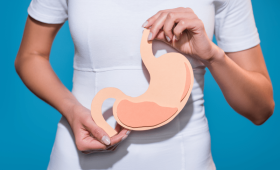
Gastric Sleeve, or commonly known as sleeve gastrectomy, is a bariatric operation that involves the surgical removal of approximately 80% of the stomach. During this procedure, the part of the stomach called the “fundus,” where the appetite hormone ghrelin is secreted, is also removed. The remaining stomach takes the shape of a thin, long tube (or banana). This anatomical change creates two fundamental effects: First, because the stomach volume is reduced, the patient gets full with much less food. Second, since the appetite hormone is reduced, the feeling of hunger is significantly suppressed. Because this method does not cause malabsorption, the risk of vitamin deficiency is lower compared to other methods, and it is the most frequently performed obesity surgery worldwide.
How Does This Surgery Enable Weight Loss?
The basic principle of the surgery is that it is a restrictive method. The reduction in stomach volume allows the patient to reduce portions without difficulty. However, the effect is not limited to just mechanical restriction. The decrease in the level of the Ghrelin hormone changes hunger signals in the brain. In the post-operative period, patients feel a reluctance towards old eating habits, and turning to healthier foods becomes easier. This change in metabolic processes also plays a major role in the improvement of comorbidities such as diabetes and insulin resistance. Weight loss is usually very rapid in the first months, and patients can lose 60% to 80% of their excess weight within a 12-18 month period.
Who is Suitable for Obesity Surgery?
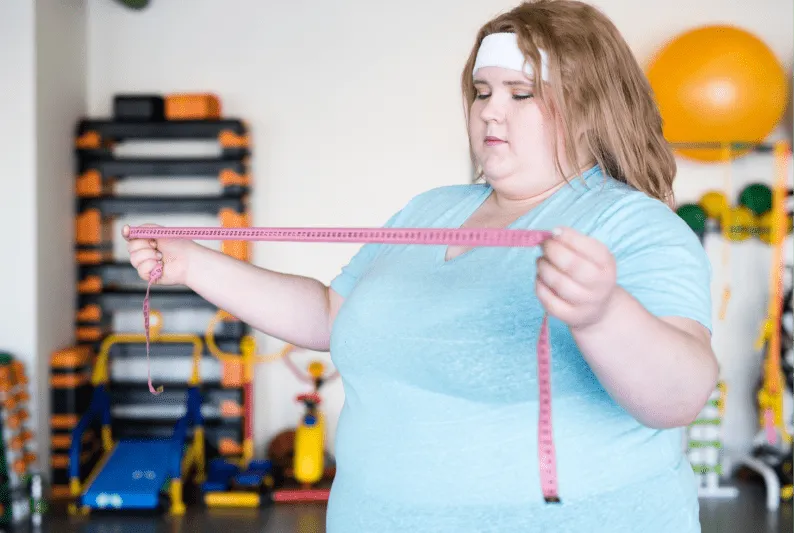
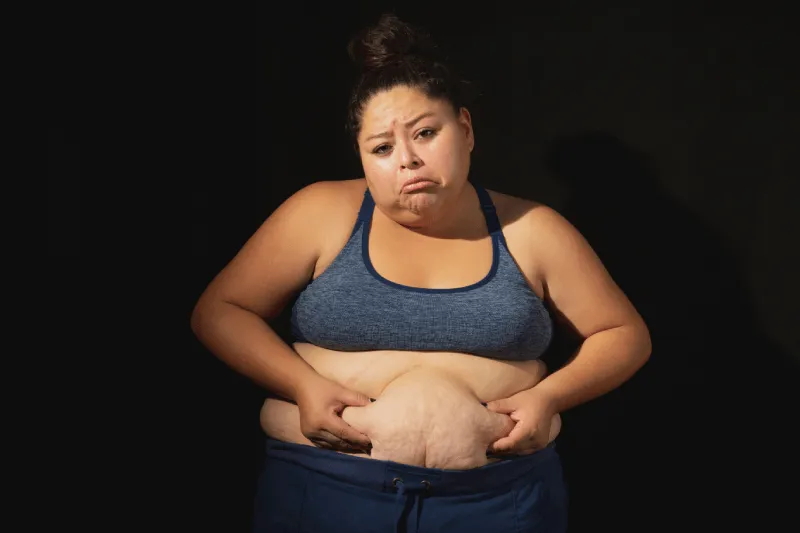
Gastric sleeve surgery is not an aesthetic procedure but a serious medical treatment. Therefore, certain medical criteria must be met. Generally, patients with a Body Mass Index (BMI) of 40 and above (morbidly obese) are accepted as direct candidates. Individuals with a BMI between 35-40 who have obesity-related comorbidities such as diabetes, hypertension, sleep apnea, or joint disorders are also suitable for this surgery. Additionally, for people who have previously tried diet and exercise programs but could not achieve permanent weight loss, this method is a strong alternative. Individuals without alcohol or substance addiction who accept post-operative lifestyle changes are ideal candidates.
What Preparations Are Made Before Surgery?
A successful surgery process begins with a detailed preparation phase. First, the patient is evaluated by a council consisting of a bariatric surgeon, dietitian, cardiologist, chest diseases specialist, and psychologist. Tests such as blood tests, ultrasound, endoscopy, and ECG are performed to examine the condition of the stomach and the general health picture. A few weeks before the surgery, a special diet (usually a liver-shrinking diet) is requested to reduce liver steatosis and lower surgical risk. Also, patients who smoke are required to quit smoking at least one month before the operation so as not to negatively affect the healing process.
How Long is the Recovery Process?
Since it is performed using the laparoscopic (closed) method, the recovery process for gastric sleeve surgery is quite fast and comfortable. Patients usually start walking a few hours after the surgery, which reduces the risk of blood clotting. The hospital stay is on average 2-3 days. After being discharged, patients can return to desk jobs within about a week. For jobs requiring physical strength, a waiting period of 3-4 weeks is recommended. Full recovery and adaptation to the new shape of the stomach may take a few months, but patients can continue their daily life activities without assistance and comfortably from the first week.
Why is Health Tourism So Popular?
In recent years, rising healthcare costs and extended waiting times have directed people to cross-border health services. Especially in countries like the United States, Canada, and the United Kingdom, astronomical obesity surgery costs or insufficient insurance coverage have pushed patients to seek alternatives. Health tourism offers not only more affordable treatment but also high-quality standards, immediate service without waiting times, and the opportunity to combine the treatment process with a vacation. In this context, patients can receive world-class service for much less than they would pay in their own countries.
Why is Choosing the Right Country Vital?
Obesity surgery is one of the most important decisions you will make in your life and is an irreversible process. Therefore, focusing only on cost is a huge mistake. The health infrastructure of the chosen country, the experience of the surgeons, the accreditation status of the hospitals, and infection control standards are of vital importance. Choosing the wrong country or clinic can lead to serious complications, revision surgeries, and even life-threatening risks. Additionally, post-operative follow-up, communication language, and legal guarantees should also be decisive in country selection. Researching how faithfully the country you entrust your health to adheres to international medical protocols is a necessity.
How Does Surgeon Experience Affect Success?
The success rate in bariatric surgery is directly related to the surgeon’s manual dexterity and case experience. The concept we call the “learning curve” is very important in these surgeries; the more cases a surgeon has performed, the lower the complication rate. An experienced surgeon can intervene instantly and correctly in unexpected anatomical variations or difficulties that may occur during surgery. Furthermore, the most important factor minimizing the most feared complication of gastric sleeve surgery, such as leakage risk, is the smoothness of the stapling line and the surgeon’s technique. Therefore, it is essential for safety to choose countries where surgeons with thousands of cases of experience are located.
Why is Hospital Equipment Important?
No matter how good the surgeon is, risk increases if the technological infrastructure of the hospital where the operation is performed is insufficient. Bariatric surgery requires a general intensive care unit, 3rd-level anesthesia devices, and imaging systems suitable for obesity. In case of a possible complication, the hospital must have the equipment and expert staff to perform all kinds of emergency interventions 24/7. Additionally, sterilization units that minimize infection risk and hospitals with international quality certificates (JCI, ISO) are the guarantee of patient safety. Choosing fully equipped hospitals instead of under-the-counter clinics is critical for this reason.
What is Mexico’s Position in Health Tourism?
Mexico has been a popular destination for North American (USA and Canada) patients for many years, especially due to its geographical proximity. Border cities like Tijuana operate almost like a “medical tourism factory.” High-volume operations are performed, and prices seem more attractive compared to the US due to the value of the US dollar against the local currency. However, this popularity has brought serious quality control issues and commercialization. Although Mexico hosts a large number of patients in terms of quantity, it has become the focus of serious discussions regarding quality and safety in recent years.
Are There Safety Issues in Mexico?
Unfortunately, one of the first concerns that come to mind when Mexico is mentioned is personal safety. Some regions of the country, especially cities on the US border, are known for high crime rates and cartel activities. The US Department of State and other international organizations frequently warn their citizens not to travel to certain regions. While surgery stress is already intense enough for a patient, carrying the worry of “will I be able to go to my hotel or hospital safely?” creates a huge psychological pressure that negatively affects the recovery process. Peace and safety in health tourism are as important as medical success.
Are Border Cities Like Tijuana Safe?
Although Tijuana is known as the obesity surgery capital of Mexico, it is also one of the cities with the highest crime rates in the world. While most clinics pick patients up from the border and take them directly to the hospital, stepping out of the hospital can be risky for tourists. The security vulnerability in the city restricts the freedom of movement of patients and their companions. Feeling forced to stay only within hospital walls and worrying about dangers outside in a place you went for treatment is a stressful experience incompatible with the concept of “tourism.” This situation is a serious handicap, especially for patients coming with a companion.
Are Health Regulations in Mexico Sufficient?
Although there are very high-quality surgeons in Mexico, general health regulations and inspection mechanisms are not homogeneous by European or Turkish standards. While some clinics comply with international standards, others may compromise safety to reduce costs. Lack of supervision can raise question marks in many areas, from the quality of medical materials used to operating room sterilization. Allegations that some centers offering “cheap packages” reuse disposable materials occasionally come to the agenda. Weak standard state supervision is a major risk factor for patient rights and safety.
Why Are Costs High in Mexico?
Although Mexico is cheap compared to the US, it is a quite expensive option on a global scale and especially when compared to Turkey. The main reason for this is that the target audience is American patients with high purchasing power. Clinics in Mexico set their pricing as “slightly below” the American market, not based on real cost. Also, since most insurance systems and medical supply providers are US-based, operational costs are high in dollar terms. This causes even the starting prices in Mexico to remain astronomical compared to other alternatives.
Is There a Communication Problem in Mexico?
Although doctors in regions like Tijuana can generally speak English, difficulties may be experienced in communicating with auxiliary health personnel, nurses, and hospital staff. If you do not speak Spanish, not being able to explain your pain, need, or concern to a nurse can be a frightening experience. Communication in health service is the most important part of the correct treatment. Misunderstandings can lead to errors in medication administration or care processes. The language barrier is an important factor that prevents the patient from feeling safe and makes the hospital process isolated.
Does Long Flight Distance Pose a Risk?
For European patients, traveling to Mexico means very long flights lasting 12-15 hours. For a patient who has undergone obesity surgery, taking such a long flight shortly after surgery increases the risk of Deep Vein Thrombosis (DVT), i.e., blood clotting. Remaining immobile for a long time can cause the clot formed in the legs to travel to the lungs (embolism), which is a vital risk. Also, a long journey is an extra trauma for the body tired after surgery. Locations within a 3-4 hour flight distance like Turkey are a much more logical choice to minimize this risk.
How is Post-Treatment Follow-up in Mexico?
The vast majority of patients operated on in Mexico return to the other side of the border or their countries as soon as they are discharged. This situation can cause a “perform surgery and send” mentality to operate. Services such as post-operative follow-up, dietitian support, and psychological counseling are generally not included in packages or are insufficient. If the patient experiences a complication or has a question after returning to their country, they may have difficulty finding a contact person. However, bariatric surgery is a process that starts with surgery, not ends with it, and requires strict follow-up for at least 1 year.
Why is Turkey a Leader in Health Tourism?
Turkey has become the health base of Europe and the Middle East with massive health investments made in the last 20 years. It is a world leader not only in obesity surgery but also in hair transplantation, dental treatments, and aesthetic surgery. The reason for this is that the state has identified health tourism as a strategic area and incentivized it. Turkey is at the top of the world rankings in the number of hospitals with JCI (Joint Commission International) accreditation. Modern hospitals, state-of-the-art devices, luxury accommodation opportunities, and Turkish hospitality are the biggest features that distinguish Turkey from its competitors.
What is the Success Rate of Turkish Surgeons?
Turkish surgeons have much more case experience than their colleagues in the world due to heavy patient traffic. A Turkish general surgeon may have performed thousands of bariatric operations throughout their career. This high volume ensures the perfection of manual skills and successful management of even the most difficult cases. Turkish physicians closely follow international congresses, and many have received training at medical schools in Europe and America. This accumulation of experience carries surgery success rates above 99% while pulling complication rates well below the world average.
What Standards Do Hospitals in Turkey Have?
Private hospitals in Turkey have a structure that does not look for 5-star hotel comfort. However, beyond luxury, they compete with the best in the world in terms of medical infrastructure. Most hospitals use FDA-approved latest technology laparoscopy devices, high-resolution imaging systems, and “da Vinci” robotic surgery systems. Intensive care units are capable of intervening in all kinds of emergencies. Hygiene standards are inspected extremely strictly, and institutions that do not have the “Health Tourism Authorization Certificate” of the Ministry of Health are not allowed to accept international patients. This is an extra state guarantee for patients.
How Does the Price Comparison Between Turkey and Mexico Look?
This is where the most striking difference emerges. You can get the same quality, and often superior service, in Turkey at a much more affordable price. Gastric Sleeve surgery packages in Mexico start from an average level of 7,300 € (Euros). This figure can go up to over 10,000 € depending on the quality of the clinic. On the other hand, in Turkey, the starting price for all-inclusive luxury packages is approximately 2,550 €. This gap is not due to quality, but due to Turkey’s low operational costs and currency advantage. In other words, in Turkey, you receive a safer and more luxurious service for one-third the price of Mexico.
Why is Surgery More Economical in Turkey?
Many patients might think, “Does being this cheap mean it’s of poor quality?” The answer is definitely no. The main reasons for the price advantage in Turkey are economic. Labor costs, hospital operating expenses, energy costs, and pharmaceutical production costs are lower compared to Europe and America. Additionally, Turkey’s domestic medical equipment production capacity also pulls costs down. Differences in exchange rates ensure that foreign patients’ money is much more valuable in Turkey. Thanks to this, hospitals can follow a policy of gaining from volume by keeping profit margins low and can offer the best service at the most affordable price.
Are There Hidden Costs?
“Starting prices” offered in Mexico or Europe generally cover only the surgical fee. It is possible to encounter extra bills for anesthesia, hospitalization, medications, corsets, transfers, and post-operative tests. In Turkey, and especially in corporate firms like Cure Holiday, the system is built on “All-Inclusive” packages. The price given to you is net. Except for your flight ticket (which may be included in some campaigns), accommodation, transfers, surgery, medication, and test costs you will incur from the moment you land at the airport until you return are all included in the package. You do not encounter surprise bills.
What Does Cure Holiday Offer You?
Cure Holiday is not just a health tourism agency, but a professional travel companion accompanying you on your journey to health. It works with Turkey’s most distinguished Ministry of Health–authorised hospitals and most experienced bariatric surgeons. Cure Holiday’s priority is patient safety and satisfaction. It promises you not just a surgery, but a comfortable recovery process. The services offered by the firm extend from pre-operative counseling to dietitian follow-up continuing for months after you return to your country. The goal is not just to shrink your stomach, but to change your life.
How Does the Process Work with Cure Holiday?
The process begins with you contacting Cure Holiday’s expert patient consultants. Your medical history is evaluated, and your suitability for surgery is approved by surgeons. Then, a personalized treatment plan and price offer are presented to you. With your approval, your surgery date is determined. The moment you land in Turkey, the VIP transfer team welcomes you. You are settled into the hotel or hospital. All your tests, surgery, and hospitalization process take place under the supervision of Cure Holiday, accompanied by assistants who speak your native language. While you focus only on recovering, they handle all bureaucratic and logistical details.
Are Accommodation and Transfer Services Included?
Yes, luxury and comfort are standard in Cure Holiday packages. After being discharged from the hospital, your accommodation is provided in 5-star or boutique luxury hotels for you to complete your recovery process. These hotels are selected to be close to the hospital and suitable for patient comfort. Additionally, all your airport-hotel, hotel-hospital transfers are carried out with VIP vehicles. You do not have to look for a taxi, describe addresses, or use public transportation. When you bring a companion with you, their accommodation is also usually included in the package, so you are not left alone in this process.

Is It Possible to Combine Vacation and Treatment in Turkey?
Turkey is one of the world’s most important tourism centers with its unique historical texture, magnificent sea, and nature. When you come for surgery, you have the chance to turn the recovery period into a short vacation. Especially in cities like Antalya, Izmir, or Istanbul, you can explore the beauties of the city before surgery or in the final stage of the recovery process. While you cannot leave the hotel due to security concerns in Mexico, in Turkey you can visit historical bazaars, drink tea on the Bosphorus, or enjoy the Mediterranean sun. This speeds up your recovery by keeping your morale high.
Can I Bring a Companion?
You certainly can, and this is even recommended. Cure Holiday and Turkish hospitals care about patients having a supporter with them. Hospital rooms are generally single occupancy and have a comfortable sofa bed or bed where the companion can stay. Double rooms are also allocated for hotel accommodations. No extra accommodation fee is requested for your companion (only personal expenses belong to them). Having a loved one with you reduces surgery stress and makes you feel at home.
How Should Post-Op Nutrition Be?
Post-operative success depends on nutrition as much as surgery. A gradual transition is made from liquids only in the first weeks, then to purees, and finally to solid foods. Cure Holiday does not leave its patients alone in this process. Personalized nutrition guides are given to you, and you are followed up online by expert bariatric dietitians. Protein-heavy nutrition, regular use of vitamin supplements, and fluid consumption are of vital importance. You receive real dietitian support in communication with you, not a diet list “on paper” like in Mexico.
Will I Experience Language Problems in Turkey?
Health tourism in Turkey is so developed that hospitals have “International Patient Departments.” In these departments, translators and patient consultants who speak English, German, French, Russian, Arabic, and many other languages like their native language provide service 24/7. The Cure Holiday team assigns you an assistant who speaks the same language as you. While talking to your doctor, asking for something from nurses, or at your hotel, you do not experience communication problems. You feel like you are in a clinic in your own country, not in a foreign country.
Are Visa and Transportation Procedures Difficult?
Turkey’s visa policy is quite flexible. While citizens of many European countries can enter visa-free or with just an ID card, for other countries, obtaining an online e-visa is a process of a few minutes. As for transportation, Turkish Airlines is the airline company that flies to the most countries in the world. Direct flights are available from almost every city in Europe, America, and Asia. Instead of dealing with layovers and being on the road for days to go to Mexico, you can reach Turkey with a comfortable and short flight.
What Do Patient Reviews Show?
When reviews on independent platforms on the internet (Trustpilot, Google Reviews, etc.) are examined, it is seen that the satisfaction rate of patients treated in Turkey and with Cure Holiday is very high. Patients especially mention the attention of surgeons, the cleanliness of hospitals, and the flawlessness of the organization. In comments about Mexico, hygiene problems, the feeling of “factory-like” mass production surgery, and communication disconnects are frequently emphasized. Real patient experiences are much more valuable than promises on paper, and Turkey is ahead by a wide margin in this regard.
Why Choose Turkey Instead of Mexico?
To summarize; Turkey is one of the rare countries that can offer safety, quality, medical expertise, and price advantage at the same time. Instead of an adventure in Mexico starting from 7,300 € and harboring security risks, you experience a safe and luxury treatment process above European standards in Turkey with prices starting from 2,550 €. In Turkey, you are hosted not as a “customer,” but as a “guest.” The latest possibilities of medical technology combine with experienced hands and open the doors of your new life to you.
Is Cure Holiday a Reliable Choice?
Cure Holiday is a brand that has proven its reliability with its experience in the sector, transparent price policy, and patient-oriented approach. It is an organization that is legally authorized, holds all certificates, and works with the best physicians. They are with you from the moment they welcome you at the airport until you return home and reach your ideal weight. If you do not want to gamble with your health, working with a partner with solid references, corporate, and professional is the most correct decision. Cure Holiday gives you this confidence more than enough.
How to Achieve Your Dream Body?
Procrastinating means time stolen from your health. You are not alone in the fight against obesity. Instead of the risky and expensive roads of Mexico, you can open a new page in your life by choosing Turkey’s safe, quality, and economical route. By contacting Cure Holiday, you can get free consultancy, ask all the questions in your mind, and create your personalized treatment plan. Take the first step today for a healthier, more energetic, and happier you. Remember, this is not just a weight loss process, but the greatest gift you give to yourself.
Free Consultation
Fill out the form below to get your free medical travel plan and price quote.
Sources and how to verify this yourself
- Eisenberg D, et al. 2022 ASMBS and IFSO Indications for Metabolic and Bariatric Surgery. — surgery is recommended at BMI ≥35 regardless of co-morbidity, and considered at BMI 30–34.9 with metabolic disease (lower thresholds for Asian populations). source
- Ministry of Health, Regulation on International Health Tourism and Tourist Health, Official Gazette 26 April 2025, No. 32882 — authorisation requirement for facilities and intermediaries, TÜSKA accreditation, compulsory complication insurance (deadline 31 December 2025 for insurance, 31 December 2026 for accreditation). source
- Ministry of Health, Regulation on Promotion and Information Activities in Health Services, Official Gazette 12 November 2025, No. 33075 — treatment promises and guarantees are prohibited; price and campaign announcements are permitted only within international health tourism. source