Cost and planning note (Mommy Makeover 2026)
The figures below are indicative market ranges, not a quote: your own price is confirmed after a clinical assessment.
Indicative price range: Standard Package: 4,500 – 7,500 USD | Advanced Combination: 8,000 – 12,000 USD | Tummy Tuck: 3,000 – 5,000 USD | Breast Lift: 2,500 – 4,500 USD | Liposuction Per Area: 500 – 1,500 USD | Bbl Fat Transfer: 3,500 – 5,500 USD
Facility standards: In Türkiye, any facility treating international patients must hold the Ministry of Health’s international health tourism authorisation; hospitals and medical centres must also be accredited by TÜSKA, and complication insurance is compulsory for procedures carried out in an operating theatre (Regulation of 26 April 2025).
Recovery Focus: Post-pregnancy body restoration & safety first.
Currency: GBP, EUR, USD accepted.
Managing Sensation Changes in the Nipple and Abdomen after Surgery
Neural Regeneration and the Anatomy of Post-Surgical Sensation
The phenomenon of altered sensation—characterized by transient numbness, paresthesia (tingling), or hypersensitivity—is a common physiological response following major reconstructive procedures such as a tummy tuck or breast lift. When performing post-pregnancy restoration, surgeons must navigate complex neural pathways. In abdominal reconstruction, the repositioning of the dermal and subcutaneous layers often involves the temporary disruption of the lateral cutaneous nerves. Similarly, during a breast lift, the repositioning of the nipple-areola complex (NAC) can lead to a temporary state of neuropraxia, where the nerve fibers are compressed or stretched rather than severed.
Understanding this sensation is critical for patient expectations. Most sensation changes are a byproduct of the healing process of the micro-vasculature and the subsequent re-innervation of the skin. As the axons regenerate, patients may experience “pins and needles” sensations, which is a clinical indicator of nerve recovery. The primary objective of the surgeon is to maintain the integrity of the vascular supply to the NAC and the abdominal wall, ensuring that while the skin is tightened, the underlying neurovascular structures remain functional.
Advanced Abdominal Reconstruction: Diastasis Recti and Tummy Tuck Modalities
Post-pregnancy abdominal aesthetics often require more than simple skin removal; they necessitate structural reconstruction. A primary component of the “Mommy Makeover” is the treatment of Diastasis Recti, a condition where the rectus abdominus muscles have separated due to pregnancy-induced intra-abdominal pressure. The gold standard for this repair involves Diastasis Recti repair involves internal corset suturing of the abdominal fascia. This technique utilizes heavy-duty, absorbable sutures to pull the muscle bellies back to the midline, creating a biological “corset” that restores core stability and flattens the profile.
Depending on the degree of skin laxity and muscle separation, surgeons offer several Tummy tuck options: Full, Mini, or Extended (360).
- Mini Tummy Tuck: Targeted at patients with laxity only in the lower abdomen.
- Full Tummy Tuck: Addresses both the upper and lower abdominal regions, involving more extensive excision.
- Extended (360) Tummy Tuck: A comprehensive approach that includes the flanks, often paired with liposuction for a complete circumferential tightening.
The financial investment for these procedures varies based on the complexity of the reconstruction. A tummy_tuck typically ranges from 3,000 – 5,000 USD, while more comprehensive abdominal sculpting involving liposuction_per_area can add 500 – 1,500 USD per targeted zone. For those seeking a total transformation, an advanced_combination package, which integrates abdominal tightening with breast and gluteal work, typically ranges from 8,000 – 12,000 USD.
Breast Reconstruction: Restoring Volume and Symmetry
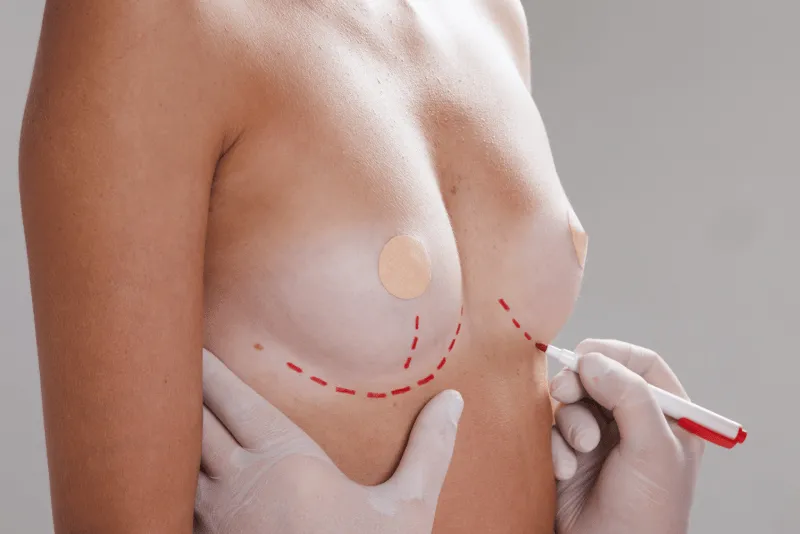
Post-pregnancy breast changes often involve ptosis (sagging) and loss of volume. Addressing these changes requires a delicate balance between tissue tension and aesthetic naturalism. In a breast lift (mastopexy), the surgeon repositions the breast tissue to a higher anatomical position. To restore volume, augmentation is frequently paired with the lift.
Safety and biocompatibility are the cornerstones of breast augmentation. Surgeons at premier international destinations utilize Breast implants used: Mentor, Motiva, or Polytech (JCI approved). These implants are engineered with advanced shell textures to minimize capsular contracture and provide a natural movement profile. A breast_lift procedure generally costs between 2,500 – 4,500 USD, and when combined with augmentation, it forms the core of the standard_package, which ranges from 4,5able,00 – 7,500 USD.
High-Definition Body Contouring: Vaser Technology and BBL
To complement abdominal and breast reconstruction, advanced liposuction techniques are utilized to refine the waistline. Vaser Liposuction is used for high-definition contouring with minimal bruising. Unlike traditional liposuction, Vaser uses ultrasound energy to emulsify fat cells selectively, preserving the surrounding connective tissue and vasculature, which leads to smoother results and a more rapid recovery.
For patients seeking to restore lost gluteal volume, the Brazilian Butt Lift (BBL) remains a pinnacle of restorative surgery. This involves the harvesting of fat from the abdomen or flanks via Vaser technology and the subsequent bbl_fat_transfer to the gluteal region, costing between 3,500 – 5,500 USD. This creates a seamless transition from a tightened abdomen to a contoured hip area.
“The success of a post-pregnancy restoration lies in the synergy of structural repair and aesthetic refinement. We do not just remove excess tissue; we reconstruct the physiological foundation of the patient’s core.”
Turkey: The Global Hub for Surgical Excellence and Safety
Turkey has emerged as the global epicenter for complex Mommy Makeovers due to its unique convergence of high-volume surgical expertise and adherence to stringent safety benchmarks. The Turkish medical landscape is characterized by surgeons who manage a high density of complex reconstructive cases, leading to superior proficiency in advanced techniques like internal corset suturing and Vaser-assisted contouring.
Safety in Turkey is underscored by the integration of JCI-standard technologies and the use of globally recognized implant brands. Furthermore, the logistics of medical travel in Turkey are designed to facilitate a seamless, low-stress recovery environment, which is vital for post-surgical healing. Patients can expect a streamlined experience through the following amenities:
- Consultations: Access to Free online video assessments with board-certified plastic surgeons to plan surgical milestones before departure.
- Logistics: VIP private transfers from airport to clinic, utilizing Istanbul (IST) or Antalya (AYT) as primary arrival hubs.
- Recovery: Accommodation in 5-star recovery suites with companion stay included, ensuring a sterile and comfortable environment for the initial healing phase.
The recovery timeline is standardized to ensure patient safety. While the Recovery: 7-10 days in Turkey period focuses on the acute post-operative phase and wound monitoring, patients are advised that a 6 weeks for full exercise return is necessary to ensure the integrity of the abdominal fascia and the newly placed implants. This disciplined approach to rehabilitation, combined with the accessibility of advanced surgical packages, solidifies Turkey’s position as the premier destination for post-pregnancy restoration.
The Neurobiology of Post-Surgical Sensation: Understanding Nerve Regeneration
One of the most profound concerns following a combination aesthetic procedure is the alteration of cutaneous sensation. Whether addressing the abdominal wall or the nipple-areola complex (NAC), the surgical manipulation of tissue inherently involves the stretching, repositioning, or temporary interruption of small nerve endings. Understanding the distinction between temporary neuropraxia—a reversible nerve conduction block—and permanent nerve severance is essential for managing patient expectations.
In procedures such as a tummy tuck, specifically when addressing Diastasis Recti repair which involves internal corset suturing of the abdominal fascia, the tension placed on the skin can affect the intercostal nerves. These nerves, which supply sensation to the abdominal skin, may experience transient numbness or hyper-sensitivity (paresthesia) as the fascia is tightened and the skin is repositioned. As the edema (swelling) subsides, the nerve endings typically begin the process of axonal regeneration, a period that requires patience and meticulous post-operative care.
The Nipple-Areola Complex (NAC) and Sensory Recovery
During a breast lift (mastopexy) or breast augmentation, the management of the NAC is a primary surgical objective. The sensation in the nipple is mediated by delicate sensory nerve branches. Depending on the technique used—such as a pedicle-based lift or a periareolar approach—some degree of altered sensation is common. In many cases, the numbness is a result of the temporary disruption of blood supply and nerve signaling caused by the repositioning of the tissue.
Patients utilizing high-quality, JCI-approved implants, such as Mentor, Motiva, or Polytech, can expect a recovery trajectory where sensation gradually returns. The goal of a board-certified surgeon is to preserve the integrity of the nerve plexus to ensure that the aesthetic result is matched by a functional, sensory-rich outcome. While some patients may experience a permanent reduction in sensitivity, most report a gradual restoration of feeling within several months as the neuromuscular junctions stabilize.
Case Study: A Journey of Transformation
“As a 34-year-old Irish mother of three, my body had undergone significant changes through multiple pregnancies. I wasn’t just looking for a physical change; I was looking to reclaim my sense of self. The decision to undergo a combination surgery was daunting, but the precision of the care I received made the transition manageable.”
This patient’s journey involved a complex combination of a tummy tuck (3,000 – 5,000 USD) and a breast lift (2,500 – 4,500 USD). Her surgical plan was designed to address both abdominal laxity and mammary ptosis (sagging). During the early stages of her 7-10 days recovery in Turkey, she experienced the expected localized numbness in her lower abdomen. However, because her surgeon utilized Vaser Liposuction for high-definition contouring with minimal bruising, the trauma to the subcutaneous nerve layers was significantly reduced.
By the time she reached her 6 weeks milestone for a full return to exercise, the sensation in her abdominal wall had significantly stabilized. Her experience highlights the importance of choosing advanced techniques that prioritize nerve preservation alongside aesthetic contouring.
Advanced Technical Precision in Combination Surgeries
The modern surgical landscape has evolved through the integration of technologies that minimize tissue trauma. When performing an advanced combination (8,000 – 12,000 USD), surgeons often combine liposuction with muscle repair. The use of Vaser Liposuction is a critical component in this process, as it employs ultrasonic vibrations to emulsify fat cells without the heat damage associated with traditional thermal liposuction. This precision is vital for maintaining the health of the overlying skin and the underlying nerves.
Furthermore, the choice of abdominal reconstruction method is tailored to the patient’s specific anatomy. Options include:
- Full Abdominoplasty: For extensive skin and muscle laxity.
- Mini Abdominoplasty: For localized concerns around the umbilicus.
- Extended (360) Tummy Tuck: To address the flanks and posterior abdominal wall.
- Internal Corset Suturing: Specifically for repairing Diastasis Recti to provide structural integrity.
When fat transfer is integrated into the plan, such as a BBL fat transfer (3,500 – 5,500 USD), the surgeon must meticulously manage the volume of transferred adipose tissue to ensure graft survival without creating pressure necrosis, which could further impact sensory nerves.
The Logistics of Premium Surgical Care
A seamless surgical journey is predicated on the synergy between clinical excellence and logistical precision. The transition from your home to the recovery suite should be handled with the utmost care to minimize pre-operative stress, which can impact the inflammatory response and healing.
The following logistical standards are maintained to ensure a premium patient experience:
- International Transit: Seamless arrivals via Istanbul (IST) or Antalya (AYT) airports.
- VIP Logistics: VIP private transfers from airport to clinic, ensuring privacy and comfort.
- Accommodation: Stay in 5-star recovery suites with companion stay included, allowing for a controlled, luxury environment for post-operative rest.
- Pre-Surgical Clarity: Access to free online video assessments with board-certified plastic surgeons to discuss technical specifics and sensation management before travel.
For patients managing a standard package (4,500 – 7,500 USD) or more complex procedures, the focus remains on the JCI-accredited safety protocols. Whether the procedure involves liposuction per area (500 – 1,500 USD) or a comprehensive reconstruction, the overarching goal is a result that is as anatomically sound as it is aesthetically transformative.
Neurosensory Alterations: Understanding Nipple and Abdominal Paresthesia
Following major reconstructive or aesthetic procedures such as a breast lift or an abdominoplasty, patients frequently report transient sensory changes, specifically paresthesia (tingling) or hypoesthesia (numbness). These sensations are not typically indicative of surgical error, but rather the physiological response of the integumentary system to surgical trauma and the subsequent healing process.
In procedures involving the breast, particularly a breast lift (ranging from 2,500 USD to 4,500 USD), the repositioning of the nipple-areola complex (NAC) necessitates the manipulation of the intercostal nerves. As the tissue undergoes revascularization, the sensory feedback from the nipple may feel “dulled” or entirely absent. Similarly, in abdominal surgeries, the disruption of the subcutaneous nerve endings during Vaser Liposuction or a tummy tuck (priced between 3,000 USD and 5,000 USD) can result in a temporary loss of sensation across the midsection. This is often accompanied by a period of intense itching, known as pruritus, as the nerve fibers begin the complex process of reinnervation.
“The management of post-operative sensation relies heavily on the stability of the recovery environment. Minimizing external physical trauma and managing inflammation through controlled swelling reduction is paramount to successful nerve regeneration.”
For those undergoing more complex abdominal reconstructions, such as a Diastasis Recti repair, the sensation changes may be deeper. This procedure involves the internal corset suturing of the abdominal fascia to close the separation of the rectus abdominis muscles. The tension required to achieve a flat profile can temporarily affect the neuromuscular feedback in the lower abdominal wall. Because Vaser Liposuction is used for high-definition contouring with minimal bruising, the localized trauma to the adipose tissue is reduced, yet the patient must still remain vigilant regarding the 6-week window required for full physiological stabilization.
The Turkish Recovery Ecosystem: Logistics and Post-Operative Care
A critical component of managing these sensory and physical changes is the quality of the post-operative environment. The “Recovery Logistics” model in Turkey is designed to mitigate the physiological stress that could otherwise impede healing. Unlike the fragmented care often found in the UK or USA, the Turkish model integrates high-end hospitality with medical oversight.
Upon arrival via Istanbul (IST) or Antalya (AYT), patients are transitioned via VIP private transfers directly to their recovery destination. The focus is on minimizing the “movement trauma” that can exacerbate post-surgical swelling. Recovery typically takes place in 5-star recovery suites, where a companion stay is included. This is a vital logistical advantage; having a dedicated companion allows for the management of post-operative needs—such as monitoring wound sites and managing medication schedules—without the patient needing to navigate the complexities of childcare or domestic logistics alone. The timeline for surgical recovery in Turkey is strategically divided into two phases: the acute phase in-country and the reintegration phase at home. For patients managing the logistics of returning to a busy household, this window requires meticulous planning. The transition from the luxury of a Turkish villa back to a high-activity lifestyle can be jarring. It is recommended that patients arrange for “hands-off” childcare and reduced domestic responsibilities for at least the first 21 days post-flight to prevent any accidental strain on the abdominal or pectoral incisions. When planning for 2026, the economic disparity between Turkish surgical packages and Western healthcare becomes even more pronounced. The following breakdown illustrates the cost-efficiency of choosing a comprehensive Turkish package, which often includes the free online video assessments with board-certified plastic surgeons, transfers, and luxury accommodation. When considering an advanced combination (e.g., a Tummy Tuck with BBL and Liposuction), the savings often exceed 15,000 USD compared to Western private healthcare, even when accounting for the premium 5-star recovery logistics and VIP transfers. This financial headroom allows patients to allocate resources toward post-operative support, such as hiring professional nursing assistance or managing the logistical complexities of their return home. Considering a Mommy Makeover in Turkey? Get a Free Quote for your Managing Sensation Changes in the Nipple and Abdomen after Surgery Transformation with cureholiday.com Fill out the form below to get your free medical travel plan and price quote.Strategic Aftercare: Navigating the 7-to-10 Day Window
2026 Cost Breakdown: Turkey vs. UK and USA
Procedure Type Turkey Estimated Cost (USD) UK/USA Estimated Cost (USD) Standard Package 4,500 – 7,500 USD 12,000 – 18,000 USD Advanced Combination 8,000 – 12,000 USD 25,000 – 35,000 USD Tummy Tuck (Full, Mini, or 360) 3,000 – 5,000 USD 8,000 – 15,000 USD Breast Lift 2,500 – 4,500 USD 6,000 – 10,000 USD BBL (Fat Transfer) 3,500 – 5,500 USD 10,000 – 18,000 USD Liposuction (Per Area) 500 – 1,500 USD 2,500 – 5,000 USD Free Consultation
Sources and how to verify this yourself