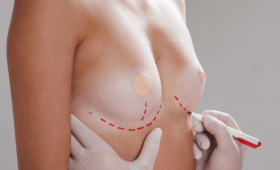
About the prices on this page. The figures below are indicative market prices and country comparisons, not a quote. Our own current, all-inclusive prices are published on our cosmetic surgery in Turkey page, and we confirm your figure in writing before you commit to anything.
Cost and planning note (Mommy Makeover 2026)
The figures below are indicative market ranges, not a quote: your own price is confirmed after a clinical assessment.
Indicative price range: Standard Package: 4,500 – 7,500 USD | Advanced Combination: 8,000 – 12,000 USD | Tummy Tuck: 3,000 – 5,000 USD | Breast Lift: 2,500 – 4,500 USD | Liposuction Per Area: 500 – 1,500 USD | Bbl Fat Transfer: 3,500 – 5,500 USD
Facility standards: In Türkiye, any facility treating international patients must hold the Ministry of Health’s international health tourism authorisation; hospitals and medical centres must also be accredited by TÜSKA, and complication insurance is compulsory for procedures carried out in an operating theatre (Regulation of 26 April 2025).
Recovery Focus: Post-pregnancy body restoration & safety first.
Currency: GBP, EUR, USD accepted.
Managing “Small Children” while Recovering: Setting Boundaries at Home
The Physiological Reality of Post-Operative Abdominal Integrity
For mothers undergoing a Mommy Makeover, the most significant challenge is not the surgical procedure itself, but the management of physical boundaries in a high-energy domestic environment. When undergoing a tummy tuck (abdominoplasty) or a Diastasis Recti repair, the structural integrity of the abdominal wall is temporarily compromised. During a Diastasis Recti repair, the surgeon performs internal corset suturing of the abdominal fascia to close the gap between the rectus abdominis muscles. This “internal corset” is a delicate biological reconstruction that requires a period of strictly regulated intra-abdominal pressure.
The primary risk when managing small children is the sudden, unplanned exertion caused by lifting, catching, or bracing against a moving toddler. Sudden abdominal contractions can place undue tension on the newly sutured fascia, potentially leading to dehiscence or the recurrence of the diastasis. While the surgical objective is a tightened, contoured midsection, the physiological reality is that the musculature requires a period of stability. Patients must adhere to a strict “no-lifting” protocol, typically involving any weight exceeding a few kilograms, for several weeks to ensure the biological knitting of the fascial layers is successful.
“The success of abdominal reconstruction is predicated on the patient’s ability to minimize mechanical stress on the abdominal wall during the initial remodeling phase of the fascia.”
For those undergoing more extensive contouring, such as Vaser Liposuction for high-definition abdominal sculpting, the skin and underlying adipose tissue are undergoing significant reorganization. Because Vaser Lipo uses ultrasonic technology for high-definition contouring with minimal bruising, the superficial healing may appear rapid; however, the deep structural changes require the same period of cautious movement to prevent seroma formation or contour irregularities.
Upper Body Constraints: Protecting Breast Reconstruction
Managing small children also necessitates a careful approach to upper body movement. If your procedure includes a breast lift (mastopexy) or the placement of implants—utilizing premium, JCI-approved options such as Mentor, Motiva, or Polytech—the tension on the incision sites is a critical variable. The goal of a breast lift is to reposition the nipple-areola complex and remove excess skin, but this repositioning is vulnerable to sudden, forceful movements.
The primary “danger zone” in a household with young children is the “sudden hug” or the “unplanned grab.” When a child clings to a parent’s neck or pulls on the upper torso, it creates unexpected pectoral tension and can distort the placement of the implant or the integrity of the inframammary fold. To maintain the aesthetic outcome of the breast lift, it is essential to establish a physical “buffer zone” during the first few weeks of recovery.
Strategic Planning: The Turkish Medical Advantage
The logistical framework of undergoing a Mommy Makeover in Turkey provides a unique advantage in managing the transition from hospital to home. The recovery timeline is strategically divided into two distinct phases: the clinical stabilization phase and the domestic integration phase.
The first phase involves a 7-10 days stay in Turkey. During this period, patients are sequestered in 5-star recovery suites with companion stay included, allowing for intensive post-operative monitoring in a controlled, low-impact environment. This period is essential for managing edema (swelling) and ensuring that the initial surgical site is stable before facing the unpredictable physical demands of a household with children. Utilizing VIP private transfers from airports such as Istanbul (IST) or Antalya (AYT) ensures that the patient remains in a state of rest, minimizing the physiological stress that can impede healing.
The second phase is the 6 weeks required for a full return to exercise and heavy lifting. This is the period where “setting boundaries” becomes the primary focus. By utilizing free online video assessments with board-certified plastic surgeons during the pre-operative phase, mothers can specifically discuss their domestic setup and receive a personalized “activity roadmap” tailored to their specific surgical components (Full, Mini, or Extended 3/60 tummy tucks).
Financial Planning and Resource Allocation
Managing a recovery requires not just physical boundaries, but also the allocation of resources to ensure help is available at home. The significant cost-savings associated with Turkey’s medical infrastructure allow patients to reallocate their budget toward domestic support, such as hiring nursing assistance or childcare, during the critical 6-week window.
Understanding the breakdown of costs is essential for transparent clinical planning:
- Standard Package: 4,500 – 7,500 USD (Comprehensive approach to primary concerns).
- Advanced Combination: 8,000 – 12,000 USD (Multi-area reconstruction).
- Tummy Tuck (Abdominoplasty) only: 3,000 – 5,000 USD.
- Breast Lift (Mastopexy) only: 2,500 – 4,500 USD.
- Liposuction (per specific area): 500 – 1,500 USD.
- BBL/Fat Transfer: 3,500 – 5,500 USD.
By understanding these figures, patients can budget for a “recovery concierge”—the ability to fund the extra help needed to ensure that the “small children” mentioned in the title are managed by others, allowing the patient to focus entirely on the biological necessity of tissue regeneration and the long-term success of their post-pregnancy restoration.
The Reality of the Post-Operative Transition: From 5-Star Recovery to Home Life
The surgical transformation journey often begins in the serene, controlled environment of a 5-star recovery suite in Turkey. Here, the focus is entirely on physiological stabilization and wound care. However, the true challenge for many patients—particularly those navigating the complexities of motherhood—is the transition from the VIP-managed care of a luxury hotel to the unpredictable dynamics of a household with small children. While the medical focus during the initial 7-10 days in Turkey is on wound healing and managing edema, the subsequent 6 weeks at home require a strict adherence to physical boundaries to protect the integrity of the surgical site.
Managing young children during this period is not merely a matter of “being careful”; it is a medical necessity. The structural changes made to the body—specifically regarding the abdominal wall and breast tissue—require a period of protected healing to prevent dehiscence (wound opening) or the failure of internal sutures.
Case Study: The Clinical Path of a 34-Year-Old Mother
To understand the necessity of these boundaries, consider the journey of a 34-year-old Irish mother of three. Her surgical objective was a total body reconfiguration to address postpartum changes, specifically targeting skin laxity and volume loss. She opted for the advanced_combination package, which, at a cost of 8,000 – 12,000 USD, addressed multiple anatomical areas simultaneously.
Her procedure involved a complex interplay of three distinct surgical techniques:
- Full Abdominoplasty (Tummy Tuck): To address significant skin redundancy, she underwent an extended (3/60) tummy tuck. This involved the critical repair of Diastasis Recti, utilizing internal corset suturing of the abdominal fascia to pull the separated muscle layers back into a centralized, cohesive position.
- Vaser Liposuction: To refine the flanks and waistline, Vaser technology was employed. This ultrasound-assisted method allows for high-definition contouring by emulsifying fat cells with minimal trauma to surrounding tissues, significantly reducing the risk of bruising—a vital factor for a patient returning to a domestic environment.
- Mastopexy (Breast Lift): To correct ptosis (sagging), a breast lift was performed using JCI-approved implants (specifically Motiva) to ensure long-term structural stability.
For this patient, the “boundary” was clear: the 6-week window following her return from Turkey meant zero lifting of any child weighing more than a few kilograms. The risk of intra-abdominal pressure compromising the internal corset suturing was too high.
The Technical Necessity of Physical Boundaries
When undergoing an abdominoplasty or a combination procedure, the surgeon is not just removing skin; they are restructuring the foundation of the abdominal wall. The use of internal corset suturing to repair the abdominal fascia creates a new, tightened architecture. This architecture is highly sensitive to sudden, intra-abdominal pressure—the kind caused by lifting a toddler, bending sharply to pick up a toy, or even a child accidentally colliding with the midsection.
“The structural integrity of the abdominal fascia repair relies on the stability of the underlying sutures during the first 42 days. Any significant strain can lead to seroma formation or the widening of the repaired muscle gap.”
Furthermore, for patients undergoing liposuction_per_area (priced between 500 – 1,500 USD) or a bbl_fat_transfer (ranging from 3,500 – 5,500 USD), the skin must settle over the newly contoured contours. Sudden pressure or “pinching” from a child can disrupt the settling of the transferred fat cells, potentially affecting the final aesthetic outcome.
Strategic Planning: Financial and Logistical Frameworks
Successful recovery management begins long before the patient arrives at Istanbul (IST) or Antalya (AYT). It begins with the clinical consultation. Cure Holiday specialists facilitate free online video assessments with board-certified plastic surgeons, allowing patients to discuss their home environments and childcare logistics pre-operatively.
The ability to plan for the “post-surgical” home life is supported by the transparency of the surgical investment. Understanding the breakdown of costs allows for better budgeting of the necessary home-care support (such as hiring temporary childcare or domestic help):
- Standard Package: 4,500 – 7,500 USD
- Tummy Tuck (Mini, Full, or Extended): 3,000 – 5,000 USD
- Breast Lift: 2,500 – 4,500 USD
The seamless logistics provided during the surgical phase—including VIP private transfers from the airport to the clinic and stay in 5-star recovery suites with companion stay included—are designed to minimize stress. This reduction in pre-operative cortisol levels is clinically beneficial, as it prepares the patient’s immune system for the healing process, ultimately making the transition to the “high-vigilance” home environment more manageable.
The 6-Week Protocol: Essential Guidelines for Parents
To maintain the JCI-standard safety outcomes achieved in the operating theatre, patients must adhere to a strict physical regimen during the first six weeks of their return home. This protocol is designed to protect the Mentor, Motiva, or Polytech implants and the integrity of the abdominal fascia.
1. The Lifting Restriction: No lifting anything heavier than a standard liter of water. This includes infants, toddlers, and even heavy grocery bags. The pressure exerted by lifting can cause the abdominal wall to strain against the new sutures.
2. Movement Moderation: While walking is encouraged to prevent Deep Vein Thrombosis (DVT), rapid twisting or “lunge” movements (common when chasing small children) must be avoided. The goal is to allow the skin and fascia to bond without shearing forces.
3. Postural Awareness: Patients should avoid slouching, which can put undue tension on the breast lift incisions and the upper abdominal area. Maintaining an upright, supported posture is essential for the 6-week healing window.
By treating the first six weeks as a period of “controlled movement,” patients can ensure that the high-definition results achieved through Vaser Liposuction and advanced abdominoplasty are preserved, allowing the physical transformation to last a lifetime.
The Importance of the “Pre-Home” Buffer: Utilizing the 7-10 Day Window
For parents, the period immediately following surgery is often the most anxiety-inducing. The primary challenge is not merely the physical sensation of post-operative edema (swelling), but the looming reality of returning to a high-energy household. This is why the initial 7-10 days spent in Turkey is a critical component of your surgical logistics. By utilizing 5-star recovery suites with companion stay included, you create a vital “buffer zone” between the operating theatre and your front door.
During this period, your focus should be entirely on physiological stabilization. The transition from Istanbul (IST) or Antalya (LTAT) via VIP private transfers to your recovery suite allows your body to begin the inflammatory response in a controlled, sterile, and low-stress environment. This window is essential for managing the initial stages of wound healing and ensuring that the surgical site—whether it be a Full, Mini, or Extended (360) Tummy Tuck—is stable before you encounter the physical demands of childcare.
“The success of a surgical investment is measured not just by the aesthetic outcome, but by the integrity of the healing process. For parents, the 7-day buffer in Turkey is the foundation of long-term surgical safety.”
Physical Limitations: Protecting Your Surgical Investment
When managing small children, the greatest risk is accidental mechanical stress on the surgical site. It is imperative to understand the specific physiological restrictions dictated by your procedure. For instance, if your procedure involved a Diastasis Recti repair, your medical team has performed internal corset suturing of the abdominal fascia. This internal structural reinforcement requires absolute protection from intra-abdominal pressure. Lifting a toddler or even bending deeply to pick up a toy can compromise the tension of these sutures, potentially leading to dehiscence or a failure of the abdominal wall reconstruction.
Similarly, if you have undergone Vaser Liposuction for high-definition contouring, while this technique is designed for minimal bruising, the underlying lymphatic system is still recalibrating. Sudden, jerky movements or the impact of a child jumping on your abdomen can increase the risk of seroma formation (fluid accumulation).
Specific physical boundaries to implement include:
- The “No-Lift” Mandate: For 6 weeks, you must strictly avoid lifting any weight that exceeds your child’s weight. This is particularly critical after a BBL fat transfer, where the integrity of the transferred fat cells depends on undisturbed healing and minimal pressure.
- Spatial Boundaries: Establish a “Safe Zone” in your home. This area should be a low-traffic, soft-surfaced space where children are encouraged to play away from your surgical site.
- The 6-Week Milestone: While you may feel capable of returning to light activity sooner, a 6 weeks period is the clinical standard before any full exercise return is permitted.
Managing the Household: A Strategy for Post-Op Aftercare
Effective aftercare requires a logistical overhaul of your home environment. This involves more than just rest; it involves delegating the “high-impact” tasks of parenting. Because the cost of surgery in Turkey offers significant savings compared to the UK or USA, a strategic approach is to reallocate a portion of those savings toward domestic support during your 6-week recovery window.
Consider hiring part-time nursery support or a domestic assistant to handle the heavy lifting, such as carrying laundry, preparing meals, or managing school runs. This mitigates the risk of accidental strain on breast implants—whether you have received Mentor, Motiva, or Polytech (JCI approved) implants—and prevents the physical fatigue that can impede the healing of a Breast Lift or Tummy Tuck.
2026 Financial Planning: The Cost-Benefit of Recovery
When planning for 2026, it is essential to look at the total cost of care, not just the surgical fee. The price discrepancy between Turkey and Western healthcare allows for a more robust recovery plan. In the UK or USA, a comprehensive body contouring package can often exceed $20,000 – $30,000 USD, leaving little room for post-operative domestic assistance.
In contrast, the streamlined pricing in Turkey allows you to allocate your budget across the entire recovery spectrum. Below is the 2026 projected cost breakdown for your surgical components:
- Standard Package: 4,500 – 7,500 USD (Ideal for single-area refinements)
- Advanced Combination: 8,000 – 12,000 USD (Best for comprehensive transformations)
- Tummy Tuck (Full/Mini/360): 3,000 – 5,000 USD
- Breast Lift: 2,500 – 4,500 USD
- Liposuction (Per Area): 500 – 1,500 USD
- BBL Fat Transfer: 3,500 – 5,500 USD
By utilizing these cost efficiencies, you can afford to invest in VIP private transfers, 5-star recovery suites, and, most importantly, the professional childcare support necessary to maintain the boundaries required for a safe, successful recovery. If you are unsure which surgical approach aligns with your lifestyle and parenting responsibilities, Cure Holiday specialists can arrange free online video assessments with board-certified plastic surgeons to discuss your clinical requirements and post-operative logistics.
Considering a Mommy Makeover in Turkey? Get a Free Quote for your Managing “Small Children” while Recovering Transformation with cureholiday.com
Free Consultation
Fill out the form below to get your free medical travel plan and price quote.
Sources and how to verify this yourself
- Ministry of Health, Regulation on International Health Tourism and Tourist Health, Official Gazette 26 April 2025, No. 32882 — authorisation requirement for facilities and intermediaries, TÜSKA accreditation, compulsory complication insurance (deadline 31 December 2025 for insurance, 31 December 2026 for accreditation). source
- Ministry of Health, Regulation on Promotion and Information Activities in Health Services, Official Gazette 12 November 2025, No. 33075 — treatment promises and guarantees are prohibited; price and campaign announcements are permitted only within international health tourism. source